
DiamondTrail Ranch Florida field guide
🌱Best Vegetables to Plant in Central Florida by Month
A month-by-month starting calendar for Zone 9b–10a gardens, with Florida heat, rainfall, pests and succession planting in mind.
The direct answer
Start here
Central Florida has two especially productive vegetable seasons—late winter through spring and fall through early winter—plus a smaller group of heat-loving summer crops. Use the UF/IFAS Central Florida calendar as the authority, then adjust for frost pockets, soil, rain and your exact location.
The Florida difference
Why generic advice is not enough
Heat, humidity, tropical rain, long parasite seasons, sandy soils and hurricane disruptions change how this topic should be managed in Central Florida.
- Auburndale and much of Polk County sit near the transition between subtropical heat and occasional winter freezes.
- Calendar dates are ranges, not guarantees; one cold front or saturated week can shift planting.
- Summer heat and humidity narrow the crop list and increase disease and insect pressure.
- Fall seedlings often need shade and careful watering while established during late-summer heat.
Step-by-step
Practical checklist
Use this as a starting routine, then adjust it for your animals, property, equipment and professional guidance.
- 01
Confirm whether your location behaves more like Central or South Florida.
- 02
Check the current UF/IFAS planting calendar before buying seed.
- 03
Start with well-drained soil and a plan for intense rain.
- 04
Choose Florida-adapted and disease-resistant varieties.
- 05
Use succession plantings instead of planting the entire packet at once.
- 06
Record planting date, variety, weather and harvest.
- 07
Rotate crop families and inspect leaves several times weekly.
Understand the whole system
The complete written guide
January through March
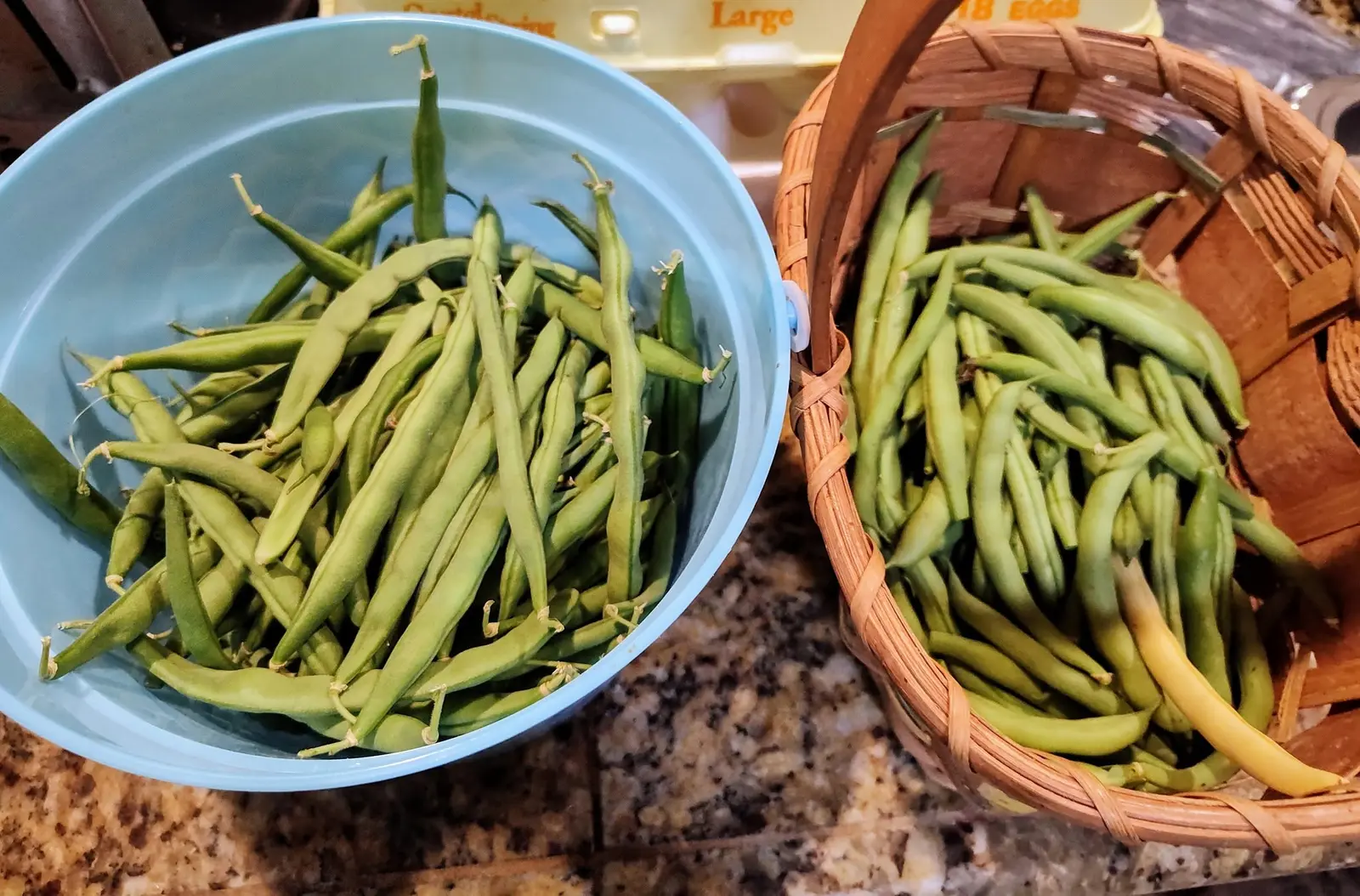
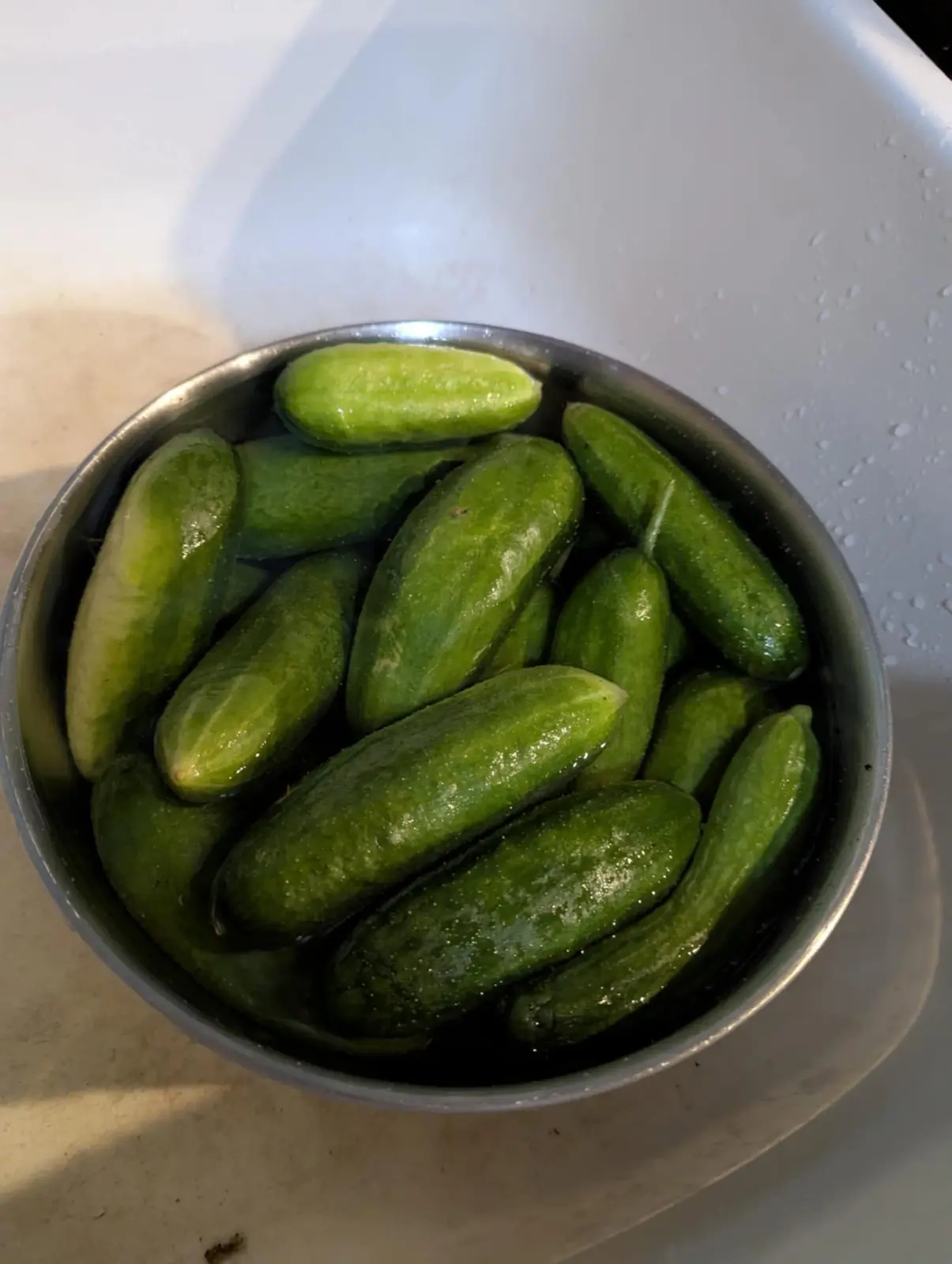
January favors cool-season crops such as leafy greens, carrots, radishes, cabbage-family crops and herbs, with protection during freezes. February continues many cool crops while gardeners begin transplants for the warm season. By March, beans, cucumbers, squash and other warm-season vegetables become increasingly practical as frost risk falls.
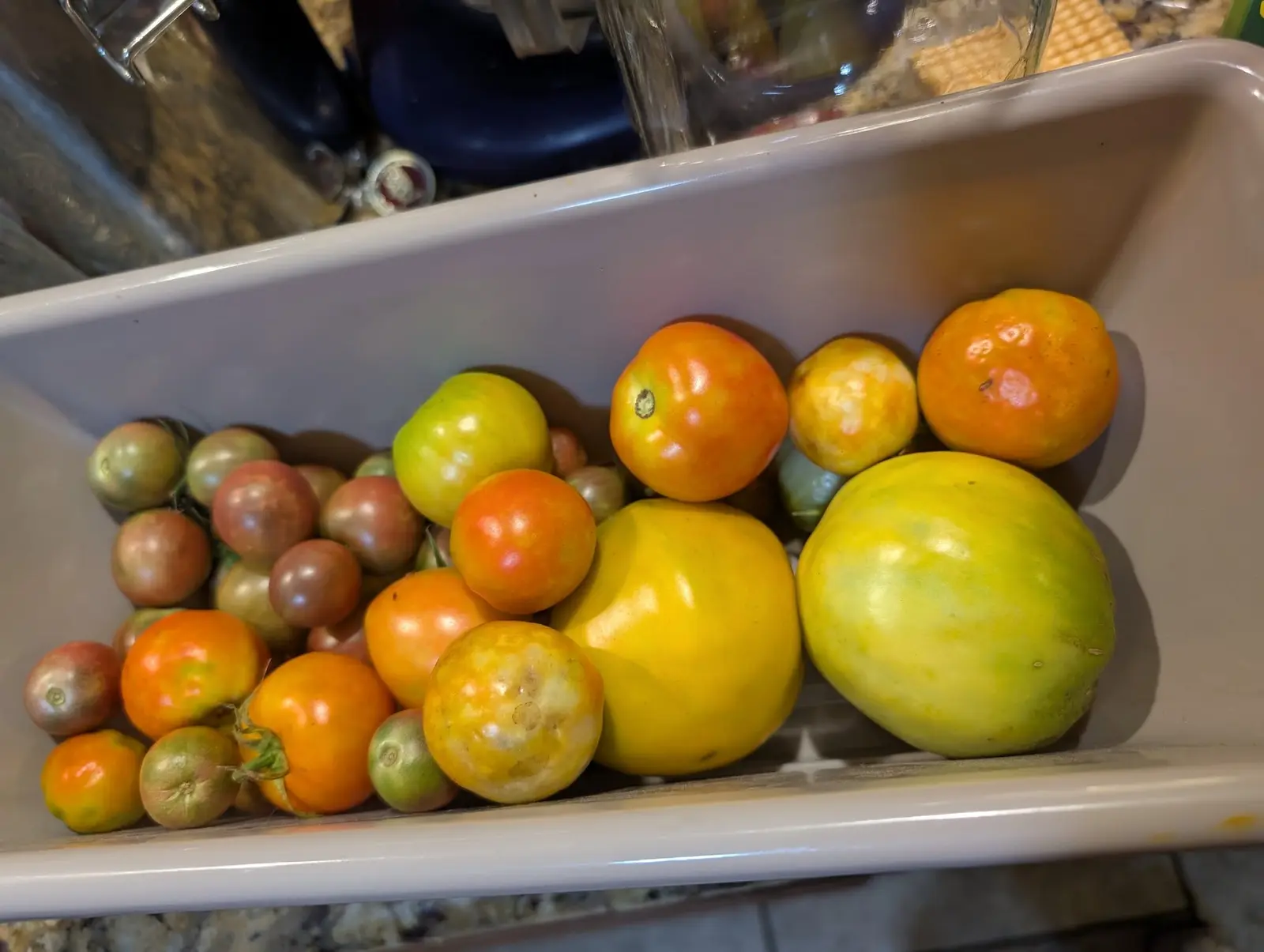
Tomatoes and peppers need timing that gives them productive weather before extreme summer heat. Harden transplants gradually and keep frost cloth available for surprise cold.
April through June
April is a strong month for beans, cucumbers, squash, okra, southern peas and sweet potatoes. As May and June heat intensifies, okra, southern peas, sweet potatoes and other heat-tolerant crops become the safer choices.
Mulch helps moderate soil moisture, but keep it away from stems and watch for slugs or excessive wetness. Irrigate deeply when needed rather than keeping foliage constantly wet.
July through September
July is not empty, but choices are narrower. Okra and southern peas are dependable starting points, and existing tropical vegetables may continue with water and pest management. Work early to protect the gardener as well as the plants.
In August, start fall tomatoes, peppers and some brassicas under protected conditions according to the Extension calendar. September opens more opportunities for beans, cucumbers, squash and early fall crops as temperatures begin to ease.
October through December
October brings a broad cool-season transition: leafy greens, carrots, radishes, brassicas and herbs. November is a major planting period for greens, roots, peas, strawberries and cool-season vegetables. December continues cool crops with freeze plans ready.
Short days slow growth, so succession intervals may need to widen. Avoid overwatering simply because summer habits are familiar.
Use the calendar as a decision tool
The best crop is one matched to season, light, soil, irrigation and household use. A calendar tells you when a crop can be attempted; it does not guarantee success or replace daily scouting.
Keep notes. After two or three seasons, your own frost pockets, insect cycles and successful varieties will turn the regional calendar into a property-specific plan.
Avoidable setbacks
Common mistakes
- Using a national seed packet calendar instead of Florida guidance
- Planting cool crops into peak summer heat
- Starting the entire fall garden on one hot weekend
- Keeping foliage wet every evening
- Ignoring root-knot nematodes and crop rotation
- Judging a variety after one unusual season
From our two-acre Central Florida ranch
What this looks like in real life
In our Zone 10a garden, July is a month for realistic expectations. Okra is one crop that earns its space in the heat, while many familiar vegetables wait for the fall window.
We use the calendar as a starting point, then watch our actual rain, shade and pest pressure. The garden teaches quickly that “Florida” is not one uniform growing season.
We are building the matching video library alongside these written guides.
See it from the ranch
Florida Gardening & Growing Food
Written information is most useful when you can connect it to real chores, real animals and the lessons that do not fit inside a checklist.
Continue learning
Related DiamondTrail Ranch resources
Faith. Family. Farming. Freedom.
Practical Florida homesteading—without pretending everything goes perfectly.
Subscribe for the videos that show how these plans work on a real Central Florida family homestead.
Subscribe on YouTube ↗Educational disclaimer: This guide provides general Florida homesteading education. It does not diagnose, prescribe, guarantee outcomes or replace veterinarians, Extension professionals, emergency managers, certified arborists, product labels or responsible local authorities. Conditions vary by animal, property and county; verify time-sensitive decisions directly.