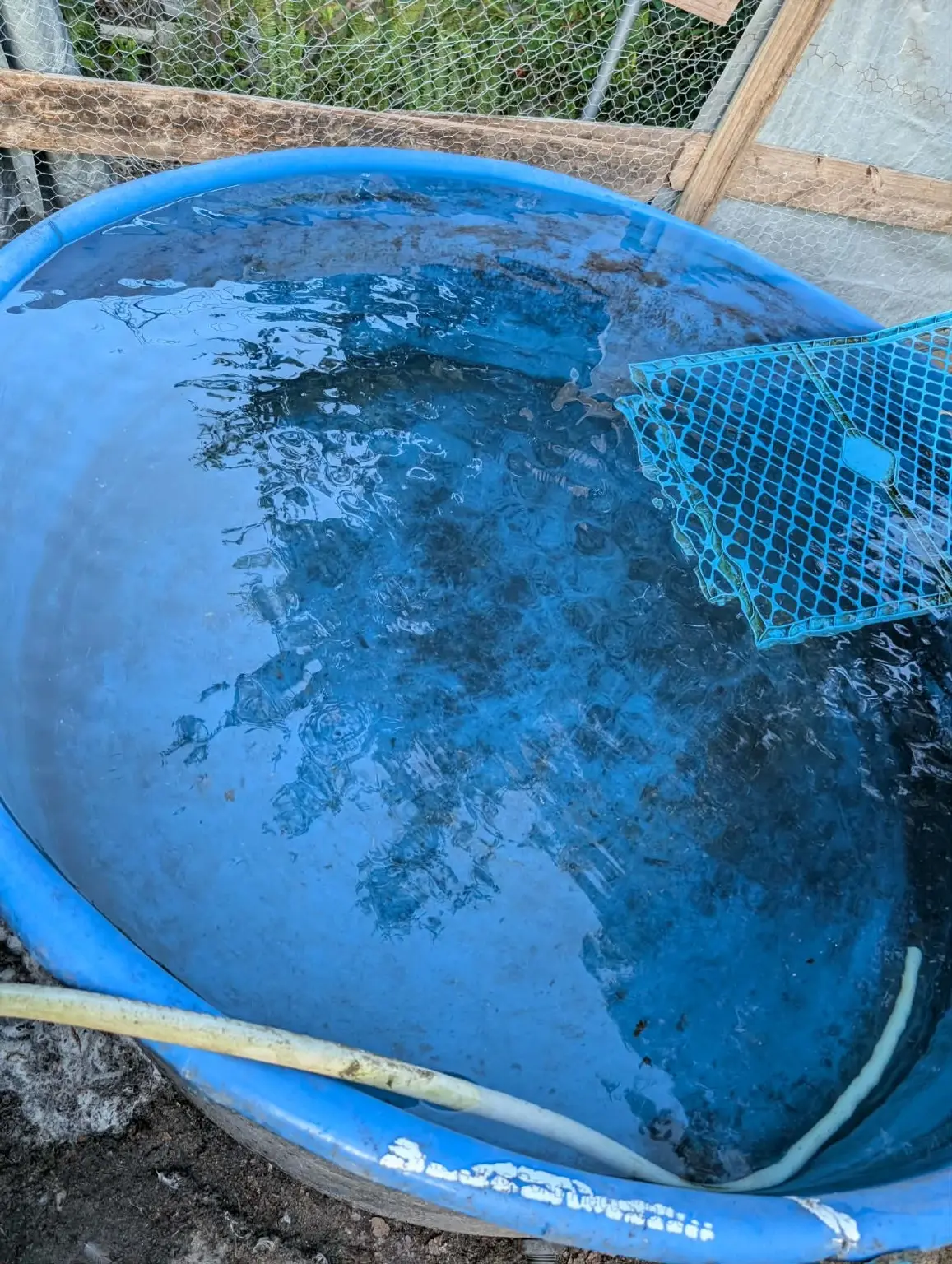
What raising ducks changed about our water chores
Our ducks made clean water, drainage, mud, and daily cleanup impossible to treat as separate jobs.
Read the story DiamondTrail Ranch
A family homestead in Central Florida
We raise a diverse group of animals, grow food and fruit trees, preserve what we harvest, and document how we make two acres work.
Original ranch photographs Family experience Primary sources for technical guidance
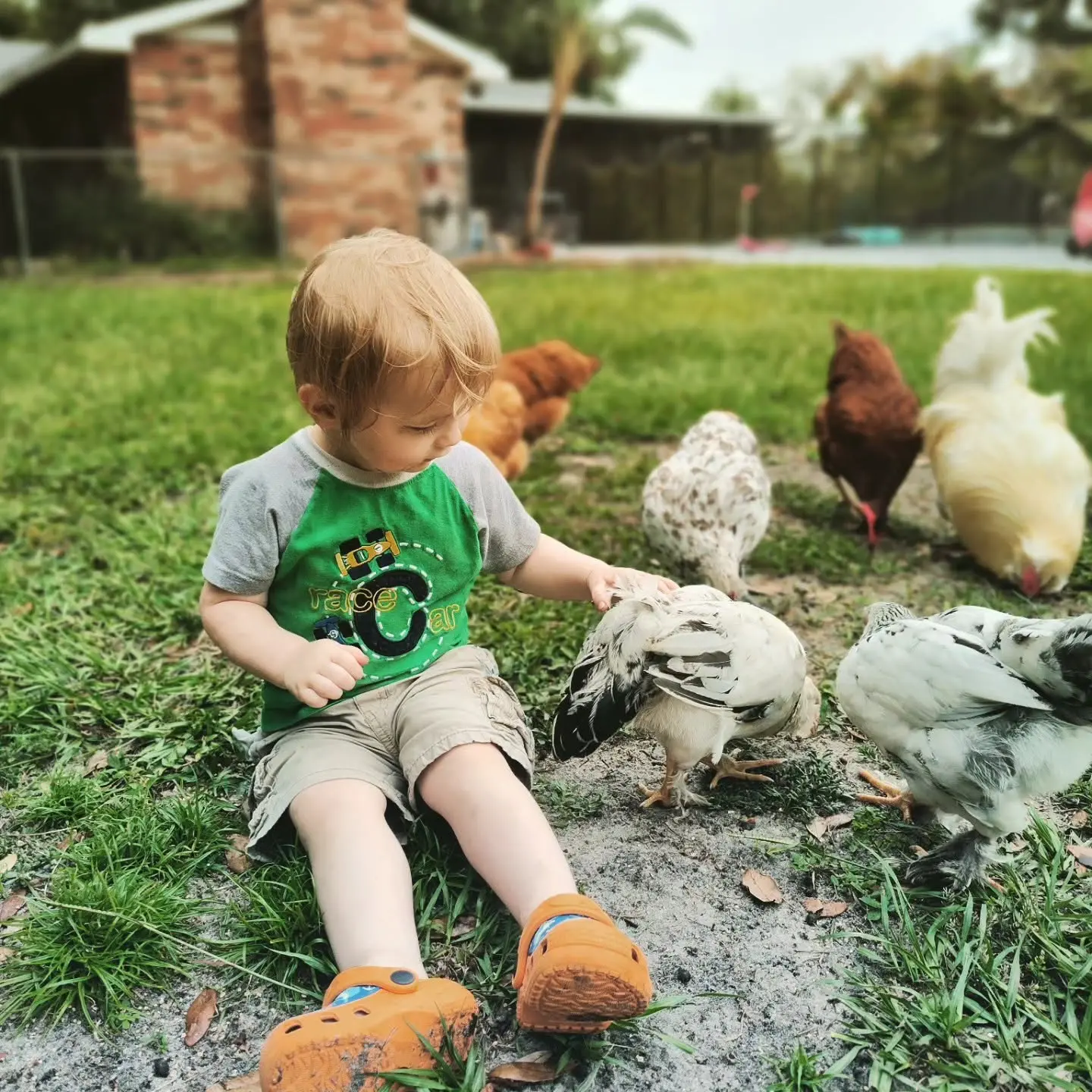
Explore the ranch
Each section leads to a smaller group of ranch stories, practical guides, and tools.
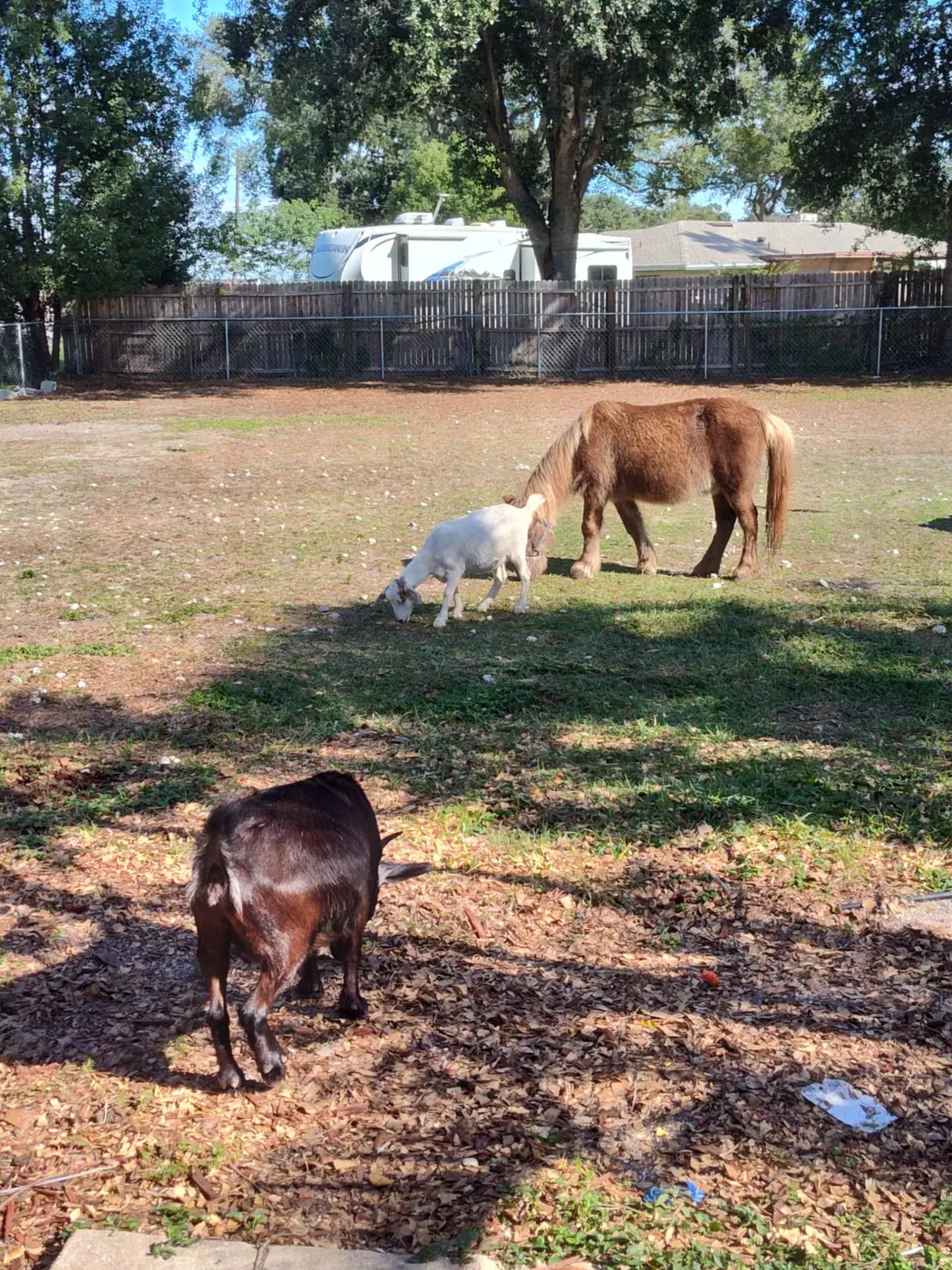
Meet the goats, chickens, ducks, rabbits, pigs, equines, cattle, and working dogs behind our care guides.
Explore this section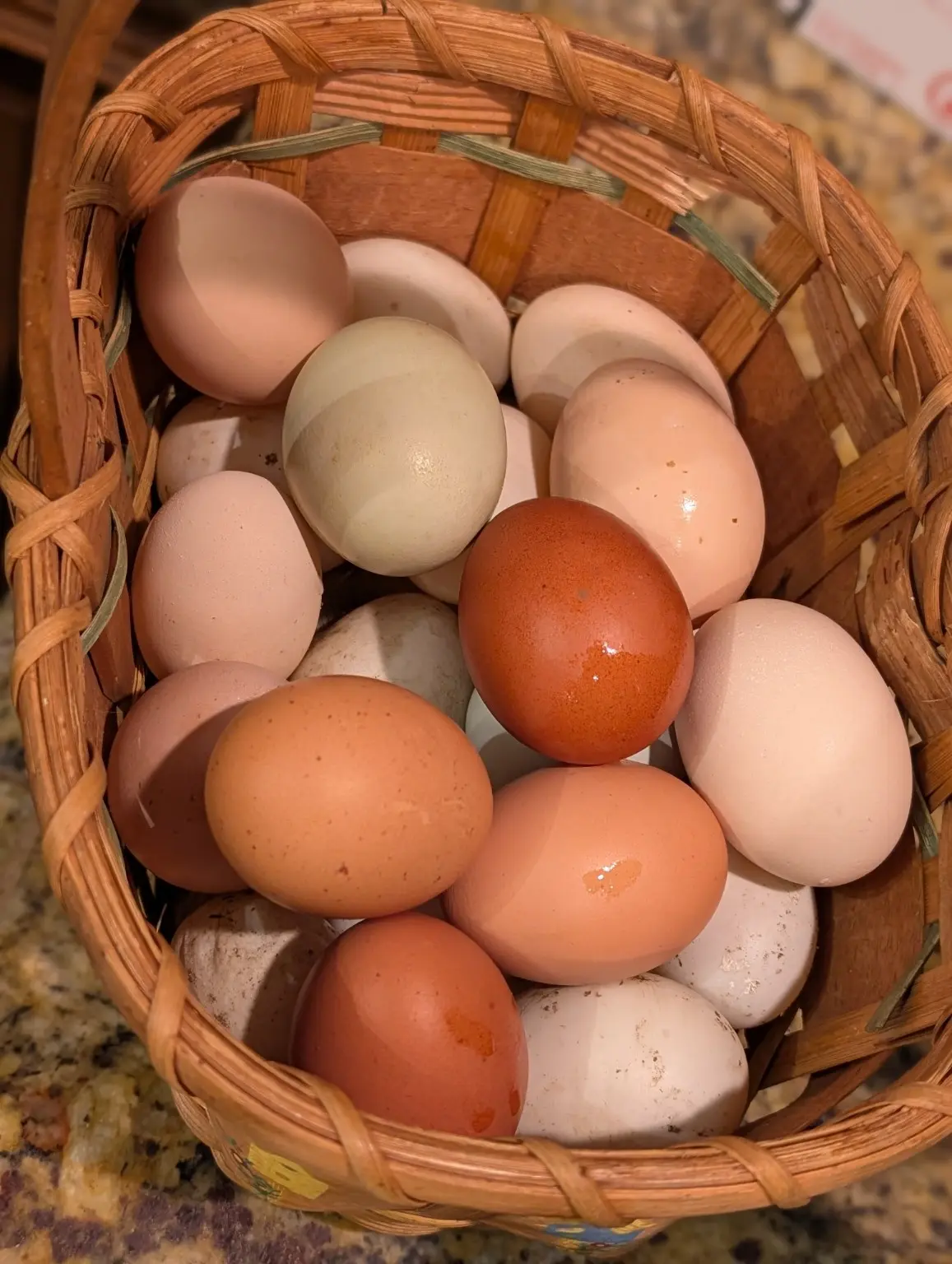
Start with the chicken and duck eggs we collect, handle, compare, cook with, and continue learning to preserve.
Explore this section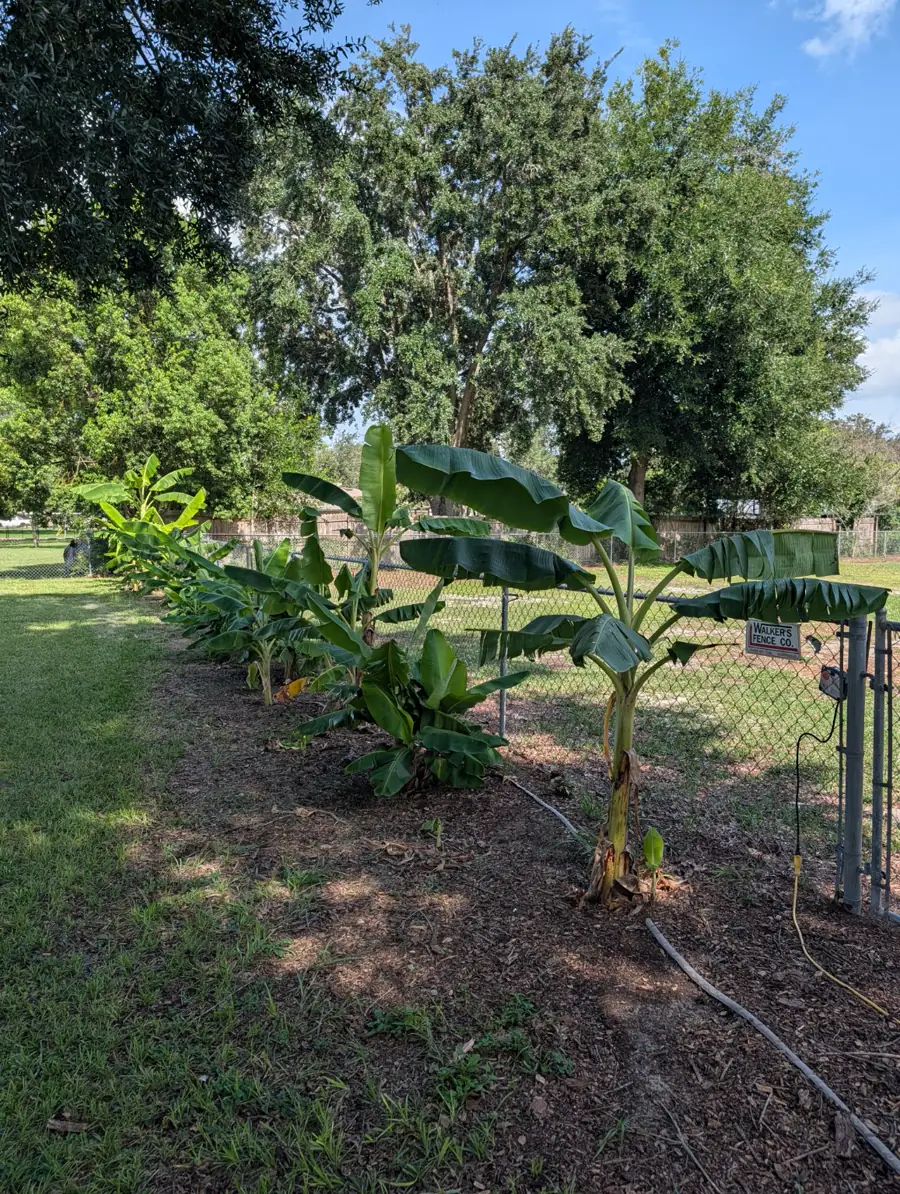
See what sandy soil, heat, heavy rain, freezes, and patient observation have taught us about growing here.
Explore this section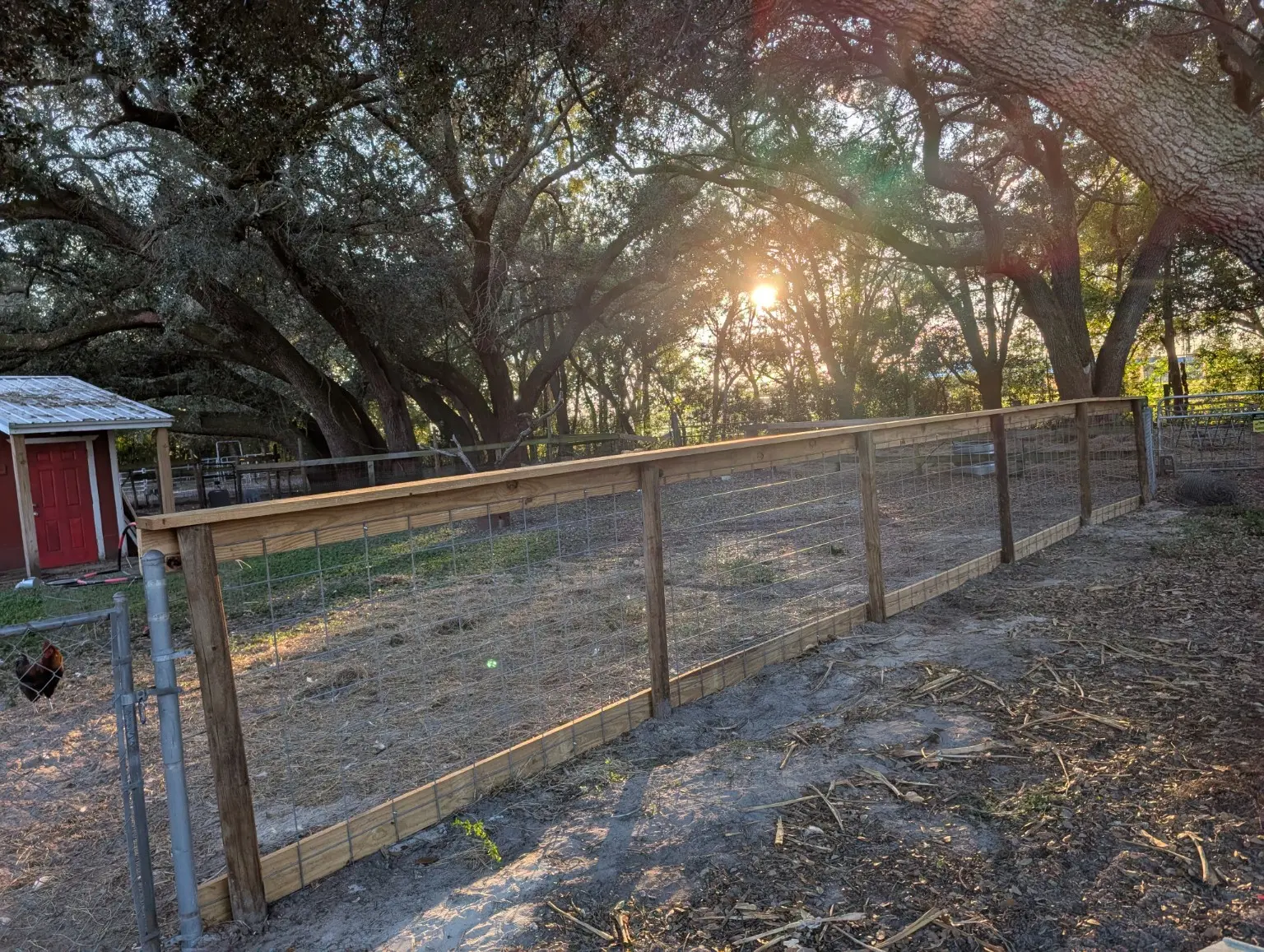
Follow the water, fencing, feed storage, chore routes, storm preparation, and projects that hold the ranch together.
Explore this sectionDated field notes
Our ducks made clean water, drainage, mud, and daily cleanup impossible to treat as separate jobs.
Read the story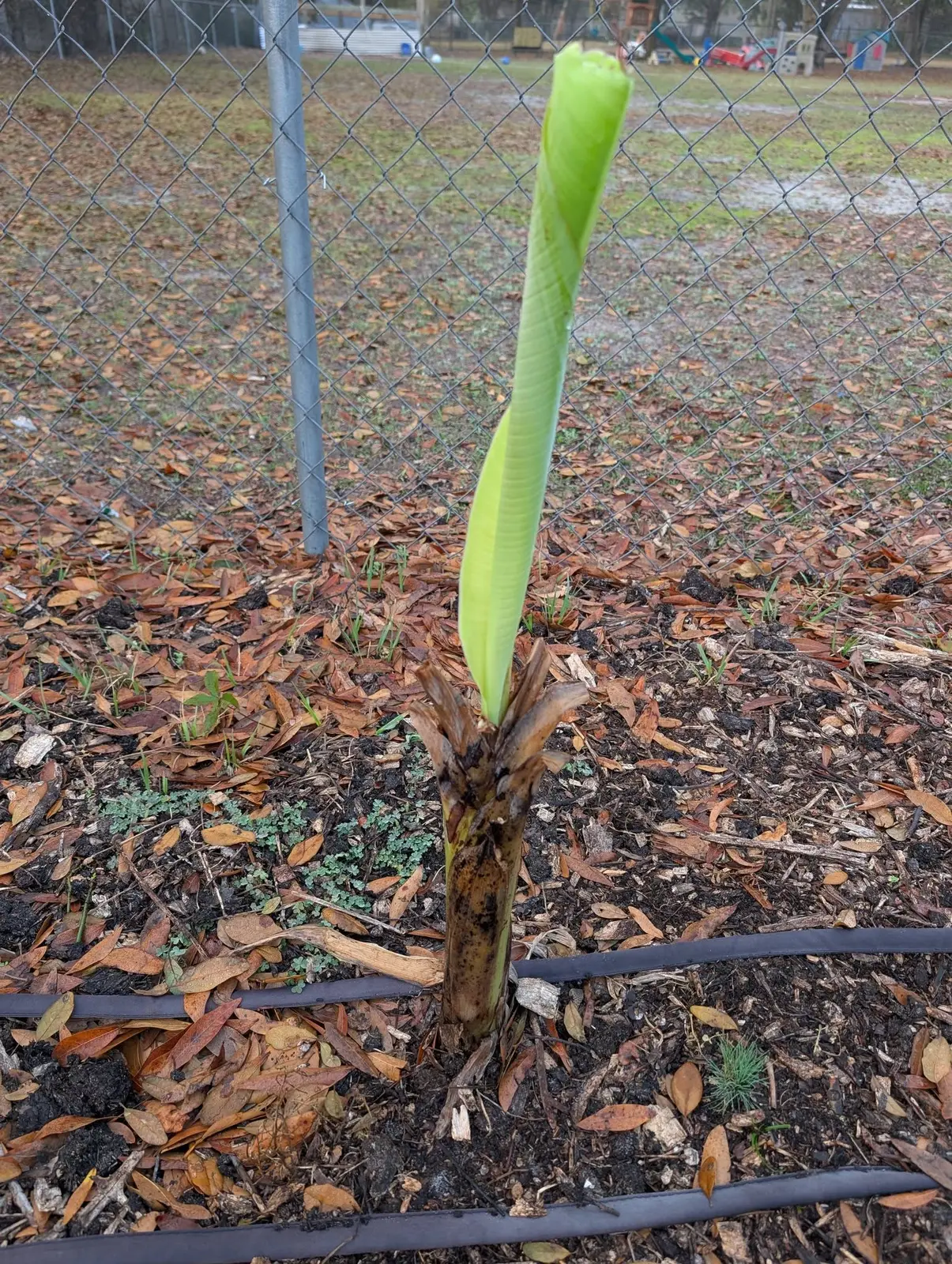
We recorded what survived underground, how the new shoots appeared, and what we would measure next time.
Read the story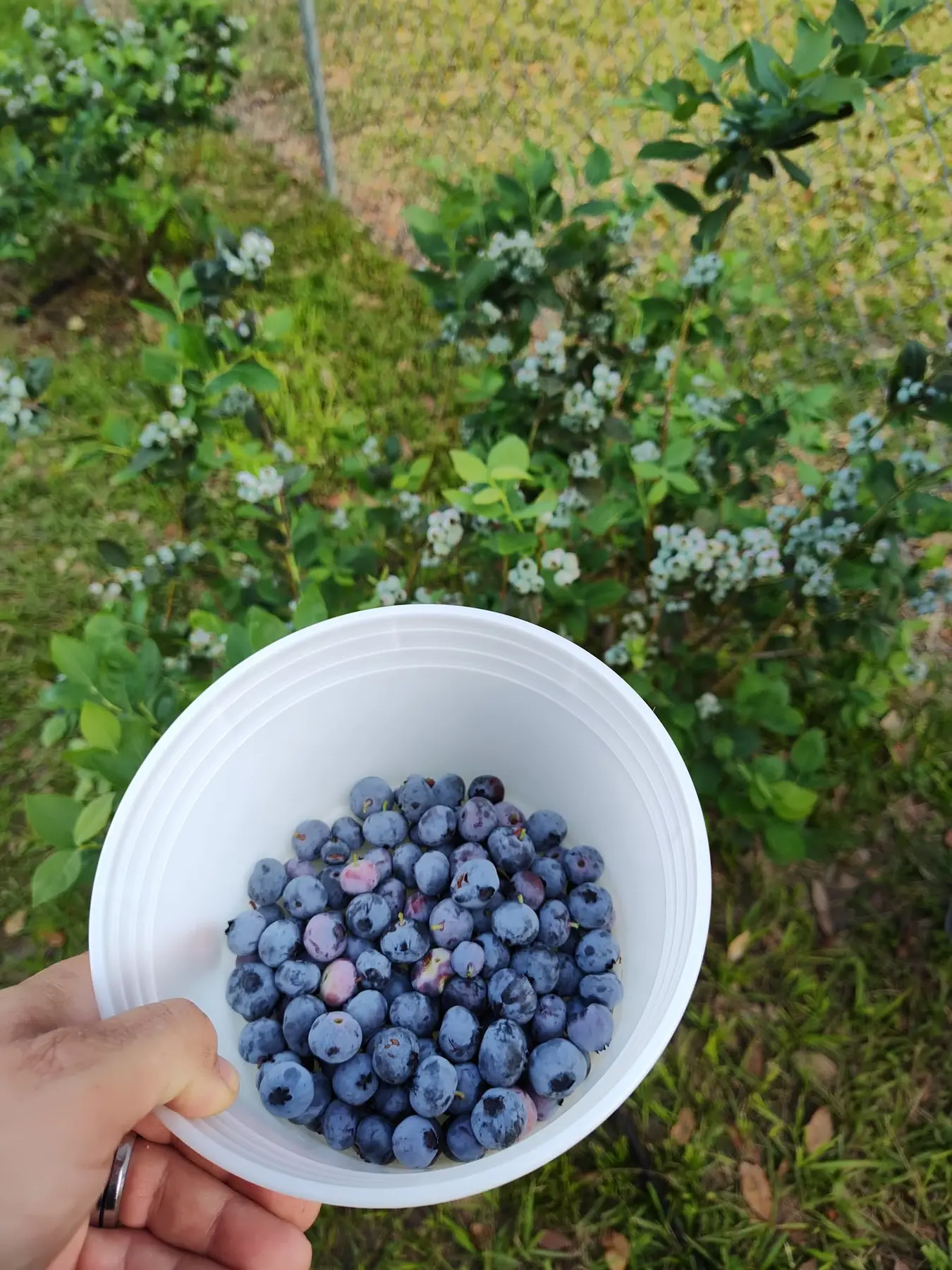
Repeated readings pushed us to look at irrigation water, native soil, amendments, and our own testing routine together.
Read the storyHow we use two acres
Small acreage makes layout visible. Animal areas need secure boundaries and a way to separate species. Water must reach the daily chore route, with another way to deliver it when equipment or power fails. Feed and hay need dry storage. The garden and orchard have to fit the water and time we can actually give them.
We share the arrangements we use and the changes that followed hard rain, Florida heat, storm preparation, animal behavior, and ordinary wear. These are property records and family lessons, not a claim that one layout fits every homestead.
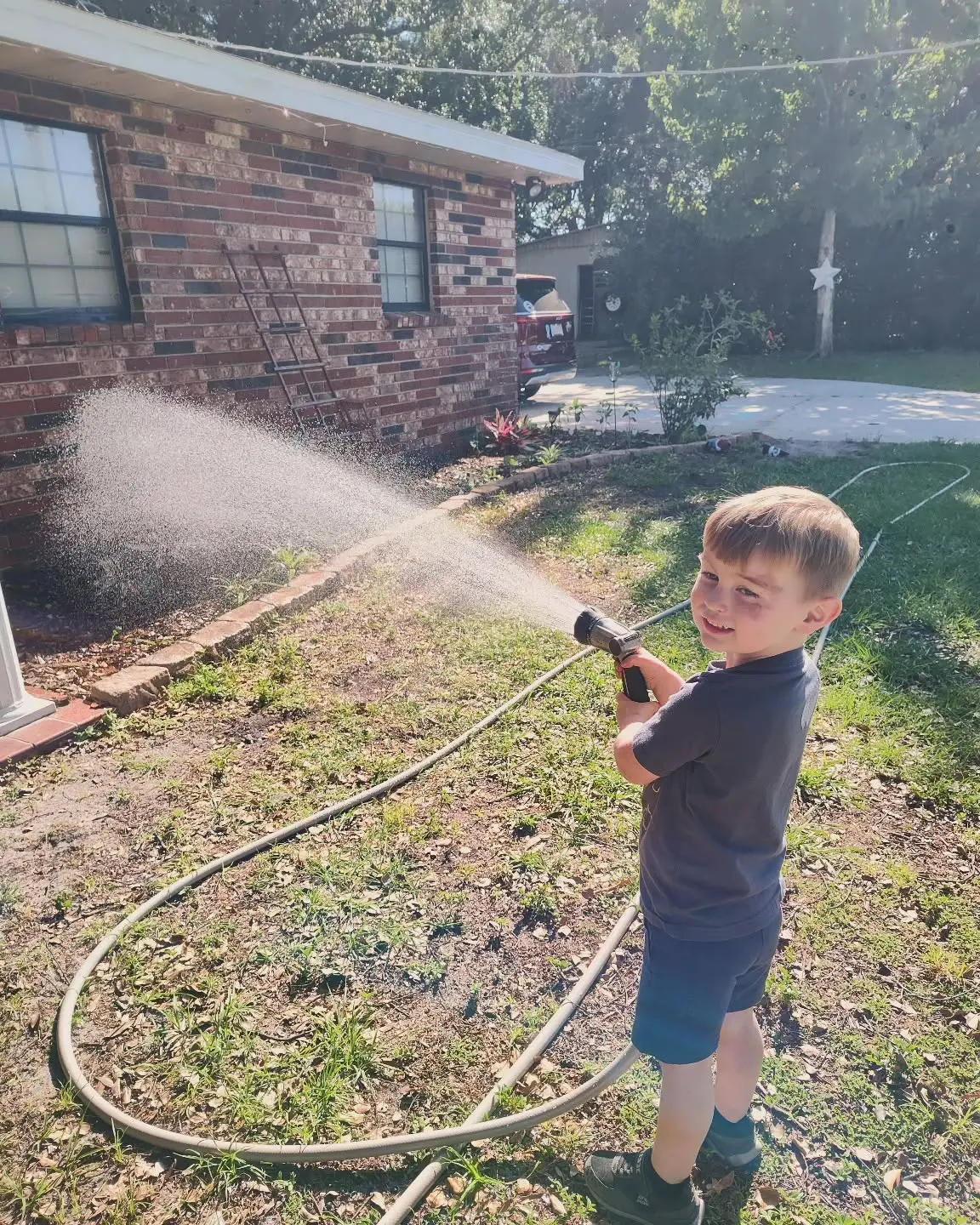
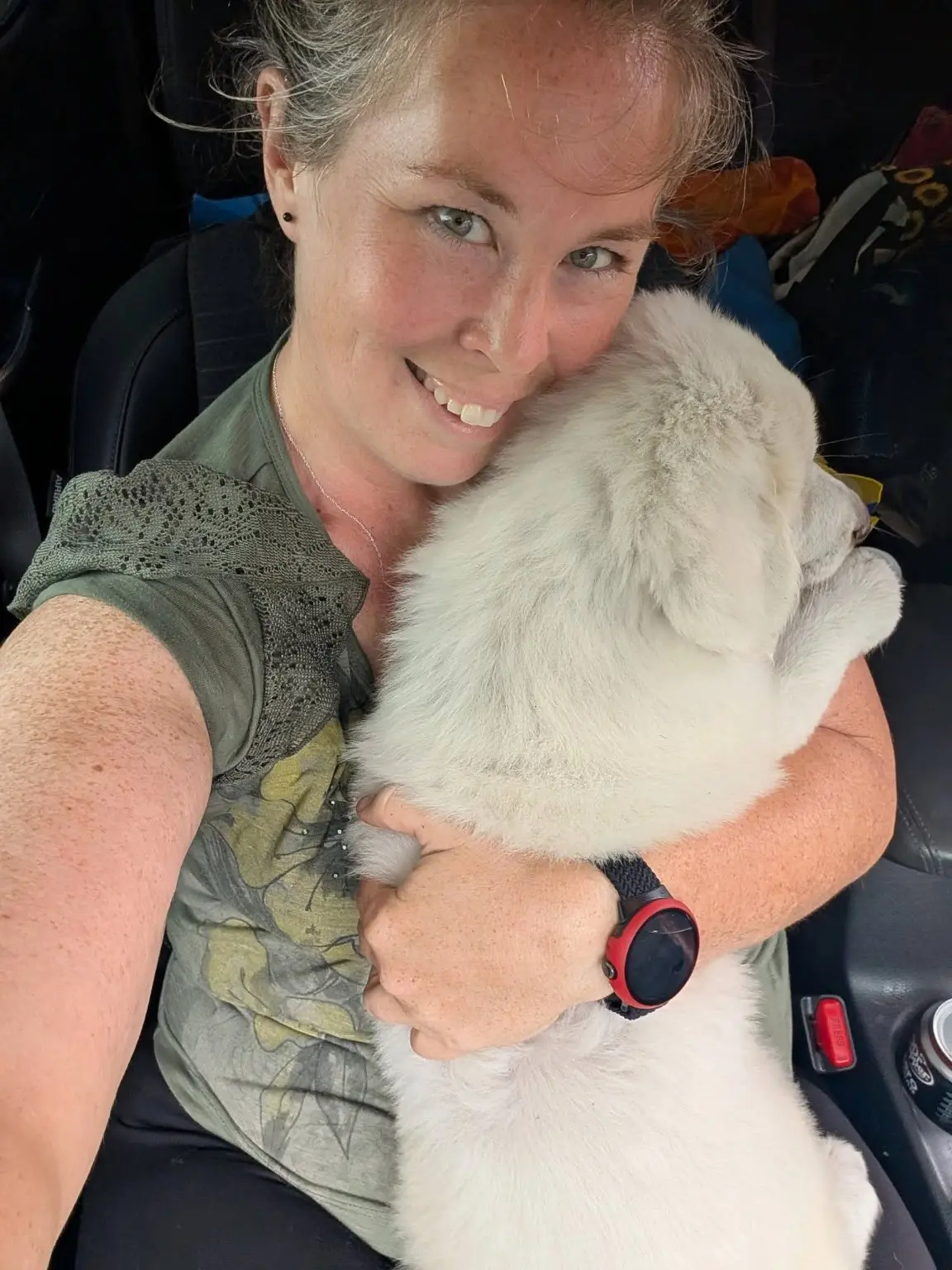
About DiamondTrail Ranch
Our articles begin with an animal, plant, project, measurement, failure, harvest, or change that belongs to this ranch. University and government sources support health, safety, weather, and agricultural facts.
We do not claim that an unbuilt project was tested here or that a general growing idea became a ranch experiment. When the result is still unknown, we say so.