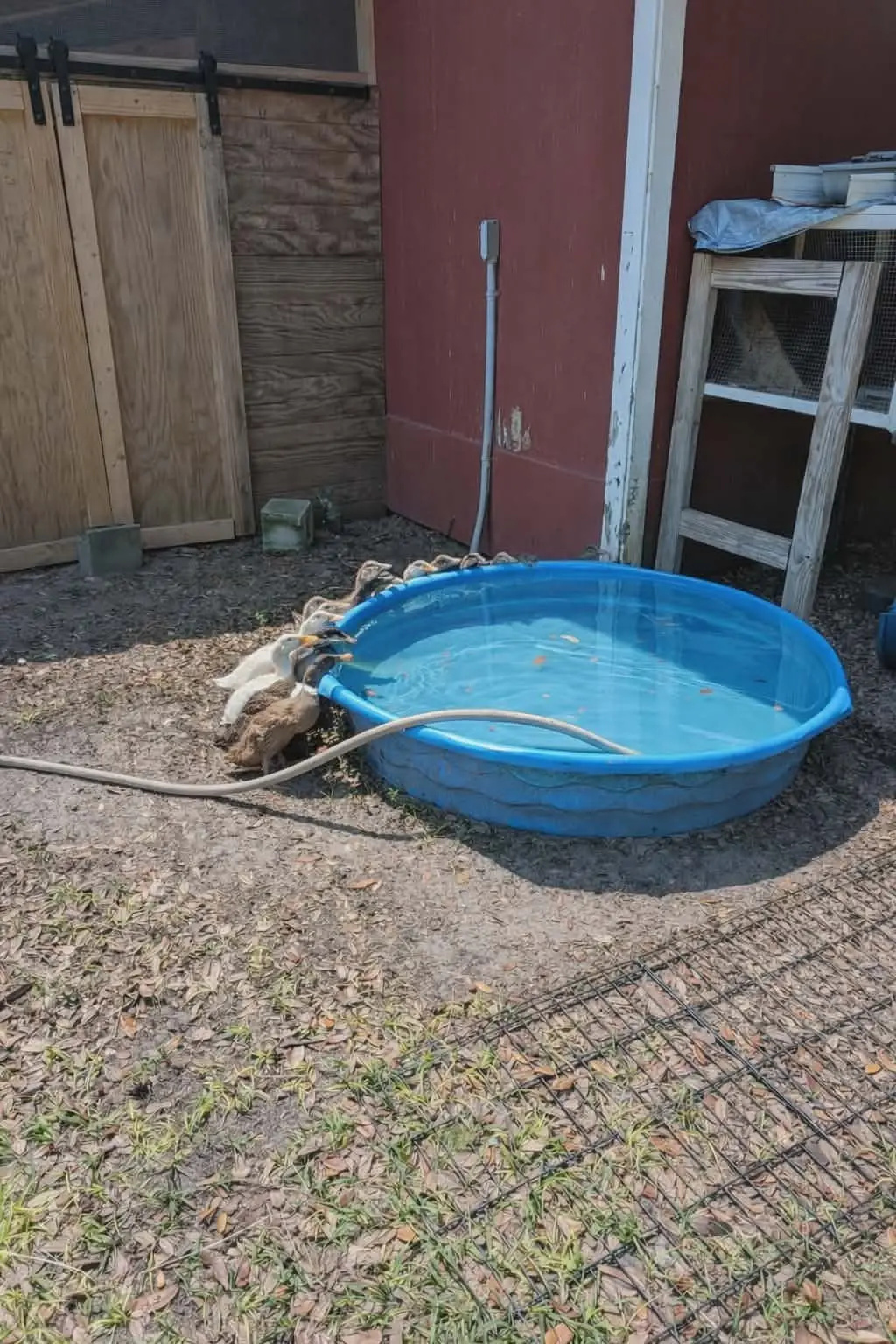
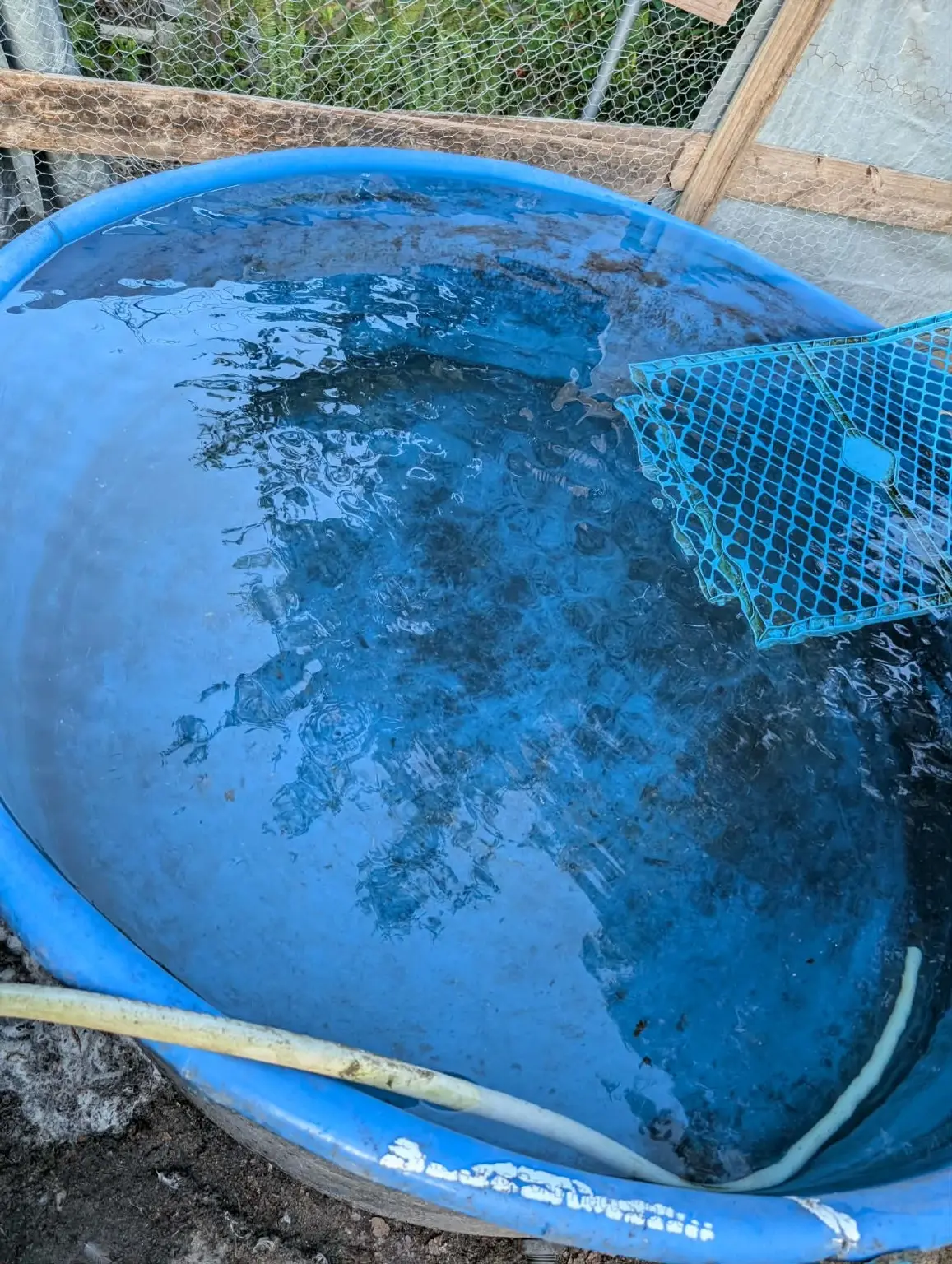
The CDC recommends storing at least one gallon of water per person per day for at least three days and trying for a two-week supply when possible. Hot climates, illness, pregnancy and pets can require more. A homestead must also calculate animal water separately rather than assuming the household amount covers everyone.
Start with these checks
A quick household checklist
01Calculate people and animals separately
02Use food-grade containers intended for water
03Label containers and protect them from heat and chemicals
04Keep a movable portion for evacuation
05Practice moving and dispensing stored water
01
Start with three different water jobs
Drinking and food preparation need the safest supply. Basic hygiene and cleaning may use a different planned supply when authorities say it is appropriate. Animals need their own calculated reserve based on species, size, weather and professional guidance.
Do not count ponds, pools, rain barrels or surface water as automatically drinkable. Water that looks clear can still contain germs or chemicals, and saltwater cannot be made safe by ordinary boiling.
List the daily drinking-water amount for each person.
Ask the appropriate animal professional about realistic species needs.
Add extra capacity for Central Florida heat.
Identify which containers can be lifted when full.
Keep clean dispensing tools with the stored supply.
02
Choose containers the family can actually use
Large containers hold more but quickly become too heavy to move. A mix of commercially bottled water and manageable food-grade containers can make rotation and evacuation easier.
Follow the container manufacturer’s instructions and CDC cleaning guidance. Never use a container that previously held toxic chemicals. Store water away from gasoline, pesticides and other substances that could contaminate it.
03
Treat rotation as a chore, not an emergency
Label every container with its purpose and fill or purchase date. Check for damage, leaks, unusual odors and expired commercial bottles during regular kit reviews.
The best water plan includes access: the correct hose or pump, a clean way to pour, a cart or smaller transfer container and a backup if electricity is unavailable.
Official supporting sources
Verify the details at the source
These links support the general information on this page. During a real incident, find the newest instructions for your exact location.
Affiliate disclosure: As an Amazon Associate I earn from qualifying purchases. If you shop through these links, DiamondTrail Ranch may receive a commission at no additional cost to you.
General educational information—not real-time emergency instruction
This page shares general information and the way our family thinks about preparedness. Conditions and official instructions change. During an emergency, follow current local authorities and qualified professionals. This is not individualized medical, veterinary, legal, electrical or emergency-management advice.