
DiamondTrail Ranch Florida field guide
🏠Florida Chicken Coop Ventilation
Design a predator-secure Florida coop that releases heat, humidity and ammonia without becoming a rain trap.
The direct answer
Start here
A Florida chicken coop should exchange air continuously through protected openings—especially high vents and cross-ventilation—while keeping roosts dry and every opening secured with strong hardware cloth. A sealed coop is unsafe even when it is air-conditioned by wishful thinking.
The Florida difference
Why generic advice is not enough
Heat, humidity, tropical rain, long parasite seasons, sandy soils and hurricane disruptions change how this topic should be managed in Central Florida.
- Warm nights mean the coop may never cool unless heat can escape.
- Humidity and wet litter increase ammonia and respiratory stress.
- Wind-driven rain requires overhangs, louvers or baffled vents rather than closing every opening.
- Florida predators make ordinary window screen and chicken wire inadequate security barriers.
Step-by-step
Practical checklist
Use this as a starting routine, then adjust it for your animals, property, equipment and professional guidance.
- 01
Stand at bird height and smell for ammonia.
- 02
Inspect high vents on at least two sides of the coop.
- 03
Cover every opening with securely fastened hardware cloth.
- 04
Keep roof leaks and waterers from wetting bedding.
- 05
Confirm roosts are outside direct rain and harsh fan drafts.
- 06
Remove dust from fan guards and electrical equipment.
- 07
Check latches and digging barriers after storms.
Understand the whole system
The complete written guide
Separate ventilation from drafts
Ventilation is steady air exchange that removes heat, moisture, dust and ammonia. A harmful draft is concentrated air blowing directly across resting birds, particularly when they are wet or during a sharp cold front. High openings can exchange air while roost placement avoids direct exposure.
Openings on opposing walls create cross-flow. Ridge vents, soffit-style openings and protected upper-wall vents help hot air rise out. The exact layout depends on coop size and roof shape, so observe conditions inside rather than relying on one universal vent measurement.
Design for rain without sealing the coop
Deep roof overhangs, downward-facing louvers and baffles allow air to pass while blocking much of the rain. Removable storm panels can protect the windward side during severe weather while leaving safe ventilation elsewhere.
If bedding repeatedly gets wet, trace whether the source is rain, roof leaks, leaking waterers, ground runoff or crowding. Covering wet litter with more bedding hides the problem and allows ammonia and mold to build.
- Keep the coop above surrounding runoff.
- Use gutters where roof runoff splashes into entrances.
- Replace saturated litter rather than continually burying it.
Add fans safely
Fans are supplemental equipment, not a substitute for openings. Choose equipment suitable for dusty agricultural conditions when possible, mount it securely, protect cords and plugs, and keep it away from water. Clean buildup that reduces airflow or creates a fire risk.
Direct air through the coop or across occupied areas without creating a dead-end pocket. During outages, passive ventilation should still keep the building from becoming a closed hot box.
- Use GFCI-protected power where appropriate.
- Keep extension connections dry and inaccessible.
- Include fan failure in the heat-emergency plan.
Monitor the coop like a living system
Your nose, eyes and flock behavior are valuable indicators. Strong ammonia at bird height, condensation, damp walls, dusty stagnant air, open-mouth breathing at night or birds refusing to enter all deserve investigation.
Seasonal changes matter. Vegetation can block summer airflow, new construction can redirect wind, and plastic used for a winter cold front may remain too long. Reassess after every major change.
Avoidable setbacks
Common mistakes
- Using chicken wire as the predator barrier
- Covering every opening before a cold front
- Mounting a fan where birds reach the cord
- Ignoring roof runoff and wet litter
- Assuming a large door provides overnight ventilation after it is closed
- Packing too many birds into a small sleeping area
From our two-acre Central Florida ranch
What this looks like in real life
Florida rain and predators force us to solve two problems at once: keep air moving and keep the flock secure. We favor protected openings and strong barriers over closing the birds into a stuffy structure.
We also treat the coop as something that needs rechecking after vegetation grows, storms move panels or a repair changes airflow.
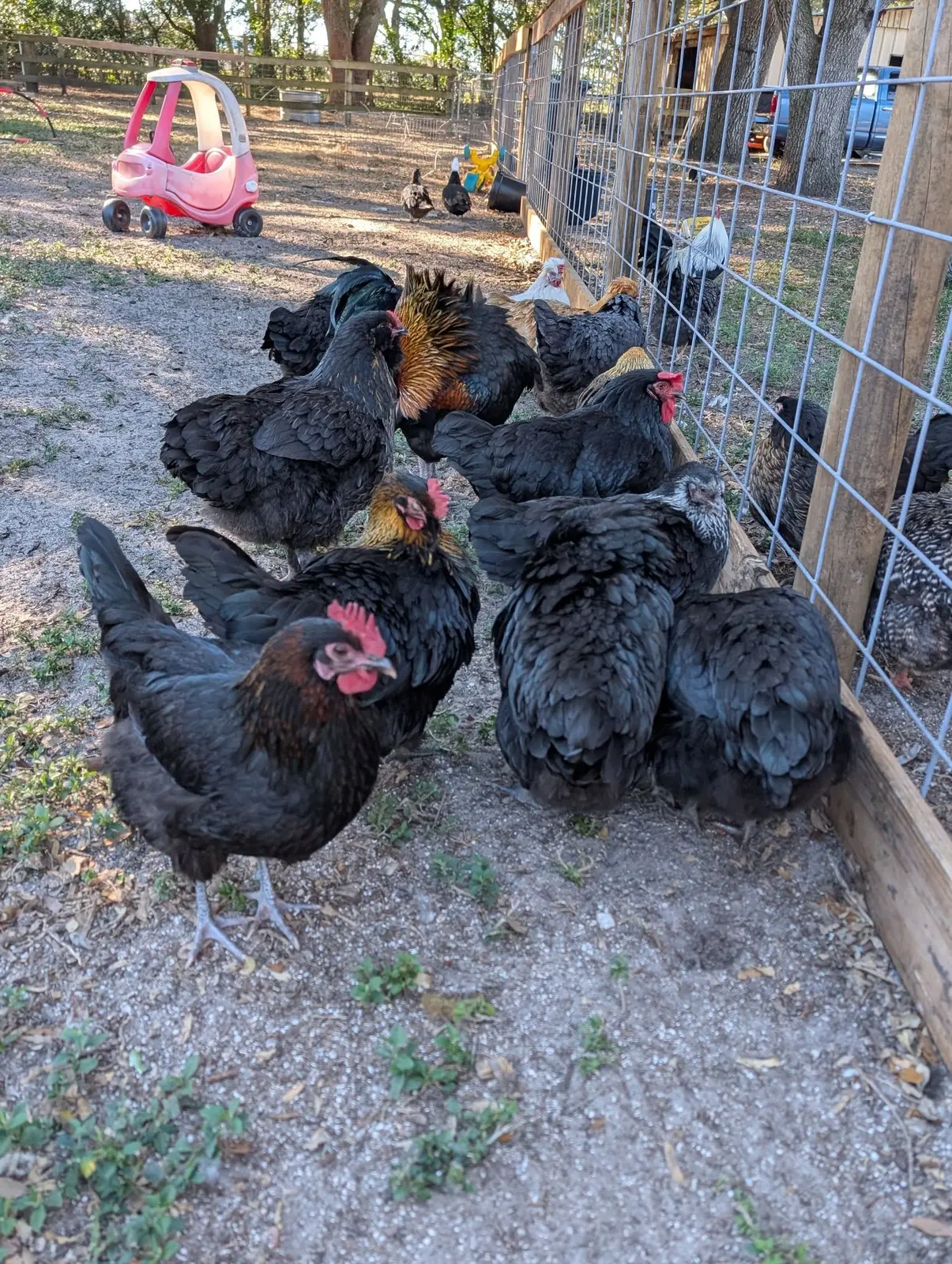
See it from the ranch
The Complete Guide to Backyard Chickens
Written information is most useful when you can connect it to real chores, real animals and the lessons that do not fit inside a checklist.
Continue learning
Related DiamondTrail Ranch resources
Faith. Family. Farming. Freedom.
Practical Florida homesteading—without pretending everything goes perfectly.
Subscribe for the videos that show how these plans work on a real Central Florida family homestead.
Subscribe on YouTube ↗Educational disclaimer: This guide provides general Florida homesteading education. It does not diagnose, prescribe, guarantee outcomes or replace veterinarians, Extension professionals, emergency managers, certified arborists, product labels or responsible local authorities. Conditions vary by animal, property and county; verify time-sensitive decisions directly.