
DiamondTrail Ranch Florida field guide
🐓Keeping Chickens Cool in Florida
A practical Central Florida plan for shade, airflow, water and recognizing when ordinary panting is becoming a heat emergency.
The direct answer
Start here
Florida chickens need all-day shade, unrestricted cool water, strong ventilation and repeated checks during the hottest hours. Cooling should be built into the coop and run—not treated as a last-minute response after birds are already distressed.
The Florida difference
Why generic advice is not enough
Heat, humidity, tropical rain, long parasite seasons, sandy soils and hurricane disruptions change how this topic should be managed in Central Florida.
- Humidity reduces the benefit of evaporative cooling, so airflow remains essential.
- Afternoon sun can reach housing that looked shaded in the morning.
- Daily thunderstorms can cut power, soak bedding and raise humidity immediately afterward.
- Large, heavy, feather-footed, older and broody birds may struggle sooner than light-bodied breeds.
Step-by-step
Practical checklist
Use this as a starting routine, then adjust it for your animals, property, equipment and professional guidance.
- 01
Map shade from noon through sunset.
- 02
Provide at least two shaded water stations and test every nipple or cup.
- 03
Open protected high vents and create cross-flow without allowing predators through.
- 04
Reduce crowding at feeders, waterers and favorite shade areas.
- 05
Freeze backup water containers before extreme-heat days.
- 06
Check the flock early morning, midday, late afternoon and after power failures.
- 07
Record which birds pant first so the vulnerable ones receive extra attention.
Understand the whole system
The complete written guide
Build shade that lasts all afternoon
Natural tree shade is valuable, but it moves. Walk the chicken area during the hottest part of the day and look at where the birds actually gather. A roof, shade cloth or ventilated shelter should block direct sun without trapping hot air underneath.
Dark metal and low solid roofs can radiate heat. Give hot air a place to escape above bird level, and keep shaded resting spots dry enough that birds can dust bathe and rest without standing in mud.
- Prioritize west-facing shade for late afternoon.
- Leave open sides or high vents for moving air.
- Never use a tarp in a way that creates a sealed hot tent.
Make water failure-resistant
Water demand rises quickly in Florida heat. One container can empty, tip, clog or become hot enough that birds avoid it. Redundant systems give the flock another option and buy time between checks.
Place water in shade, clean algae and biofilm regularly, and verify flow with your hand. Electrolytes may have a place during specific stress under label or professional guidance, but they do not replace plain clean water and should not become a reason to ignore the environment.
- Use more capacity than the flock normally consumes.
- Keep plain water available when any additive is offered.
- Store safe backup water for well or power outages.
Use airflow before gadgets
A properly ventilated coop releases heat, moisture and ammonia. Fans can help when installed safely, protected from dust and rain, and positioned so cords cannot be reached by birds. A fan blowing into a closed box is not a ventilation plan.
Misters and evaporative devices work less efficiently in high humidity and can create wet litter. If used, keep the sleeping area dry and watch whether the birds—not just the thermometer—are actually more comfortable.
Read the bird, not only the forecast
Panting and holding wings away from the body are cooling behaviors. Concern rises when panting becomes heavy or persistent, birds stop moving normally, isolate themselves, stumble, appear confused or cannot drink.
Move a distressed bird to a cooler, quiet area, begin safe cooling and contact a veterinarian promptly. Sudden collapse, seizures or severe breathing difficulty is an emergency.
- Compare behavior with each bird's normal baseline.
- Avoid chasing or handling the flock during peak heat.
- Recheck birds after sunset because heat can linger in housing.
Avoidable setbacks
Common mistakes
- Relying on morning shade
- Using only one waterer
- Closing the coop to keep predators out
- Waiting until birds collapse before intervening
- Adding misters that keep bedding wet
- Handling or transporting birds during peak afternoon heat
From our two-acre Central Florida ranch
What this looks like in real life
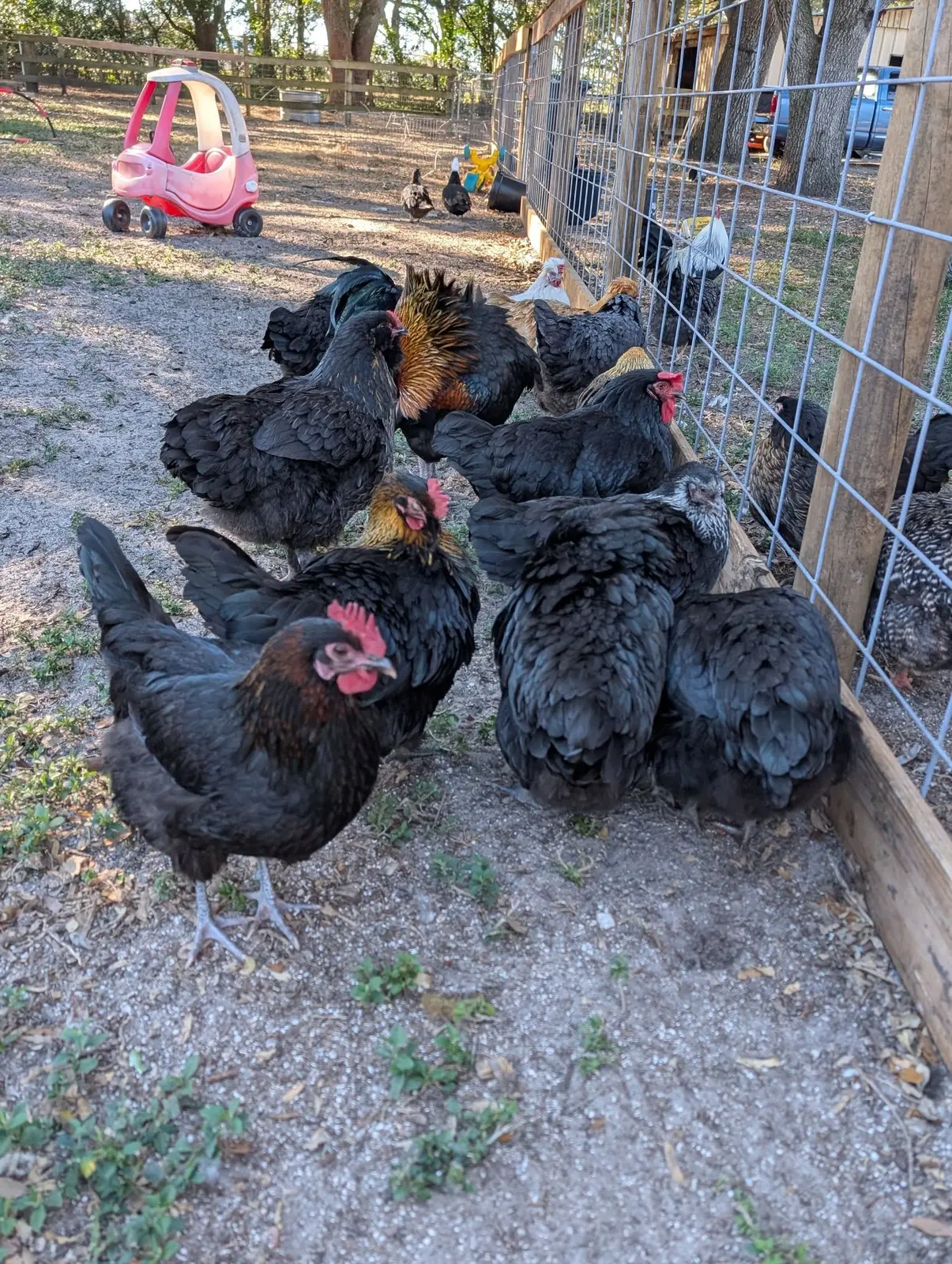
On our Central Florida homestead, heat management is a repeated chore rather than a once-a-day task. We watch where our free-range flock chooses to rest and check water availability during the day—not just when morning chores are finished.
Our practical lesson is that frozen items, fans and temporary fixes can help, but dependable shade, airflow and more than one water source do the real work.
See it from the ranch
How Much Water Do Chickens Need in Hot Weather?
Written information is most useful when you can connect it to real chores, real animals and the lessons that do not fit inside a checklist.
Continue learning
Related DiamondTrail Ranch resources
Faith. Family. Farming. Freedom.
Practical Florida homesteading—without pretending everything goes perfectly.
Subscribe for the videos that show how these plans work on a real Central Florida family homestead.
Subscribe on YouTube ↗Educational disclaimer: This guide provides general Florida homesteading education. It does not diagnose, prescribe, guarantee outcomes or replace veterinarians, Extension professionals, emergency managers, certified arborists, product labels or responsible local authorities. Conditions vary by animal, property and county; verify time-sensitive decisions directly.