
DiamondTrail Ranch Florida field guide
🌳Florida Fruit Trees for Small Homesteads
Choose fruit by chill hours, drainage, mature size, pollination and household value—not by the nursery tag alone.
The direct answer
Start here
The best fruit tree for a small Florida homestead is one matched to your exact winter chill, soil drainage, irrigation, disease pressure and available space. Citrus, low-chill peaches, loquat, mulberry, fig, bananas and selected tropical or subtropical fruits can work, but every species has different limits.
The Florida difference
Why generic advice is not enough
Heat, humidity, tropical rain, long parasite seasons, sandy soils and hurricane disruptions change how this topic should be managed in Central Florida.
- Central Florida can experience both tropical summer conditions and damaging winter freezes.
- Sandy soil drains quickly, while low areas can still flood after heavy rain.
- Fruit marketed simply as “peach,” “blueberry” or “avocado” may require a cultivar that does not match local chill or pollination needs.
- Hurricanes make mature size, branch structure and placement near buildings important.
Step-by-step
Practical checklist
Use this as a starting routine, then adjust it for your animals, property, equipment and professional guidance.
- 01
Measure the planting area's sun and drainage after heavy rain.
- 02
Look up cultivar—not just species—requirements through UF/IFAS.
- 03
Confirm chill hours, pollination needs and mature canopy size.
- 04
Check for overhead wires, septic systems, fences and future shade.
- 05
Plan irrigation for establishment and drought.
- 06
Plant at the correct depth with the root flare visible.
- 07
Mulch broadly but keep mulch away from the trunk.
- 08
Record flowering, fruiting, freeze injury and disease each year.
Understand the whole system
The complete written guide
Start with dependable Central Florida candidates
Low-chill peaches can produce well when the cultivar matches the area and pruning is understood. Citrus remains culturally important but requires awareness of citrus greening and realistic expectations. Loquat, mulberry and fig can offer useful backyard fruit with species-specific pruning and pest needs.
Bananas, Barbados cherry, Jamaican cherry, pineapple and other tropical or subtropical plants can be productive, but freezes may damage tops or delay fruit. Their placement should make protection and recovery manageable.
Match the cultivar to the place
Chill hours matter for deciduous fruit. A cultivar needing more winter cold than the property receives may leaf or flower poorly; one needing very little chill may bloom before a late freeze. Blueberry types and pollination partners also need careful selection.
Ask for the full cultivar name and rootstock. If a nursery cannot identify them, it is difficult to verify whether the tree fits Central Florida.
- Use UF/IFAS cultivar lists as the starting point.
- Confirm whether two compatible plants improve pollination.
- Avoid buying solely because a tree is already holding fruit in a pot.
Design for a small homestead
A two-acre property still fills quickly when livestock, gardens, access lanes and mature tree canopies compete. Place trees where harvest is convenient but falling fruit, roots and branches will not interfere with pens or structures.
Plan maintenance space around each tree. Pruning can manage some size, but repeatedly forcing a large tree into an unsuitable space creates work and weak structure.
Manage water, mulch and nutrition
New trees need consistent establishment water without sitting in saturated soil. Mulch moderates weeds and moisture but should not touch the trunk. Fertilizer timing and amount vary by crop, age, soil and season.
Yellow leaves are not automatically a fertilizer deficiency. Root damage, flooding, drought, pH, pests and disease can look similar, so diagnose before applying large corrective doses.
Expect weather to shape the orchard
Freeze protection is most practical for small or young trees. Water the root zone appropriately, prepare covers that do not crush the plant, and remove or vent them when temperatures rise.
Before hurricane season, remove truly dead or hazardous wood with correct cuts, secure containers and avoid staking trees so rigidly that trunks never develop strength. After a storm, assess splits and root movement before making drastic pruning decisions.
Avoidable setbacks
Common mistakes
- Buying an unnamed cultivar
- Planting too deeply
- Piling mulch against the trunk
- Choosing a tree before checking mature size
- Fertilizing every yellow leaf
- Expecting tropical fruit to ignore Central Florida freezes
From our two-acre Central Florida ranch
What this looks like in real life
Our small orchard includes bananas, peaches, citrus, loquat, cherries, mulberries, pomegranates, blueberries, blackberries, passionfruit, fig and other experiments. Not every plant responds the same way to our sandy soil, rain and occasional freezes.
We have moved blueberries into containers after struggling with pH, watched bananas return from freeze damage and learned that cultivar and placement matter more than simply collecting another fruit tree.
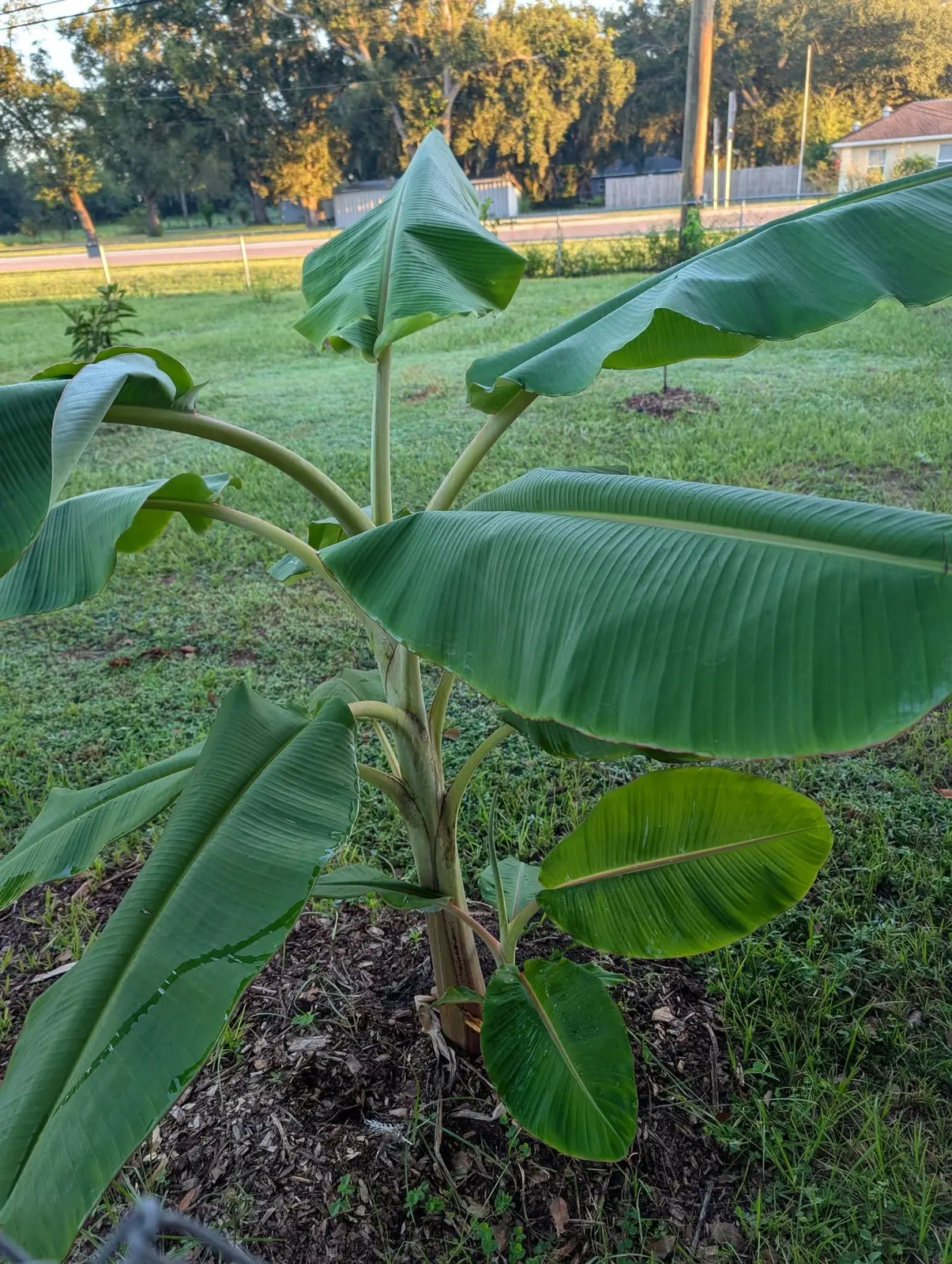
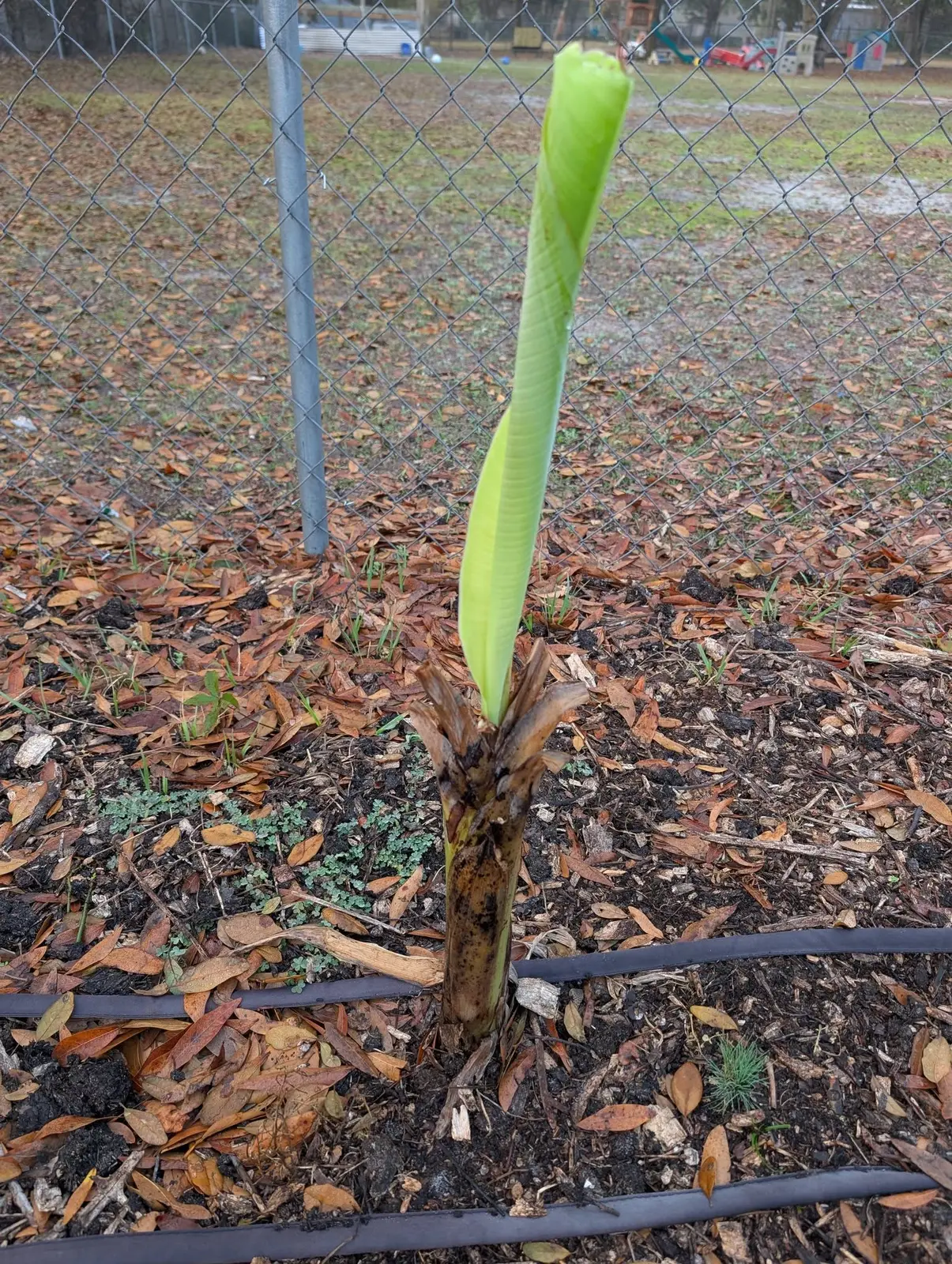
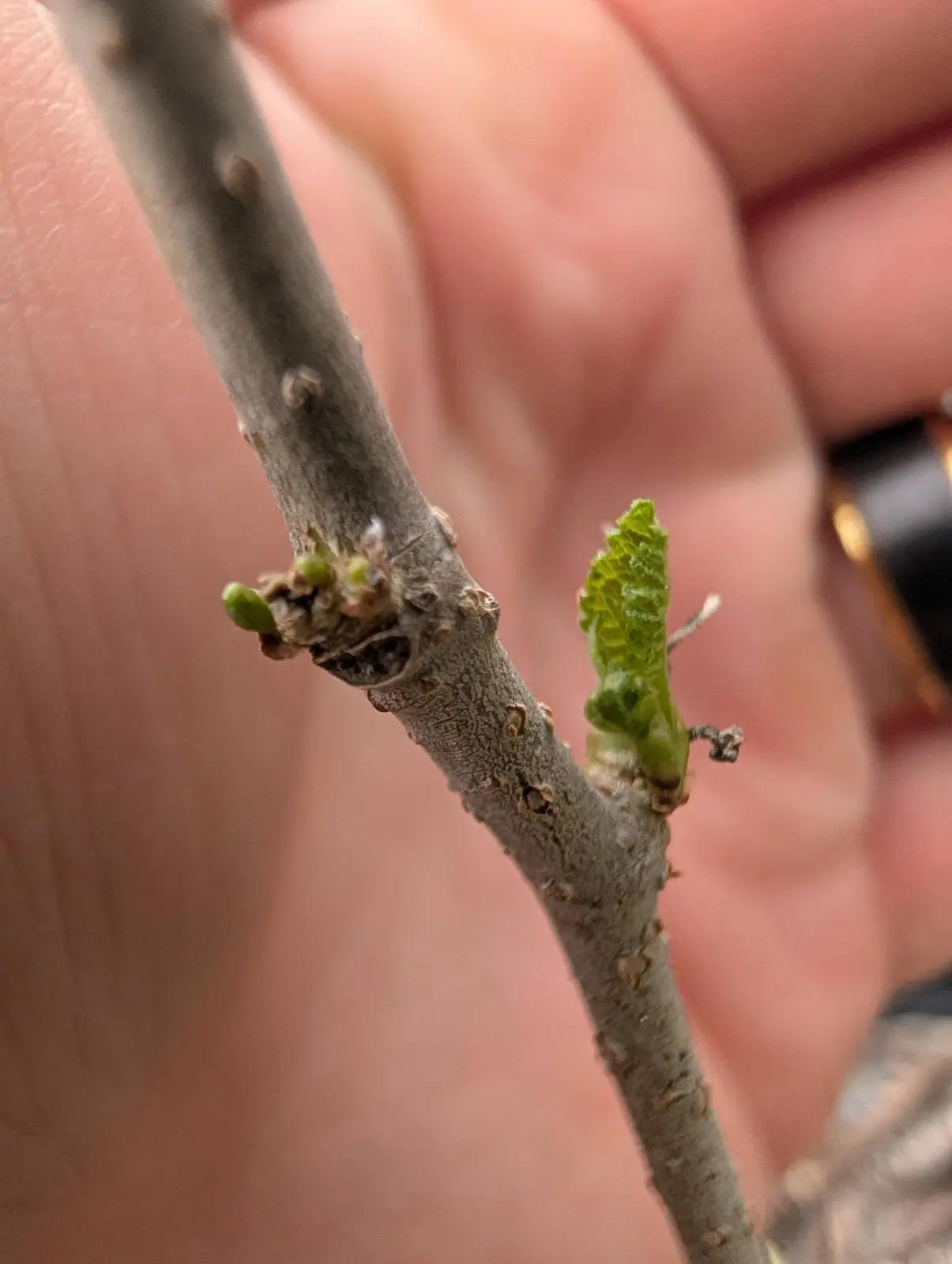
We are building the matching video library alongside these written guides.
See it from the ranch
Florida Fruit Trees & Orchard Videos
Written information is most useful when you can connect it to real chores, real animals and the lessons that do not fit inside a checklist.
Continue learning
Related DiamondTrail Ranch resources
Faith. Family. Farming. Freedom.
Practical Florida homesteading—without pretending everything goes perfectly.
Subscribe for the videos that show how these plans work on a real Central Florida family homestead.
Subscribe on YouTube ↗Educational disclaimer: This guide provides general Florida homesteading education. It does not diagnose, prescribe, guarantee outcomes or replace veterinarians, Extension professionals, emergency managers, certified arborists, product labels or responsible local authorities. Conditions vary by animal, property and county; verify time-sensitive decisions directly.