
DiamondTrail Ranch Florida field guide
🐐Florida Goat Parasite Monitoring
A practical monitoring system for barber-pole worm pressure, FAMACHA, fecals, body condition and selective treatment in Florida's long warm season.
The direct answer
Start here
Do not deworm Florida goats automatically by calendar or after every rain. Monitor individual animals using trained FAMACHA scoring, fecal testing, body condition, weight trends, stool, appetite and behavior, then make treatment decisions with a veterinarian or evidence-based herd plan.
The Florida difference
Why generic advice is not enough
Heat, humidity, tropical rain, long parasite seasons, sandy soils and hurricane disruptions change how this topic should be managed in Central Florida.
- Warm, wet weather can support a long parasite season.
- Heavy rain and lush growth can change exposure quickly, but rain alone does not prove that treatment is needed.
- Repeated blanket deworming accelerates drug resistance.
- Young, pregnant, lactating, stressed or previously affected goats may require closer monitoring.
Step-by-step
Practical checklist
Use this as a starting routine, then adjust it for your animals, property, equipment and professional guidance.
- 01
Learn FAMACHA hands-on from a qualified instructor.
- 02
Create an individual record for every goat.
- 03
Track eyelid score, body condition, weight or heart-girth trend, coat, stool and appetite.
- 04
Collect fresh fecal samples correctly and label them by animal.
- 05
Discuss fecal egg counts and reduction testing with a veterinarian.
- 06
Maintain clean feeders, waterers and browse-height feeding.
- 07
Review pasture rotation and stocking pressure without assuming rotation eliminates larvae.
- 08
Recheck treated animals according to professional guidance.
Understand the whole system
The complete written guide
Use FAMACHA for the job it was designed to do
FAMACHA estimates anemia associated primarily with barber-pole worm pressure. It does not identify every parasite, diagnose every cause of pale membranes or replace a full examination. A goat can have diarrhea, weight loss or poor growth while its eyelids still appear acceptable.
Lighting, technique and individual color differences can alter scores. Formal instruction and regular comparison improve reliability. Record the result rather than relying on memory.
- Score the correct tissue of the lower eyelid.
- Avoid judging color through hair or the upper lid.
- Never let one normal score override a sick goat's other signs.
Build a whole-goat monitoring record
Parasites affect animals differently. Look for changes in weight, body condition, appetite, energy, coat, stool, jawline and ability to keep up with the herd. Small repeated changes often matter more than one dramatic observation.
A scale is helpful, but consistent heart-girth measurements and same-angle photographs can reveal trends. Note major rain events, pasture moves, kidding, weaning and feed changes so patterns become visible.
Use fecals to answer specific questions
A fecal egg count can support a diagnosis and help measure shedding, but it must be interpreted with symptoms, parasite biology and the laboratory method. A fecal egg-count reduction test can help evaluate whether a dewormer is still effective on the farm.
Collect a fresh sample from the identified goat, keep it cool—not frozen—and follow the laboratory or veterinarian's instructions. Pooling samples may hide the animal that needs attention most.
- Test before treating when the animal is stable enough to wait.
- Use the correct follow-up interval for the product and protocol.
- Record drug, dose basis, route, date and response with veterinary guidance.
Reduce exposure without promising elimination
Keep feed off the ground, prevent manure contamination of water and avoid chronic overstocking. Taller browse and rested areas can reduce ingestion compared with grazing very close to the soil, but no pasture trick makes monitoring unnecessary.
Genetics and culling decisions also shape long-term resilience. Repeatedly affected animals deserve veterinary investigation and an honest review of whether the current environment and herd plan meet their needs.
Avoidable setbacks
Common mistakes
- Deworming every goat after rain
- Using FAMACHA as a test for every parasite
- Estimating medication by appearance instead of accurate weight
- Repeating the same product without checking effectiveness
- Treating the herd but never changing contaminated management
- Ignoring the goat that looks sick because its eyelids seem normal
From our two-acre Central Florida ranch
What this looks like in real life
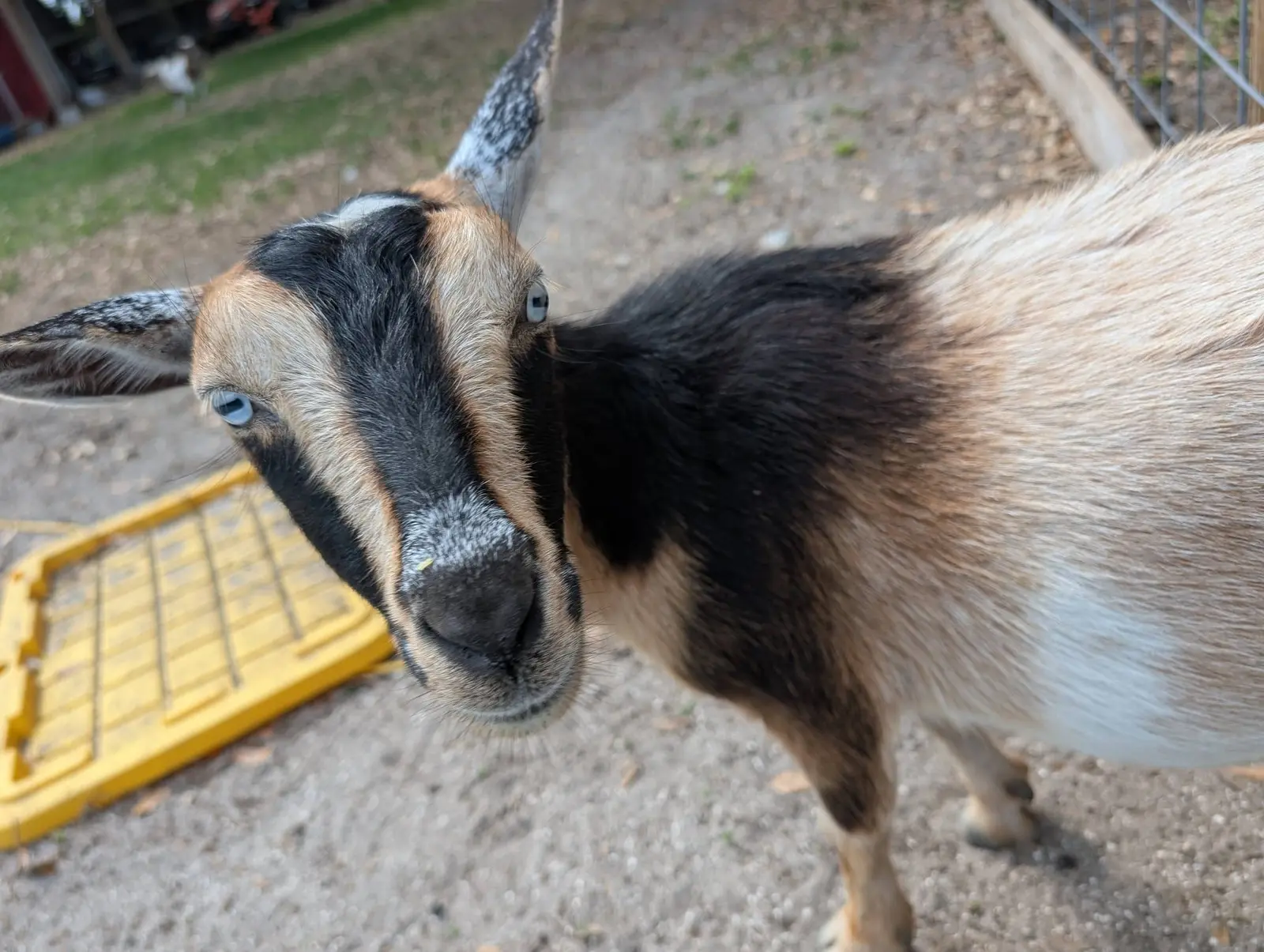
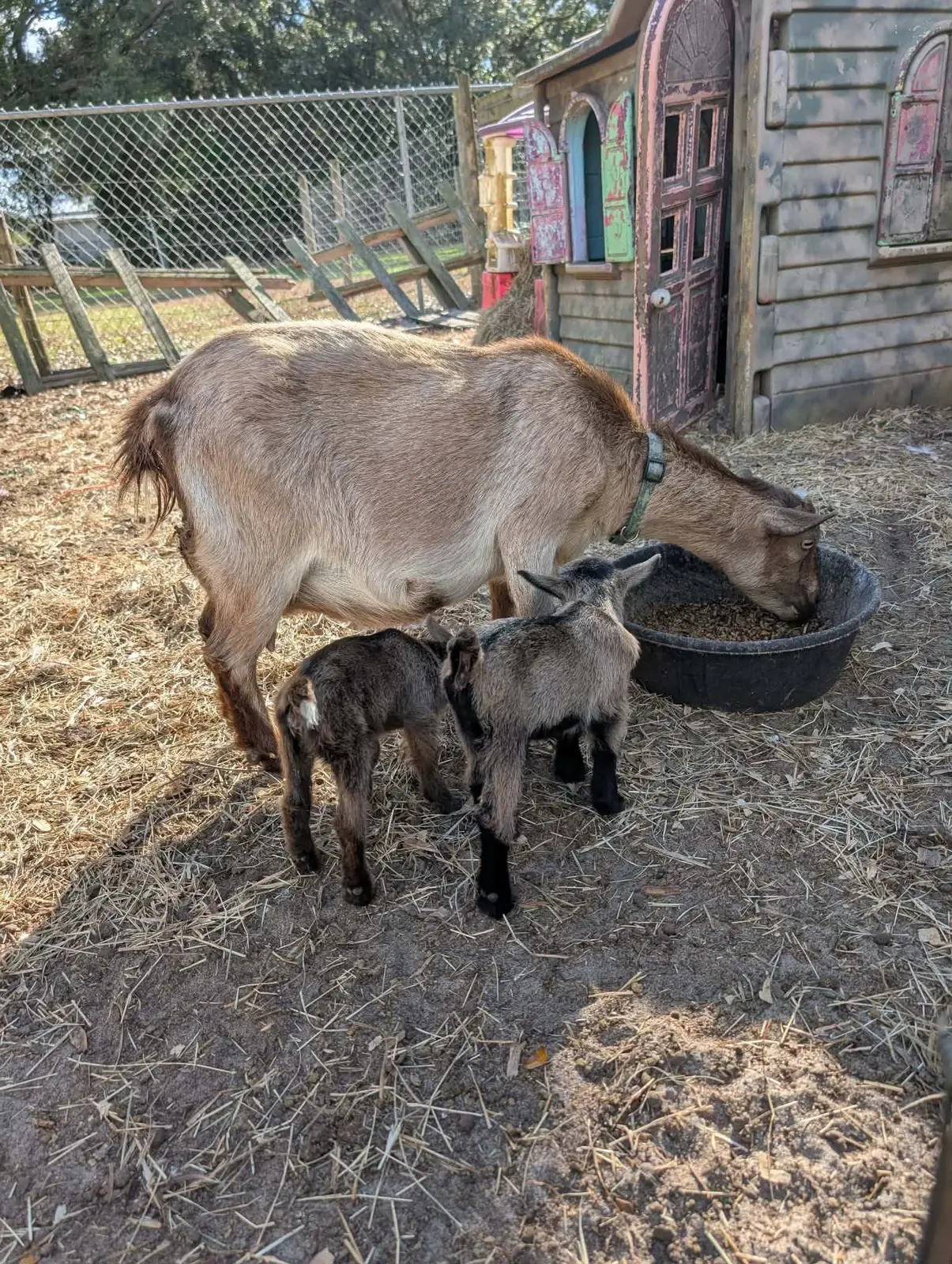
Parasite pressure is not theoretical for us. We have managed goats with anemia and swelling, and that experience reinforced why records, early observation and veterinary input matter more than a blind deworming calendar.
On our ranch, the useful question is not simply “When did we last worm?” It is “What is this individual goat showing us today, and what evidence do we need next?”
See it from the ranch
Goat Secrets: Fighting Deadly Parasites
Written information is most useful when you can connect it to real chores, real animals and the lessons that do not fit inside a checklist.
Continue learning
Related DiamondTrail Ranch resources
Faith. Family. Farming. Freedom.
Practical Florida homesteading—without pretending everything goes perfectly.
Subscribe for the videos that show how these plans work on a real Central Florida family homestead.
Subscribe on YouTube ↗Educational disclaimer: This guide provides general Florida homesteading education. It does not diagnose, prescribe, guarantee outcomes or replace veterinarians, Extension professionals, emergency managers, certified arborists, product labels or responsible local authorities. Conditions vary by animal, property and county; verify time-sensitive decisions directly.