
DiamondTrail Ranch Florida field guide
🌀Hurricane Planning for Backyard Livestock
A species-by-species Florida plan for identification, shelter, evacuation, feed, water, power loss and post-storm hazards.
The direct answer
Start here
Prepare both an evacuation plan and a shelter-in-place plan before hurricane season. Identify every animal, calculate feed and water, choose secure storm locations, practice loading, protect records and decide the trigger that makes you act before roads and weather deteriorate.
The Florida difference
Why generic advice is not enough
Heat, humidity, tropical rain, long parasite seasons, sandy soils and hurricane disruptions change how this topic should be managed in Central Florida.
- Storm surge and river flooding are different from wind risk; know your local evacuation zone and property drainage.
- Forecast tracks change, so preparations should not depend on one cone line.
- Feed stores, roads, wells and electricity may be disrupted after the weather clears.
- Heat stress can become severe when shade structures or fans are lost.
Step-by-step
Practical checklist
Use this as a starting routine, then adjust it for your animals, property, equipment and professional guidance.
- 01
Photograph every animal and record identifying marks.
- 02
Use permanent identification where appropriate and current tags on carriers.
- 03
List evacuation destinations and confirm they accept each species.
- 04
Practice trailer and carrier loading in calm weather.
- 05
Calculate at least several days of protected feed and water with a safety margin.
- 06
Store medications, veterinary records and contacts in waterproof copies.
- 07
Remove loose equipment, dead limbs and unsafe temporary shelters.
- 08
Prepare generator fuel and safe electrical connections.
- 09
Assign one family member to each animal group and checklist.
- 10
Wait for official all-clear information before releasing animals.
Understand the whole system
The complete written guide
Decide evacuation triggers in advance
Evacuation is not always safer if animals are loaded too late. Flood exposure, mobile or weak structures, mandatory orders, medical needs and destination availability all affect the decision. Write down the conditions that trigger movement.
Know more than one route and destination. Call county emergency management, Extension and potential host facilities before the season—not while the storm is approaching.
Build species-specific shelter plans
Poultry and rabbits need secure ventilated confinement protected from wind, floodwater and heat. Goats and pigs need dry footing, strong boundaries and separation options. Cattle and equines require decisions about sturdy shelter versus open safe areas based on the property and official local guidance.
Never confine mixed species together without considering injury, feed incompatibility and stress. Keep livestock guardian or farm dogs transportable even if they normally live with the herd.
Protect feed, water and power
Store feed above likely floodwater, away from rodents and in containers that control moisture without trapping mold. Hay needs airflow and a dry elevated location. Rotate reserves into ordinary use.
A well pump is not a water reserve if electricity fails. Fill safe containers early, protect them from contamination and identify a backup refill source. Operate generators outdoors with safe fuel and carbon-monoxide practices.
Manage the dangerous days after
Downed fences, standing floodwater, displaced wildlife, spoiled feed, sharp debris and heat can threaten animals after the storm. Count every animal before opening pens and inspect the route they will use.
Do not offer flood-exposed feed or assume standing water is safe. Photograph damage, contact authorities about downed utilities and seek veterinary help for injuries or illness.
Avoidable setbacks
Common mistakes
- Waiting for a final forecast track
- Owning a trailer but never practicing loading
- Counting on the well without stored water
- Leaving feed on a flood-prone floor
- Moving animals into an airtight garage
- Releasing animals before fences and debris are checked
From our two-acre Central Florida ranch
What this looks like in real life
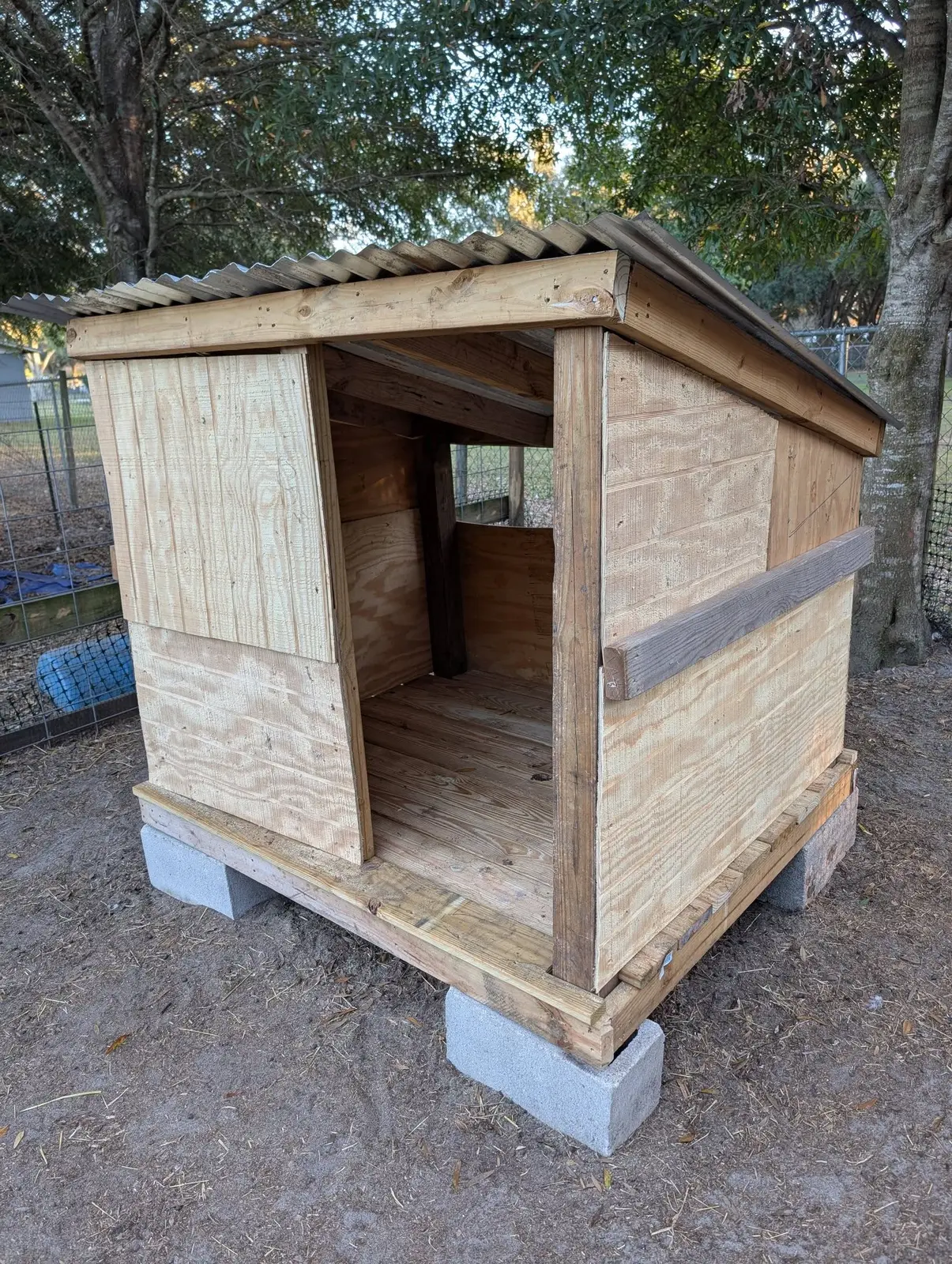
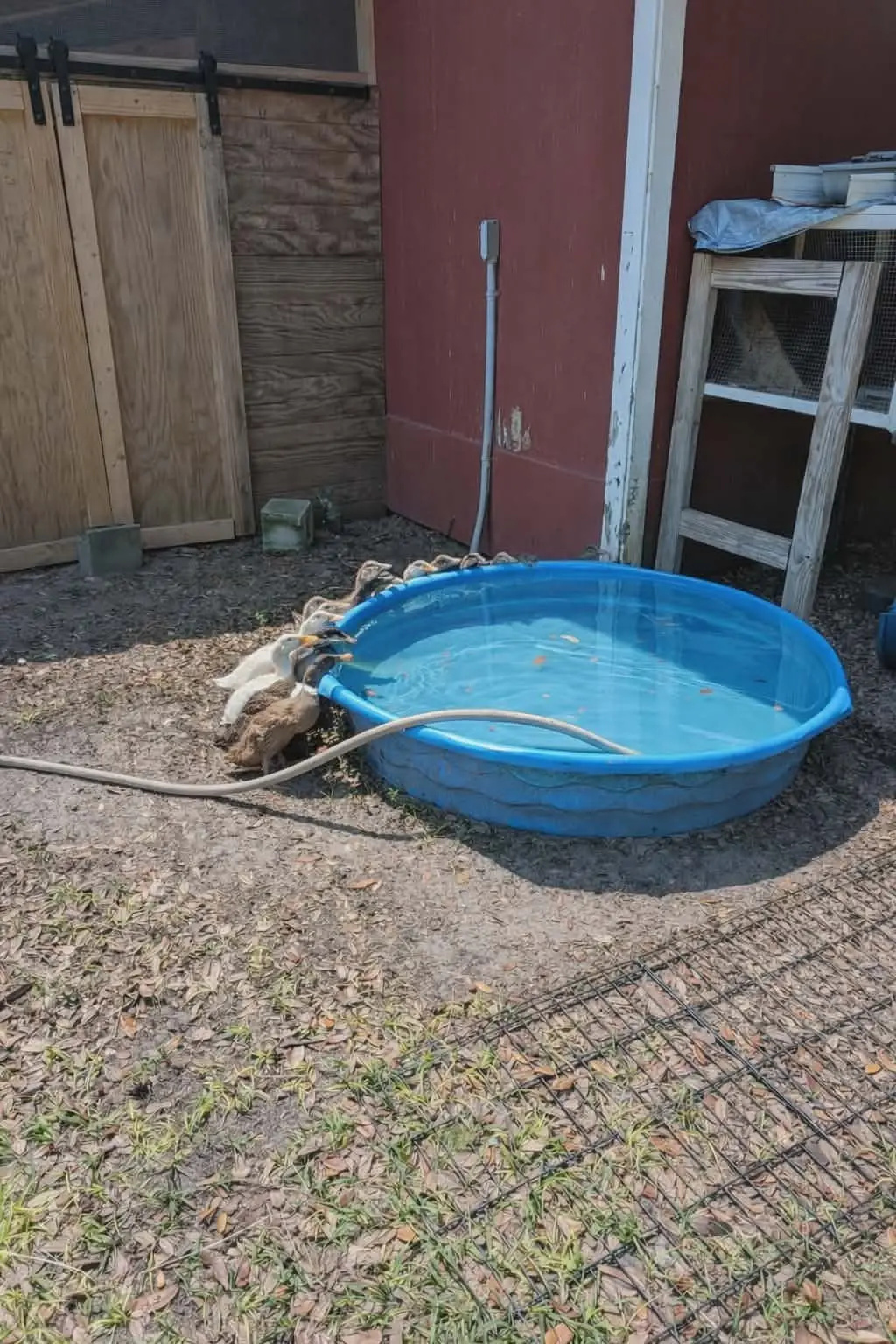
A mixed-species homestead cannot use one generic storm checklist. Chickens, ducks, rabbits, goats, pigs, cattle, horses, a donkey and dogs each need different confinement, feed and transport decisions.
Our approach is to divide the plan by animal group and prepare before the yard is crowded with last-minute chores. Identification, water and secure boundaries stay near the top because they affect every species.
See it from the ranch
Florida Livestock Questions Answered
Written information is most useful when you can connect it to real chores, real animals and the lessons that do not fit inside a checklist.
Continue learning
Related DiamondTrail Ranch resources
Verify and go deeper
Official & trusted sources
Faith. Family. Farming. Freedom.
Practical Florida homesteading—without pretending everything goes perfectly.
Subscribe for the videos that show how these plans work on a real Central Florida family homestead.
Subscribe on YouTube ↗Educational disclaimer: This guide provides general Florida homesteading education. It does not diagnose, prescribe, guarantee outcomes or replace veterinarians, Extension professionals, emergency managers, certified arborists, product labels or responsible local authorities. Conditions vary by animal, property and county; verify time-sensitive decisions directly.