Materials
Gather these supplies
- Tarp or covered storage
- Rated cargo straps
- Gloves
- Written drop-off address, hours and fee
- Receipt folder
 DiamondTrail Ranch
Free step-by-step project guide
A step-by-step way to store, count, transport and deliver unwanted tires without letting them hold mosquito water.
What you are making
Confirm a county or retailer drop-off before loading and keep every tire dry and secure in transit.
Materials
Tools
Measurements
Build it in order
Read the entire plan before making the first cut or hole. The check under each step tells you when it is ready to move forward.
Separate passenger, tractor, bicycle and rim-mounted tires because programs may handle them differently.
Call county solid waste and nearby tire retailers for accepted types, limits, fees and appointment rules.
Store upright under a tight cover and remove existing standing water.
Add estimated tire weights and compare them with payload and cargo dimensions.
Use rated straps to structural cargo points and cover open transport where required.
Follow facility instructions, keep the receipt and update the homestead inventory.
Use and maintenance
Safety boundaries
Build alongside our family
These written plans give you the order and measurements. Our YouTube videos show the ordinary problem-solving, repairs and family work that inspired this library.
Use the rest of the material
Reused materials and sites vary. Inspect every material, follow the manufacturer’s tool instructions and use appropriate protective equipment. Stop and ask a qualified person when structural loads, electrical work, pressurized plumbing, drinking water, hazardous coatings, animal security or local requirements exceed your experience.
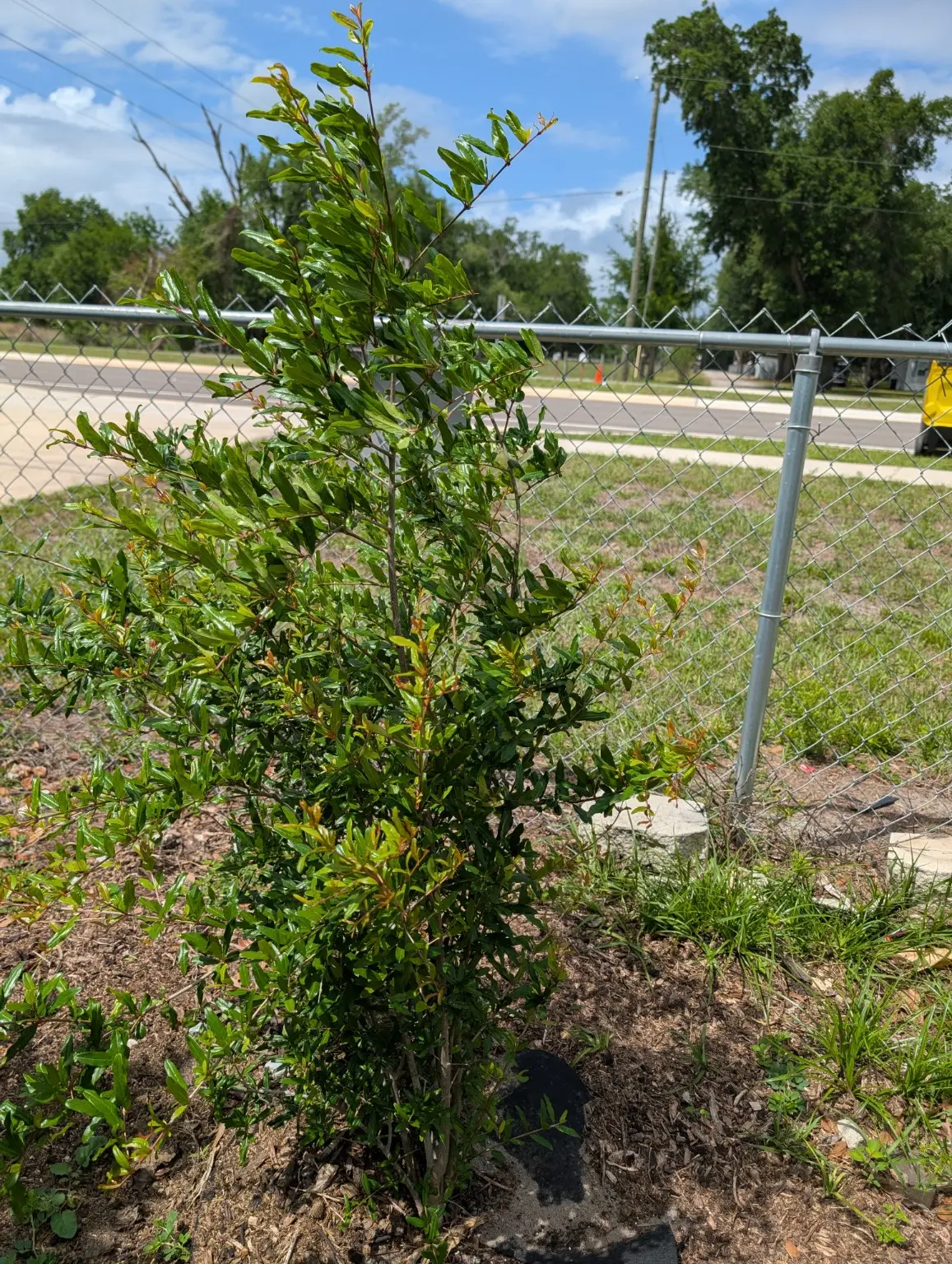 Easy · 1–2 hoursMake a Non-Food Decorative Tire Planter