Materials
Gather these supplies
- Smooth 1×3 frame lumber
- Galvanized welded mesh
- Four legs and diagonal braces
- Retaining strips
- Exterior screws
 DiamondTrail Ranch
Free step-by-step project guide
A raised mesh shelf for curing onions or garlic in shade with moving air and no deep piles.
What you are making
Create a 24 × 48-inch rack with enclosed wire edges and one-bulb-deep airflow.
Materials
Tools
Measurements
Build it in order
Read the entire plan before making the first cut or hole. The check under each step tells you when it is ready to move forward.
Use a shaded, rain-protected, well-ventilated area away from animals and direct sun.
Make a 24 × 48-inch rectangle with a center brace.
Staple mesh, then screw retaining strips over every cut edge.
Fasten four legs and braces so the rack cannot sway.
Brush soil from harvested bulbs without washing them, then place one layer apart.
Check daily, remove soft bulbs and rotate if one side receives less air.
Use and maintenance
Safety boundaries
Build alongside our family
These written plans give you the order and measurements. Our YouTube videos show the ordinary problem-solving, repairs and family work that inspired this library.
Use the rest of the material
Reused materials and sites vary. Inspect every material, follow the manufacturer’s tool instructions and use appropriate protective equipment. Stop and ask a qualified person when structural loads, electrical work, pressurized plumbing, drinking water, hazardous coatings, animal security or local requirements exceed your experience.
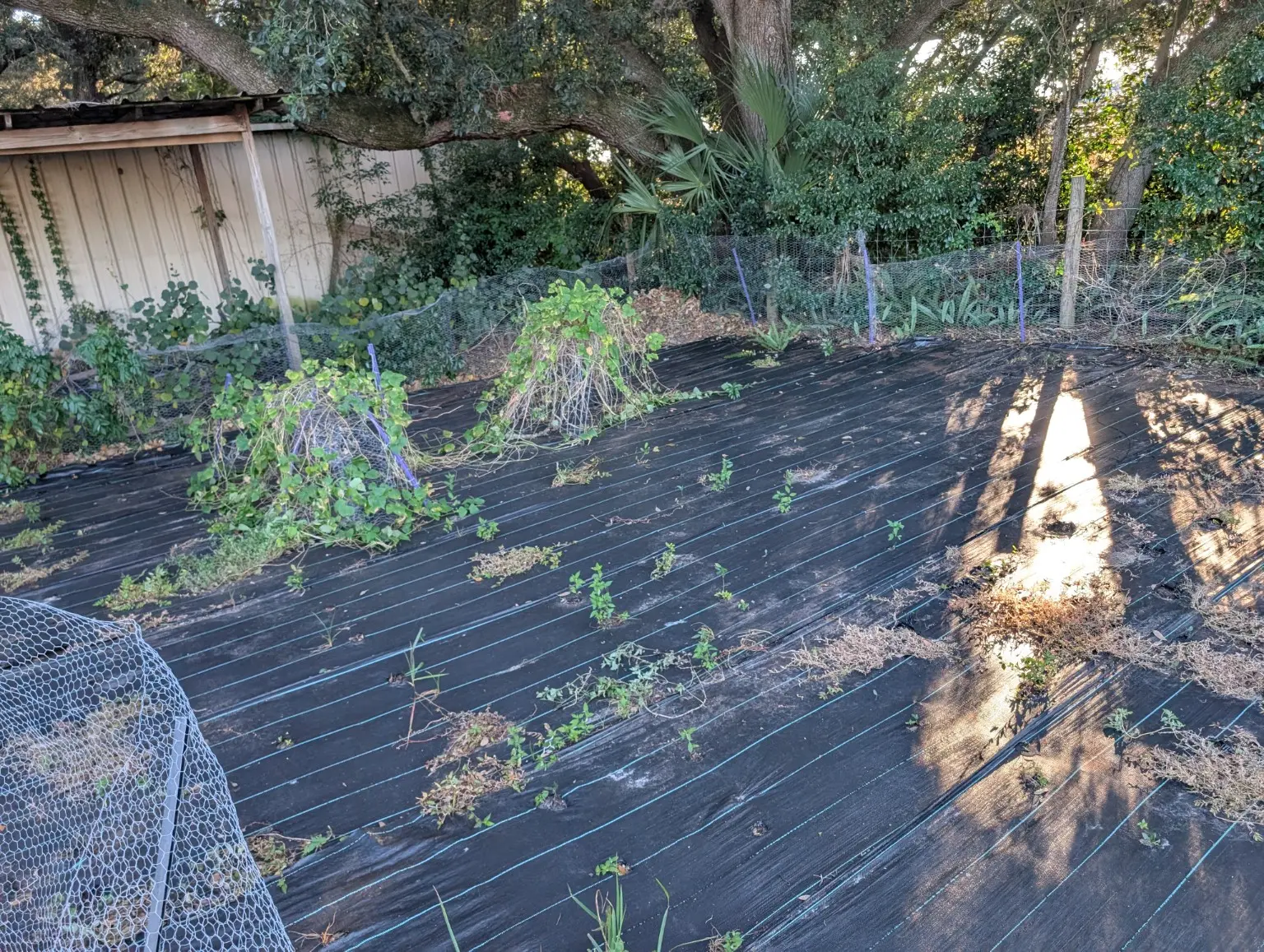 Moderate · 2–4 hoursBuild a Wire Garden Trellis
 Moderate · 1–2 hoursBuild a Hardware-Cloth Compost Screen
 Easy · 45–75 minutesMake a Wide Wire Tree-Trunk Guard