Materials
Gather these supplies
- Untreated exterior wood of the plan’s required thickness
- Exterior screws
- Roofing material if the plan specifies it
- Hinge or clean-out fastener
- Species plan from a wildlife agency or university
 DiamondTrail Ranch
Free step-by-step project guide
How to turn safe wood into a birdhouse or bat-house shell without guessing at dimensions wildlife depend on.
What you are making
Select one target species, obtain an authoritative plan and build its shell exactly to that plan.
Materials
Tools
Measurements
Build it in order
Read the entire plan before making the first cut or hole. The check under each step tells you when it is ready to move forward.
Identify one native species likely to use your habitat rather than building a generic decorative box.
Use a wildlife agency, Audubon chapter, Bat Conservation International or Extension plan.
Mark panels, entrance, vents, drainage and interior texture exactly.
Make clean cuts and drill the exact entrance and vent sizes. Do not add a perch unless specified.
Screw the shell together and include the plan’s hinged or removable cleaning panel.
Follow the plan’s height, sun, orientation and predator-baffle instructions.
Use and maintenance
Safety boundaries
Build alongside our family
These written plans give you the order and measurements. Our YouTube videos show the ordinary problem-solving, repairs and family work that inspired this library.
Use the rest of the material
Reused materials and sites vary. Inspect every material, follow the manufacturer’s tool instructions and use appropriate protective equipment. Stop and ask a qualified person when structural loads, electrical work, pressurized plumbing, drinking water, hazardous coatings, animal security or local requirements exceed your experience.
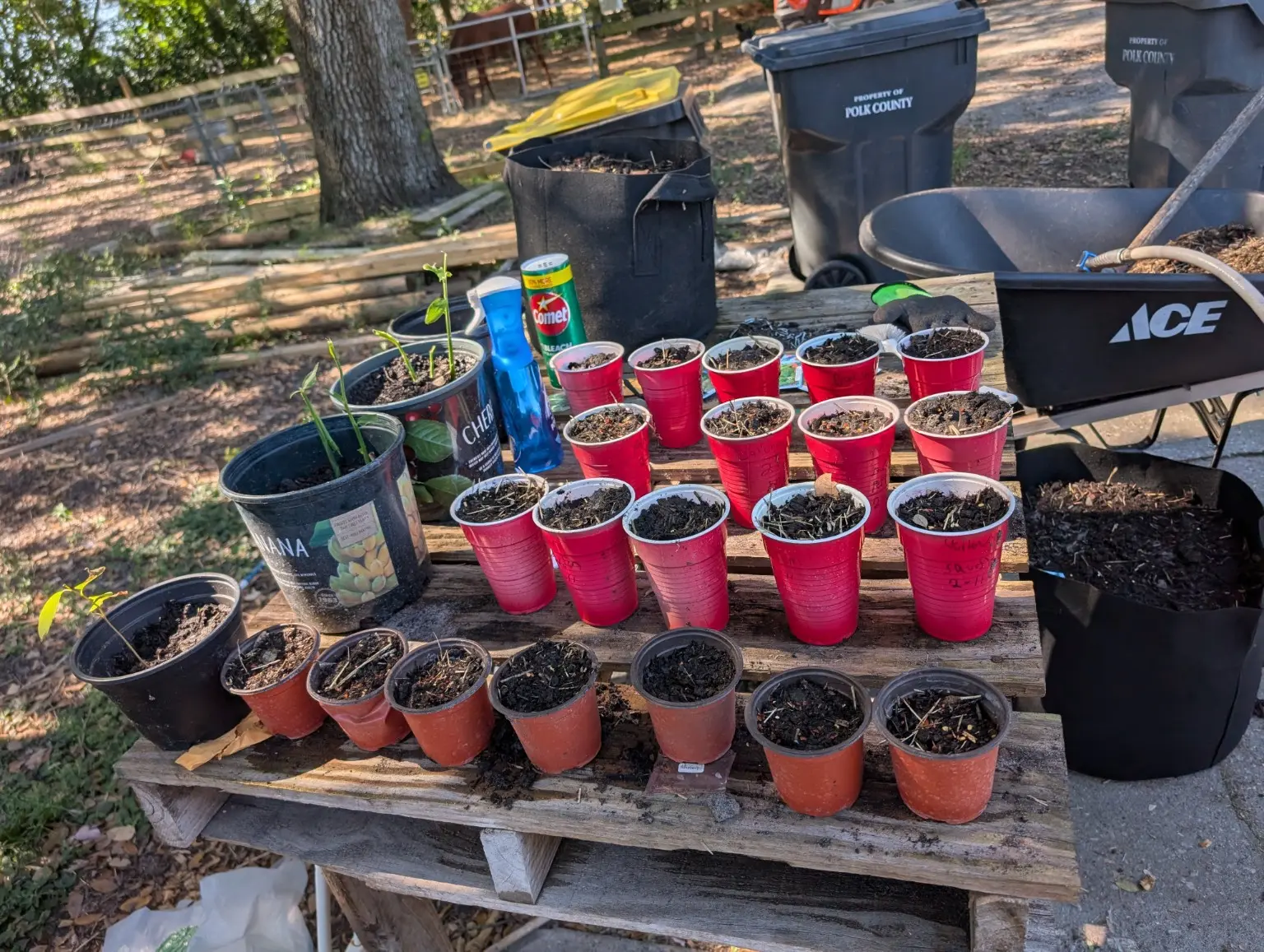 Easy · 45–75 minutesMake Garden Markers from Fence-Picket Scraps
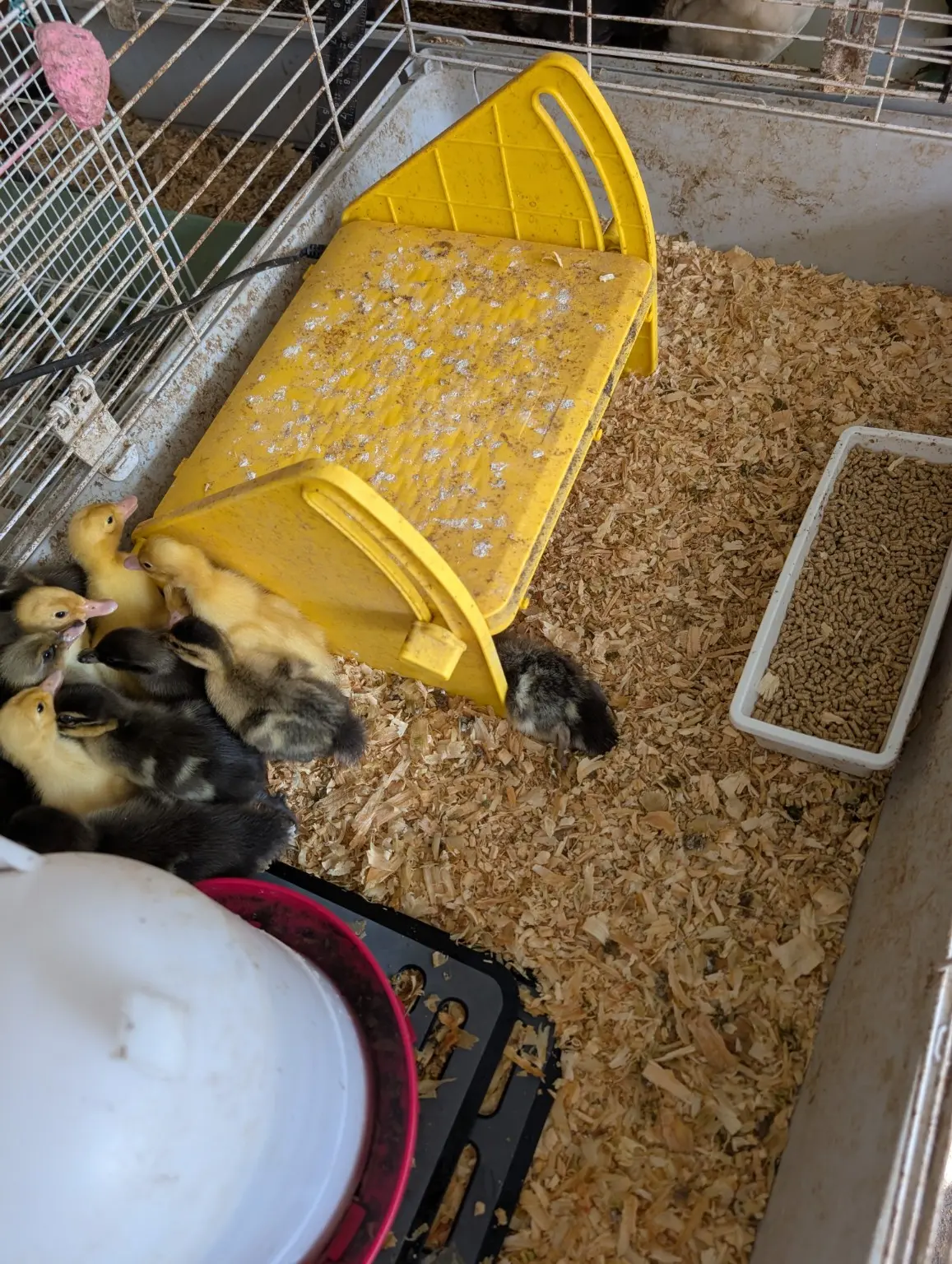 Moderate · 1–2 hoursBuild a Removable Brooder Draft Shield