Materials
Gather these supplies
- Clean fence-picket offcuts
- Exterior paint marker or plant-label pencil
- Exterior clear coat, optional
 DiamondTrail Ranch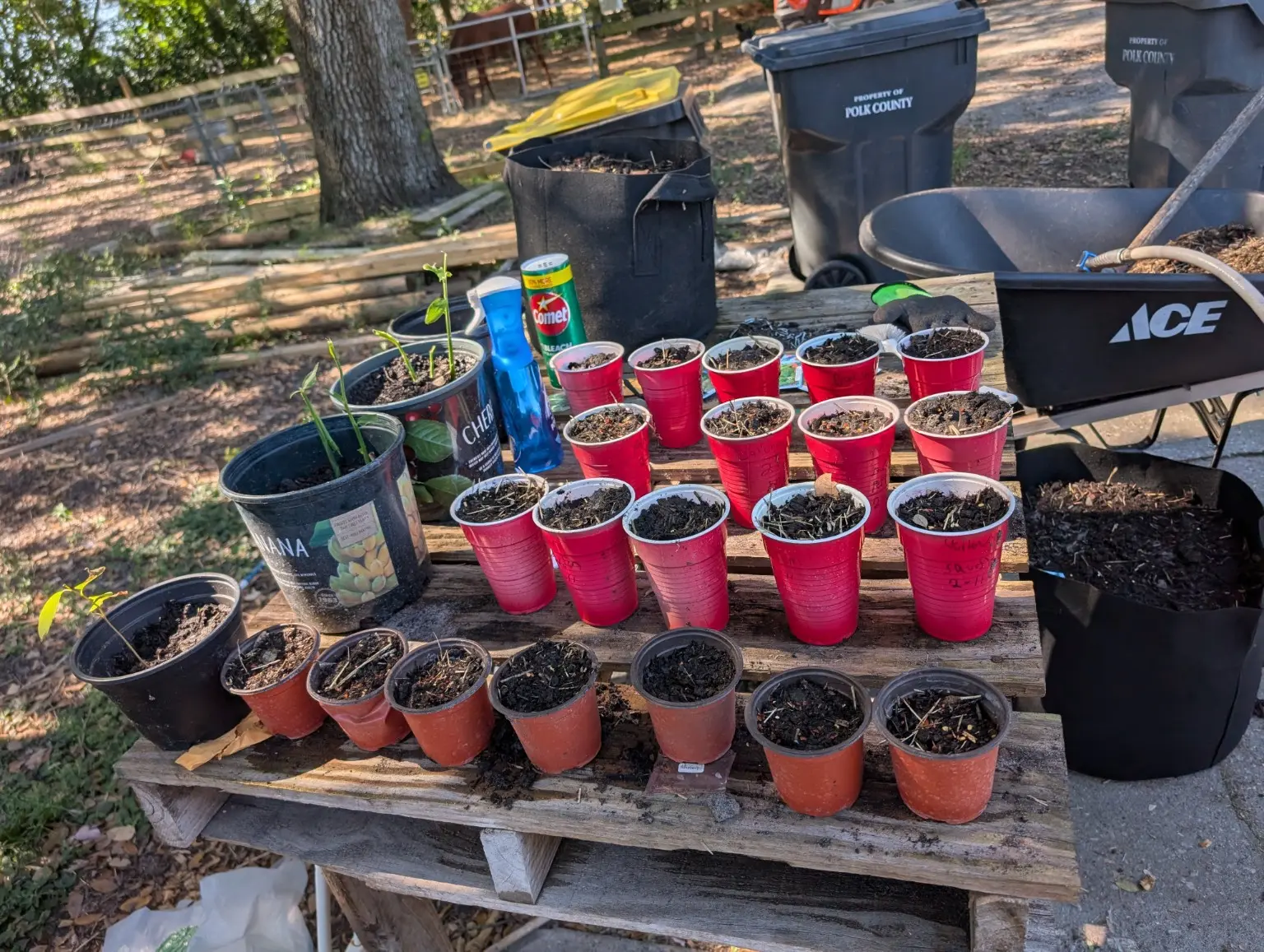
Free step-by-step project guide
Large, readable row and orchard labels that survive watering better than paper tags.
What you are making
Turn sound fence-board offcuts into smooth 16-inch stakes with weather-resistant labels.
Materials
Tools
Measurements
Build it in order
Read the entire plan before making the first cut or hole. The check under each step tells you when it is ready to move forward.
Use dry, sound boards without flaking paint, chemical odor or hidden fasteners.
Crosscut equal 16-inch pieces and mark a centered 3-inch point on one end.
Cut two diagonal lines to make a broad point rather than a fragile needle tip.
Smooth faces and edges. Write the common name, variety and planting year in large letters.
If using clear coat, cover only the label area and follow curing directions away from plants.
Push the marker outside the root crown and irrigation emitter zone.
Use and maintenance
Safety boundaries
Build alongside our family
These written plans give you the order and measurements. Our YouTube videos show the ordinary problem-solving, repairs and family work that inspired this library.
Use the rest of the material
Reused materials and sites vary. Inspect every material, follow the manufacturer’s tool instructions and use appropriate protective equipment. Stop and ask a qualified person when structural loads, electrical work, pressurized plumbing, drinking water, hazardous coatings, animal security or local requirements exceed your experience.
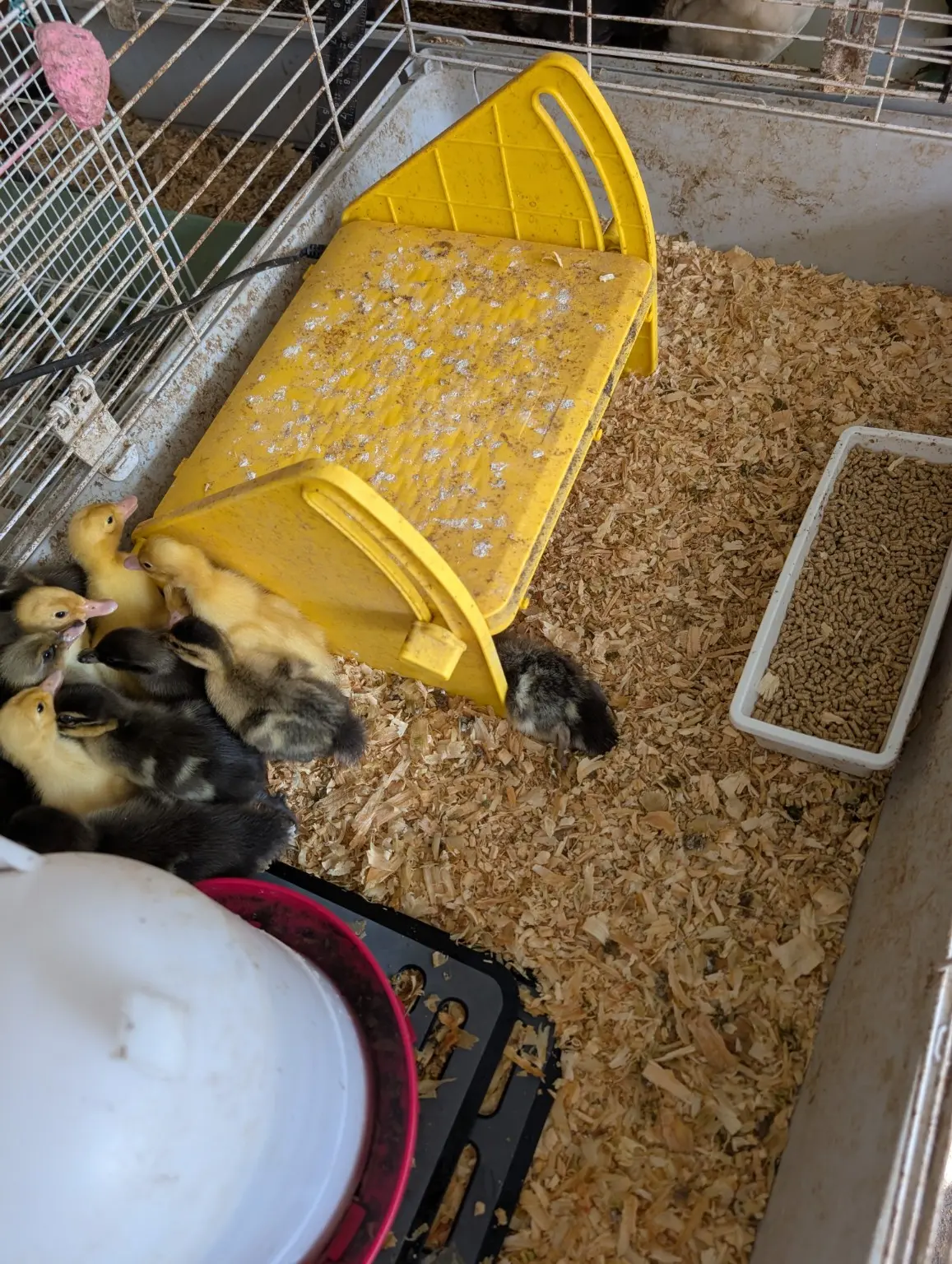 Moderate · 1–2 hoursBuild a Removable Brooder Draft Shield
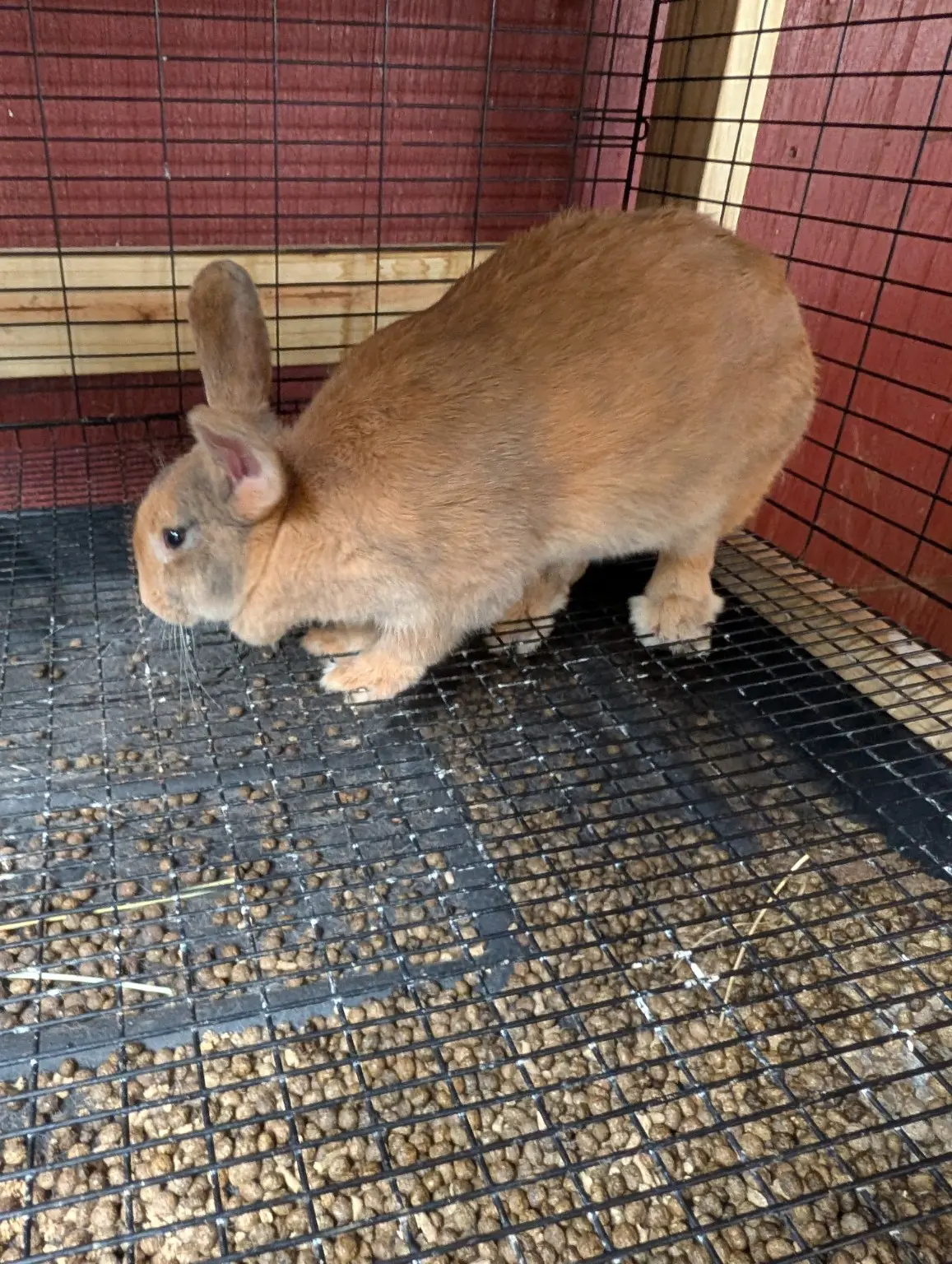 Moderate · 60–90 minutesBuild a Wood Frame for a Rabbit Hay Rack