Materials
Gather these supplies
- Known food-grade barrel with secure lid
- Screened inlet kit
- Full-size screened overflow fitting and hose
- Bulkhead spigot kit
- Rated low base and anchoring hardware
 DiamondTrail Ranch
Free step-by-step project guide
A screened, mosquito-resistant irrigation-water collector with a visible overflow path.
What you are making
Collect roof runoff for appropriate non-potable garden use while keeping the barrel sealed, stable and serviceable.
Materials
Tools
Measurements
Build it in order
Read the entire plan before making the first cut or hole. The check under each step tells you when it is ready to move forward.
Identify original contents, clean according to supplier guidance and reject damaged or unknown barrels.
Evaluate roof material, contaminants, overflow route and access before connecting runoff.
Set a low continuous base on compacted level ground and verify its capacity.
Cut exact openings, deburr, fit the inlet, spigot and an overflow at least as large as the inlet.
Secure the barrel against tipping and direct overflow to a stable drainage area.
Test with a few inches of water, check leaks and level, then fill gradually during rain.
Use and maintenance
Safety boundaries
Build alongside our family
These written plans give you the order and measurements. Our YouTube videos show the ordinary problem-solving, repairs and family work that inspired this library.
Use the rest of the material
Reused materials and sites vary. Inspect every material, follow the manufacturer’s tool instructions and use appropriate protective equipment. Stop and ask a qualified person when structural loads, electrical work, pressurized plumbing, drinking water, hazardous coatings, animal security or local requirements exceed your experience.
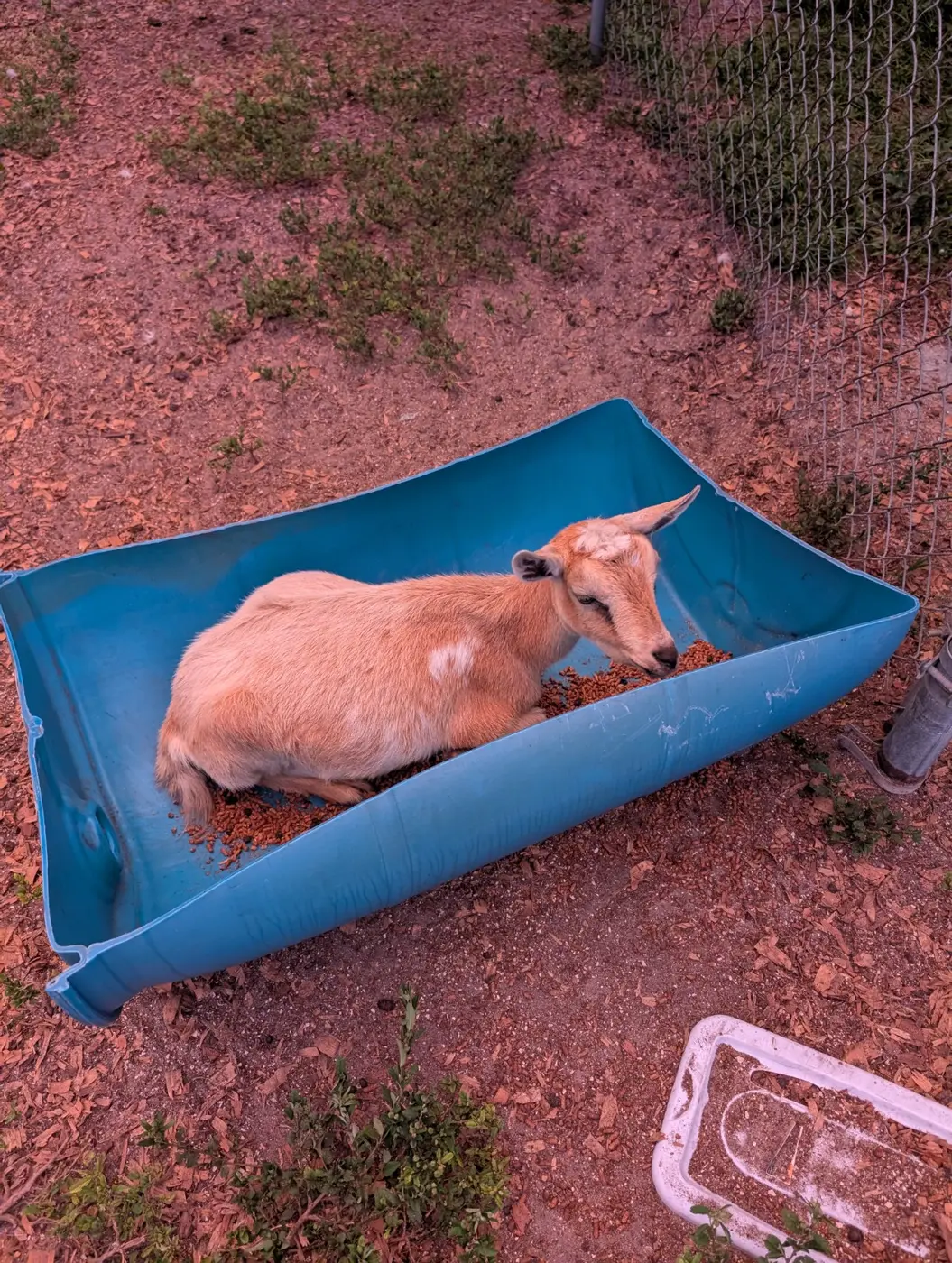 Advanced / get help · 2–3 hoursMake a Smooth Half-Barrel Hay Catch
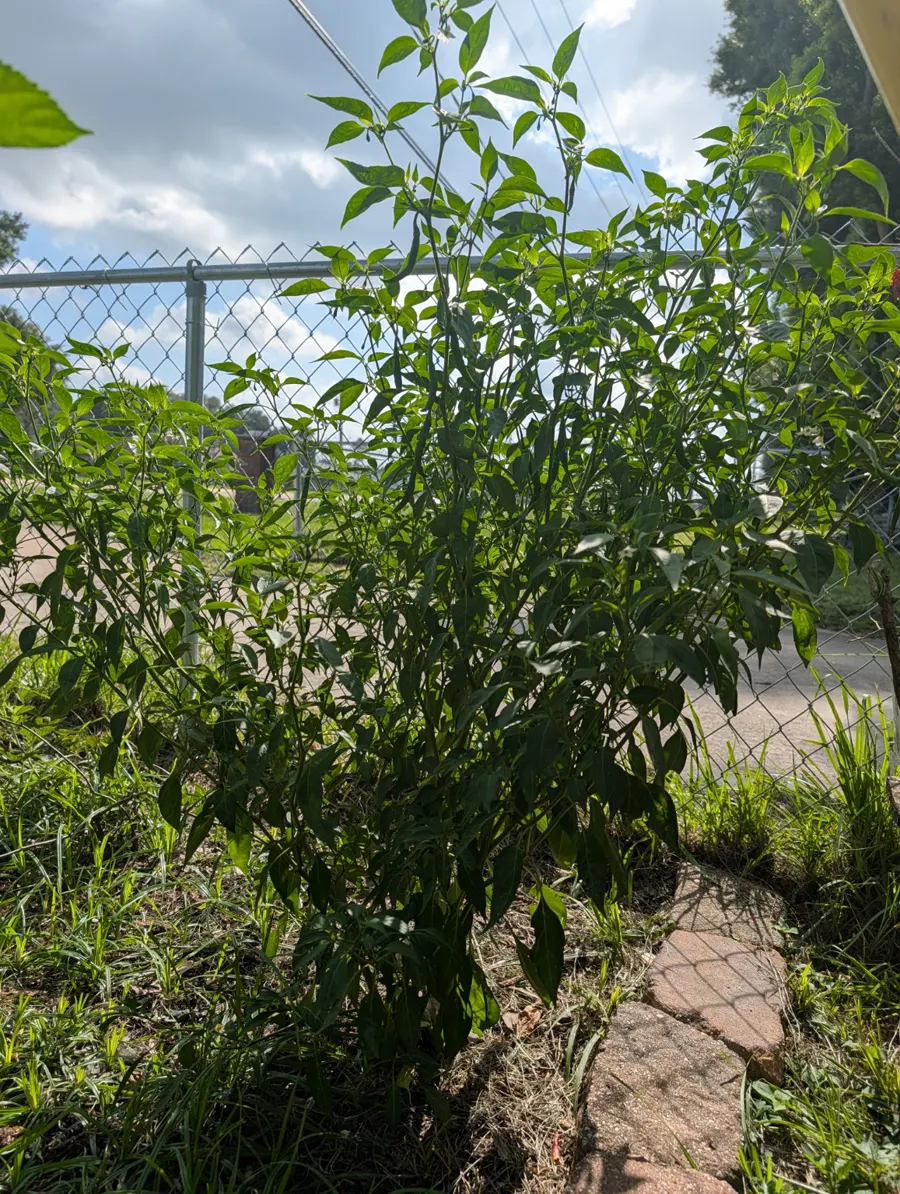 Moderate · 2–3 hoursBuild a Half-Barrel Container Garden
 Advanced / get help · 2–4 hoursPlan a Mobile Orchard-Water Reserve