Materials
Gather these supplies
- Purpose-made rabbit-safe metal hay rack
- Sound untreated lumber
- Exterior screws and washers
- Smooth metal mounting clips
 DiamondTrail Ranch
Free step-by-step project guide
A smooth exterior frame that supports a purpose-made metal hay rack above the floor.
What you are making
Build a mount around a commercial rack without creating head traps, chewable fasteners or sharp wire edges.
Materials
Tools
Measurements
Build it in order
Read the entire plan before making the first cut or hole. The check under each step tells you when it is ready to move forward.
Select a rack designed for rabbits with openings that do not trap heads or feet.
Choose a dry location with easy refill access and no interference with doors or resting space.
Make two vertical and two horizontal rails around the measured rack opening.
Predrill and screw the frame together on a flat surface. Sand all corners thoroughly.
Use smooth clips and washers from the service side; cover or reverse any protruding hardware.
Secure to structural enclosure framing, add hay and observe normal eating posture.
Use and maintenance
Safety boundaries
Build alongside our family
These written plans give you the order and measurements. Our YouTube videos show the ordinary problem-solving, repairs and family work that inspired this library.
Use the rest of the material
Reused materials and sites vary. Inspect every material, follow the manufacturer’s tool instructions and use appropriate protective equipment. Stop and ask a qualified person when structural loads, electrical work, pressurized plumbing, drinking water, hazardous coatings, animal security or local requirements exceed your experience.
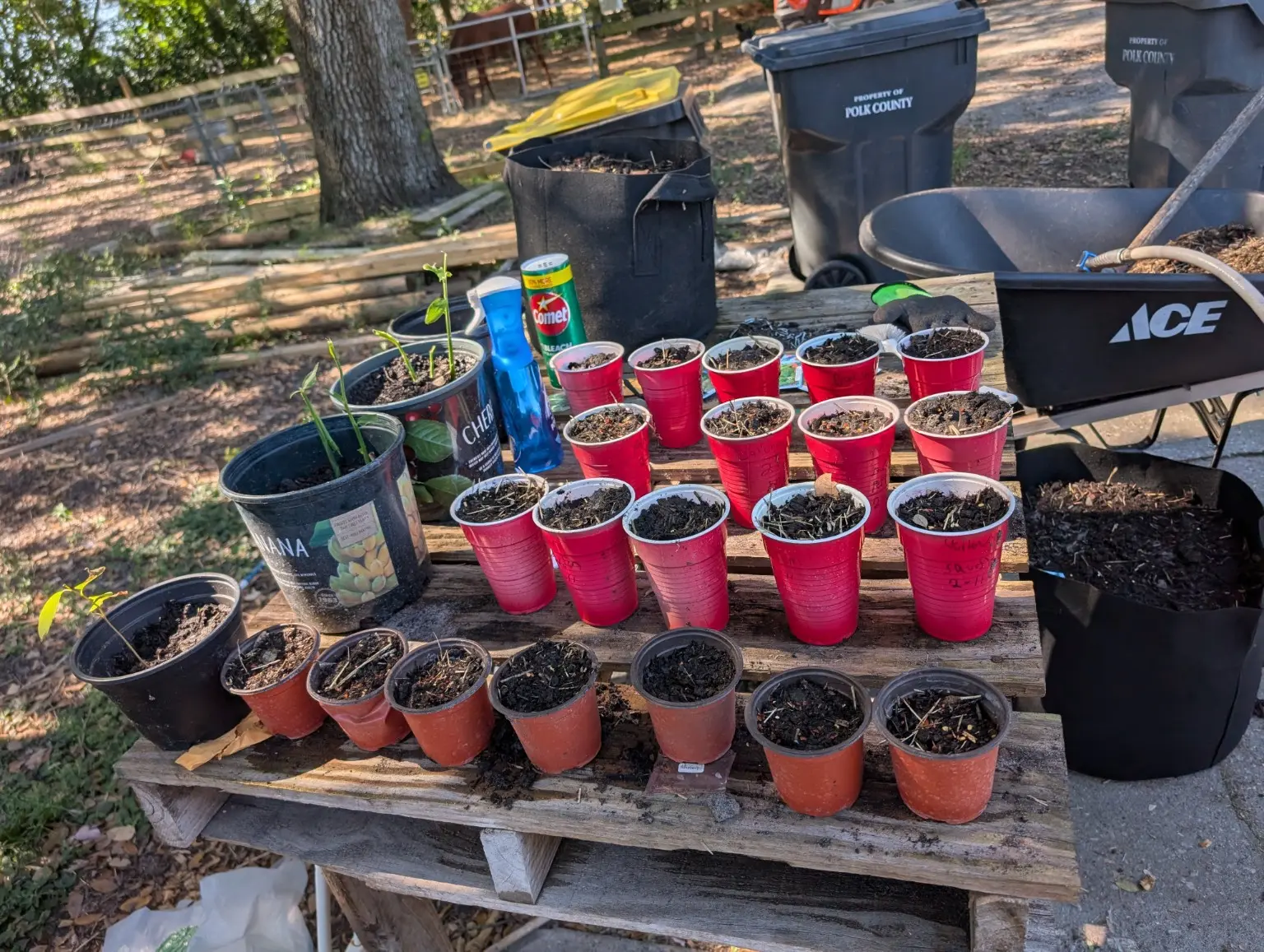 Easy · 45–75 minutesMake Garden Markers from Fence-Picket Scraps
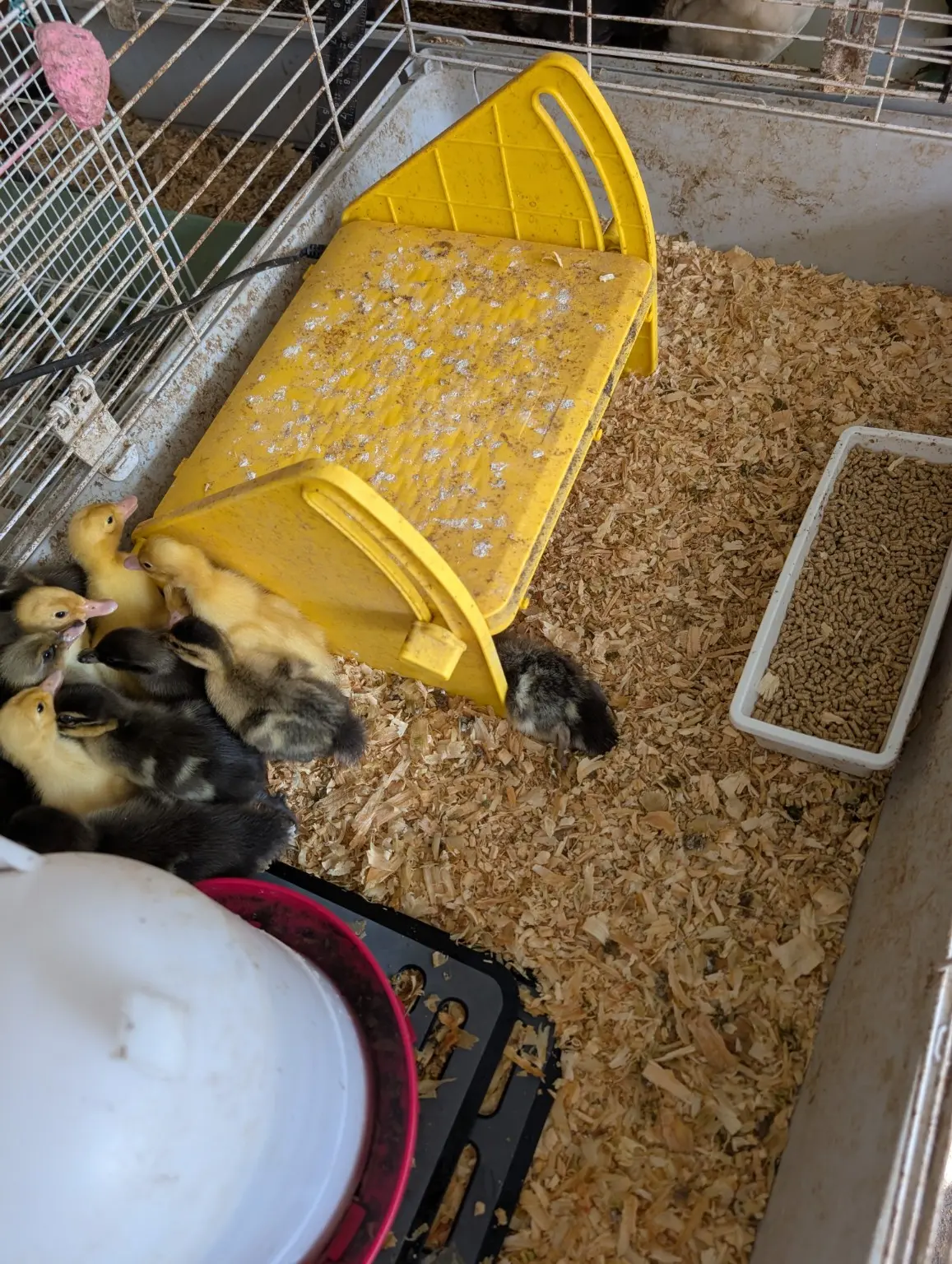 Moderate · 1–2 hoursBuild a Removable Brooder Draft Shield