Materials
Gather these supplies
- Sound bucket and tight lid
- Large NON-POTABLE WATER labels
- Contrasting paint marker
- Dedicated measuring pitcher, optional
 DiamondTrail Ranch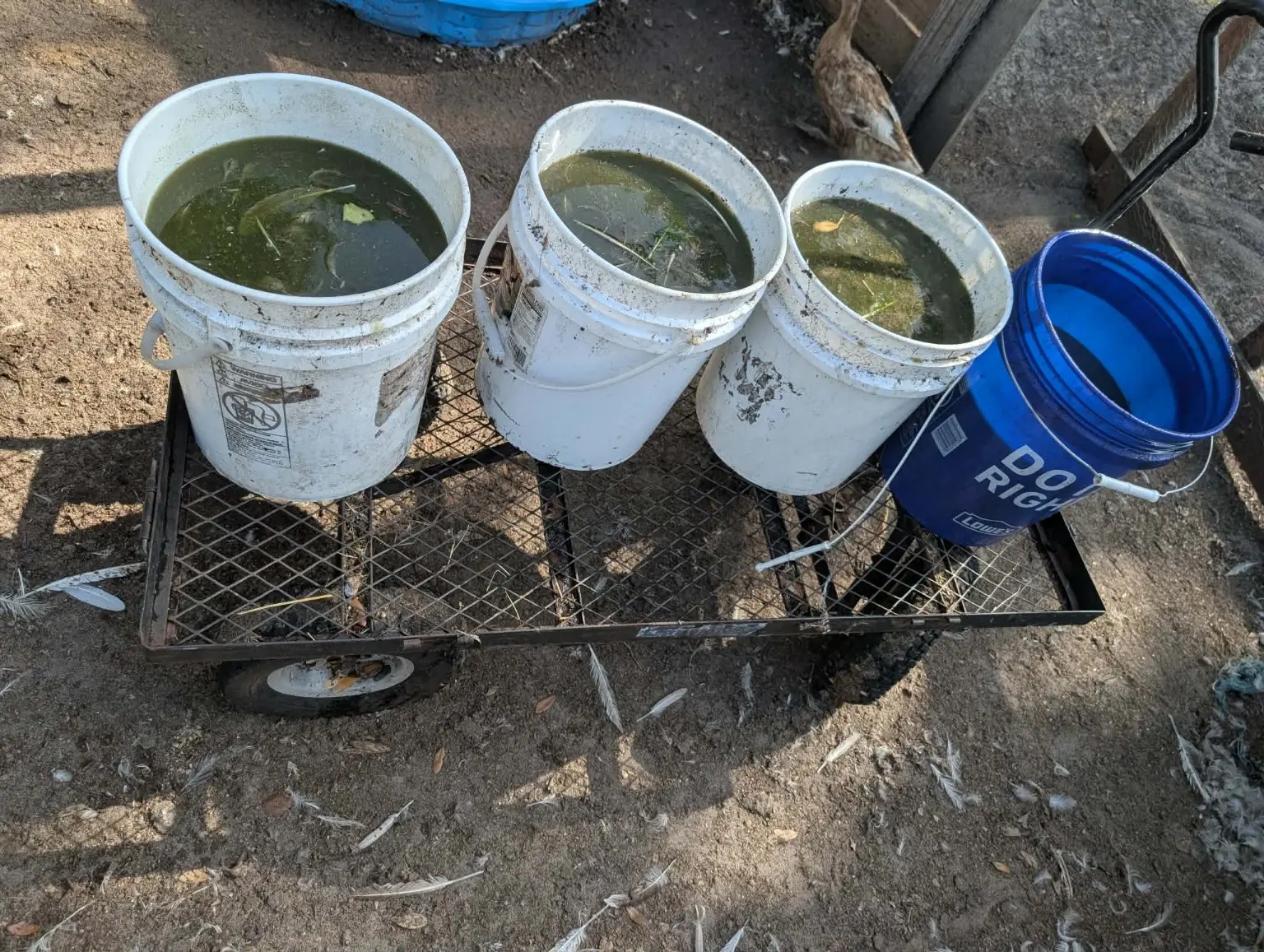
Free step-by-step project guide
A clearly marked chore bucket for cleanup, flushing or irrigation—not drinking.
What you are making
Create a dedicated water carrier that cannot be mistaken for family or animal drinking water.
Materials
Tools
Measurements
Build it in order
Read the entire plan before making the first cut or hole. The check under each step tells you when it is ready to move forward.
Use a color or shape not used for drinking water, feed or food harvest.
Write NON-POTABLE—DO NOT DRINK on the lid and opposite sides.
Mark a 3- or 4-gallon line to keep the load manageable.
List uses such as tool rinse or ornamental irrigation directly on the bucket.
Secure the lid and move with a cart when distance or weight makes carrying awkward.
Use the water promptly, rinse the bucket and store it upside down under cover.
Use and maintenance
Safety boundaries
Build alongside our family
These written plans give you the order and measurements. Our YouTube videos show the ordinary problem-solving, repairs and family work that inspired this library.
Use the rest of the material
Reused materials and sites vary. Inspect every material, follow the manufacturer’s tool instructions and use appropriate protective equipment. Stop and ask a qualified person when structural loads, electrical work, pressurized plumbing, drinking water, hazardous coatings, animal security or local requirements exceed your experience.
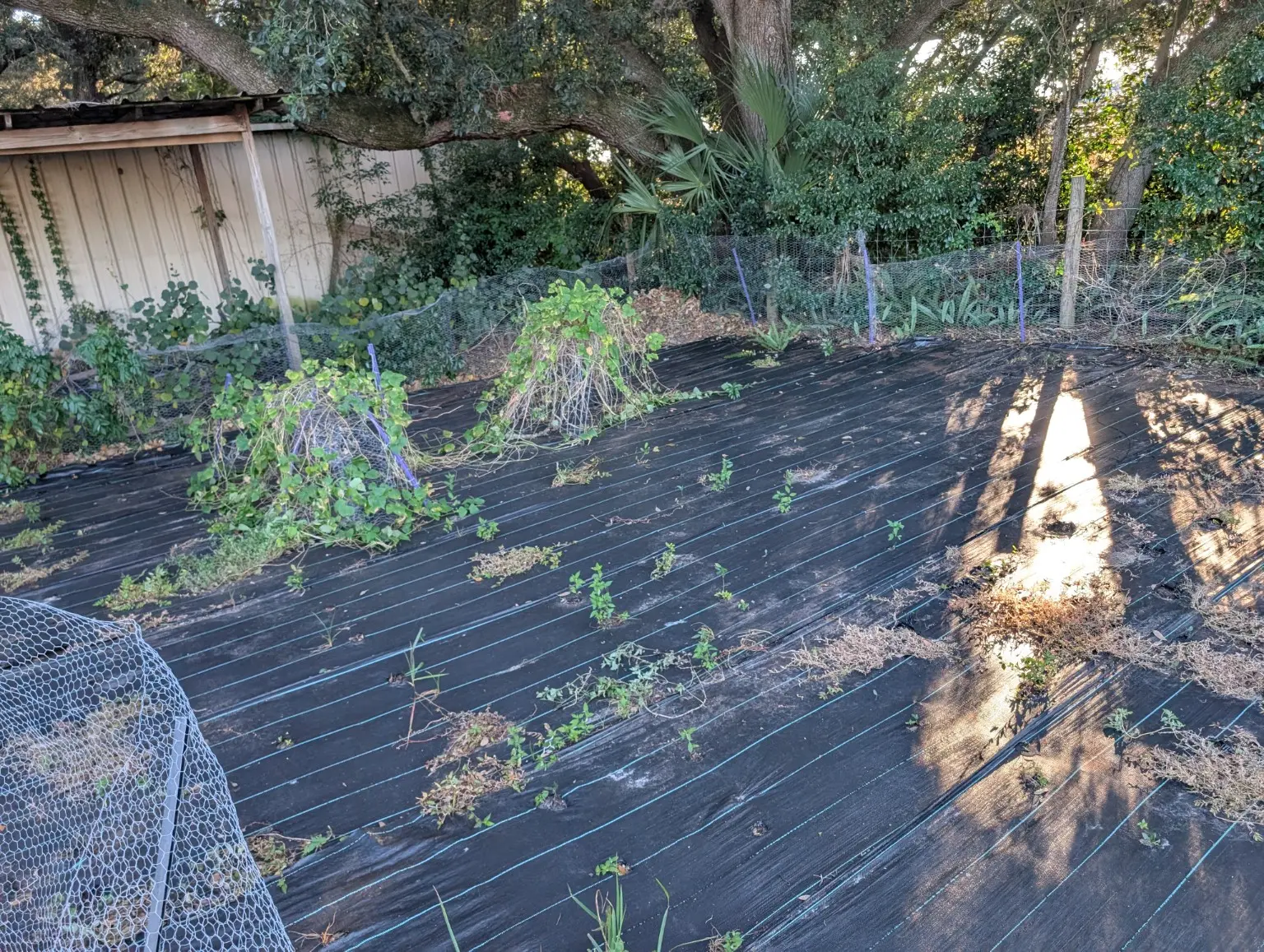 Easy · 30 minutes plus growing seasonGrow Potatoes in a 5-Gallon Bucket
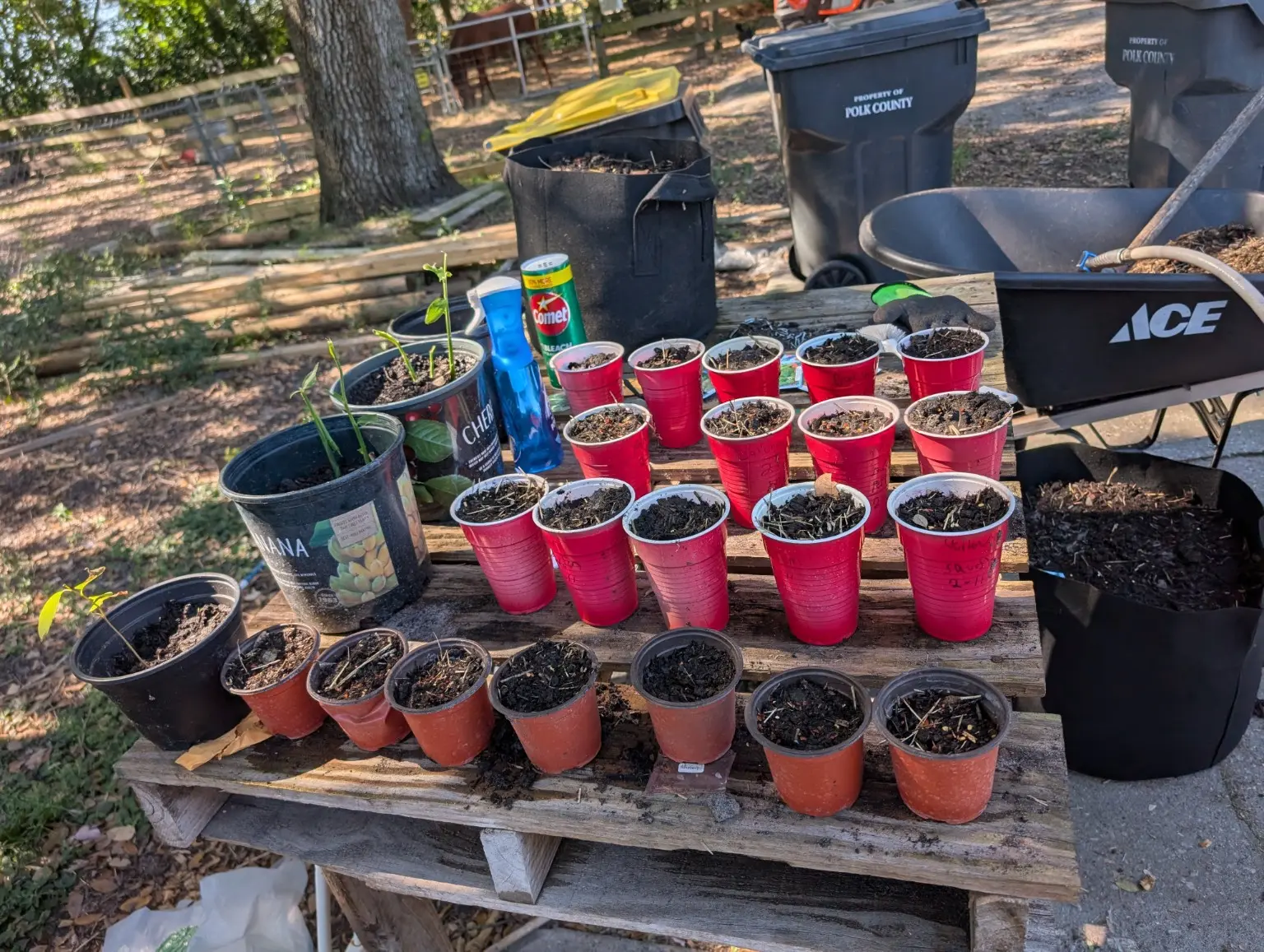 Easy · 20–45 minutesTurn a Bucket into a Garden Tool Tote