Materials
Gather these supplies
- Untreated smooth 1× boards or fence-board offcuts
- Exterior screws shorter than joint thickness
- Two narrow bottom cleats
- Food-safe finish, optional and fully cured
 DiamondTrail Ranch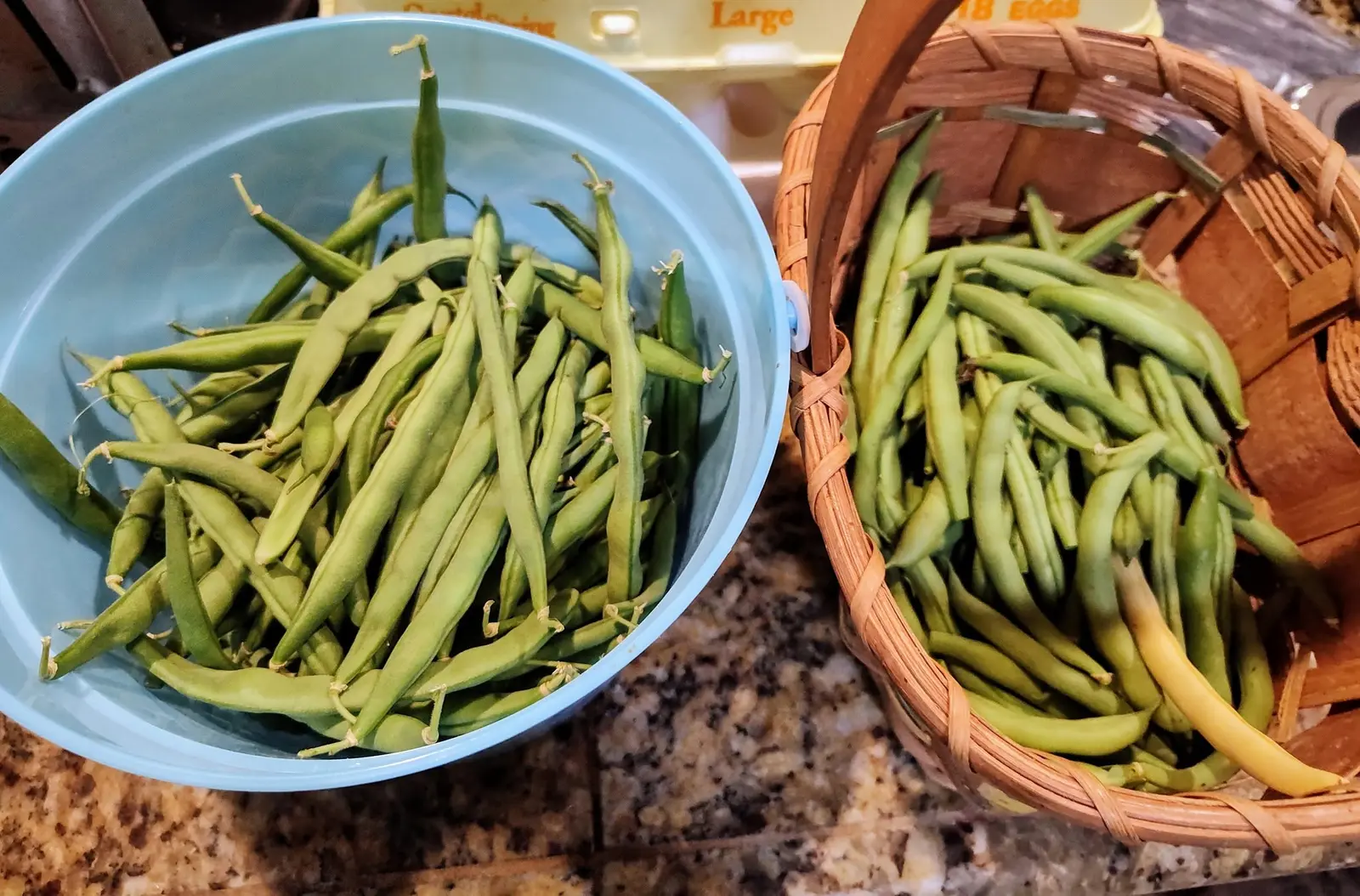
Free step-by-step project guide
A washable, ventilated carry box for sturdy vegetables, cartons and hand tools.
What you are making
Build a lightweight 18-inch crate with rounded handholds and replaceable bottom slats.
Materials
Tools
Measurements
Build it in order
Read the entire plan before making the first cut or hole. The check under each step tells you when it is ready to move forward.
Cut matching ends, mark centered handholds and round their corners with a drill and jigsaw.
Cut side and bottom slats to 18 inches and sand all faces.
Fasten a cleat near the lower edge of each end panel to carry the bottom slats.
Fasten bottom slats with 1/2-inch gaps for drainage and airflow.
Attach two or three slats per side, keeping the top edge below the handholds.
Brush clean, rinse if appropriate, dry fully and test with more weight than a normal harvest.
Use and maintenance
Safety boundaries
Build alongside our family
These written plans give you the order and measurements. Our YouTube videos show the ordinary problem-solving, repairs and family work that inspired this library.
Use the rest of the material
Reused materials and sites vary. Inspect every material, follow the manufacturer’s tool instructions and use appropriate protective equipment. Stop and ask a qualified person when structural loads, electrical work, pressurized plumbing, drinking water, hazardous coatings, animal security or local requirements exceed your experience.
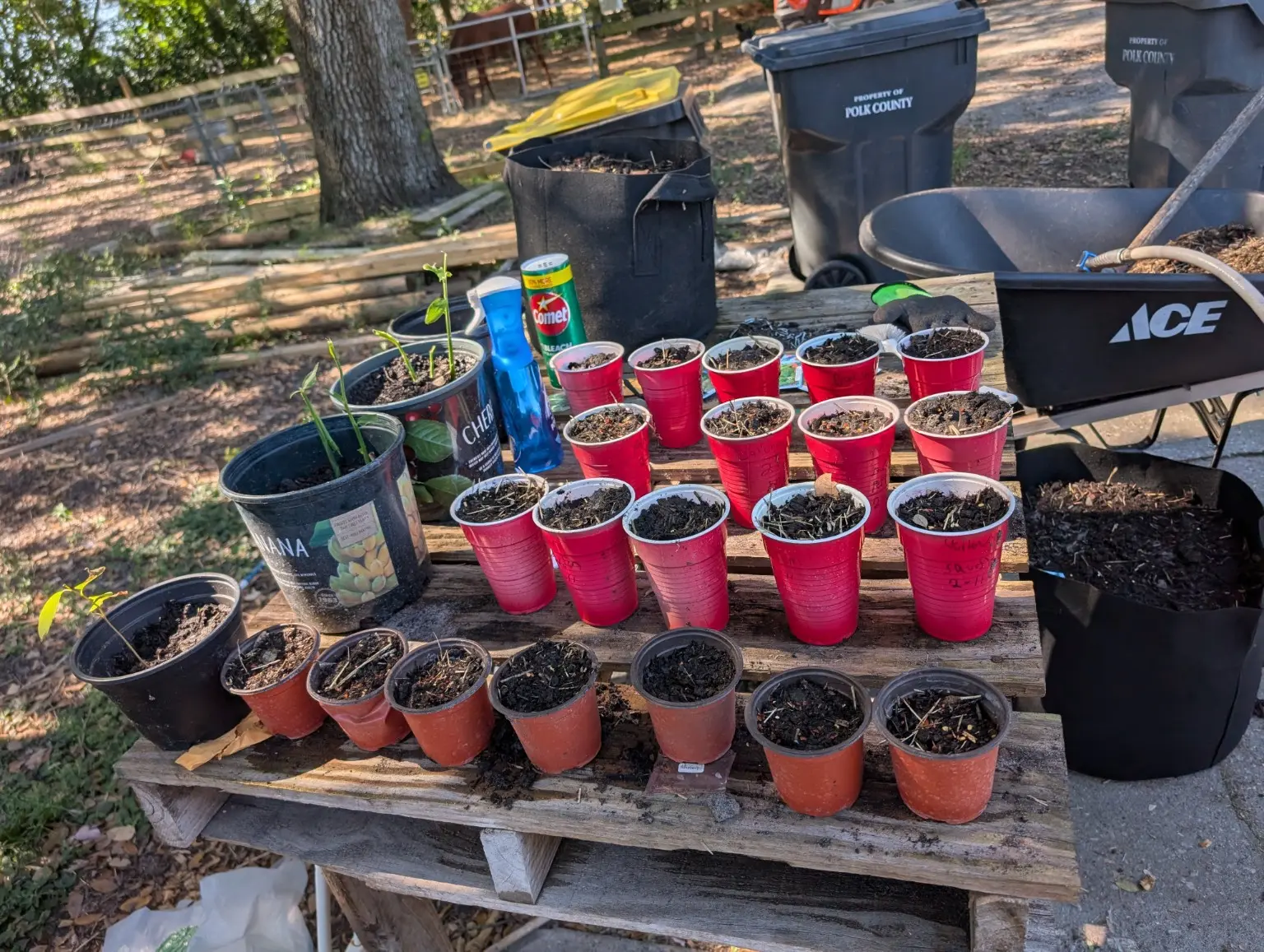 Easy · 45–75 minutesMake Garden Markers from Fence-Picket Scraps
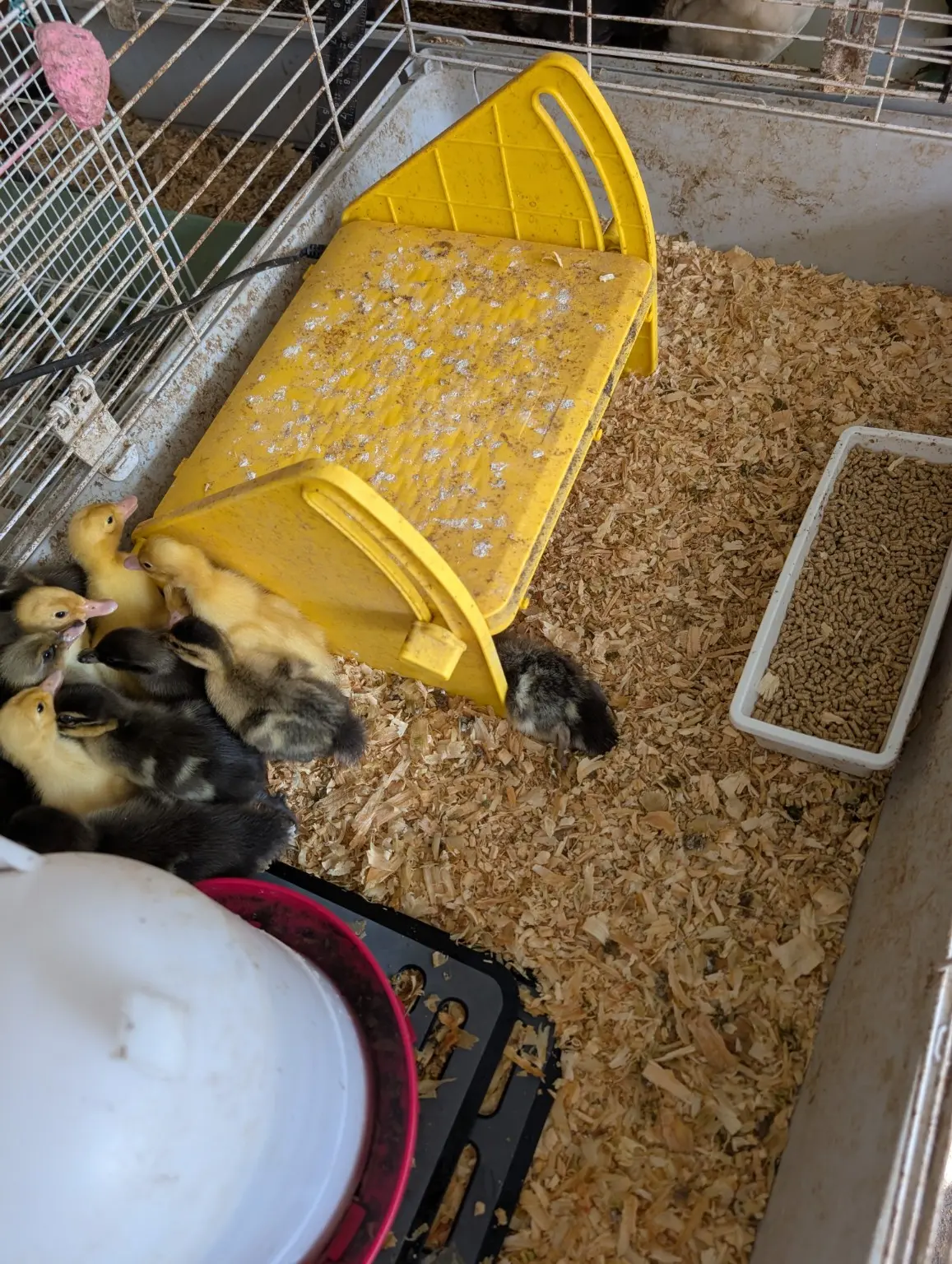 Moderate · 1–2 hoursBuild a Removable Brooder Draft Shield