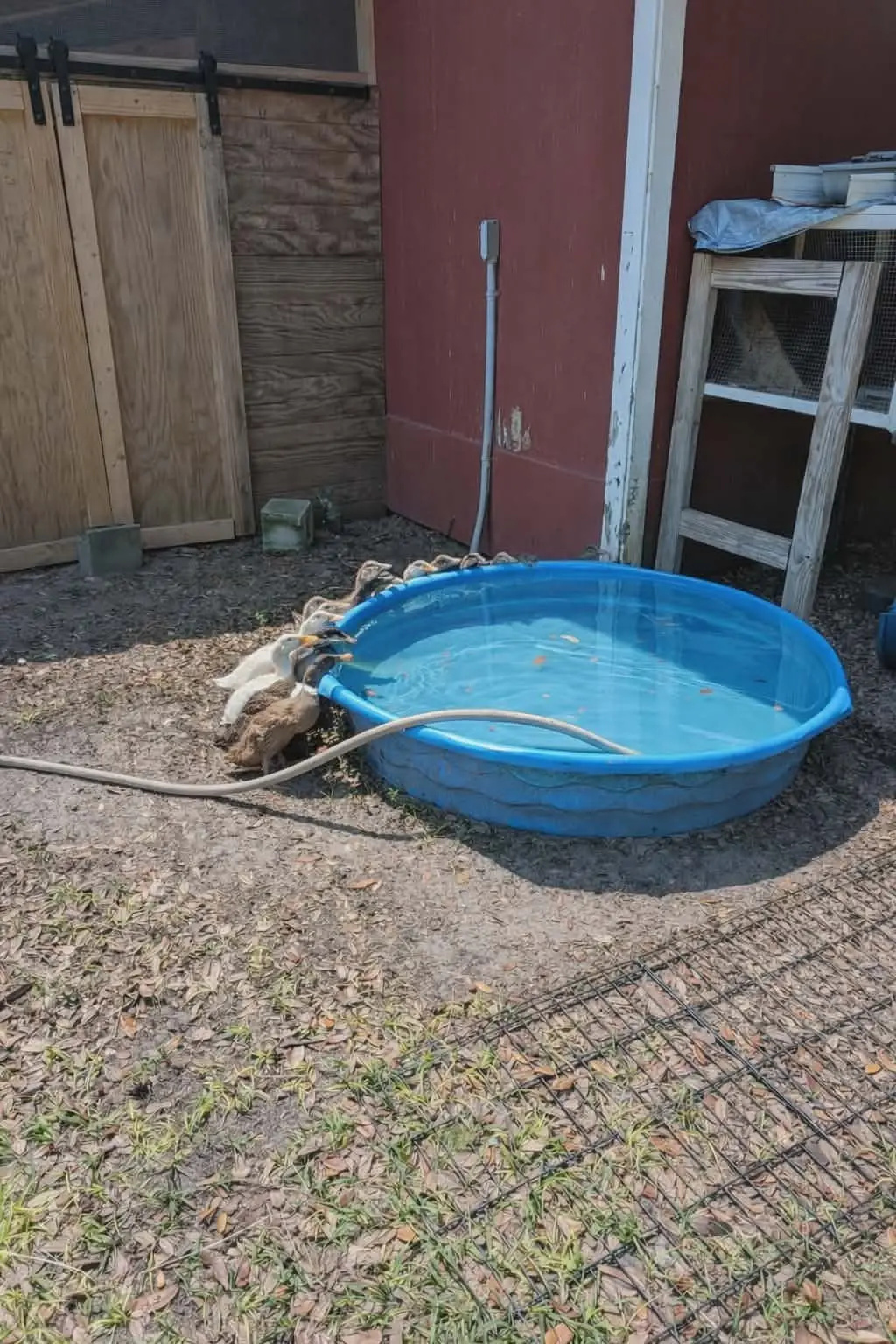
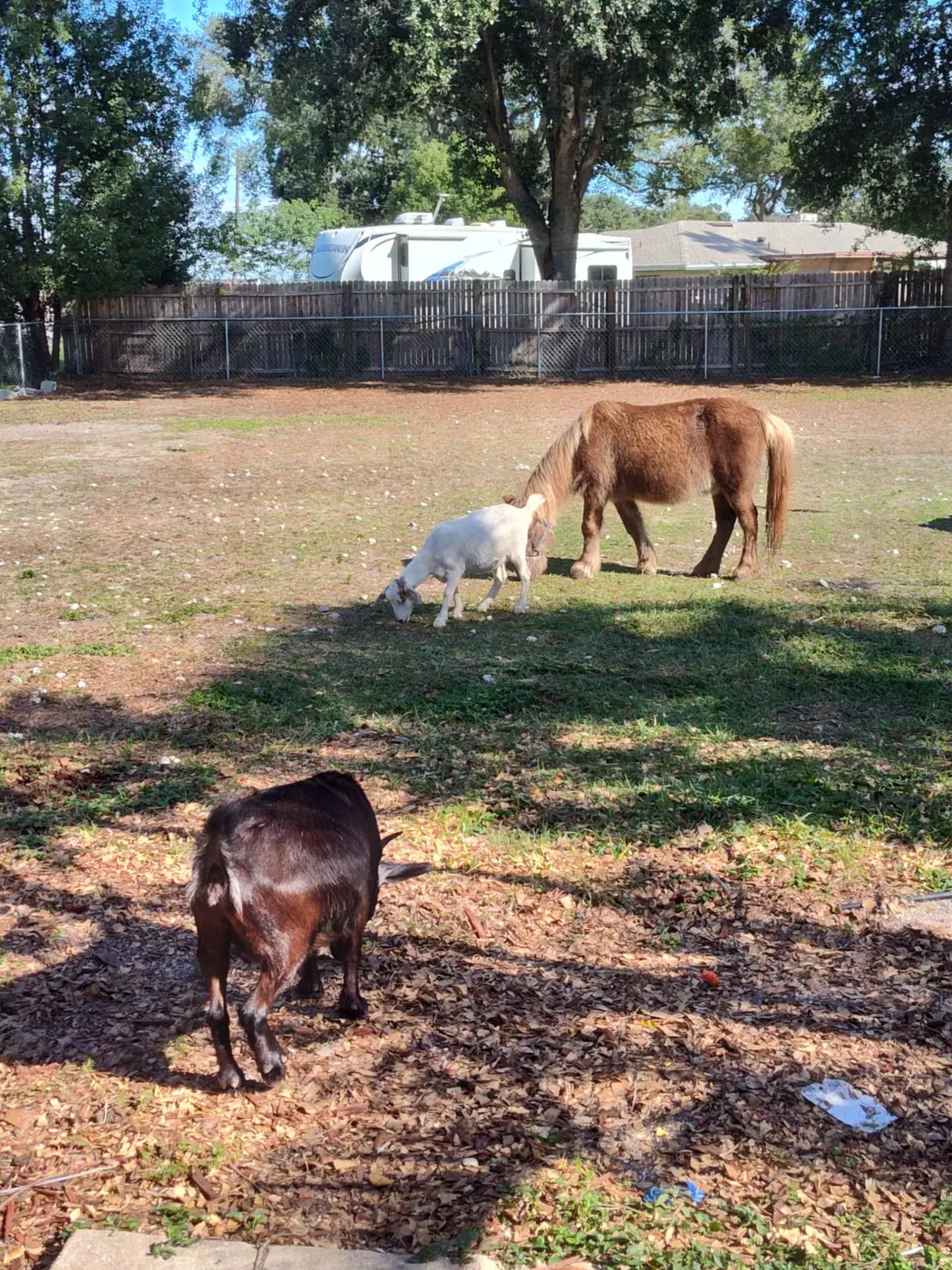
During extreme heat, a power outage can become dangerous quickly. Know where the family can go for air conditioning, monitor official heat alerts, store additional water, reduce strenuous outdoor work and check on vulnerable people. Animal heat plans should be species-specific and reviewed with the appropriate professional.
Start with these checks
A quick household checklist
01Know the nearest reliable cooling location
02Watch official heat alerts and outage information
03Store additional water for people and animals
04Move demanding chores away from peak heat when possible
05Check on children, older adults, neighbors and vulnerable animals
01
Make the cooling decision before the outage
Discuss where the household will go if indoor temperatures become unsafe: a family member’s home, public cooling location, library, community site or other confirmed option. Include transportation, pets, medications and accessibility.
An electric fan can improve comfort, but it is not a substitute for an air-conditioned location during dangerous heat. Follow National Weather Service and local emergency instructions.
Save local cooling-center and emergency-management information.
Identify household members who need earlier action.
Keep water, lightweight clothing and sun protection accessible.
Charge communication devices before forecast heat.
Plan the safest minimum animal-chore schedule.
02
Reduce heat created inside the home
Close blinds where they block direct sun, limit unnecessary heat-producing appliances and use the coolest safe part of the building. If the home becomes unsafe, relocate rather than trying to endure it.
Never leave a child, pet or vulnerable person in a parked vehicle. Vehicle temperatures can become deadly even during short stops.
03
Treat animal cooling as species specific
Shade, airflow and plentiful clean water are common foundations, but the warning signs and safest cooling measures differ among rabbits, poultry, goats, pigs, horses, cattle and dogs.
Use your veterinarian or qualified animal professional for individual plans and urgent concerns. Do not rely on a general website to decide whether an animal is experiencing an emergency.
Official supporting sources
Verify the details at the source
These links support the general information on this page. During a real incident, find the newest instructions for your exact location.
Affiliate disclosure: As an Amazon Associate I earn from qualifying purchases. If you shop through these links, DiamondTrail Ranch may receive a commission at no additional cost to you.
General educational information—not real-time emergency instruction
This page shares general information and the way our family thinks about preparedness. Conditions and official instructions change. During an emergency, follow current local authorities and qualified professionals. This is not individualized medical, veterinary, legal, electrical or emergency-management advice.