Materials
Gather these supplies
- Intact concrete blocks
- Compacted paver base
- Level pavers or rated exterior platform top
- Mosquito-tight barrel lid and screened overflow
- Straps or manufacturer anchoring hardware
 DiamondTrail Ranch
Free step-by-step project guide
A conservative site-and-base guide for keeping a water barrel low, level and supported over its entire footprint.
What you are making
Create a compacted pad and low block-supported platform while recognizing that 55 gallons weighs roughly 460 pounds before the barrel itself.
Materials
Tools
Measurements
Build it in order
Read the entire plan before making the first cut or hole. The check under each step tells you when it is ready to move forward.
Multiply planned gallons by 8.34 pounds and add barrel, platform and safety margin.
Keep the barrel away from play, animal, vehicle and foundation-damage zones with a safe overflow path.
Remove organic soil, add paver base in thin lifts and tamp each lift level.
Set intact blocks with full bearing on the pad; do not stack loose towers.
Use a manufacturer-rated base or an exterior platform designed to distribute the barrel load across all blocks.
Secure the barrel, connect screened overflow, add water in stages and check level after each stage.
Use and maintenance
Safety boundaries
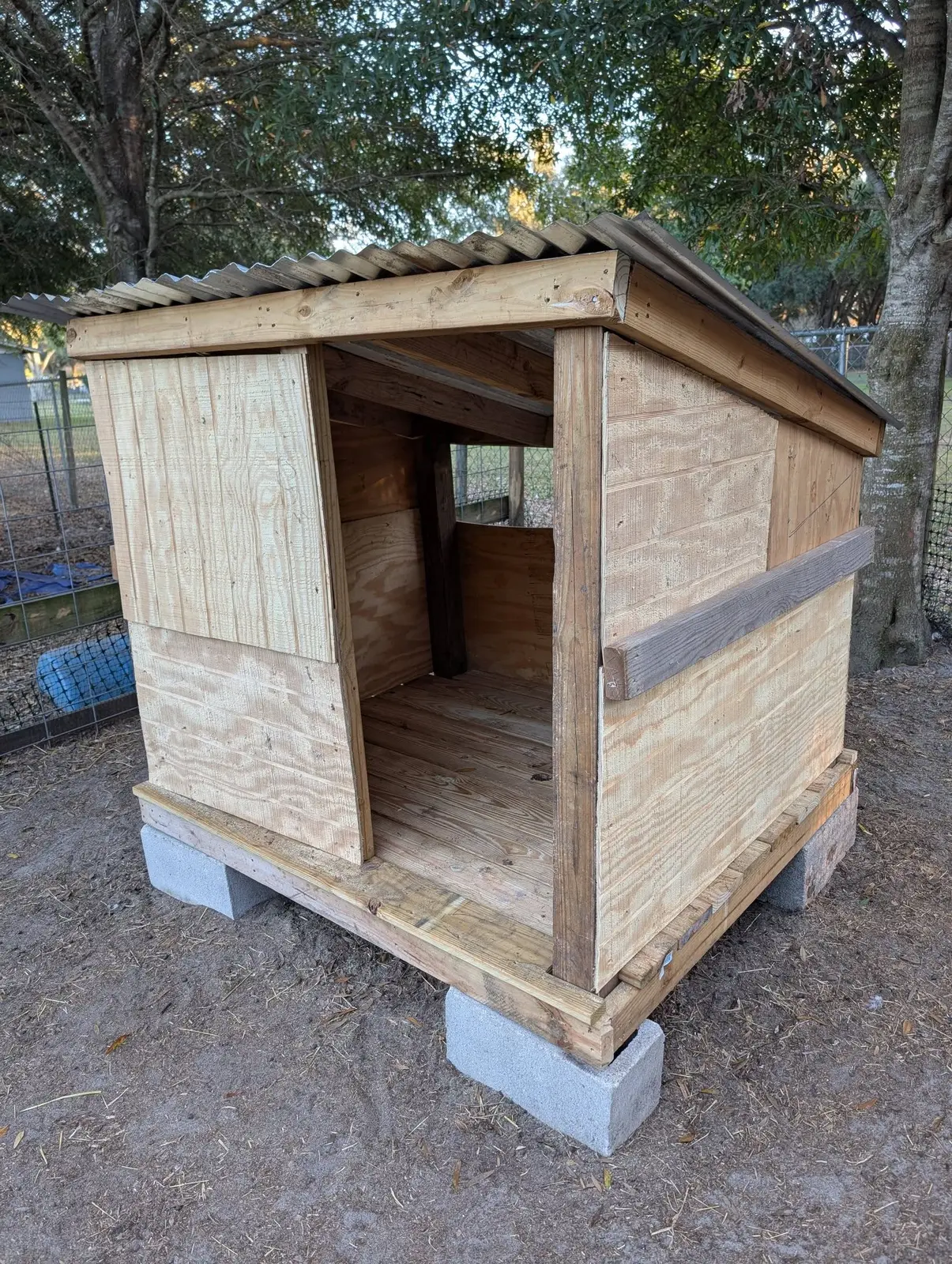
Build alongside our family
These written plans give you the order and measurements. Our YouTube videos show the ordinary problem-solving, repairs and family work that inspired this library.
Use the rest of the material
Reused materials and sites vary. Inspect every material, follow the manufacturer’s tool instructions and use appropriate protective equipment. Stop and ask a qualified person when structural loads, electrical work, pressurized plumbing, drinking water, hazardous coatings, animal security or local requirements exceed your experience.
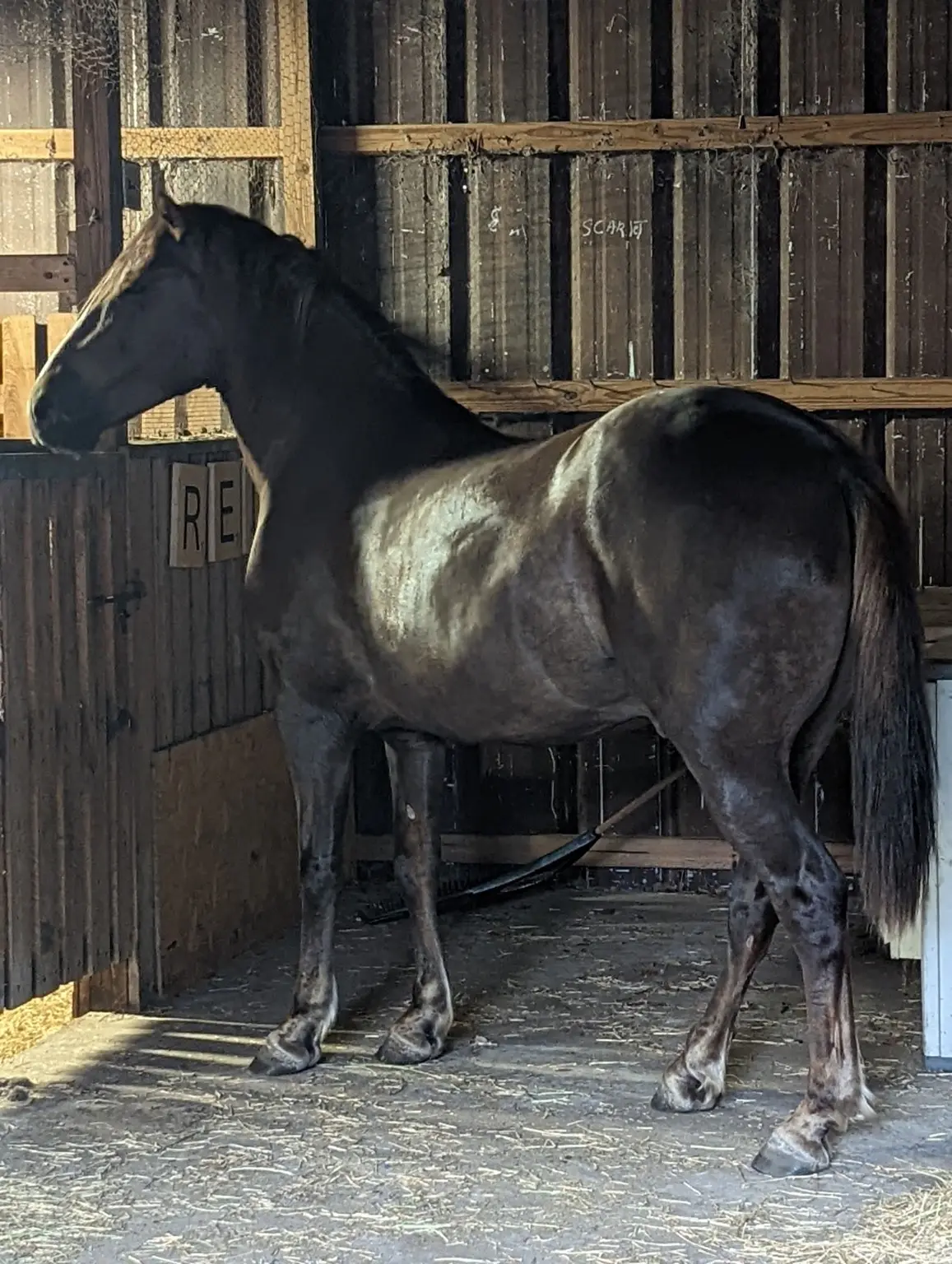 Moderate · 60–90 minutesRaise a Hay Pallet with Cinder Blocks
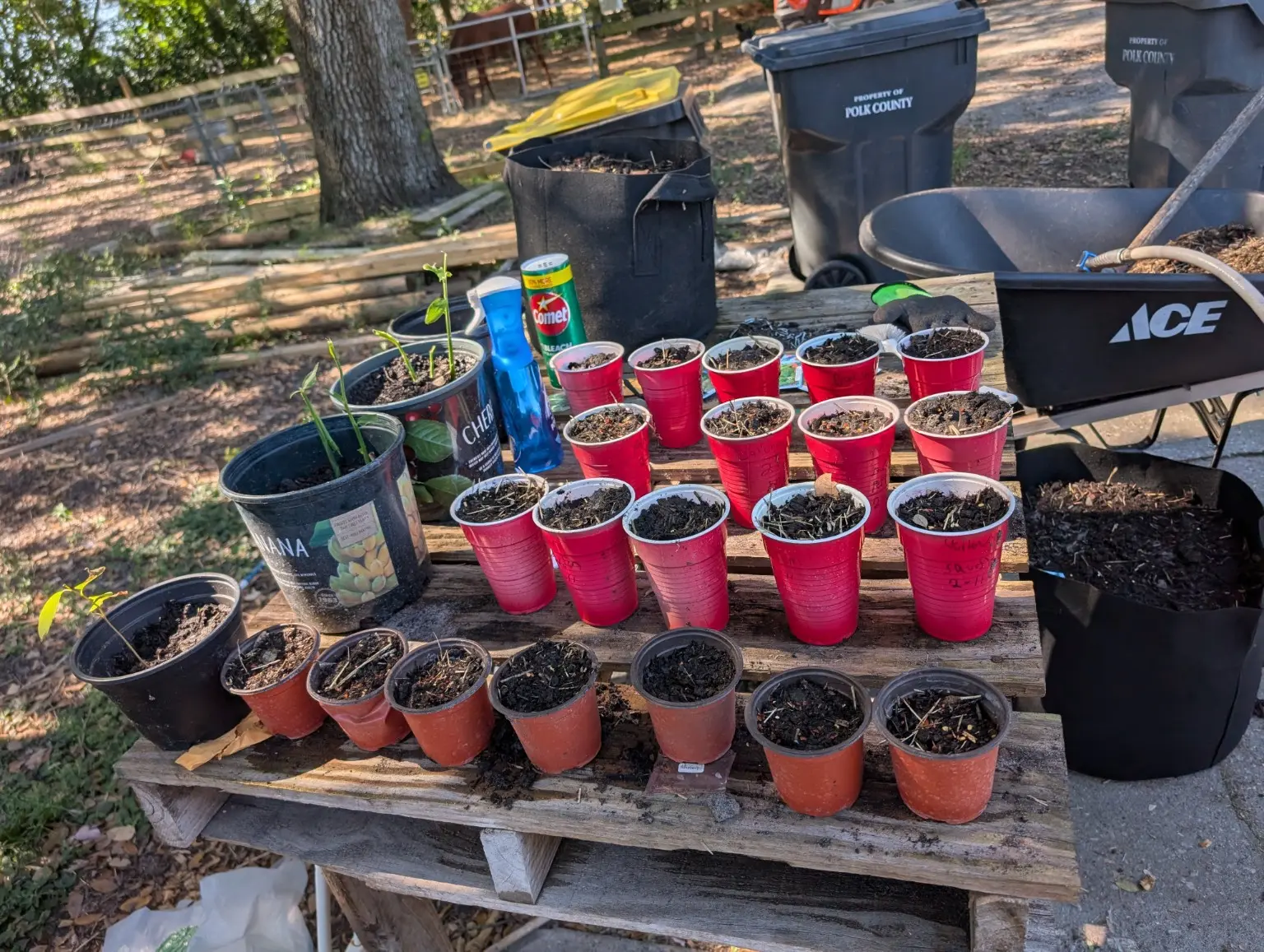 Easy · 45–75 minutesBuild a Low Garden Work Bench with Blocks