Materials
Gather these supplies
- Clean 3/4- or 1-inch PVC scraps
- Reusable plastic plant stakes
- Outdoor plant-label pencil
- Bright UV tape
 DiamondTrail Ranch
Free step-by-step project guide
Short angled PVC pieces that hold reusable marker stakes and protect labels from sprinklers.
What you are making
Create visible holders that remain above mulch, have smooth edges and never become hidden trip hazards.
Materials
Tools
Measurements
Build it in order
Read the entire plan before making the first cut or hole. The check under each step tells you when it is ready to move forward.
Plan label positions beside rows or pots, never in a walking or mowing line.
Cut straight bottoms and angled tops that shed sprinkler water.
Smooth inside and outside edges until a paper label cannot snag.
Wrap a bright band near the top so the sleeve is easy to see in mulch.
Put the plant name outside and variety/date on a removable inner stake.
Push a separate stake into clear soil and slide the sleeve over it.
Use and maintenance
Safety boundaries
Build alongside our family
These written plans give you the order and measurements. Our YouTube videos show the ordinary problem-solving, repairs and family work that inspired this library.
Use the rest of the material
Reused materials and sites vary. Inspect every material, follow the manufacturer’s tool instructions and use appropriate protective equipment. Stop and ask a qualified person when structural loads, electrical work, pressurized plumbing, drinking water, hazardous coatings, animal security or local requirements exceed your experience.
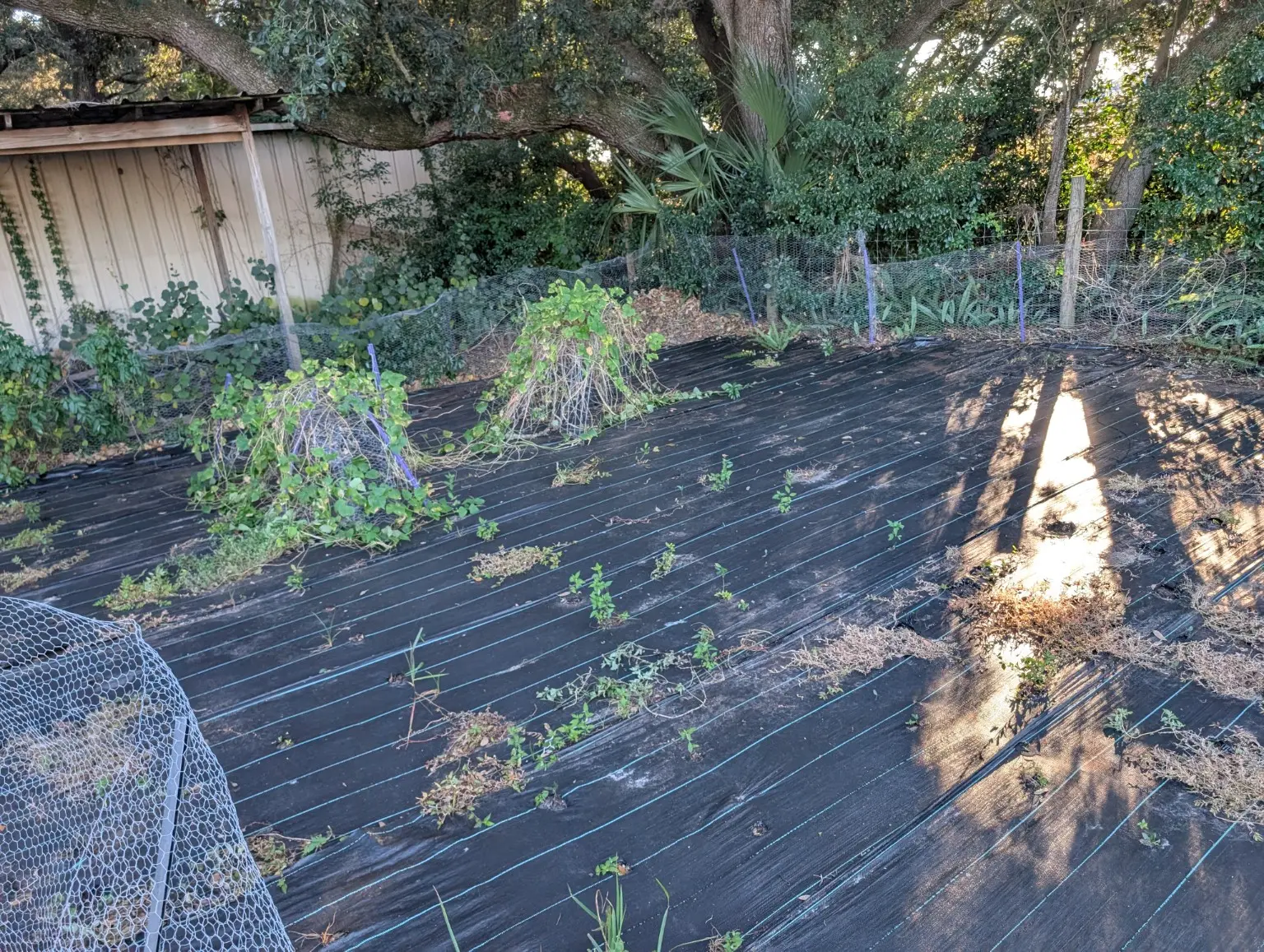 Easy · 1–2 hoursBuild a Lightweight PVC Garden Trellis
 Easy · 30–60 minutesMake Smooth Hose-Guide Stakes
 Moderate · 1–2 hoursBuild a PVC-Sleeve Tool-Handle Rack