DiamondTrail Ranch
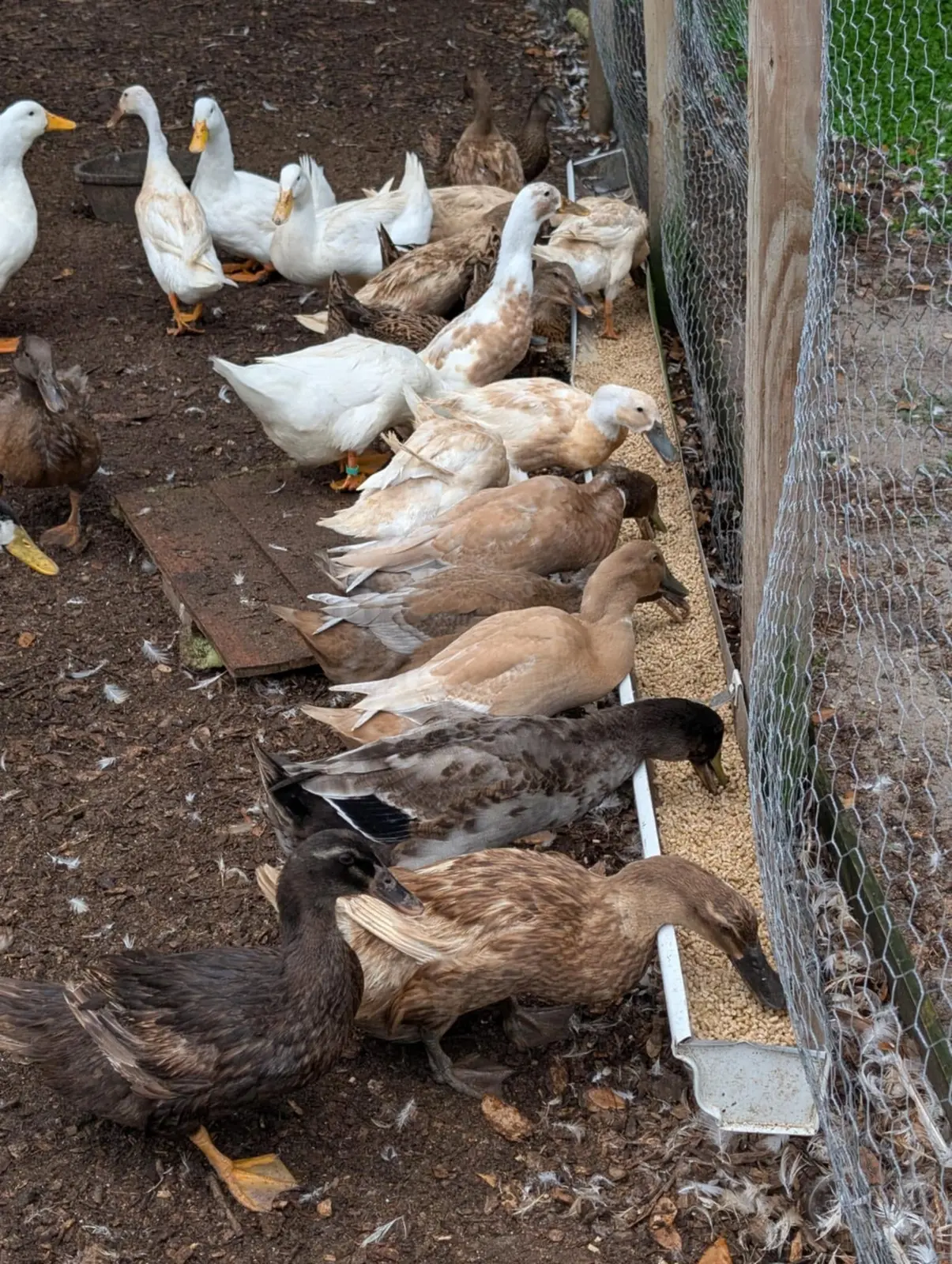
Ducks eating together at DiamondTrail Ranch

Waterfowl without the surprise

Before Getting Ducks

Ducks are cheerful, messy and deeply connected to water. A beginner setup works best when drainage, cleaning and nighttime security are designed before the first ducks arrive.

Ducks eating together at DiamondTrail Ranch
Some of our ducks gathering at the feeder

Have these conversations first

Your practical starting setup

This is not a universal shopping list. It is the short list we would use to begin planning the property, chores and backup systems before bringing this species home.

  • Predator-secure nighttime housing
  • Constant drinking water deep enough to rinse their bills
  • A drainable bathing area
  • Waterfowl-appropriate feed
  • Shade and dry resting ground
  • A plan for mud and daily cleanup
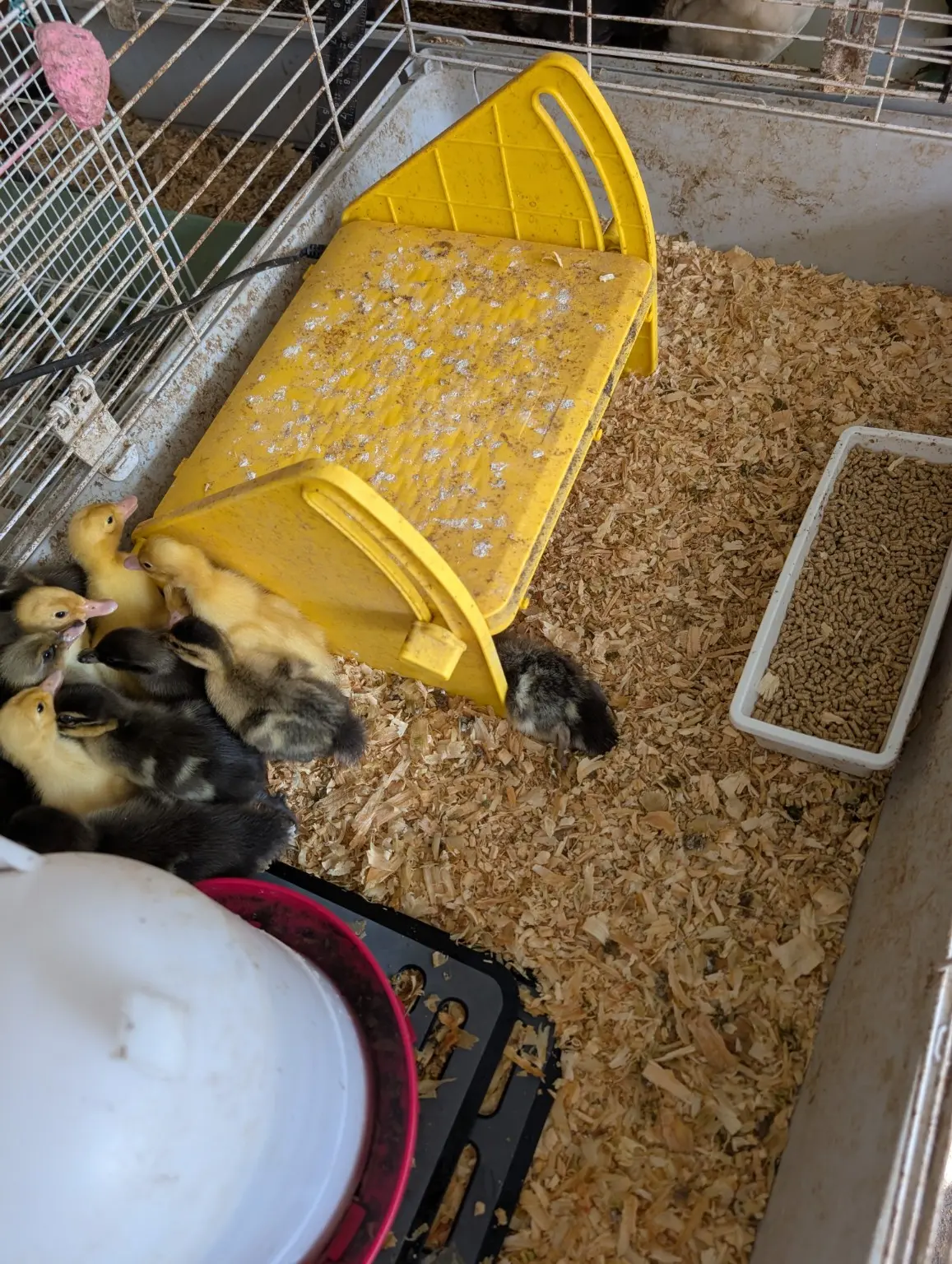
Ducklings in a brooder setup used by the DiamondTrail Ranch family
One of our family’s duckling brooder setups

A real setup from our homestead

A brooder setup we used

Young birds make the need for clean bedding, reachable feed, dependable water and a safe heat plan feel very real. This is one of the brooder arrangements our family used while raising ducklings. Like most homestead systems, it was watched, cleaned and adjusted as the birds grew.

Watch our ducks videos on YouTube →

Walk through the system

Housing, food, water and everyday chores

01

Housing & dry footing

Ducks need water, but they also need somewhere dry to rest. We plan the shelter and the wet zone as two different parts of the pen.

  • Secure nighttime shelter
  • Dry bedding area
  • Shade through the hottest part of the day
  • A surface around water that can drain or be refreshed
02

Water systems

A small pool is optional; clean drinking water is not. Our setup is easier when the hose reaches the pen and the pool can be dumped or drained without flooding the shelter.

  • More than one drinking-water container
  • A safe way for birds to enter and leave bathing water
  • A hose connection nearby
  • A backup water plan during outages
03

Feed & chores

We place the feeding area where spills can be seen and cleaned. Ducks turn water and feed into mud quickly, so a short daily reset matters.

  • Appropriate waterfowl feed
  • Dry covered storage
  • Feeder positioned away from sleeping bedding
  • Daily checks of water, mud and fencing
04

Florida reality check

Heat, standing water, mosquitoes and storms all shape a Central Florida duck setup. Ease of cleaning is not a luxury—it is what makes the routine sustainable.

  • Strong shade
  • Fast water changes
  • A storm-safe holding plan
  • Regular inspection for sharp wire and slick surfaces

From our YouTube channel

Backyard Chickens & Ducks 101

Our poultry playlist gathers the DiamondTrail Ranch videos about daily flock life, housing, water, heat and the surprises along the way.

Open the chickens & ducks playlist

The DiamondTrail approach

Build slowly enough to notice what needs improving.

We have changed shelters, moved feeders, added water lines and adjusted routines as our homestead grew. Beginners do not need to own every tool on day one, but the animal’s basic housing, water, feed storage and safety systems should not be improvised after arrival.

Our best advice is to start with fewer animals, watch the property through real Florida weather and keep a simple journal of what works.

Family experience, not individual professional advice

These pages share our family’s experience and questions we believe beginners should ask. Needs vary by animal, property and location. Use appropriate veterinary, agricultural, emergency and local sources for decisions specific to your situation.