DiamondTrail Ranch
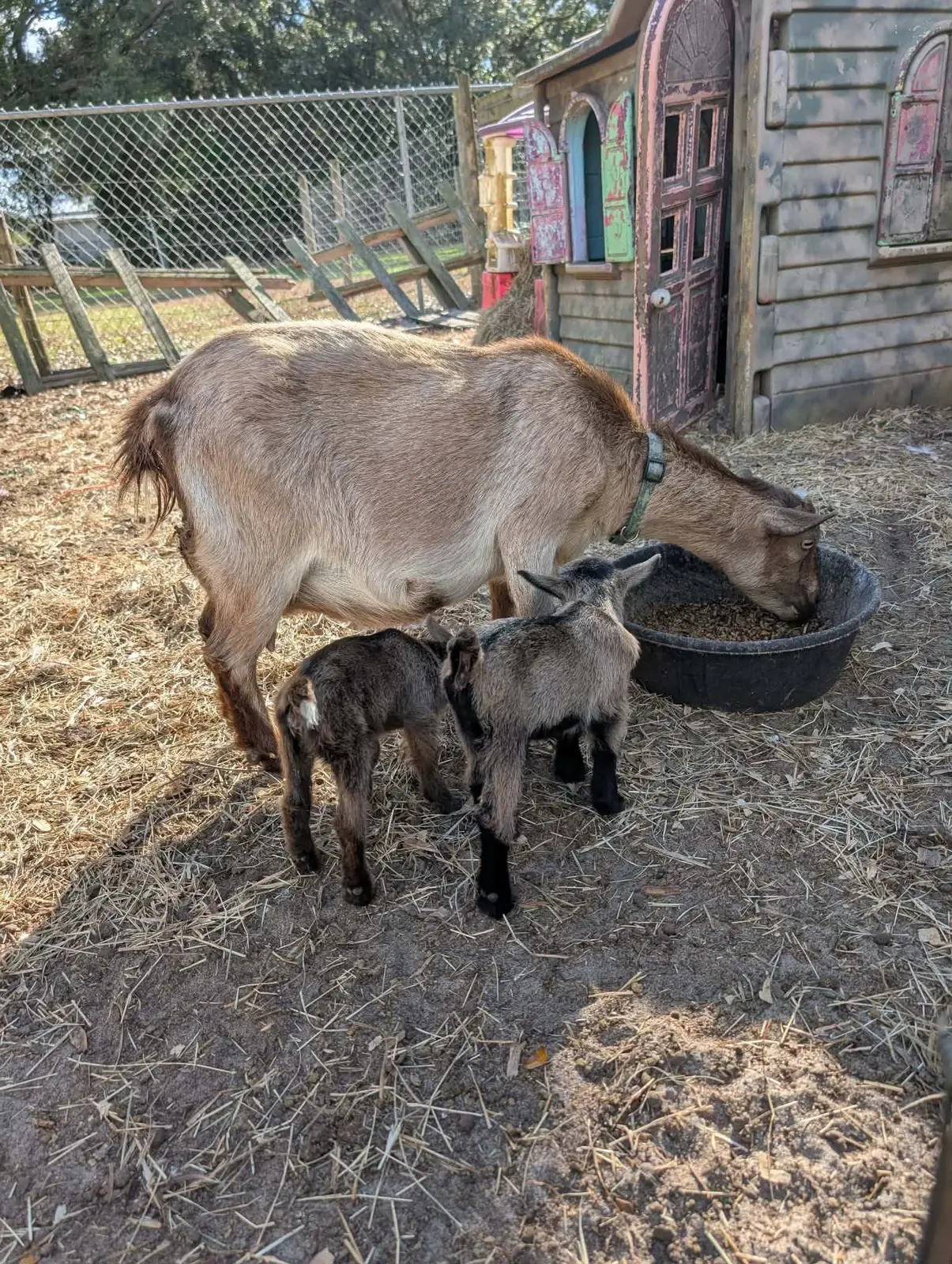
Dolly the Nigerian Dwarf goat with her kids at DiamondTrail Ranch

Build the fence before the herd

Before Getting Goats

Goats taught us to think about fencing, hay waste, dry shelter and backup water as one connected system—not as separate purchases made after they arrive.

Dolly the Nigerian Dwarf goat with her kids at DiamondTrail Ranch
Dolly and her babies on our family homestead

Have these conversations first

Your practical starting setup

This is not a universal shopping list. It is the short list we would use to begin planning the property, chores and backup systems before bringing this species home.

  • Strong fencing and secure gates
  • A dry, draft-protected but ventilated shelter
  • Hay kept off the ground
  • Loose mineral and feed storage space
  • More than one source of clean water
  • A safe handling or temporary separation area
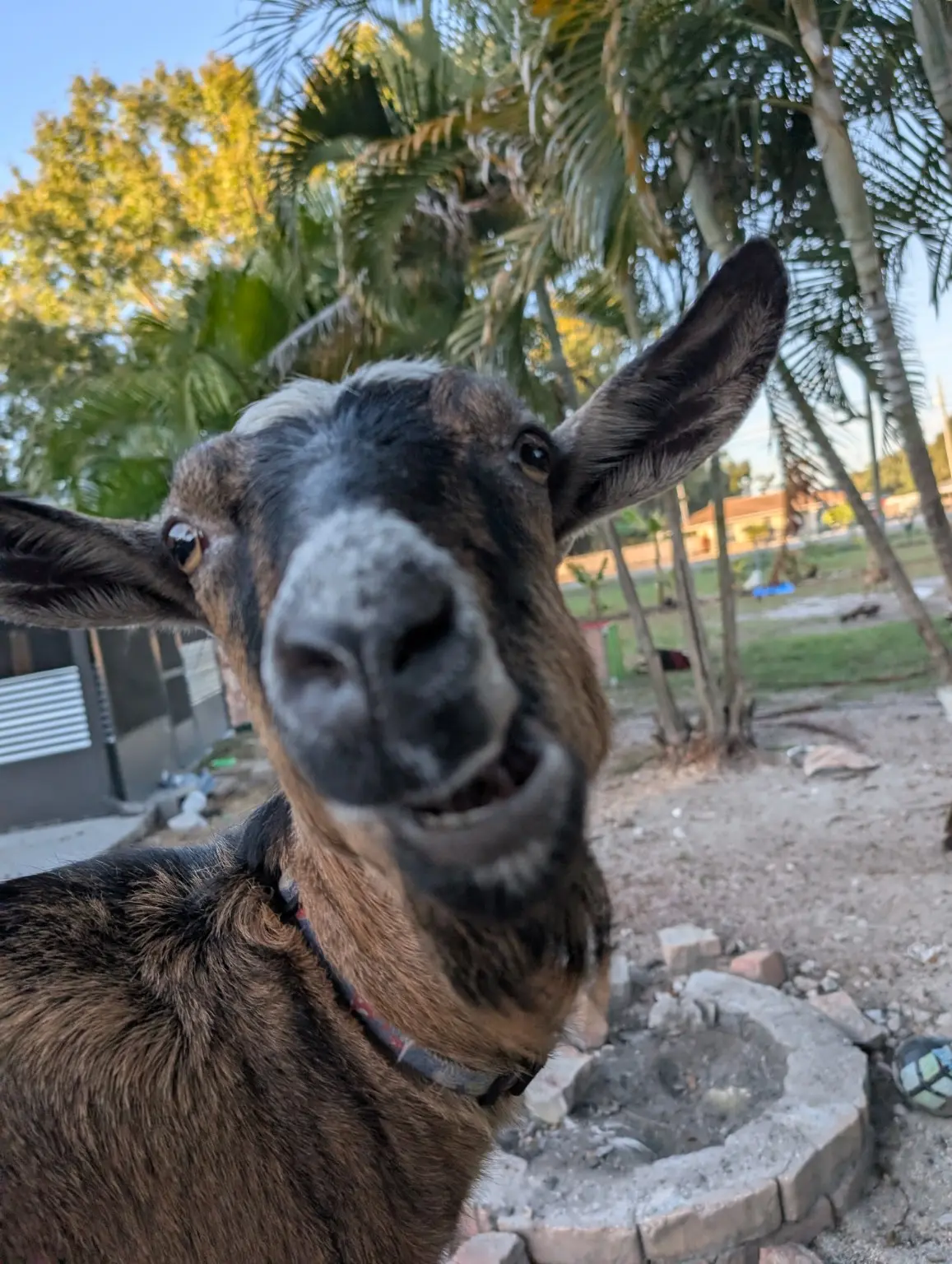
Bambi the goat making a funny face at DiamondTrail Ranch
Bambi making one of her unforgettable faces

One of the personalities behind the chores

Meet Bambi

Bambi is one of our goats and a perfect example of how every animal seems to bring a personality of its own. This photograph caught one of her funniest expressions—and one of the little moments that makes the daily work worth remembering.

Watch our goats videos on YouTube →

Walk through the system

Housing, food, water and everyday chores

01

Shelter & fencing

We want the shelter finished and the fence tested before a goat walks onto the property. Goats notice weak gates, gaps and climbable objects very quickly.

  • Dry raised resting area
  • Roof that handles wind-driven rain
  • Fencing appropriate to the goats’ size
  • Gates that can be operated while carrying feed or water
02

Hay without the waste

Hay on the ground is quickly trampled. We use elevated hay holders and have used half-cut barrels underneath to catch what falls before it becomes bedding and waste.

  • Hay feeder sized to reduce head and leg entrapment
  • Catch tray or half barrel below the feeder
  • Dry hay storage away from weather
  • Easy access for refilling without entering a crowded pen
03

Water & backup systems

Running an extra well-water line near the animals was one of the improvements that changed our chores. We still keep backup containers because pumps, power and hoses can fail.

  • Water point near the goat area
  • Two troughs or a trough plus backup buckets
  • A stored emergency-water plan
  • A routine for scrubbing containers and checking flow
04

Florida reality check

Central Florida means heat, humidity, heavy rain and long parasite seasons. This page stays focused on preparation; health decisions belong with a veterinarian and reliable local resources.

  • Deep shade and airflow
  • A dry place during extended rain
  • Storm-ready panels, leads or crates
  • A relationship with a livestock veterinarian before an emergency

From our YouTube channel

Why Every Beginner Homesteader Needs Goats

Our family’s look at what goats can bring to a small homestead—and the work that comes with them.

Watch the beginner goat video

The DiamondTrail approach

Build slowly enough to notice what needs improving.

We have changed shelters, moved feeders, added water lines and adjusted routines as our homestead grew. Beginners do not need to own every tool on day one, but the animal’s basic housing, water, feed storage and safety systems should not be improvised after arrival.

Our best advice is to start with fewer animals, watch the property through real Florida weather and keep a simple journal of what works.

Family experience, not individual professional advice

These pages share our family’s experience and questions we believe beginners should ask. Needs vary by animal, property and location. Use appropriate veterinary, agricultural, emergency and local sources for decisions specific to your situation.