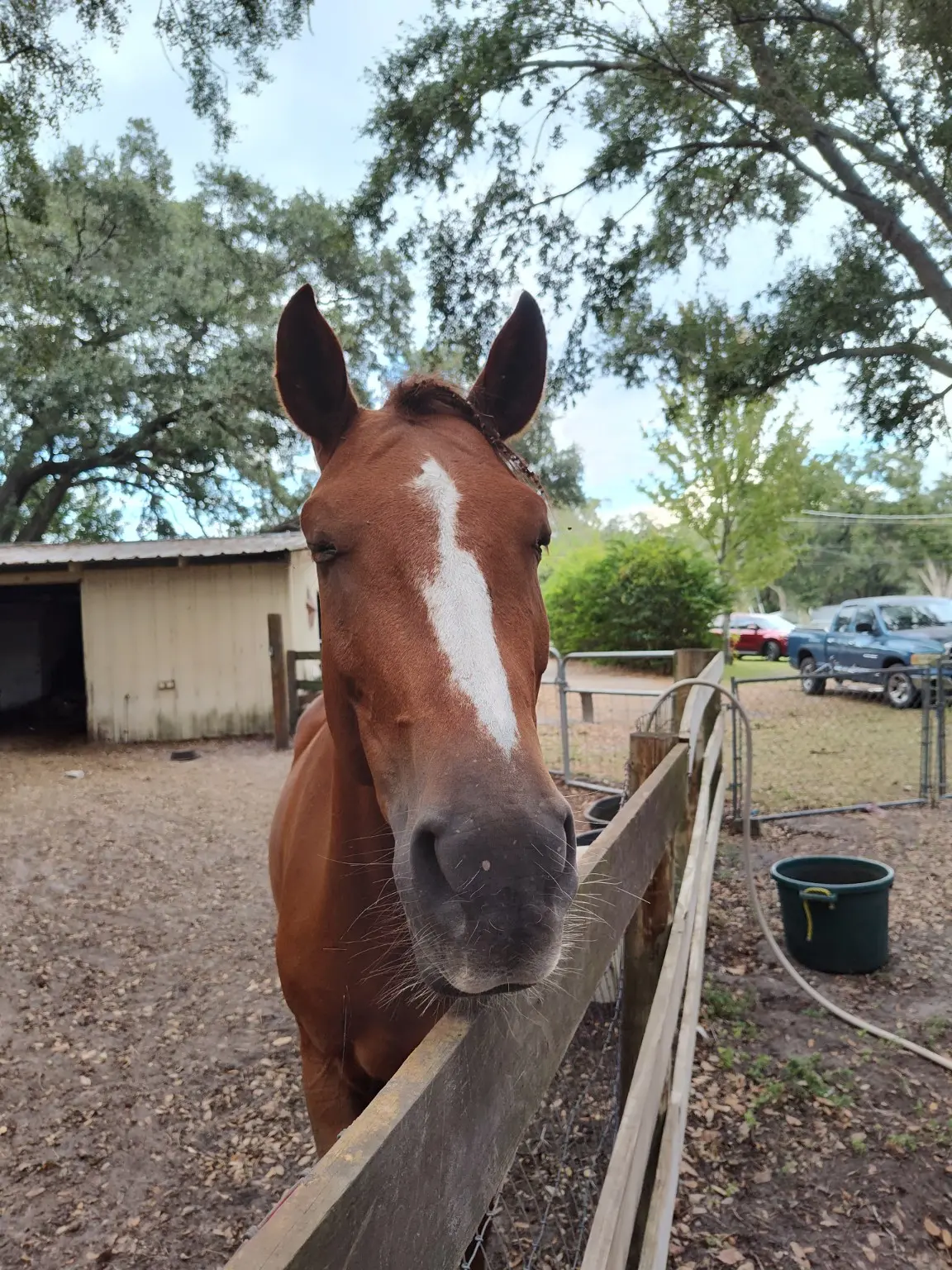
Horse
Red
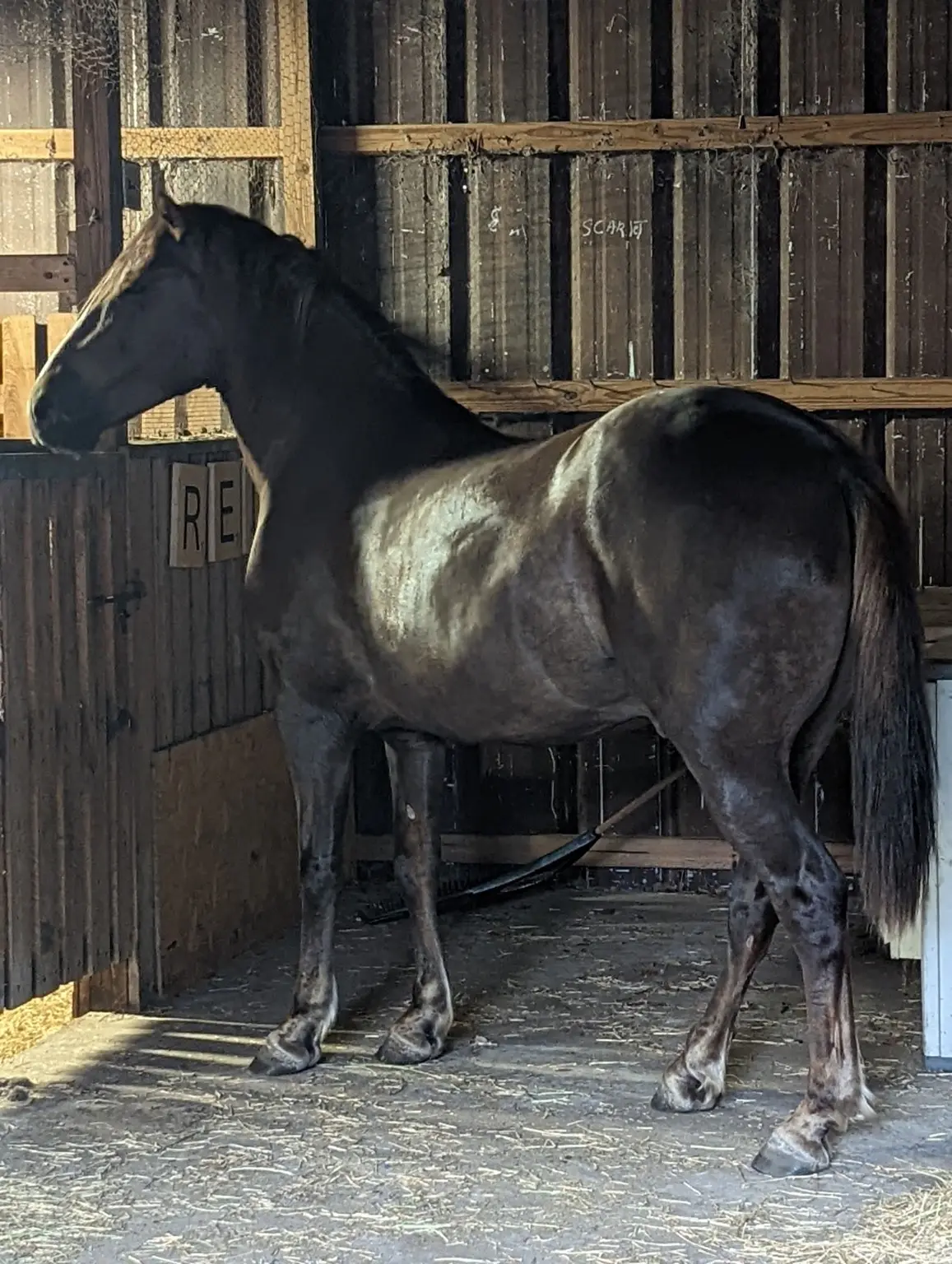
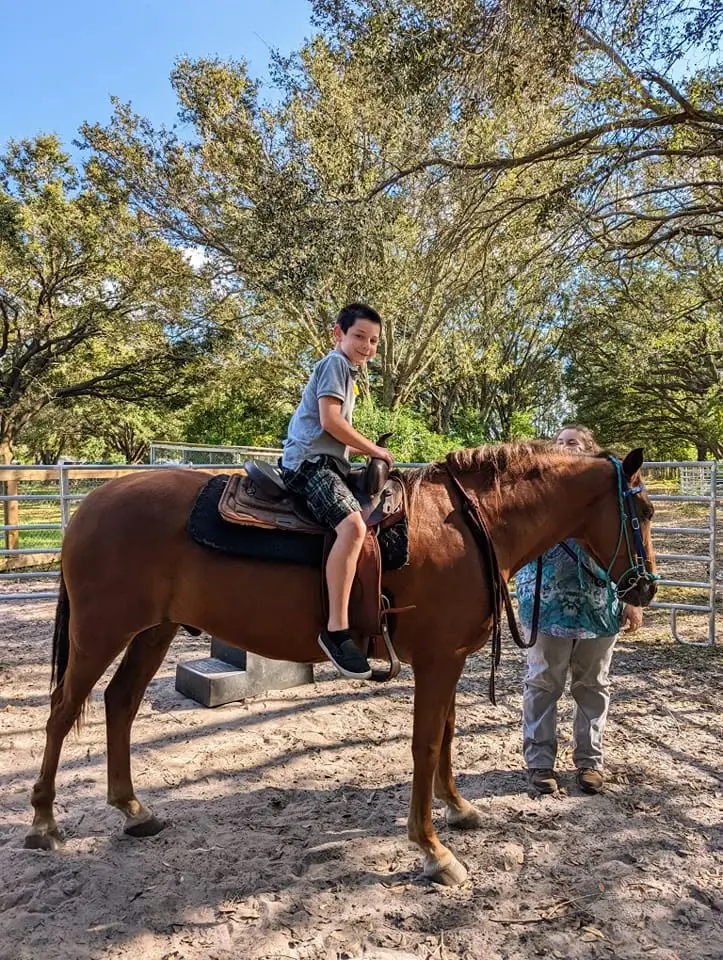
Red is one of the horses who currently calls DiamondTrail Ranch home. His photographs show the ordinary places where equine care happens: the fence line, barn, stall and supervised family time.
 DiamondTrail Ranch
Meet the equines, then plan the whole system
Meet Red, Toby Keith and Indy, then connect fencing, hay, water, shade, wet ground, hoof care, transport and storms on a small Florida homestead.
Have these conversations first
This is not a universal shopping list. It is the short list we would use to begin planning the property, chores and backup systems before bringing this species home.
Part of our current equine care system
Red is one of the horses currently living at DiamondTrail Ranch. His daily care connects fencing, forage, water, hoof care, weather planning and the safe routes our family uses around larger animals.
Watch our horses & donkeys videos on YouTube →The equines who are here with us today
Red and Toby Keith are the horses who currently call DiamondTrail Ranch home, alongside Indy the donkey. These photographs capture the real animals and ordinary moments that shape our family homestead’s equine story.
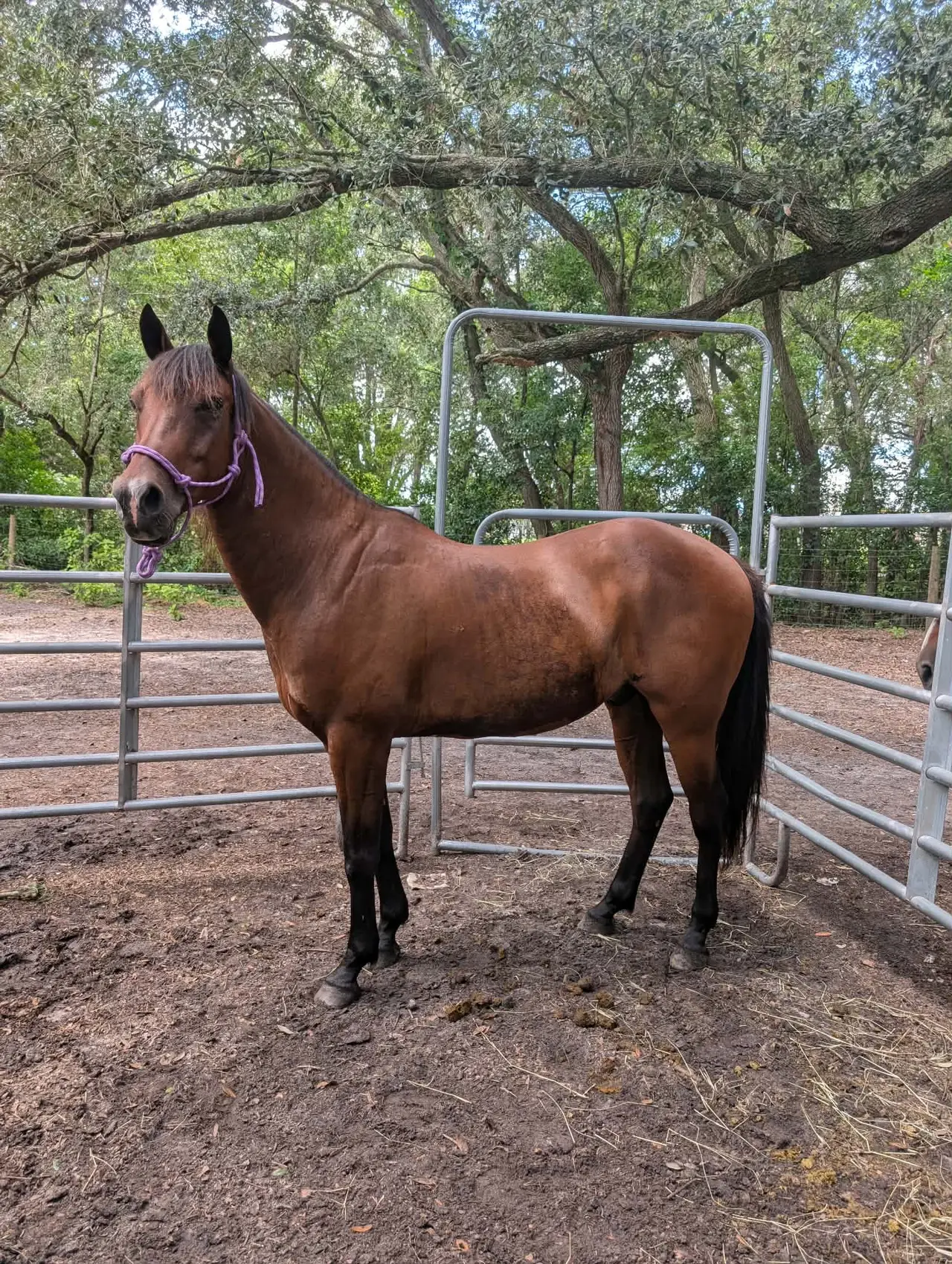
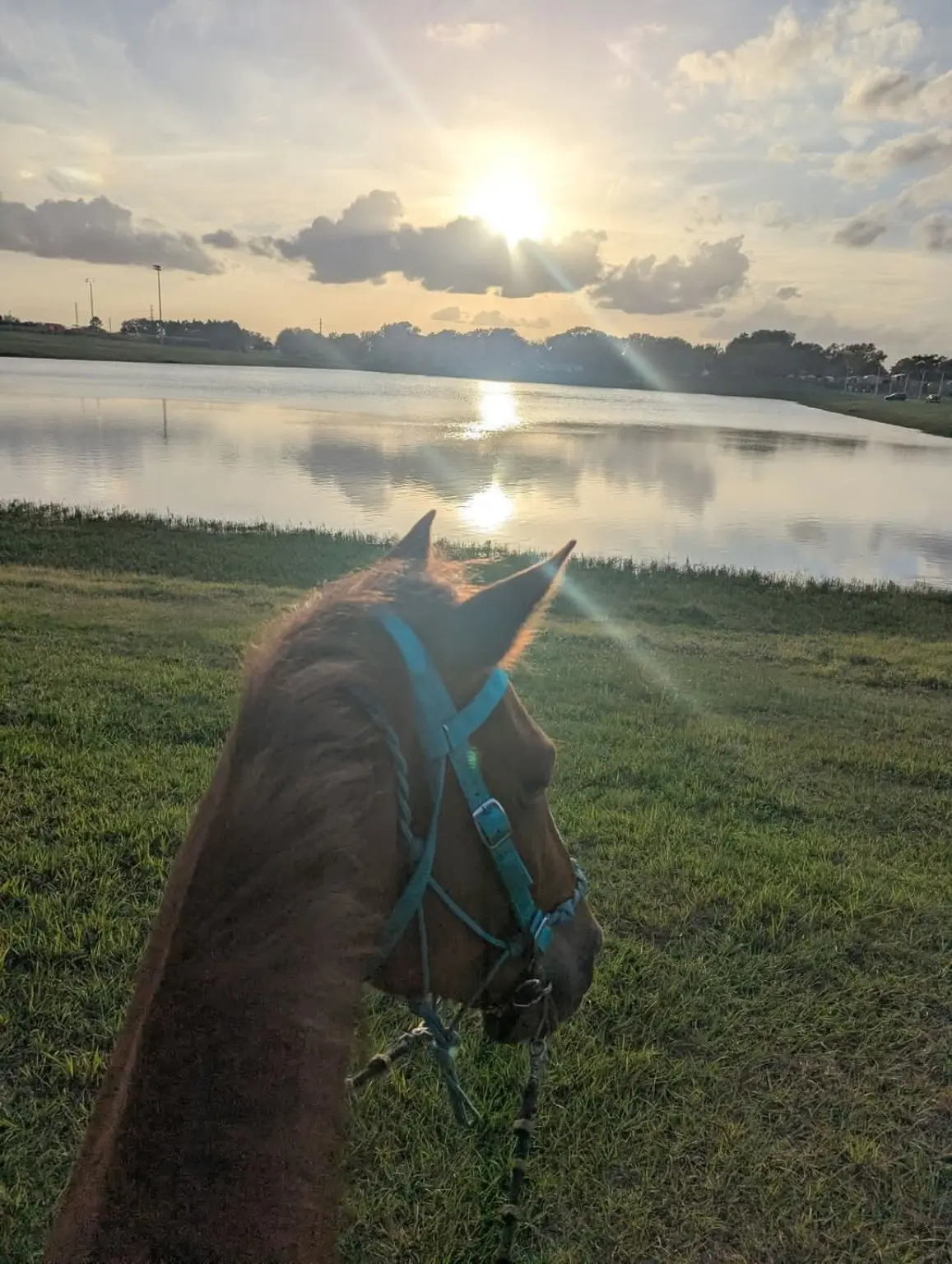
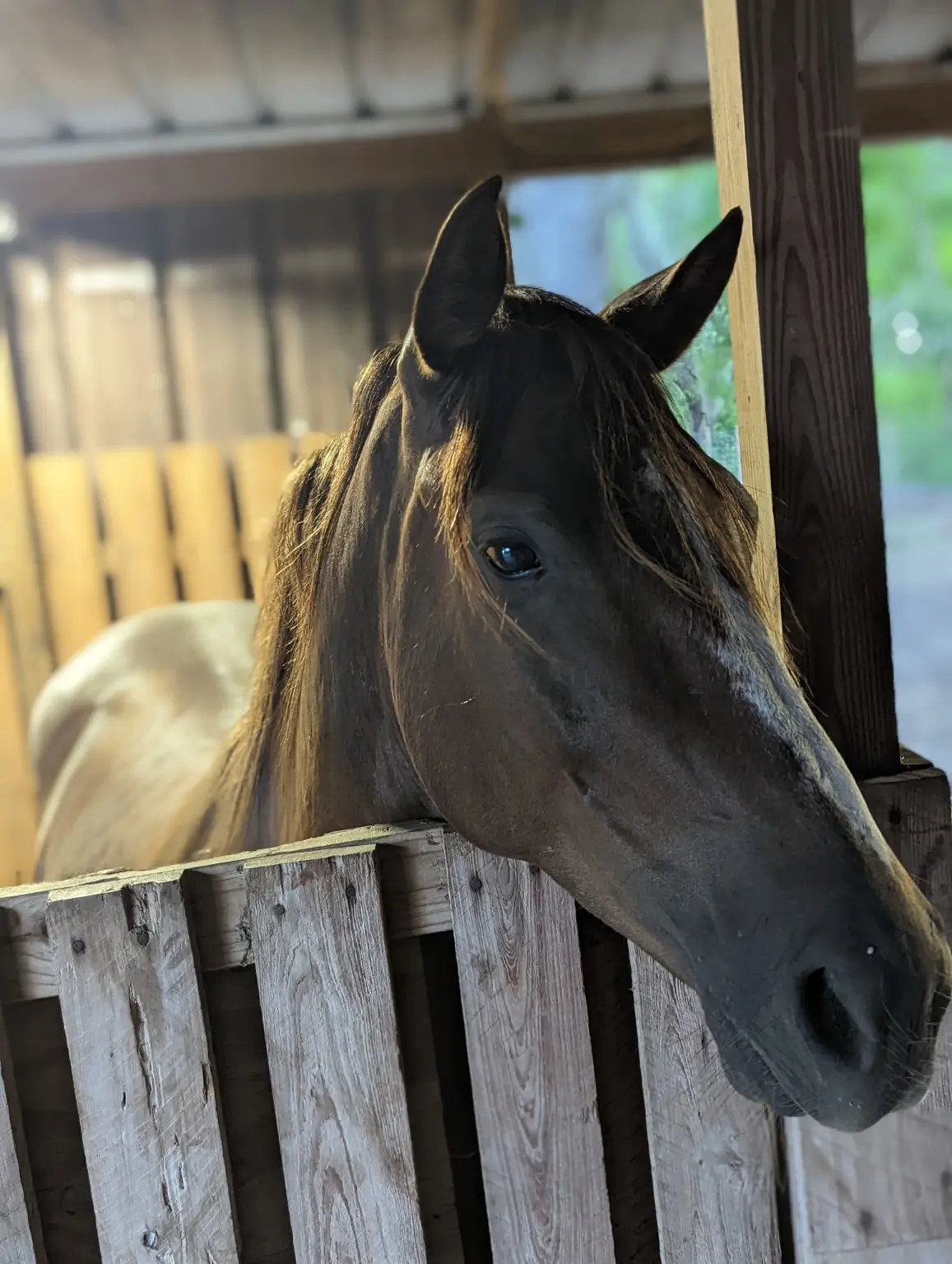
Meet our equines
Each introduction belongs beside the practical questions that animal care raises. These profiles include only what our family has confirmed.
Horse
Red is one of the horses who currently calls DiamondTrail Ranch home. His photographs show the ordinary places where equine care happens: the fence line, barn, stall and supervised family time.
Newest horse
Toby Keith is the newest horse at DiamondTrail Ranch. We are not guessing at his breed, age, training history or personality. When our family has a useful, confirmed lesson to share, it can become a dated Ranch Journal story.
Donkey
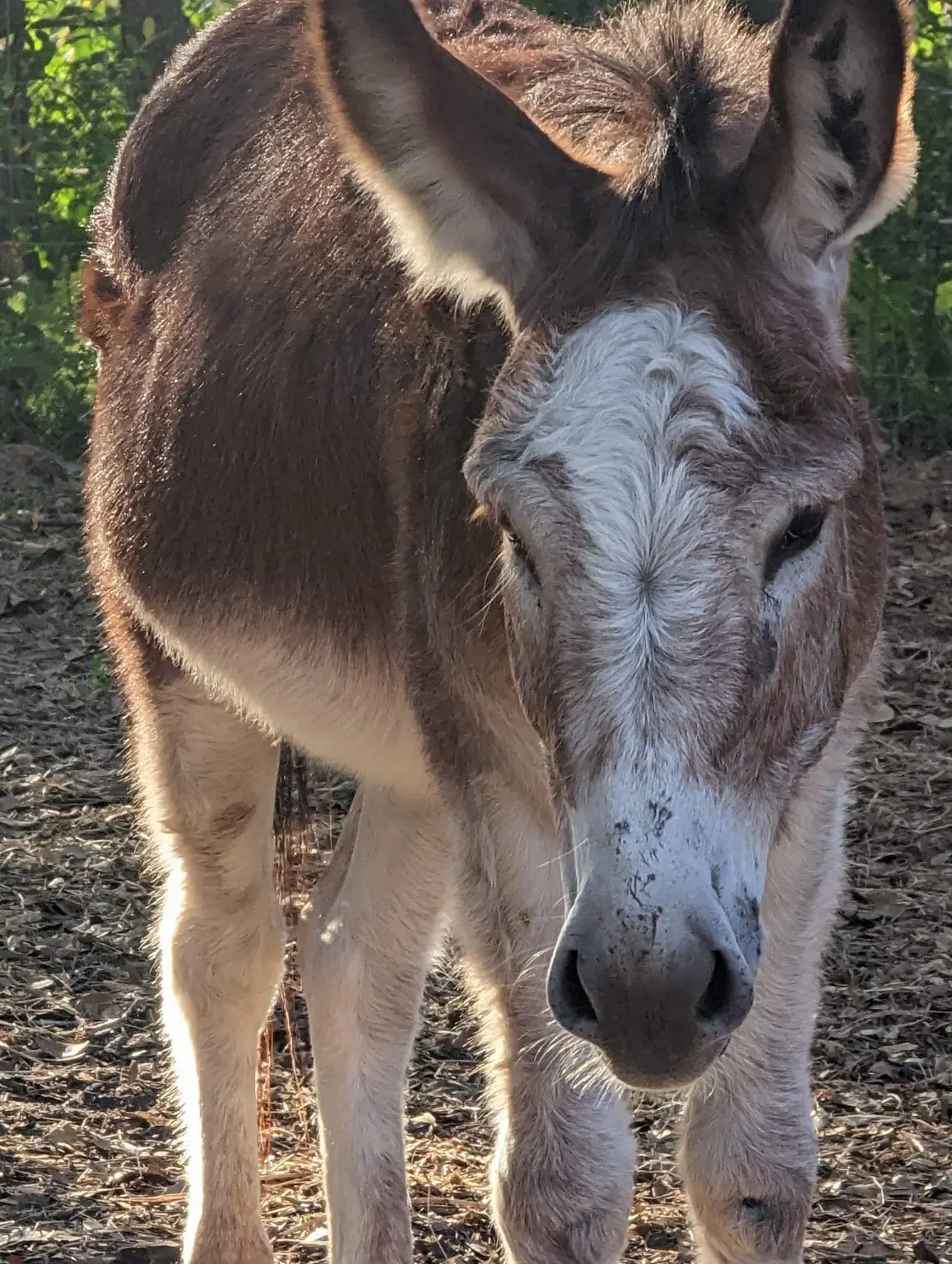
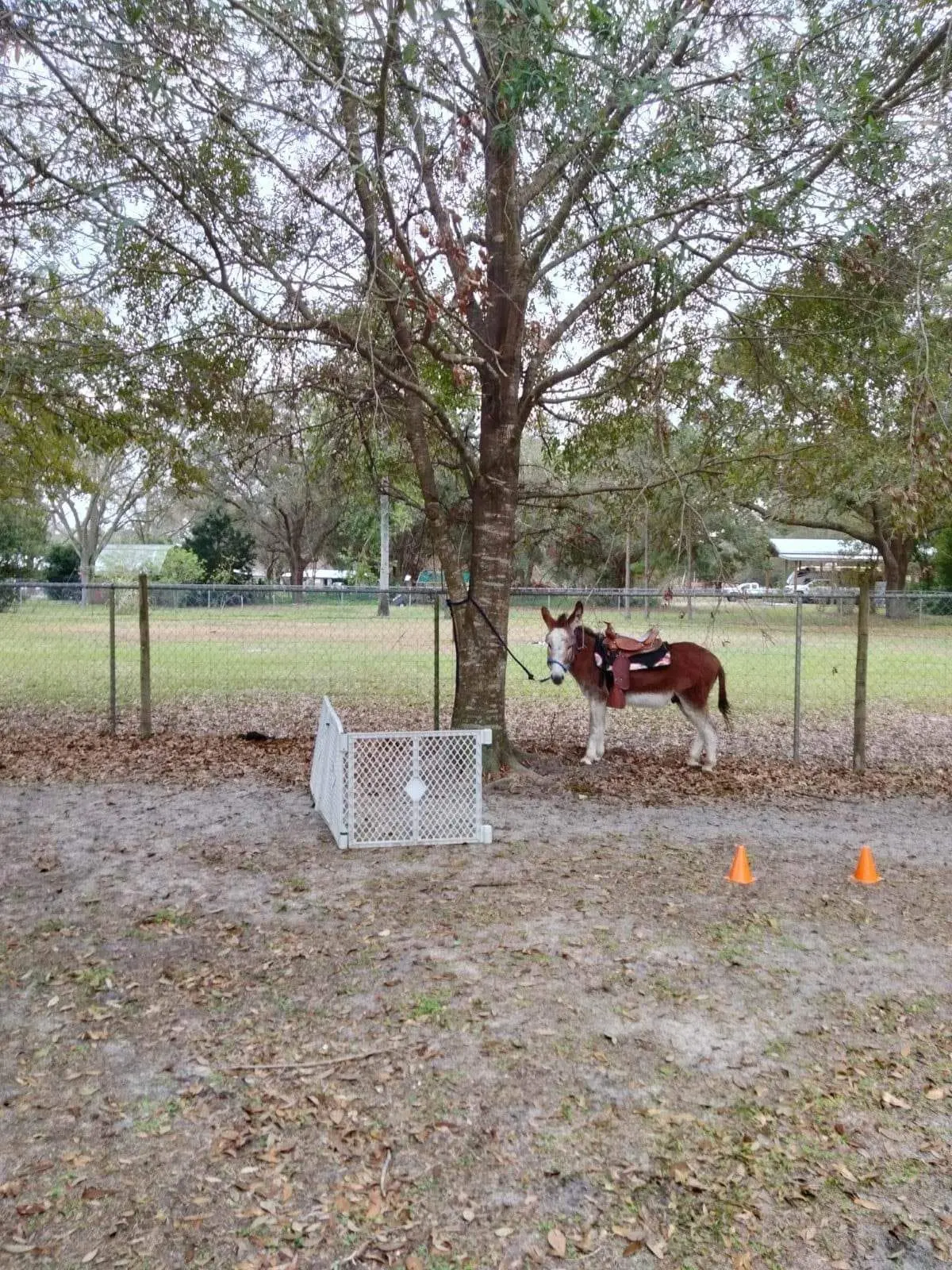
Indy is our donkey. He is part of the same daily system as the horses, but sharing a property does not mean every animal has identical feed, hoof, handling or health needs.
Quick answer
Plan the entire daily system before focusing on acreage alone: equine-safe fencing, separate handling space, reliable shade, dry shelter, stored forage, clean water with a backup, Florida wet-season drainage, farrier and veterinary access, and a realistic trailer or emergency-transport plan.
Nearly two acres does not remove the need for hay, traffic management or professional support. It makes the layout and chore path matter more.
Small-acreage reality
A pasture photograph cannot show how far hay must be carried, where water drains after heavy rain or whether a trailer can reach the animals. Those practical questions decide whether the setup remains manageable.
Subtract shelters, wet ground, gates, storage, driveways and separation areas before judging what the property can support. Open-looking ground is not automatically usable forage.
Trace the real path from hay storage to feeder, hose to trough, gate to handling area and road to trailer. A poor route adds work every day.
Ask what happens when the pump stops, a hose breaks, a gate cannot open, hay gets wet or the usual caregiver is unavailable.
Red, Toby Keith and Indy share the homestead, but a shared fence line does not make one feeding or health plan correct for every equine.
Common questions
They can be kept on smaller acreage only when the property, animal count, stored forage, manure, mud, fencing, exercise, separation and professional-care plan work together. Acreage by itself is not an approval. Check local rules and ask qualified equine professionals to evaluate the individual animals and setup.
Some do, but compatibility and care needs are individual. Use controlled introductions, provide enough room and resources, and keep a way to separate animals for feeding, recovery, handling or conflict.
Do not assume a Florida lawn or small pasture will meet all forage needs. Growth, soil, drainage, season, stocking pressure and the individual animal all matter. Plan safe hay storage and get nutrition guidance specific to each equine.
They need reliable relief from sun and severe weather, with clean water available and frequent observation during heat. Watch where shade actually falls in the afternoon rather than judging the property early in the morning.
Begin with drainage and traffic flow. Move water and feeding pressure away from low spots where practical, maintain a dry handling or resting area and inspect heavily used gates and trough areas after sustained rain.
Do not assume so. Species, body condition, forage, health and workload can change nutritional needs. A veterinarian or qualified equine nutrition professional should help set the plan for each animal.
Identify an equine veterinarian, reliable farrier and emergency transport option. Keep ownership, identification, care and contact records together where another responsible adult can find them.
Transport destinations, trailer availability, identification, records, feed, water and shelter decisions need earlier deadlines. Read our Florida livestock hurricane plan and verify current local emergency instructions before each storm.
Walk through the system
We look for sharp edges, loose wire, narrow gates and places where a hoof or halter could catch. A small property also needs a practical way to separate an animal for feeding, introductions, professional care or an emergency.
Florida changes the daily plan. Shade needs to be available when the afternoon sun is strongest, water must stay easy to inspect and the family needs a way to reduce work and movement when heat becomes dangerous.
Nearly two acres can look generous until animals, shelters, wet areas and traffic routes divide it into working zones. We plan stored forage, feeding locations and hay movement instead of assuming the property will provide every mouthful.
Large troughs still require daily eyes-on checks. Nearby plumbing reduces labor, while a second fill method protects the animals when a hose, fitting, well or pump fails. Drainage matters too because Florida rain can turn the highest-traffic areas into mud.
Wet conditions, insects and changing ground make routine observation part of the system. We do not use a website schedule as a substitute for an equine veterinarian or farrier who can evaluate the individual animal.
A trailer plan written during calm weather is far more useful than one improvised when roads are crowded. Records, identification, destination choices, feed, water and the decision to evacuate or shelter all need to be discussed before hurricane season.
From our YouTube channel
our practical discussion of space, feeding, care and costs when keeping equines on smaller acreage.
This page’s written guide provides the practical information behind the video. The YouTube player provides caption controls when captions are available.
Watch the small-homestead equine video ↗These pages share our family’s experience and questions we believe beginners should ask. Needs vary by animal, property and location. Use appropriate veterinary, agricultural, emergency and local sources for decisions specific to your situation.