Some whole, uncooked dried beans will sprout, especially if they are relatively fresh and were not heat-treated. Germination and variety are uncertain, so test ten beans on a damp paper towel before giving them garden space.
Florida timing
When this project makes sense
Common beans prefer Florida's milder spring and fall windows. Southern peas handle summer heat better. Use a regional UF/IFAS calendar after identifying the likely bean type.
Gather before starting
What you will need
Ten whole uncooked dried beans
Damp paper towel and food container
Labels
Sunny bed or large container
Compost-amended draining soil
Trellis if the plant vines
Watering wand
Step by step
Follow these steps
1
Reject split, cooked, canned, polished or obviously damaged beans.
2
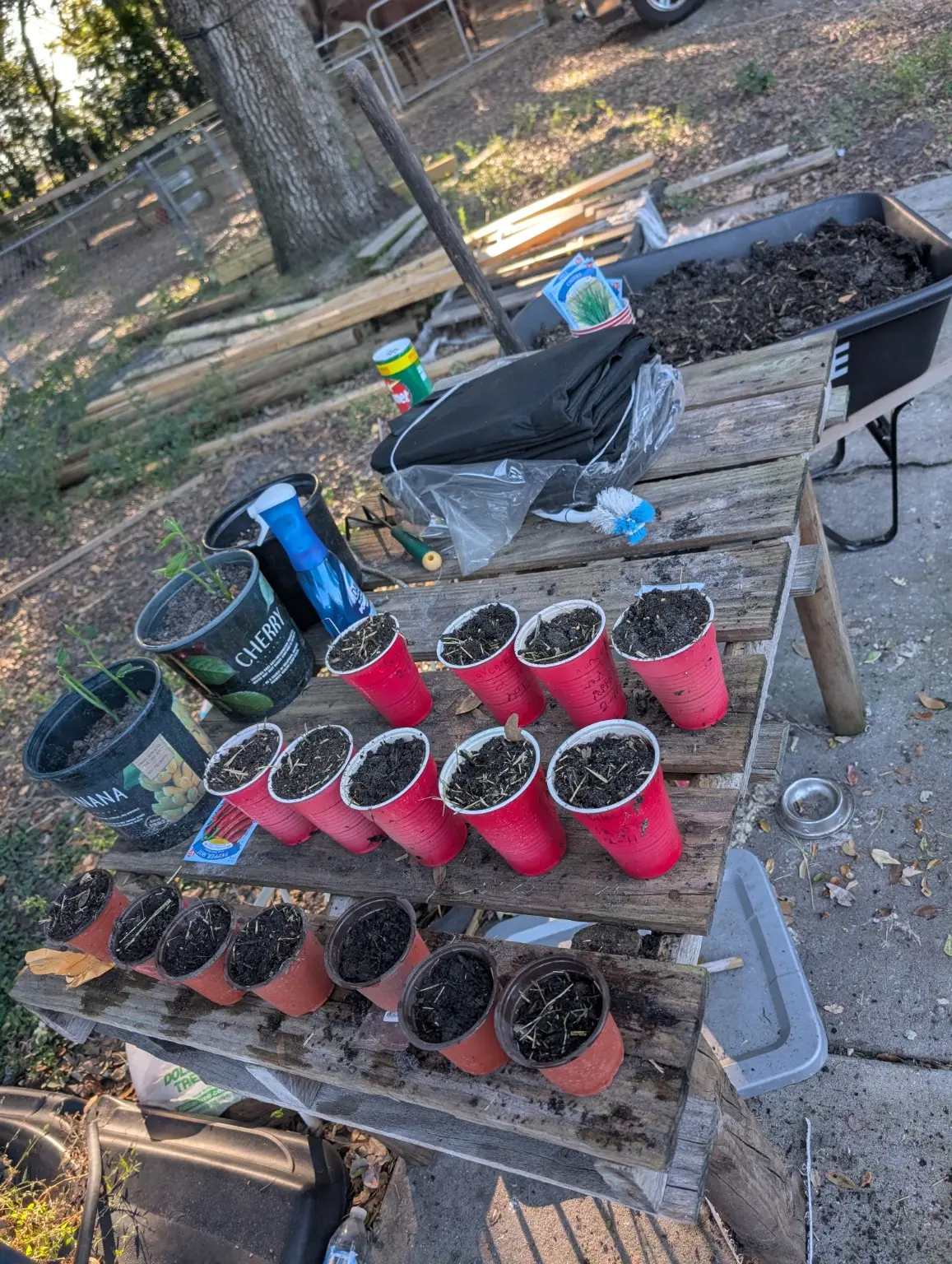
Wrap ten beans in a damp—not dripping—paper towel and place it in a loosely closed container.
3
Check daily for seven to ten days and record how many produce a healthy root.
4
Plant only if the test gives enough strong sprouts to justify the space.
5
Sow about one inch deep in warm, draining soil and label the grocery source and date.
6
Install support early if growth begins to vine; do not wait until roots are surrounded by stakes.
7
Water at soil level and watch for leaf disease during humid weather.
8
Harvest green pods only when the identity is understood, or let pods dry fully for dry-bean observation.
01
Run a ten-seed test first
A paper-towel test turns a guess into a percentage. If two of ten beans sprout, the packet may be old or damaged; if nine sprout, the experiment has a much better starting point.
A root emerging proves life, not garden suitability or food safety.
02
Know that the label may be incomplete
A bag labeled only black beans or pinto beans rarely tells you growth habit, days to maturity or disease resistance. The plant may be a bush or a vine.
Give a small test row room for a simple trellis and keep it away from the center of a carefully planned bed.
03
Match the bean to Florida weather
Many snap and dry beans slow down in high heat and humidity. Southern peas are a different crop and usually handle summer better.
A grocery experiment works best when the planting window matches the likely crop instead of the day the idea occurred.
Supporting sources
Verify the important details
These are the public sources we used for timing, safety and Florida-specific context. Open the newest guidance for your location.
General growing information—not a guarantee for every yard
This page shares general information and our Central Florida family-homestead experience. Weather, soil, water, plant material and county conditions differ. Check current UF/IFAS guidance, labels and the appropriate qualified source for important decisions.