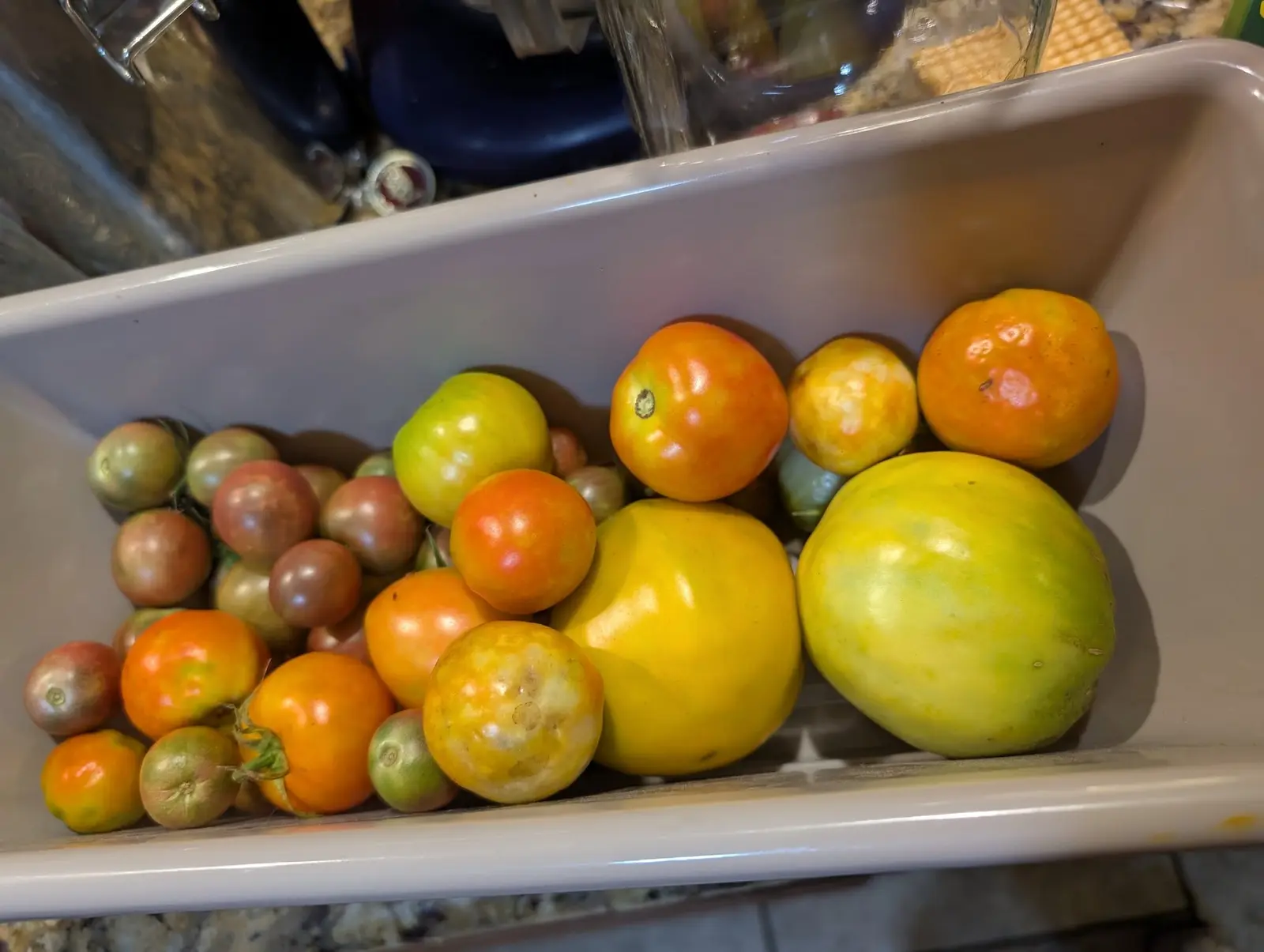
Yes, ripe grocery-store tomato seeds can germinate. The catch is genetics: many supermarket tomatoes are hybrids, so their seedlings may produce fruit that looks or tastes different. Treat the first season as an experiment and use a named Florida-suitable seed variety when a predictable harvest matters.
Florida timing
When this project makes sense
For Central Florida, tomatoes are usually started for late-winter or late-summer transplanting so plants can flower outside the worst heat. Compare the current UF/IFAS calendar with your frost risk and cultivar.
Gather before starting
What you will need
One fully ripe tomato
Small cup and spoon
Water and paper towel
Seed-starting mix
Clean cells or small pots with drainage
Plant label
Sunny window or grow light
Step by step
Follow these steps
1
Choose a healthy, fully ripe tomato and write down its store label or type.
2
Scoop the seeds and gel into a cup, add a small splash of water and cover loosely.
3
Let the mixture sit two to three days, stirring daily, until the gel separates; discard any visibly moldy or damaged seed batch.
4
Rinse the seeds in a fine strainer, spread them in one layer and dry them completely for several days.
5
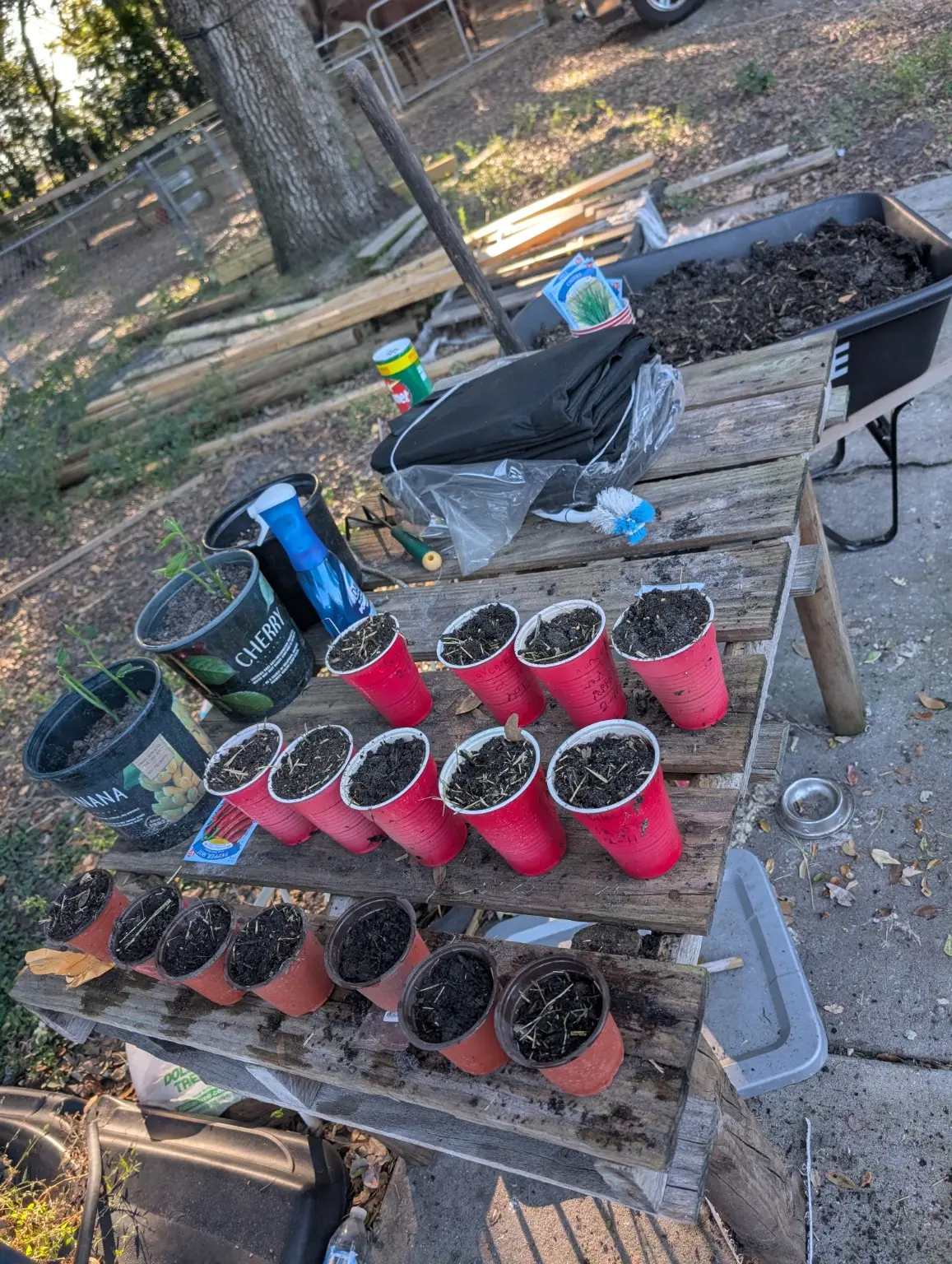
Sow two seeds per cell about one-quarter inch deep in moist seed-starting mix and label the date.
6
Give seedlings strong light, airflow and even moisture; thin to the strongest plant after true leaves appear.
7
Harden seedlings outdoors gradually for about a week before transplanting into sun and well-drained soil.
8
Record the first fruit instead of assuming it will match the parent tomato.
01
Why ferment the seed
Tomato seed is surrounded by a slippery gel that can slow germination. A short, controlled fermentation helps separate that coating before the seed is washed and dried.
Label the cup before beginning. Once several varieties are on a counter, memory is not a reliable seed-saving system.
02
Expect genetic surprises
A hybrid tomato does not reproduce predictably from saved seed. The seed can be alive and productive while the fruit is smaller, larger, differently colored or less flavorful than the grocery tomato.
That uncertainty makes it a good family experiment. It does not make it the best choice for someone planning a dependable canning or market crop.
03
Work around Florida heat
Tomato pollen and fruit set suffer during prolonged heat. In much of Central Florida, success comes from establishing plants for spring or fall rather than asking new transplants to thrive through peak summer.
Shade cloth, mulch and careful watering can reduce stress, but they do not replace planting at a sensible time.
Supporting sources
Verify the important details
These are the public sources we used for timing, safety and Florida-specific context. Open the newest guidance for your location.
General growing information—not a guarantee for every yard
This page shares general information and our Central Florida family-homestead experience. Weather, soil, water, plant material and county conditions differ. Check current UF/IFAS guidance, labels and the appropriate qualified source for important decisions.