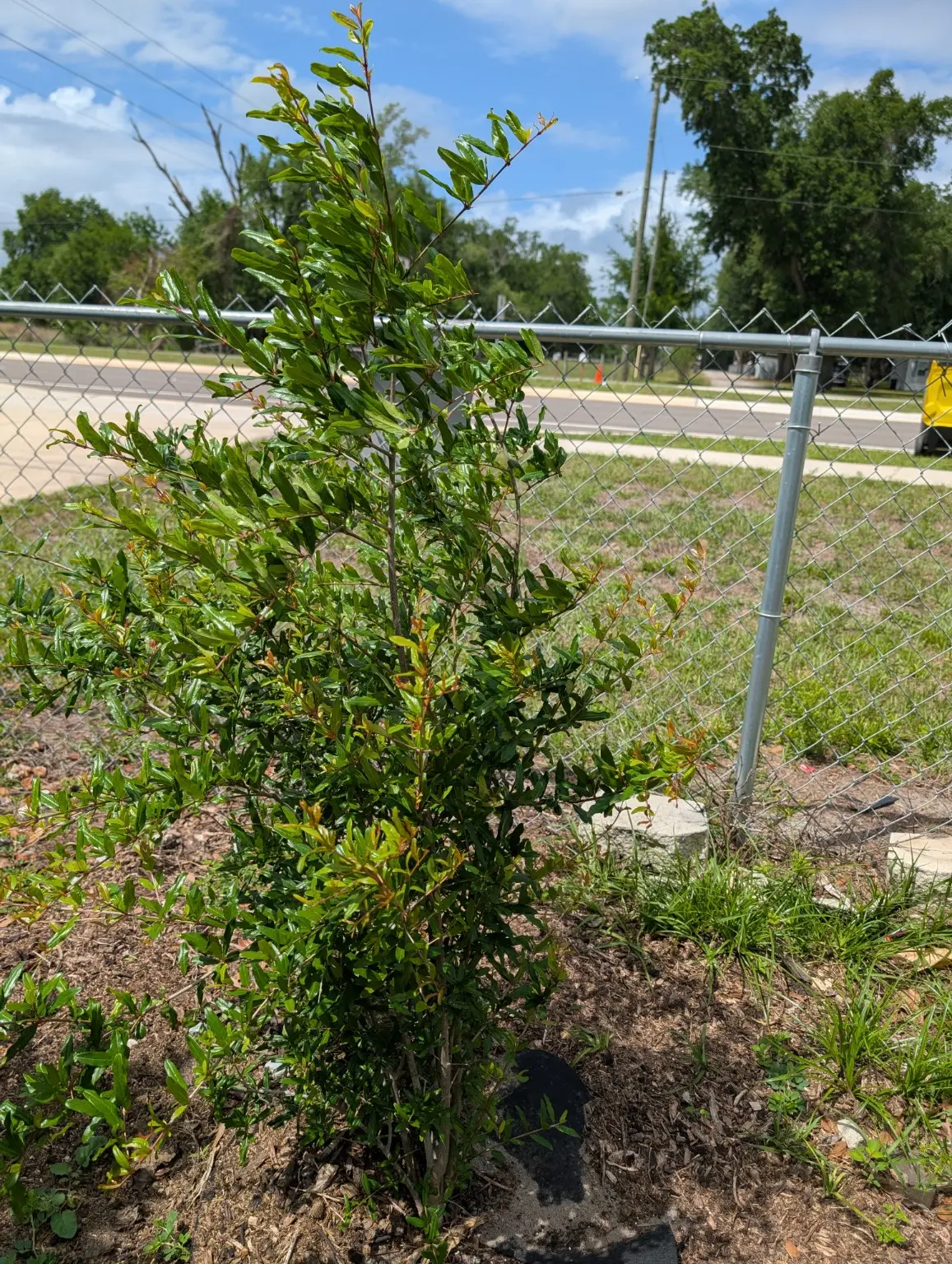
A fresh mango seed often germinates, but the seedling may not make fruit like the original mango. Some mangoes produce several similar seedlings and others do not; without a known cultivar, treat it as a long-term experiment.
Florida timing
When this project makes sense
Begin in warm weather. Mango is tropical and young trees need cold protection; Central Florida freezes make site selection and expectations important.
Gather before starting
What you will need
Ripe mango seed husk
Gloves
Clean scissors or pruners
Damp paper towel
Food container with loose lid
Deep pot with drainage
Loose potting mix
Step by step
Follow these steps
1
Wash all fruit from the fibrous husk and let the outside dry enough to handle.
2
Wearing gloves, carefully trim the husk edge without cutting the inner seed; stop if you cannot see a safe cutting path.
3
Remove the firm inner seed and discard any that is black, hollow or rotten.
4
Wrap it in a barely damp paper towel and place it in a warm, loosely closed container.
5
Check every few days, replacing any sour or moldy towel.
6
Plant the sprouted seed on its side in a deep draining pot with the top just below the mix.
7
Move the seedling into strong light gradually and protect it from cold.
8
Keep it container-grown until you have a realistic mature-tree site and cultivar expectations.
01
Open the husk, not your hand
The mango husk can be slippery and fibrous. Use a stable surface, cut away from your body and stop rather than forcing a blade toward the seed.
Anyone sensitive to mango skin should use gloves and avoid direct contact with the peel and sap.
02
Fresh seed matters
Mango seed loses viability as it dries. Begin soon after eating the fruit rather than saving the intact husk on a shelf for months.
A clean, warm towel makes root development visible, but it must never become a sealed swamp.
03
Plan for a real tree
A mango can become large and wind-exposed. Seedling fruiting time and quality are uncertain, and cold may limit the tree in Central Florida.
A grafted cultivar chosen for flavor, disease response and size is the more predictable orchard choice.
Supporting sources
Verify the important details
These are the public sources we used for timing, safety and Florida-specific context. Open the newest guidance for your location.
General growing information—not a guarantee for every yard
This page shares general information and our Central Florida family-homestead experience. Weather, soil, water, plant material and county conditions differ. Check current UF/IFAS guidance, labels and the appropriate qualified source for important decisions.