Goat Fencing in Florida: What Actually Works on a Small Homestead
Compare woven wire, panels, electric offsets, gates and storm weak points for goats on a small Florida property.
Amanda Grimes-ShokesOwner of DiamondTrail Ranch · Florida goat keeper
Published Updated 10 minute read
The immediate answer
Florida Goat Fencing
A practical Florida goat fence starts with a secure physical perimeter, tight gates and no climbable objects at the fence line. Woven wire or well-secured livestock panels can form the main barrier; carefully installed electric offsets may reduce leaning and predator pressure. The best design also anticipates kids, horns, wet soil, falling limbs and hurricane repairs.
Key takeaways
What matters most
Design for the smallest goat and strongest goat
Treat gates and corners as systems, not afterthoughts
Keep feeders and play structures away from the perimeter
Plan how animals will be contained while storm damage is repaired
01
Start with a dependable physical barrier
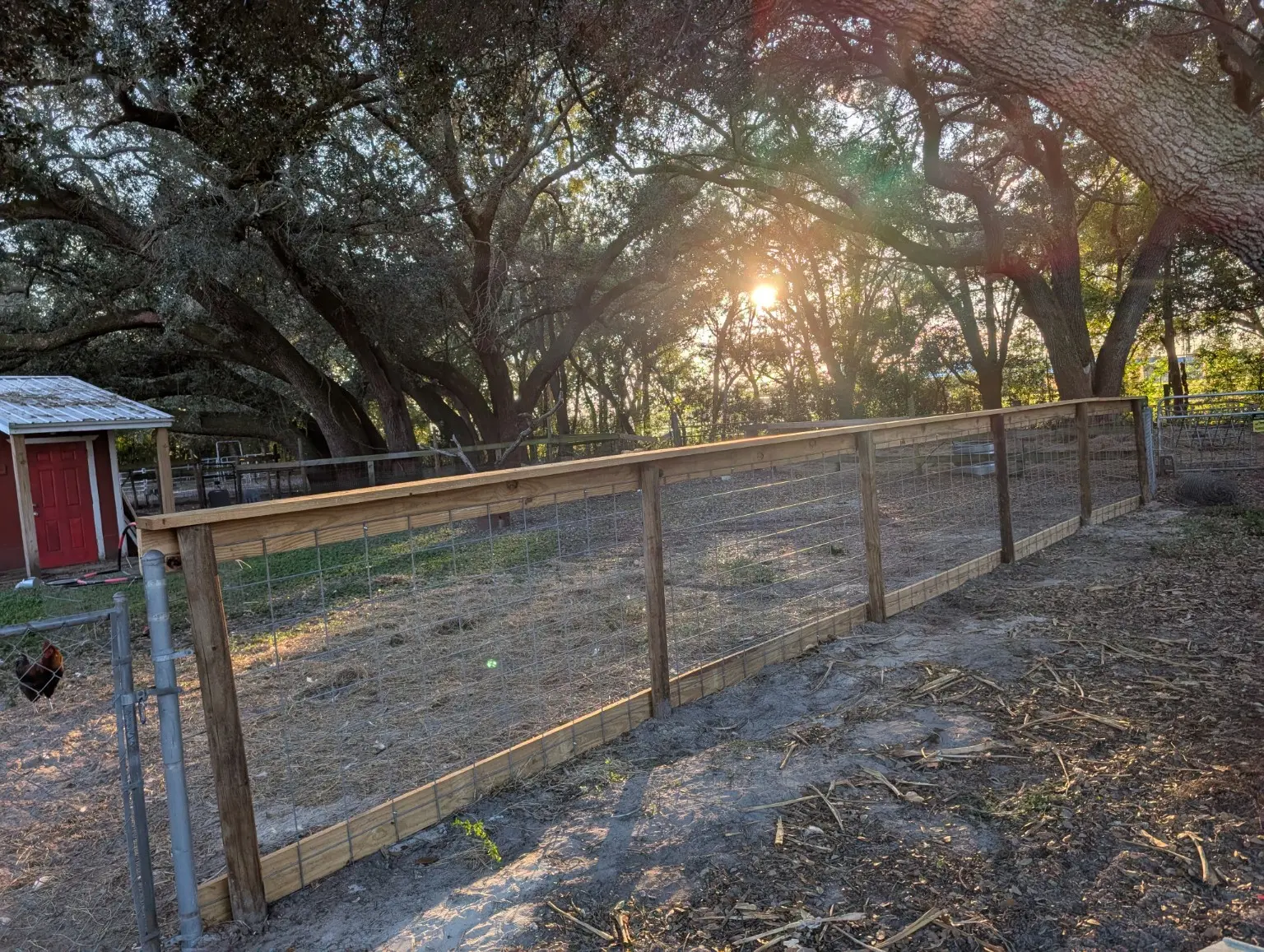
Woven wire and livestock panels are common because they create a visible boundary that does not disappear during a power outage. Opening size, height, post spacing and attachment strength must match the goats, especially kids and horned animals.
Field fencing that is loose at the bottom or poorly tensioned can become an invitation. Inspect the whole line at goat eye level and kid height, not only from the driveway.
02
Use electric fencing as a planned layer
Electric wire or offsets can discourage rubbing, climbing and predator pressure, but vegetation, wet hardware, poor grounding and storm outages can reduce performance. It should not be the only thing standing between untrained goats and a road or unsafe area.
Introduce animals to electric fencing deliberately and maintain it with a tester. A charger light is not a substitute for voltage checks along the line.
03
Gates fail more often than fence fabric
A gate needs a latch that cannot be nosed open, enough ground clearance to operate after rain, and a routine that works while carrying hay. Add a secondary closure where consequences are high.
Avoid large gaps beside hinge and latch posts. Place vehicle gates so a delivery or trailer does not require holding animals back with one hand.
One-hand operation without sacrificing security
No kid-sized side gap
Chain or secondary latch for critical boundaries
Clear emergency and trailer access
04
Design for trees, rain and hurricane recovery
Florida fencing lives under limbs, in saturated soil and through wind. Walk the line before storm season, remove manageable hazards and store repair materials where a fallen tree cannot block access.
After a storm, inspect every boundary before releasing goats. Temporary panels, step-in divisions and a secure sacrifice pen can buy the time needed for permanent repair.
05
Small-acreage layout matters as much as materials
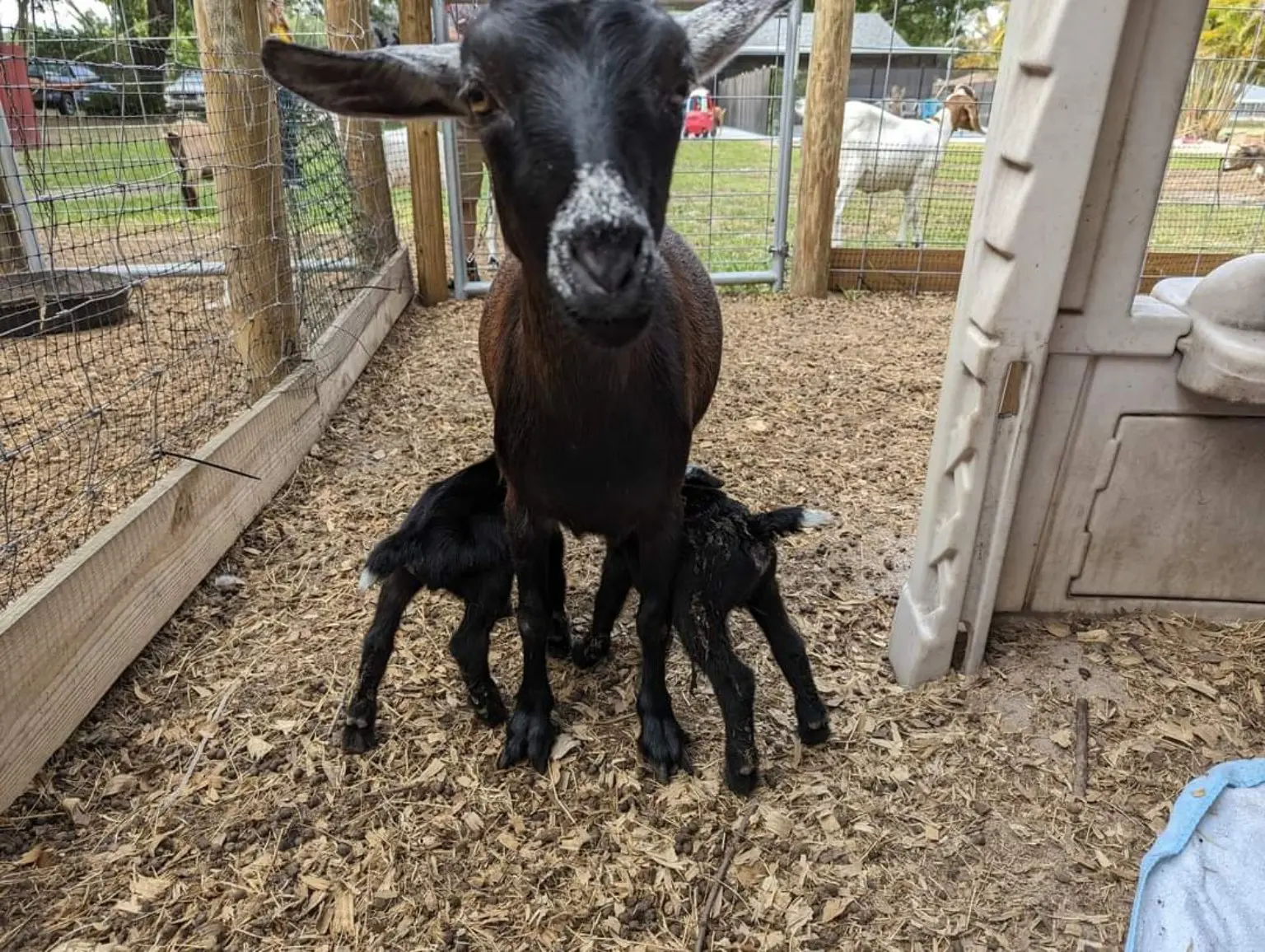
Separate bucks, new arrivals, sick animals and kidding does without creating dead-end lanes. Bring water and hay to areas without opening the perimeter. Leave room to mow and inspect both sides.
Cheap fencing becomes expensive when it creates repeated escapes, emergency repairs or unsafe entanglement. Spend first on the perimeter, gates and a flexible separation area.
Frequently asked questions
Questions readers ask next
Is cattle panel fencing good for goats?
Well-secured livestock panels can be useful, especially for pens and repairs, but opening size, horns, kids, post spacing and cost still need evaluation.
How tall should a goat fence be?
There is no universal height. Breed size, individual behavior, terrain, nearby attractions and whether bucks are present all affect the design.
Can electric fence contain goats by itself?
Some managed systems do, but a dependable physical perimeter is safer for many small homesteads, especially near roads and during outages.
Supporting references
Where the outside information came from
We separate our family’s experience from outside guidance. These sources support the general information used on this page.