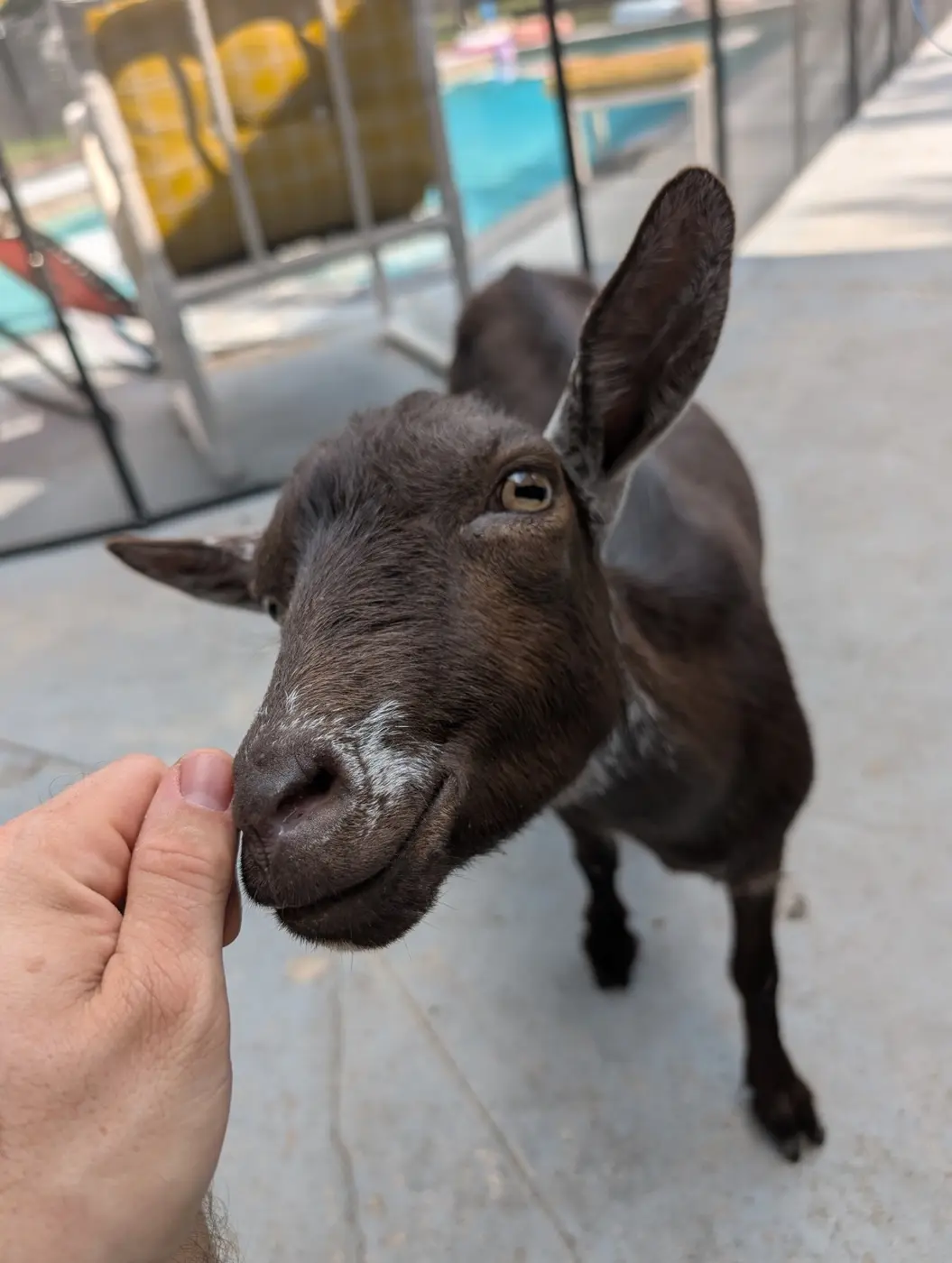
Health and monitoring
Florida Goat Parasites
Understand barber pole worm, FAMACHA limits, fecal testing, selective treatment and the signs that need veterinary help.
Read the Guide → DiamondTrail Ranch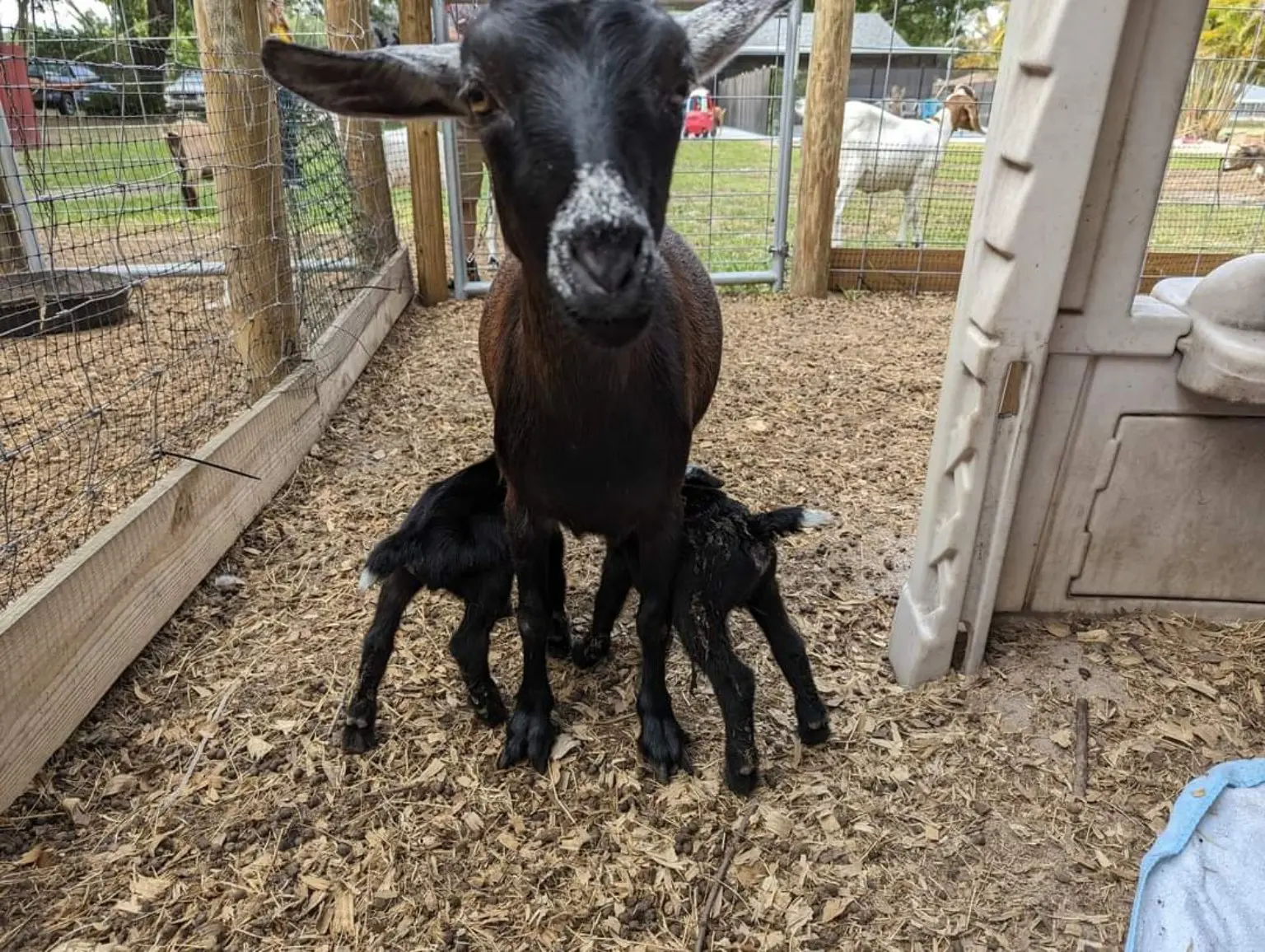
Heat, rain, parasites, fencing and firsthand lessons
Goats can fit a Florida homestead, but success depends on building the connected system first: compatible goat companionship, strong fencing, dry shelter, clean redundant water, forage and mineral planning, parasite monitoring, separation space and a storm plan. This guide combines what our goats have taught us with current UF/IFAS and professional small-ruminant guidance.
Browse Florida GoatsFrom this property and current sources
Goats can fit a Florida homestead, but success depends on building the connected system first: compatible goat companionship, strong fencing, dry shelter, clean redundant water, forage and mineral planning, parasite monitoring, separation space and a storm plan. This guide combines what our goats have taught us with current UF/IFAS and professional small-ruminant guidance.
This section is for: Florida families considering their first goats, rebuilding an existing system or trying to connect health, feed, fencing, weather and small-acreage limits instead of treating each problem separately.
Our ranch record comes from two acres in Central Florida. Conditions vary by property, region, animal, plant, and situation.
Ranch records and focused guides
Choose the page that matches the animal, plant, measurement, or chore in front of you.
Understand barber pole worm, FAMACHA limits, fecal testing, selective treatment and the signs that need veterinary help.
Read the Guide →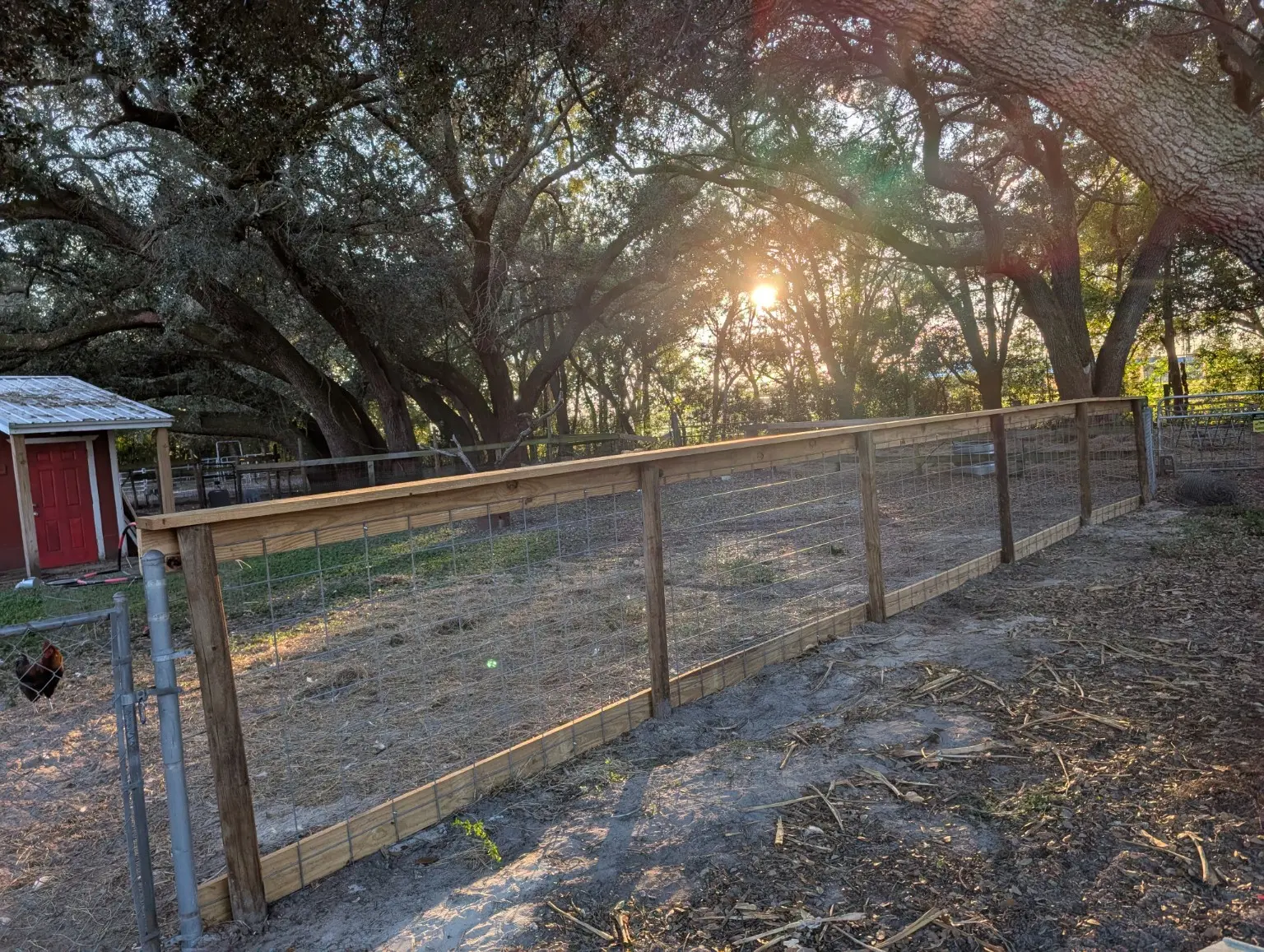
Plan the physical perimeter, gates, electric layers, kid-sized gaps and post-hurricane repair strategy.
Read the Guide →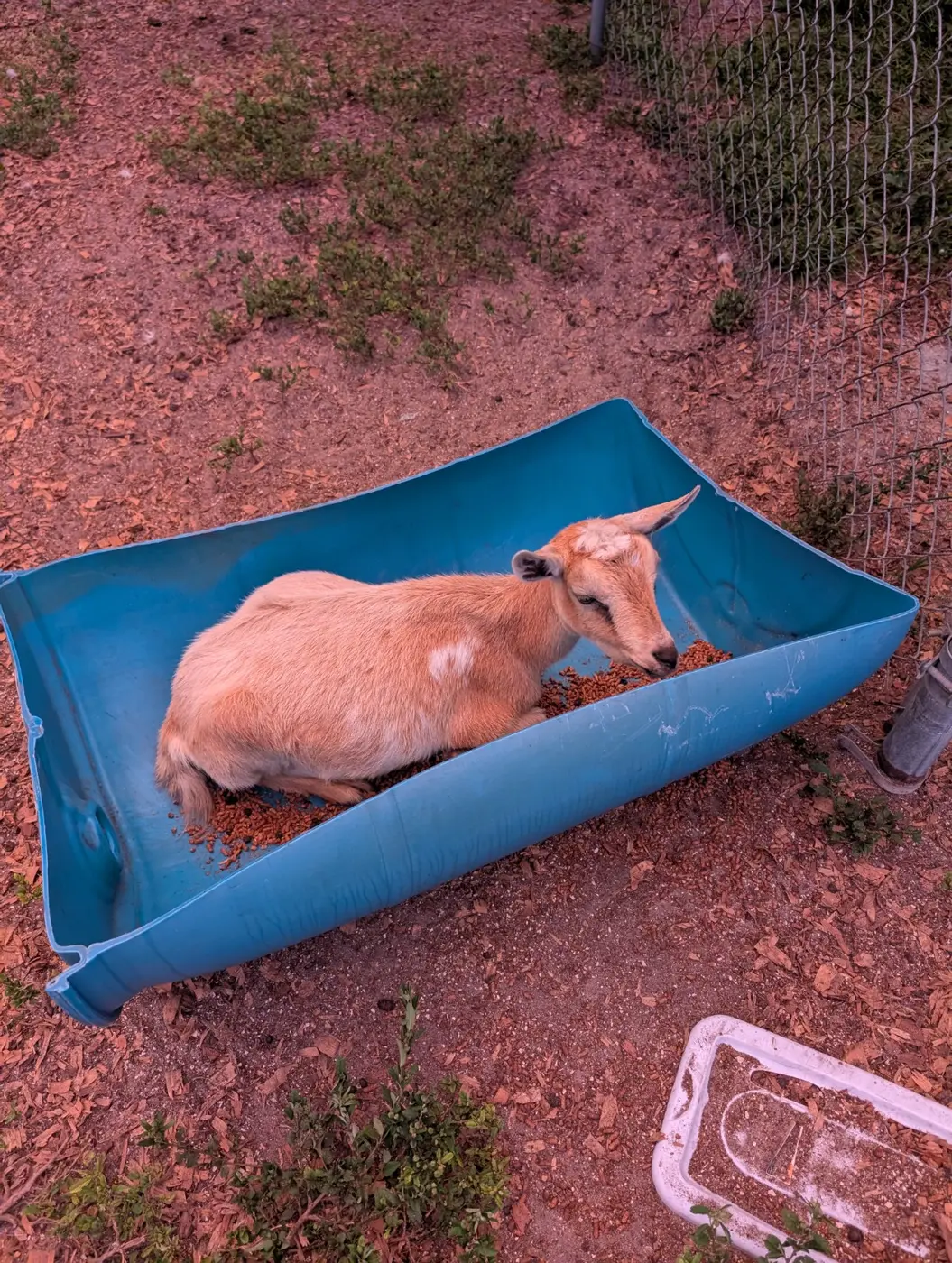
Connect browse, hay, concentrates, goat-specific minerals, body condition and humidity-aware storage.
Read the Guide →How the parts connect
Goats can provide milk, meat, brush management, breeding stock, companionship and an approachable entry into livestock. The right purpose matters because a pet wether, a dairy doe and a breeding buck create different feed, fencing, housing and handling requirements. Buying a breed before defining the job reverses the decision.
The surprise is rarely the animal alone. Goats turn every weak system into a daily chore: a loose gate, wet hay, one water source, an undersized quarantine pen or no place to separate a buck. We learned to see the herd as the center of a network rather than a set of individual purchases.
Goats are herd animals. Plan for compatible goat companionship and the space to separate animals safely when health, breeding, kidding or conflict requires it. Another species and extra human attention do not reliably replace a goat companion.
Breed size, temperament, production, horn status and availability all affect management. Smaller goats can reduce individual feed and handling scale, but they do not eliminate the need for secure fencing, dry shelter, minerals, veterinary planning or compatible companions. A gentle advertisement is not a substitute for observing the source herd and asking clear health questions.
Bucks need housing strong enough for rut, odor, breeding separation and fence-line pressure. Does may require kidding, lactation and dry-period planning. Wethers can be rewarding companions but still need careful mineral, body-condition and urinary-health management. Decide which group you can responsibly house before deciding which goat looks appealing.
Horns are not simply cosmetic. They affect feeder openings, fencing entanglement, handling and group dynamics. Polled genetics also require informed breeding decisions. Use experienced breeders and a veterinarian rather than treating any one trait as automatically better.
Florida does not have one climate. Coastal exposure, inland heat, northern freezes, southern warmth, soil and drainage change the calendar. Statewide, however, prolonged heat, humidity, intense rain and tropical weather make airflow, shade, dry footing and water redundancy unusually important.
A roof creates shade but can trap heat if the structure is closed. A raised floor can stay dry while the gate becomes a mud pit. An automatic waterer can save time while hiding a failed valve. Evaluate the full path the goats use, resting, eating, drinking and moving, not just the shelter photograph.
Watch individual animals. Age, coat, body condition, pregnancy, lactation, health and acclimation affect heat response. Rapid breathing, weakness, collapse or other distress needs prompt action and veterinary help, not an online diagnosis.
Warm, humid conditions can support gastrointestinal parasite pressure for long periods. Barber pole worm is especially important because it feeds on blood and severe burdens may present as anemia and bottle jaw without the diarrhea beginners expect. A goat that is weak, very pale, swollen under the jaw, not eating or deteriorating needs prompt veterinary attention.
FAMACHA is a standardized method for estimating anemia associated primarily with barber pole worm. It is not a universal worm test, and it requires hands-on training and a legitimate card. Fecal egg counts add different information. Body condition, appetite, manure, behavior and herd history still matter.
Routine treatment of every goat on a fixed calendar can select for drug resistance. UF/IFAS emphasizes targeted selective treatment and refugia. Drug selection, dosing, withdrawal times and treatment effectiveness belong in a veterinarian-guided plan informed by local resistance patterns and testing.
Goats prefer browse, but a small property may not provide enough safe, nutritious forage year-round. Purchased hay often becomes the foundation, and its quality depends on plant, maturity, harvest, storage and testing, not simply a popular name. Match the diet to age, body condition, pregnancy, lactation and forage quality with qualified guidance.
Concentrates should have a defined purpose. Measure consistently and change feeds gradually so the rumen can adjust. Keep bags and hay raised, labeled, rotated and protected from Florida humidity, pests, leaks and wind-driven rain. Moldy or contaminated feed is not a bargain.
Use an appropriate goat-specific loose mineral. Sheep mineral is formulated around different copper needs and is not an automatic substitute. Regional forage and water affect the whole mineral picture; avoid improvised copper, selenium or other dosing without veterinary direction.
Clean water starts at the source and passes through power, pumps, pipes, hoses, valves and containers. Any link can fail. Two troughs on the same broken line are not two water systems. Keep manual containers and a transport plan, and measure what the herd actually uses during hot weather.
Shade containers when practical, verify automatic flow daily and clean before algae and residue become established. Milk production, heat, diet, size and health change consumption, so a generic gallon number is only a planning starting point.
A dependable physical perimeter, carefully designed gates and no climbable objects at the fence line solve more problems than chasing goats after an escape. Woven wire and well-secured panels are common foundations; electric offsets can reduce rubbing and climbing when installed, grounded and maintained correctly.
Design for the smallest kid, a determined buck and the possibility of horns. Protect gaps beside gates and keep feeders from becoming ladders. Leave access for mowing, inspection, feed delivery, veterinary help and trailers.
Shelter can be simple when it is safe, dry, ventilated and large enough for lower-ranking goats to rest. Route roof runoff away from doors and feeding areas. Anchor structures for local wind exposure and inspect every panel after severe weather.
Hooves need regular inspection and trimming intervals based on the individual goat, ground and growth. Wet conditions can soften tissue and hide problems in mud. Learn safe restraint and trimming from an experienced professional; ask for help when anatomy, lameness or infection is uncertain.
Body condition, coat, appetite, manure, gait, rumination and social position together create a baseline. Records help distinguish a one-day impression from a real trend. They also give a veterinarian better information when something changes.
Breeding adds buck separation, recordkeeping, nutrition, pregnancy monitoring, kidding space and emergency planning. Readiness is not defined by age alone. A veterinarian or experienced breeder can help assess size, condition, history and herd goals.
Prepare clean supplies, identification, records, colostrum planning and a veterinarian contact before labor begins. Newborns need warmth, breathing, nursing and close observation, but complicated presentations and a doe in distress require qualified help. A website should not turn a high-risk obstetric problem into a confident DIY procedure.
Prevent accidental breeding with physical separation, not hope. Bucks can pressure fence lines during rut, and young animals may become fertile before a beginner expects it.
Prepare a separate pen before bringing home a new goat. Use separate buckets and tools, control runoff and movement, collect source and health records, establish a baseline and discuss testing and parasite evaluation with a veterinarian.
A visually healthy goat can still introduce disease or resistant parasites. Quarantine length and exit criteria depend on source, testing, herd goals and professional guidance. Plan what a concerning result would mean before the resident herd has shared a fence or feeder.
Florida predator pressure varies by property and may include domestic dogs, coyotes, bobcats and other wildlife. Strong perimeter fencing, secure night areas, vegetation management, lighting used thoughtfully and daily counts form a layered system. No single device guarantees protection.
Livestock guardian dogs can become part of that system, but a puppy is not a mature independent guardian. Bonding, supervision, livestock introductions, boundary work, barking, roaming, heat, shade and water all require long-term management. The role is different from a herding dog and different from placing a conventional pet in a pasture.
We identify working dogs only when their name, role and history are documented. Zero’s case study follows verified introductions, boundaries, setbacks and milestones without overstating that livestock-guardian development happens on a universal schedule.
Identify every goat, keep photographs and records offline, know the trailer capacity and destination, protect familiar feed and calculate animal water separately from household drinking water. Make the shelter-or-evacuation decision with current local orders, flood risk, roads, structure and qualified guidance.
When Hurricane Milton crossed our ranch, recovery reinforced the value of checking fence lines and animal areas before ordinary turnout. Fallen limbs, displaced wire, sharp debris and contaminated water can remain after the wind passes.
Temporary panels and a secure sacrifice pen create time for permanent repair. Store basic fencing materials where a fallen tree or damaged building will not trap them, and photograph damage before cleanup when it is safe.
There is no universal goats-per-acre answer. Usable forage, browse, drainage, feed budget, manure, rotation, group separation, local rules and management capacity change the result. Green land can become bare quickly, and a tiny rotation may not rest long enough to provide the expected forage or parasite benefit.
Plan a dry sacrifice area and assume purchased hay may carry the system through wet, hot or overgrazed periods. Reserve space for bucks, kidding, quarantine and illness. If every pen is full during an ordinary week, there is no flexibility for the week that is not ordinary.
Buying goats before finishing the fence, relying on one water source, assuming grass eliminates hay, using sheep mineral, treating every parasite problem on a calendar, skipping quarantine and having no veterinarian relationship are not small disconnected mistakes. They compound.
The better first purchase may be a gate, hay feeder, water container, fecal-testing plan or trailer arrangement. Goat ownership becomes easier when the boring systems work before the exciting animal arrives.
We would choose maintainable infrastructure over clever shortcuts, protect dry storage earlier and preserve more flexible separation space. Those decisions are less photogenic than a new kid, but they shape daily life for years.
Questions in this section
Build an evidence-based monitoring and biosecurity routine.
Connect the resources goats use every day.
Plan the herd around limited land and Florida disruptions.
Follow the real goats and wider animal system behind the guides.
What we do at DiamondTrail Ranch
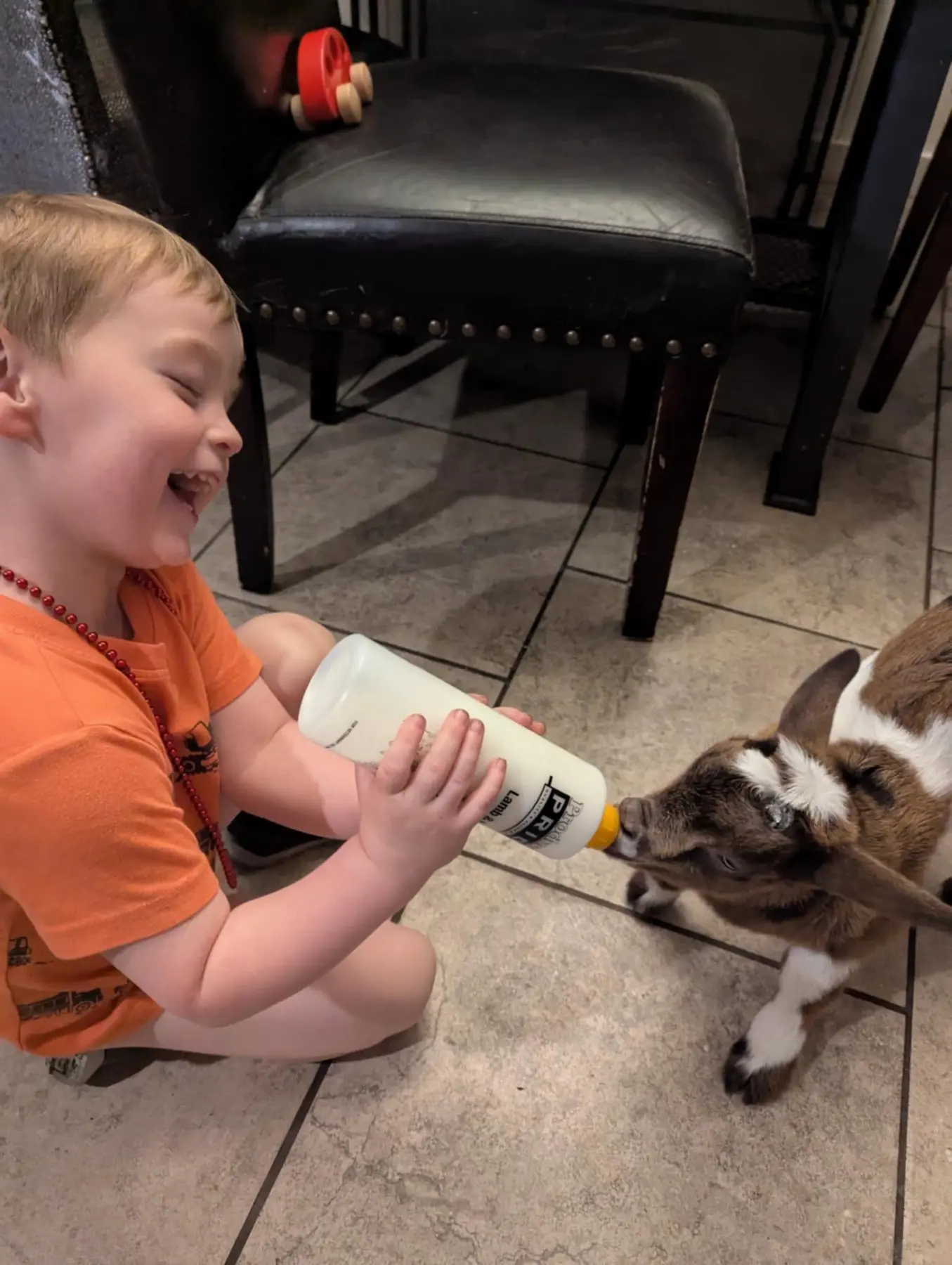
DiamondTrail Ranch is Amanda Grimes-Shokes’s real, veteran-owned family homestead in Florida. Our original photographs document goat huts, fencing, bottle feeding, newborn kids, mixed-species spaces and the individual personalities behind the chores.
We label what happened here and separate it from university and veterinary guidance. One property cannot represent every Florida soil, climate or herd; firsthand experience is most useful when its limits are visible.
Related videos from our ranch
See goats on our actual homestead, then use the written guides for the complete Florida-specific planning system.
The written guides provide the full practical information. Video adds the real birds, spaces and chores without replacing the text.
Watch on YouTube ↗Frequently asked questions
Goats can do well when shade, dry shelter, water, fencing, feed, parasite monitoring and veterinary access are planned together. Florida warmth and rain make weak systems more visible.
At least compatible goat companionship is important, but the number depends on property, separation space, feed budget and management. Start with the smallest group the complete system can support.
No single concern fits every herd, but gastrointestinal parasites, especially barber pole worm, deserve a deliberate monitoring and veterinarian-guided management plan.
Ordinarily they need deep shade, airflow, clean water, dry footing and close observation. Individual illness or severe heat distress requires prompt veterinary guidance.
Goats browse selectively and can damage wanted plants and fencing. Brush-control expectations need containment, plant-safety review and a backup feed plan.
No. It is educational information combining our homestead experience with linked official sources. Diagnosis and treatment belong with a veterinarian.
Trusted Florida and federal resources
Our experience stays separate from rules, disease guidance and scientific recommendations. Use these official sources for the current version.