
Making a small property work
Our two-acre homestead
The useful size of a property is shaped by water, fencing, drainage, storage, traffic, time, and the people doing the chores. This section follows those connections across our Central Florida ranch.
The property is one working map
Animals, gardens, and preparedness share the same routes.
A hose serving a trough may also reach a planting area. A storage change can shorten every feeding chore. A gate that works during calm weather still needs to work when the ground is wet or the power is out. We document those connections because they are where small acreage becomes practical or exhausting.
Our setup is not a universal design. It is evidence for better questions: what fails first, which job repeats most often, where a backup belongs, and what another caregiver can use safely.
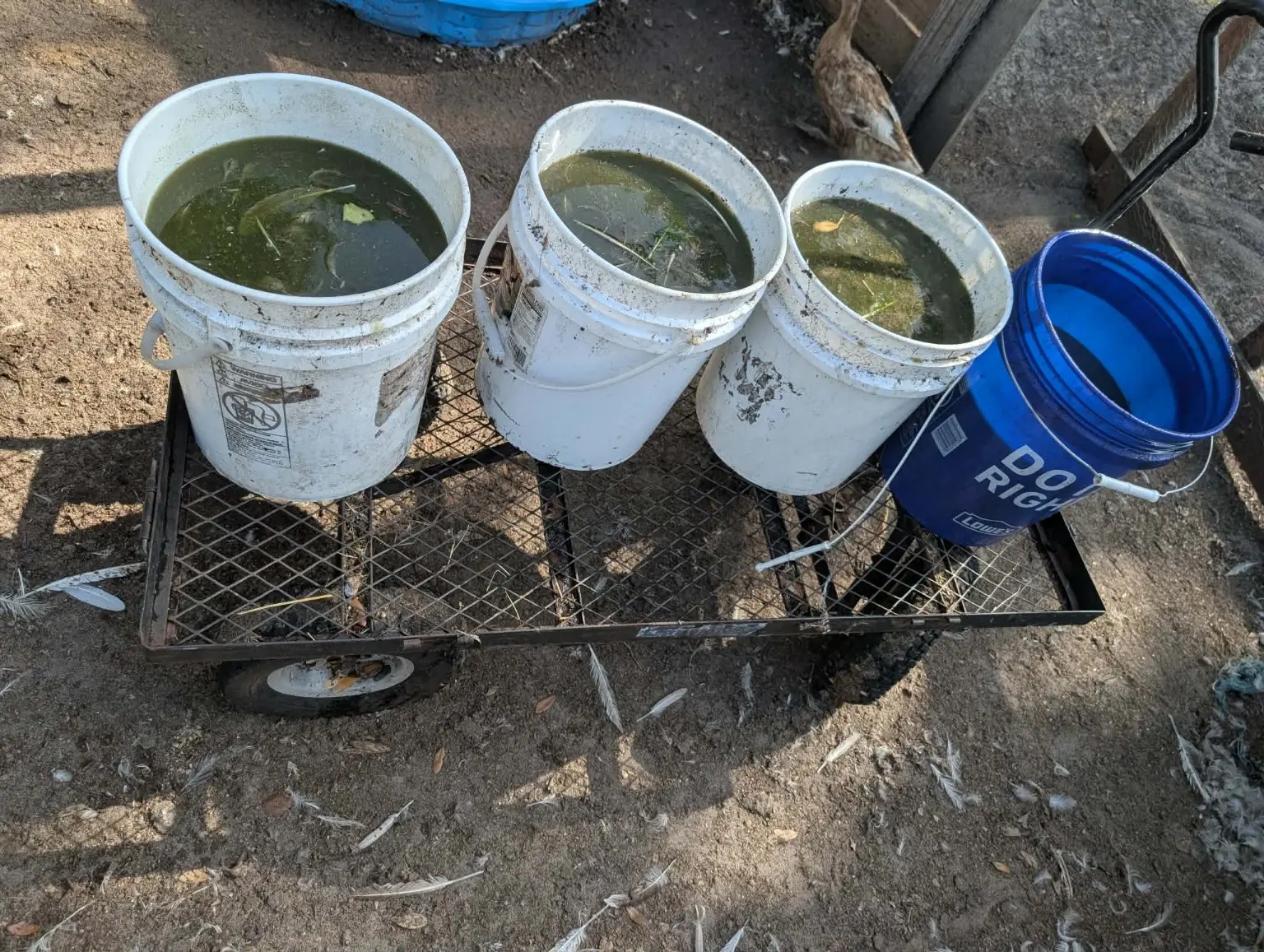
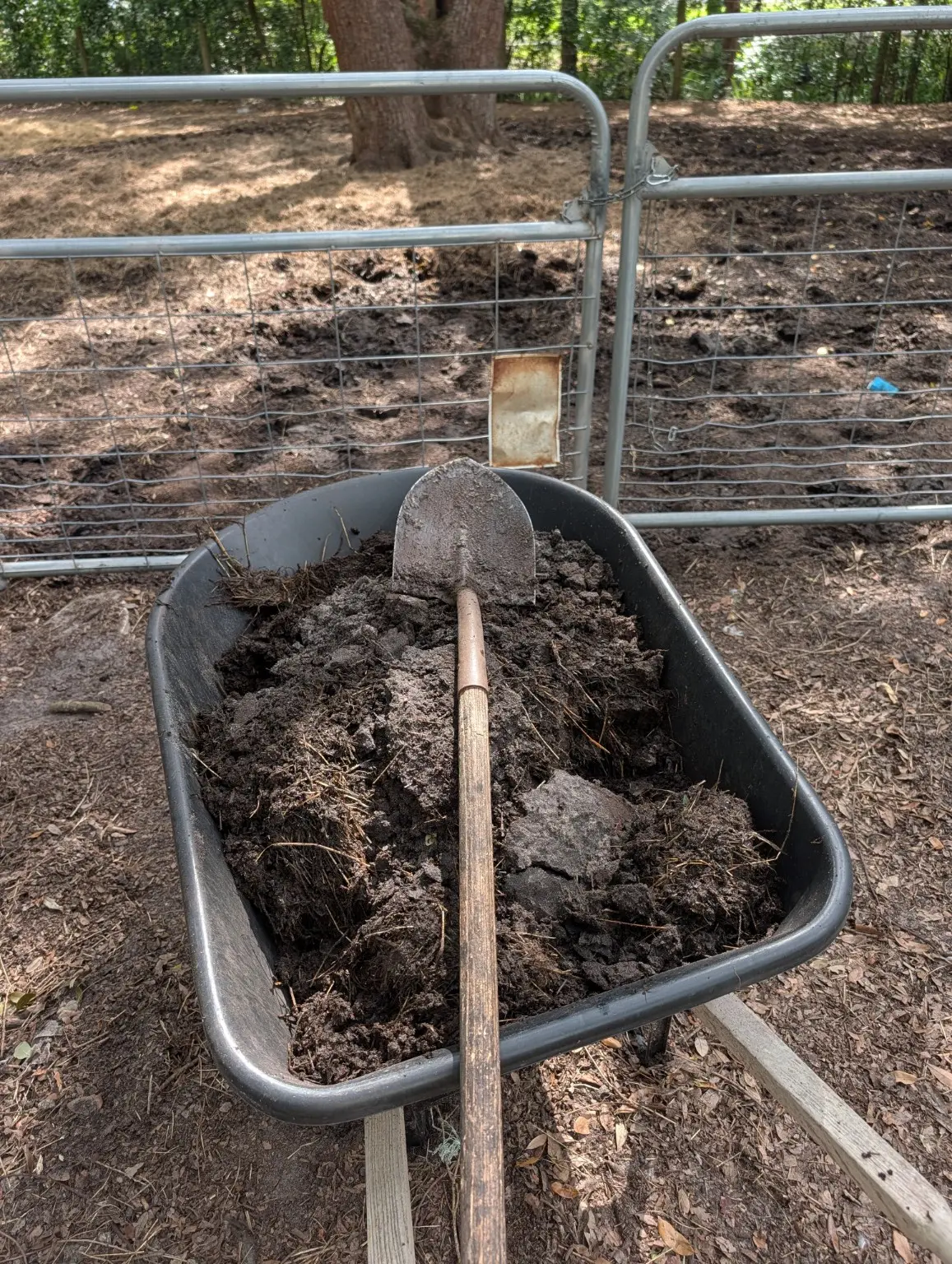
From this property
Six practical records
Transparent calculations
Three tools with editable assumptions
Each calculator explains its method. Replace every planning default with a measured quantity from your own household, animals, or recipe.
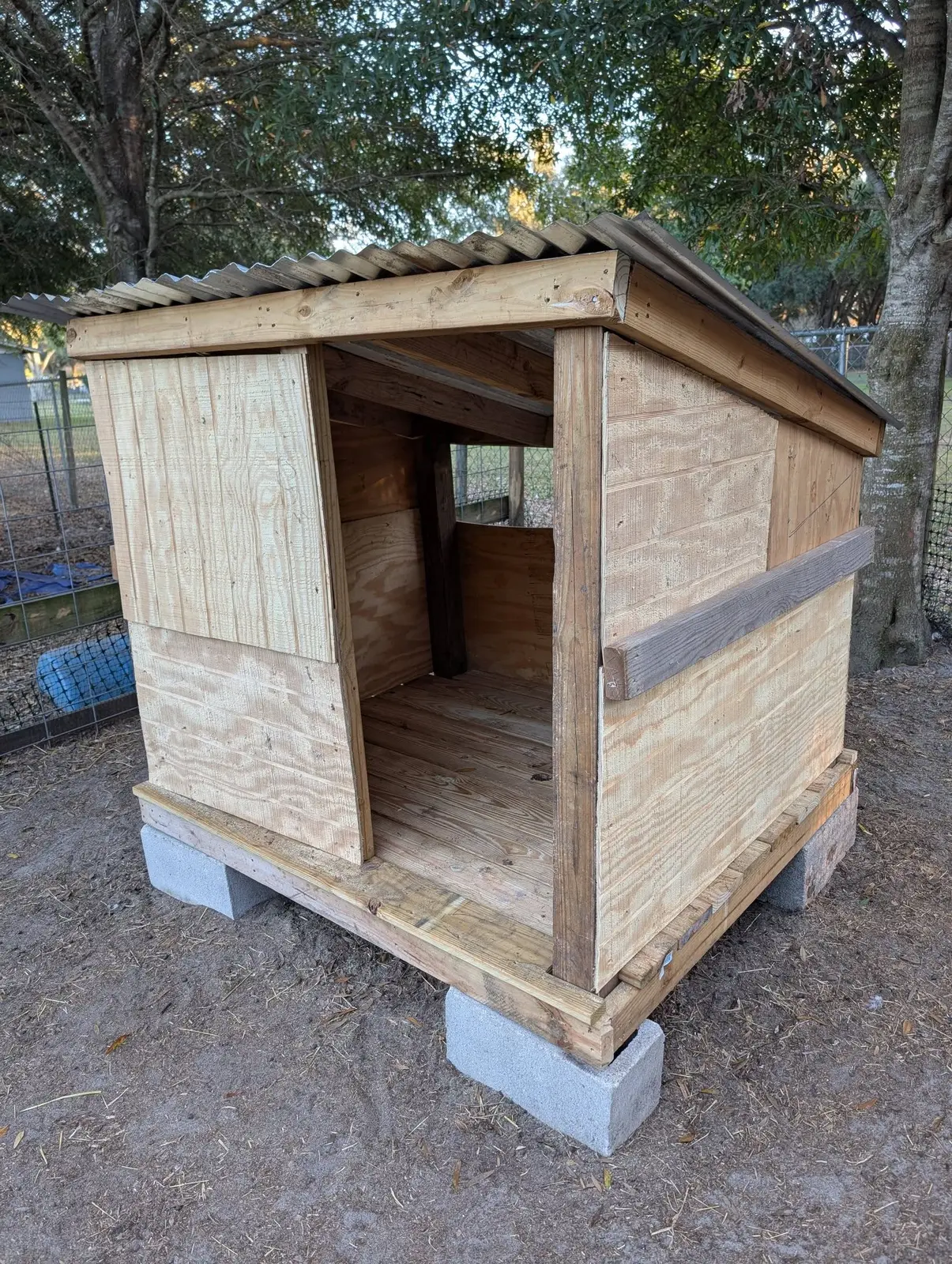
Projects need proof
One finished ranch build is worth more than dozens of untested plans.
The Project Finder keeps conceptual ideas together instead of presenting each one as a finished project. A build receives its own story only when we can show that it was made here, include relevant photos, and explain the result.
Storm and seasonal planning
Prepare the route before the weather changes it.
Our preparedness pages pair property lessons with the current responsible source. Use them to prompt local decisions, not as a substitute for official warnings or professional help.
Connect the working areas before expanding
Map usable space, normal chores and failure routes without a universal animals-per-acre formula.
Read the small-acreage planning guide