
Florida Agriculture
Florida Wet-Season Waterers: Algae, Mud and Sanitation on a Mixed-Species Homestead
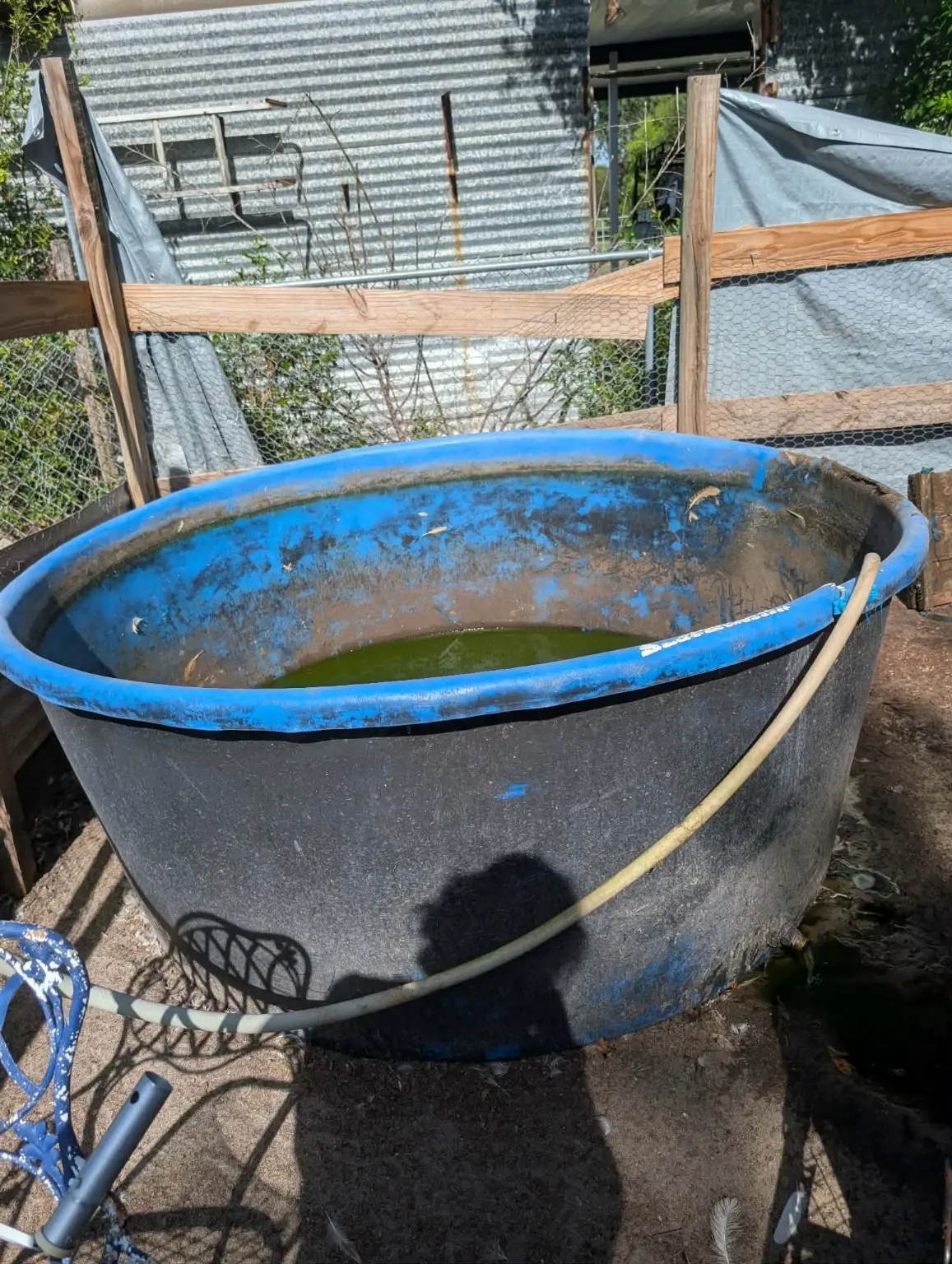
Florida rain does not keep animal water clean. Sun, heat, mud, insects, feed and species behavior still demand frequent observation and drainage planning.
Immediate answer
What readers need to know first
Wet season does not reduce the need to check animal water. Rain can dilute, overflow or contaminate containers; heat and sun can still support algae; and repeated traffic can turn the water area into mud. Check flow and cleanliness by observation, improve drainage and keep a separate backup container ready.
Why wet-season water gets dirty so quickly
A container can look full because of rain while the normal supply line is blocked. Wind can add leaves and debris. Animals can carry feed and soil into the water, and overflow can move contamination from the ground back toward the drinking area.
Sunlight and warm temperatures still matter between storms. A shaded container may stay cooler, but shade alone does not make it sanitary.
- Algae on sunlit surfaces
- Mud around high-traffic containers
- Feed carried in mouths or bills
- Insects and organic debris
- Leaking fittings that never let the area dry
- Overflow from hard rain
Species differences matter
Poultry scratch, step and drop feed near containers. Ducks use water more messily and need a setup that accepts splash without creating a permanent swamp. Goats and other livestock may foul a low container or damage fittings. Rabbits often use bottles or protected systems that require a separate flow check.
Pigs, cattle and equines have different water demand, container strength and access considerations. No single cleaning schedule or container design fits every species, group size and weather pattern.
| Animal group | Observe | System question |
|---|---|---|
| Chickens | Bedding, litter, algae, flow | Can birds reach clean water without roosting over it? |
| Ducks | Splash, bill debris, mud | Where will the water drain? |
| Goats | Tipping, droppings, feed | Is the container protected but reachable? |
| Rabbits | Bottle or valve flow | Did the system deliver water, not merely look full? |
| Larger livestock | Volume, footing, leaks | Can every animal drink safely without crowding? |
Use an observation routine, not a universal calendar
A fixed schedule can become a problem if it tells a family to wait while a container is visibly dirty or not flowing. Check during normal chores, after severe rain, after a repair and whenever animals change behavior around the station.
Cleaning method and any disinfectant must be appropriate for the material, species and product directions. Thorough rinsing and preventing chemical residue are essential. When disease is suspected, contact a veterinarian for species- and situation-specific guidance.
Fix the ground around the water
Moving or cleaning a container without addressing a low, compacted area can recreate the same mud. Route overflow away from bedding and feed, repair continuous leaks and consider a stable surface that is safe for the species and easy to maintain.
Do not send contaminated runoff toward wells, gardens, neighboring property or natural water. Local soil, slope, drainage rules and animal density matter.
- Stop leaks before adding more material
- Keep feed out of the splash zone
- Provide firm, nonslip footing
- Move portable stations before one spot fails
- Keep hoses and fittings where animals cannot damage them
- Maintain a clean backup container
When to involve a veterinarian
Changes in drinking, weakness, diarrhea, neurologic signs, multiple affected animals or a suspected contaminated source require more than a web checklist. Separate sick animals when appropriate, preserve useful records and contact a veterinarian promptly.
This article does not diagnose illness or prescribe a universal water treatment.
About the author
Amanda Grimes-Shokes
Owner of DiamondTrail Ranch and News & Views editorAmanda owns and operates DiamondTrail Ranch and reviews News & Views through the practical lens of a real Florida family homestead. For recalls, food safety, health, regulations and other high-stakes topics, she checks the article against the responsible agency's primary notice, separates confirmed facts from ranch perspective and directs readers to the current official source for decisions.
Her byline identifies editorial responsibility and homestead perspective; it is not a claim of medical, veterinary, legal or professional food-safety credentials.
Meet Amanda and the DiamondTrail Ranch family →Sources and further reading
Verify the important facts
Primary sources are labeled. Open the current official notice when product, disease, weather or legal details may change.
If you see a factual error or a primary source has changed, email Diamondtrailranch@gmail.com or read our Corrections and Updates Policy. Dates change only after a meaningful review.
Community discussion
Join the Conversation
Have you experienced this on your Florida homestead? Share what you are seeing in your area. Comments are moderated to keep the discussion useful, respectful and family-friendly.
0 approved comments