Why We Decided to Raise Ducks
Ducks added something different to a homestead that already included chickens and other animals. We liked their eggs, their flock behavior and the fact that they seemed capable of turning an ordinary chore into entertainment. A duck walking with a purpose is funny even when you know it is probably heading toward the clean water you just filled.
We also wanted experience, not just a collection of animals. That meant learning what ducks actually required on our property and deciding whether their daily needs fit the time, space and water systems we had. The answer became yes, but not because they were effortless. It became yes because the work was understandable once we stopped expecting ducks to behave like slightly wetter chickens.
Ducks Are Much Messier Than You Expect
People say ducks are messy, but that sentence is too polite to prepare a beginner. Ducks do not merely drink beside their water. They rinse their bills, splash their chests, step into containers that were never designed as pools and carry wet material into places that were clean moments earlier. Feed near water becomes wet feed. Bedding near water becomes damp bedding. A small spill becomes a favorite place to dabble.
We learned to judge a setup by how it handles the mess, not by how nice it looks immediately after cleaning. Can the container be tipped without hurting your back? Can the wet area drain away from bedding? Can a brush reach the corners? If cleaning the setup is awkward while it is new, it will be miserable after several days of real duck use.
Water Is Their Favorite Thing in the World
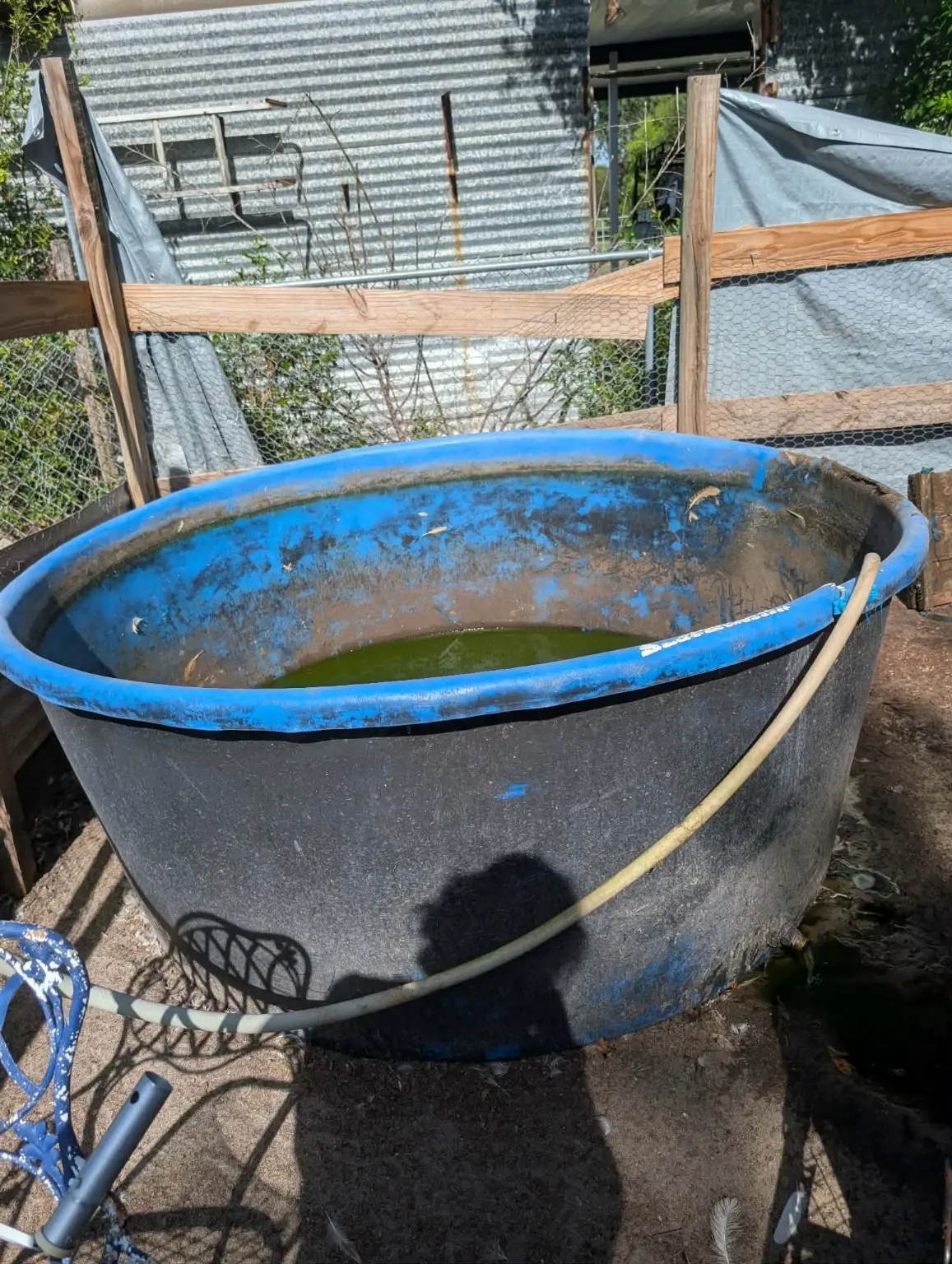
Water shapes nearly every duck chore. They need suitable clean water for drinking and for cleaning their bills, and they will use any additional bathing water with great enthusiasm. The problem is not convincing ducks to use water. The problem is keeping enough of it clean and placing it where their enthusiasm does the least damage.
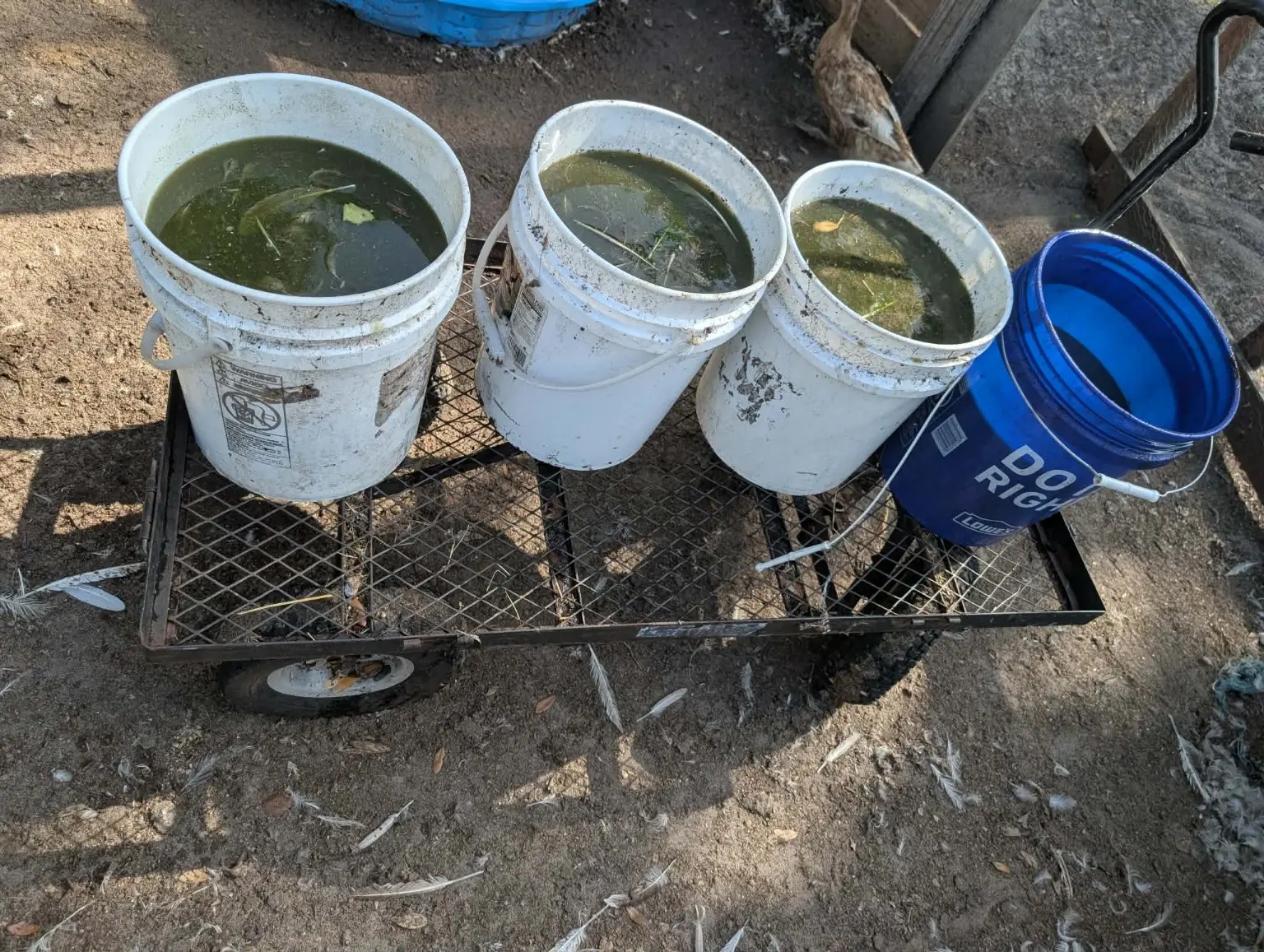
A dependable fill route matters. A hose that barely reaches, a heavy bucket carried across the property or a container tucked behind a gate adds friction every day. We prefer water stations that let us see the level, empty the container completely and refill without dragging the hose through manure or creating a tripping loop. We inspect the actual water rather than assuming yesterday's refill is still usable.
You Don’t Need a Fancy Pond
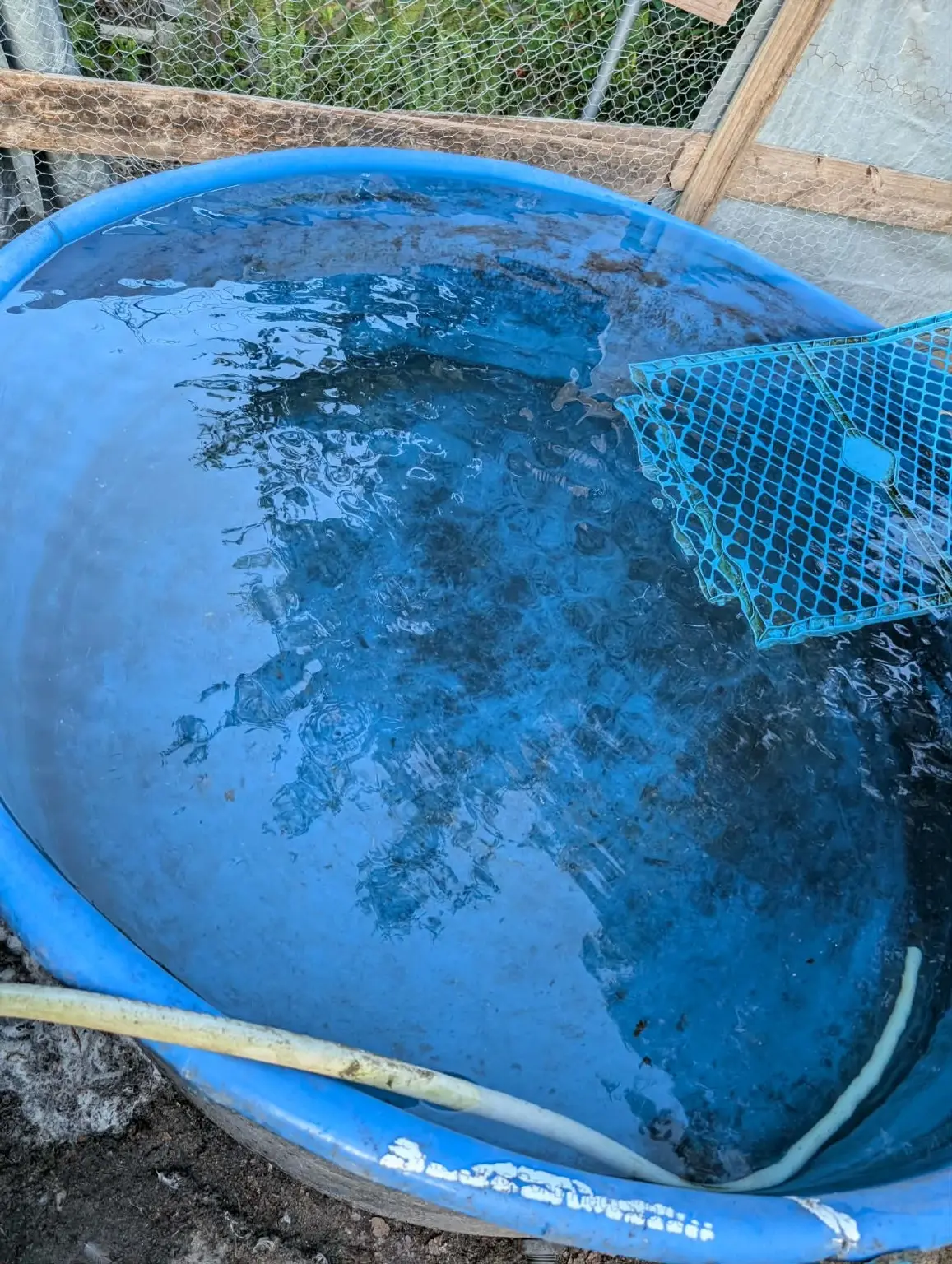
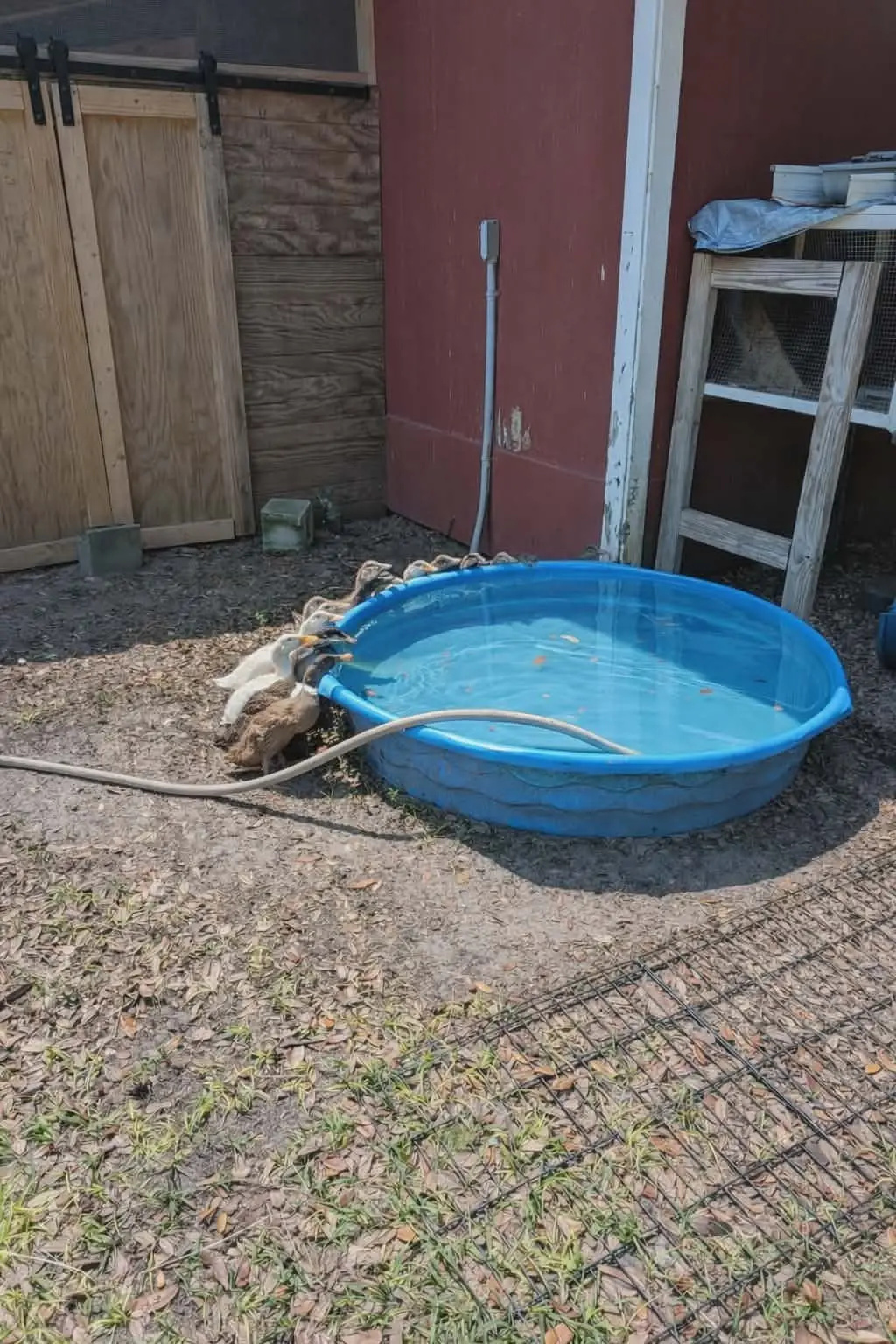
One of the most helpful discoveries was that ducks do not require an expensive landscaped pond to enjoy bathing. A sturdy kiddie pool can work surprisingly well. It is inexpensive, easy to replace and, most important, possible to empty and scrub. A permanent pond may look beautiful, but it also needs a serious plan for filtration, water quality, access and maintenance.
The pool is not the only water source. We still keep drinking water available, and we choose a pool size and water depth appropriate to the birds and our ability to manage it safely. The best feature is not a fountain. It is a dumping location that does not send dirty water into the shelter, feed or a low spot that stays muddy for days.
Florida Heat Changes Everything
A duck-care plan that looks reasonable in mild weather can fall apart in a Florida summer. Shade moves during the day, water warms, wet ground holds heat and the person doing chores is working in the same conditions. We plan shade over the places the birds actually use, not just over one corner that was shaded when the pen was built.
Air movement, clean water and frequent observation belong together. We watch behavior and condition instead of relying on one temperature number to tell us everything. If a bird seems unwell or shows signs of distress, that is a veterinary question, not a cue to experiment with a social-media remedy. Statewide conditions also differ, so families should prepare for their local heat, storms and cold snaps rather than treating all of Florida as one forecast.
Predators Are Always Looking
Florida predator pressure is real. Daytime activity does not make ducks safe after dark, and a quiet week does not prove the enclosure is secure. We think about digging edges, openings, overhead exposure, weak wire, gate gaps and latches that a curious animal, or a tired person, can defeat.
A secure nighttime routine is more valuable than hoping the flock will avoid danger. Ducks need to go behind a closed barrier, and that barrier needs to be checked. We also keep a separate space available because an injured, new or harassed bird may need protection from flock pressure while it recovers or settles in. Predator protection is not a one-time build; rain, rust, shifting soil and repeated use can change a once-secure edge.
Mud Management Becomes Part of Life
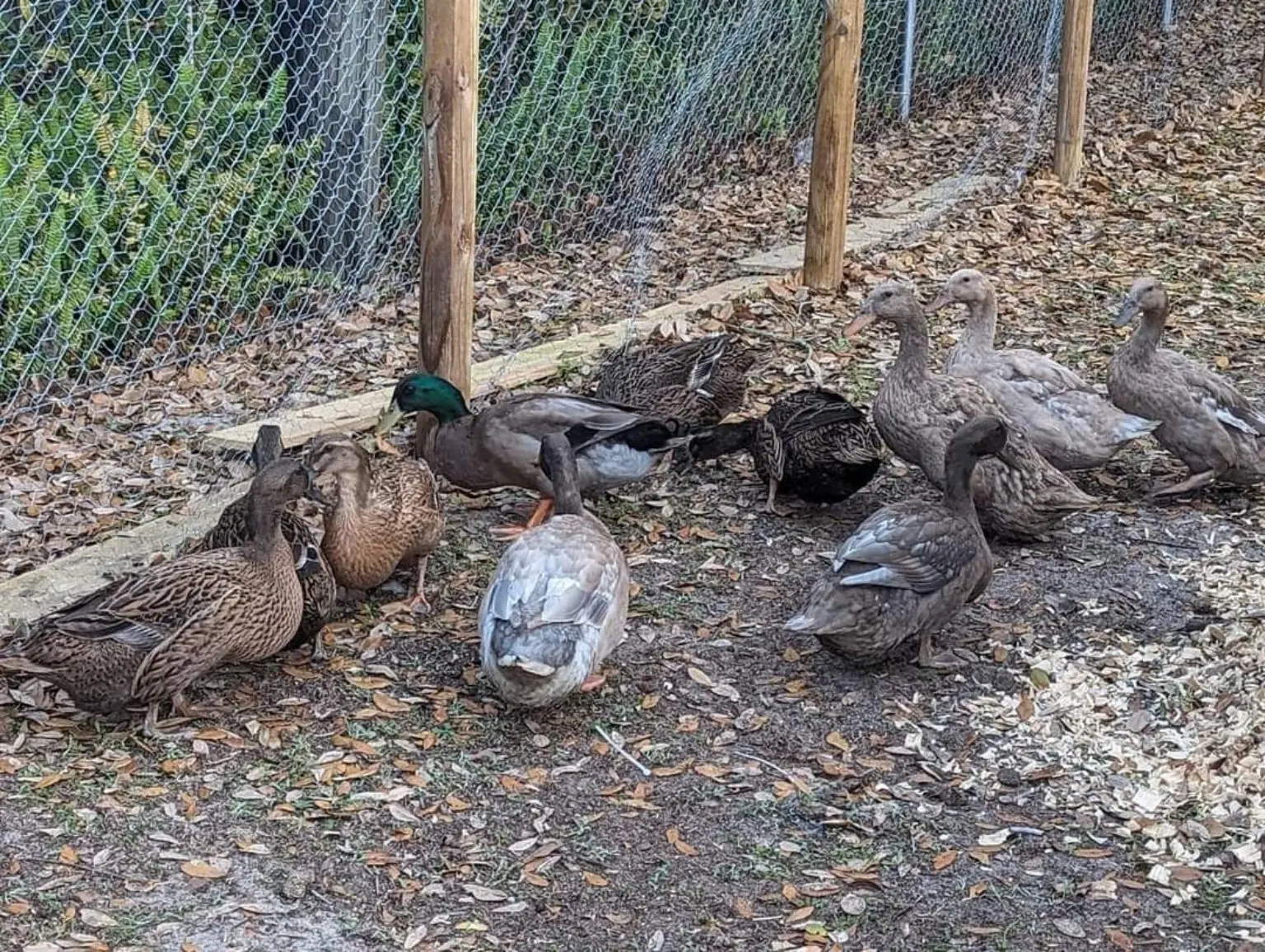
Ducks create mud on a dry day. Heavy Florida rain can turn that manageable wet patch into the main feature of the yard. Low areas collect pool water, splash and runoff. Gates become slippery. Bedding wicks moisture from outside. A route that worked in the dry season becomes the place everyone sinks during the wet season.
We eventually stopped treating mud as a surprise and started treating it as a design problem. Water belongs away from sleeping bedding and feed. The ground needs a safe direction for runoff. High-traffic areas need surfaces that can be maintained and cleaned without trapping dirty water. Sometimes the right answer is moving the station rather than adding another bag of material to a location that will always collect water.
Feeding Ducks Is Easy (But Costs Add Up)
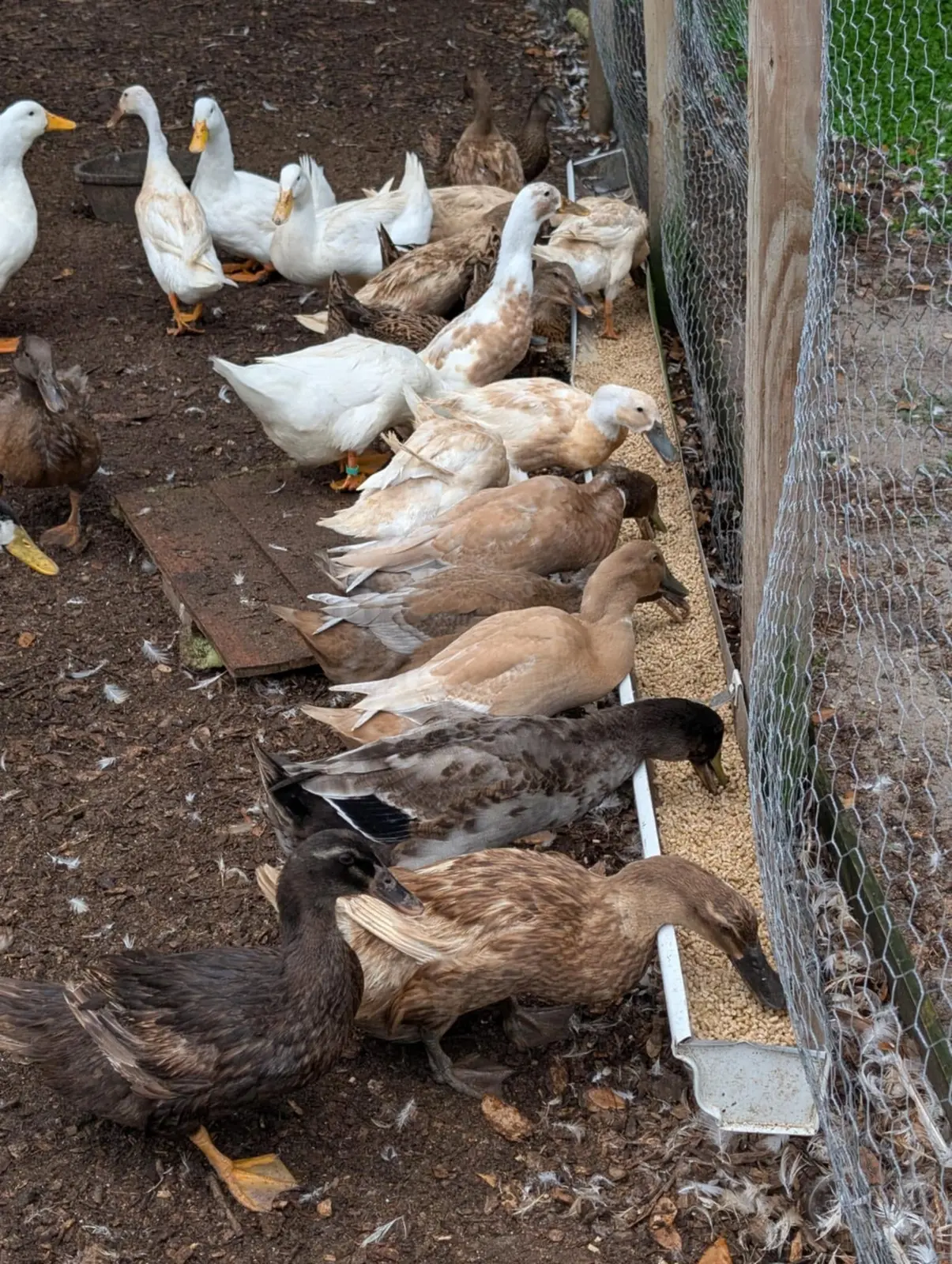
The basic chore is straightforward: provide an appropriate ration for the birds' species and life stage, keep it dry and make sure every bird can reach it. The budget becomes less simple when feed is spilled, soaked or shared by birds that were not invited. Ducks can turn a tidy feeding station into wet paste if the spacing between feed and water is poorly planned.
We store feed in closed containers, watch how much is wasted and avoid buying more than we can keep in good condition through Florida humidity. Feed needs change with age and purpose, so we do not use one scoop or internet recipe as a universal plan. When the right formulation or a bird's condition is uncertain, a poultry veterinarian, qualified nutrition source or Extension professional is more useful than guessing.
Duck Eggs Are Underrated
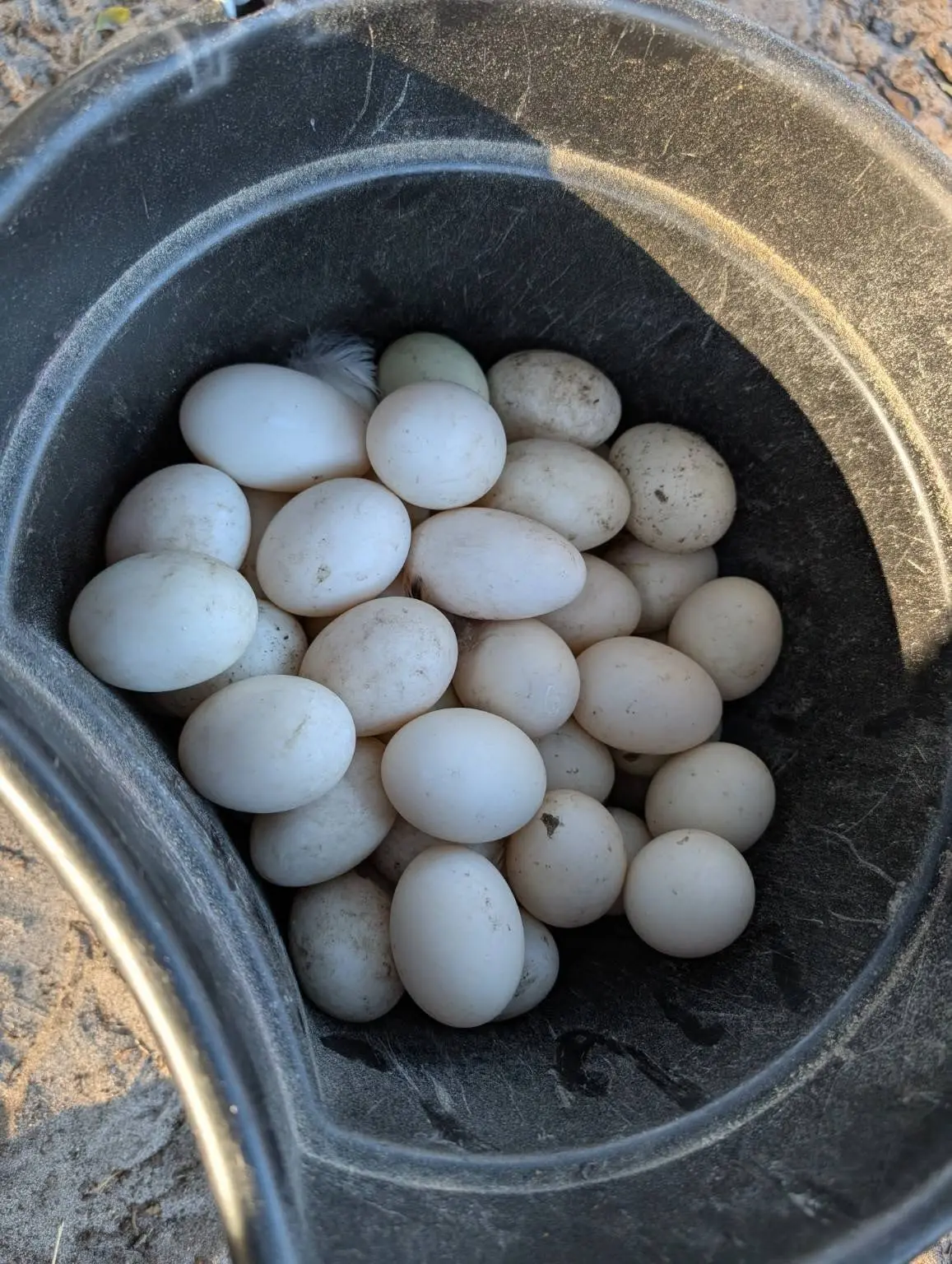
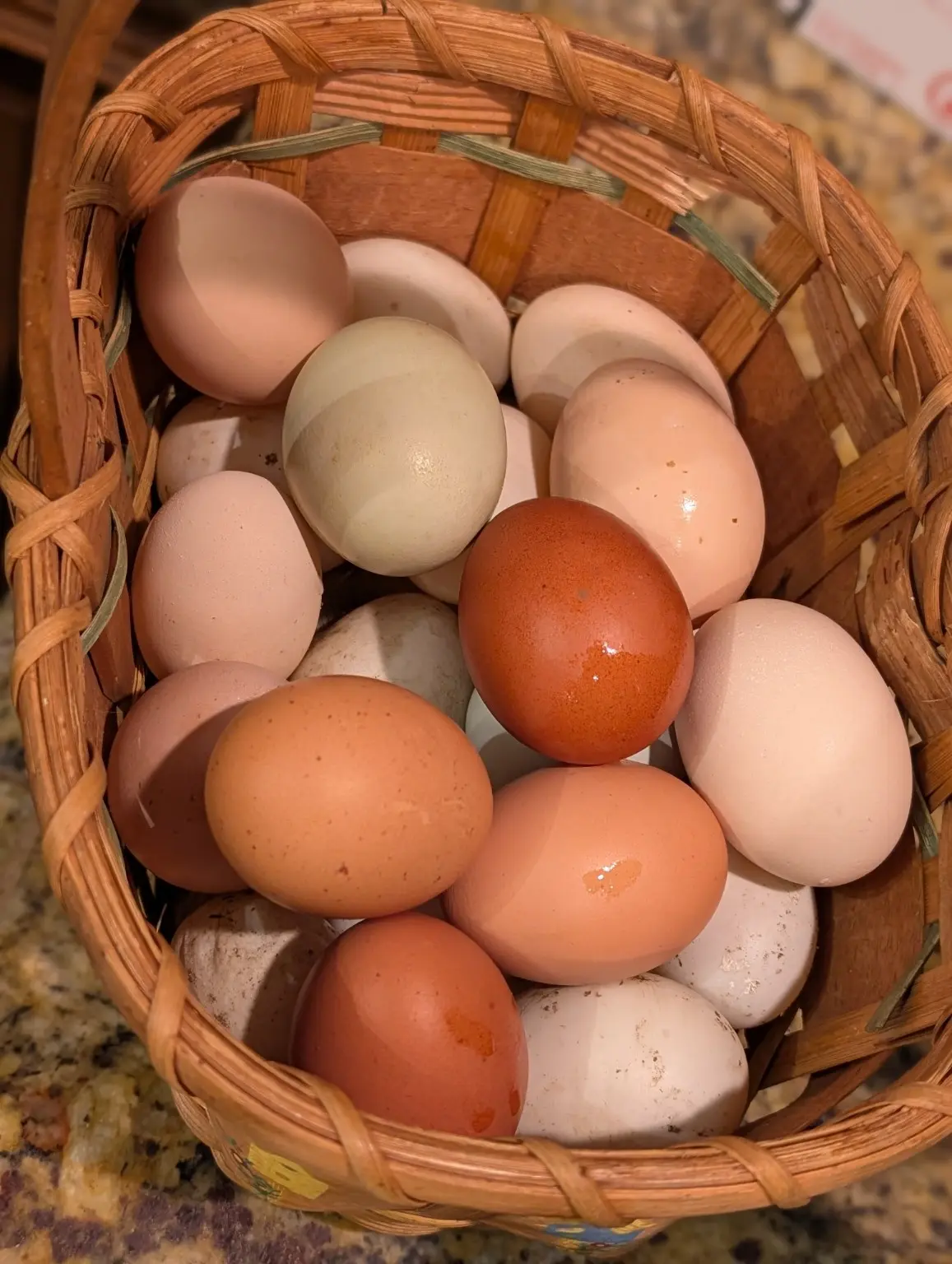
Duck eggs have been one of the genuine rewards of keeping ducks. They are substantial, useful in the kitchen and especially appreciated by people who enjoy baking. We like knowing which flock produced them and how those birds are cared for. That connection does not make every backyard egg automatically safe or superior, but it does make the daily work feel tangible.
Collection and handling still matter. We gather eggs regularly, keep records where needed and follow sensible food-safety practices. Anyone selling eggs in Florida should check current FDACS requirements rather than relying on an old social-media post or another state's rules. The eggs are a benefit; they are not a reason to skip the cost and labor calculation that comes first.
Housing Doesn’t Need to Be Fancy
Ducks do not care whether their shelter matches a picture-perfect coop tour. They care that it is secure, dry enough to rest, ventilated, protected from weather and arranged so they can enter without crowding. We care that we can stand, reach, clean and close every part of it without performing an obstacle course.
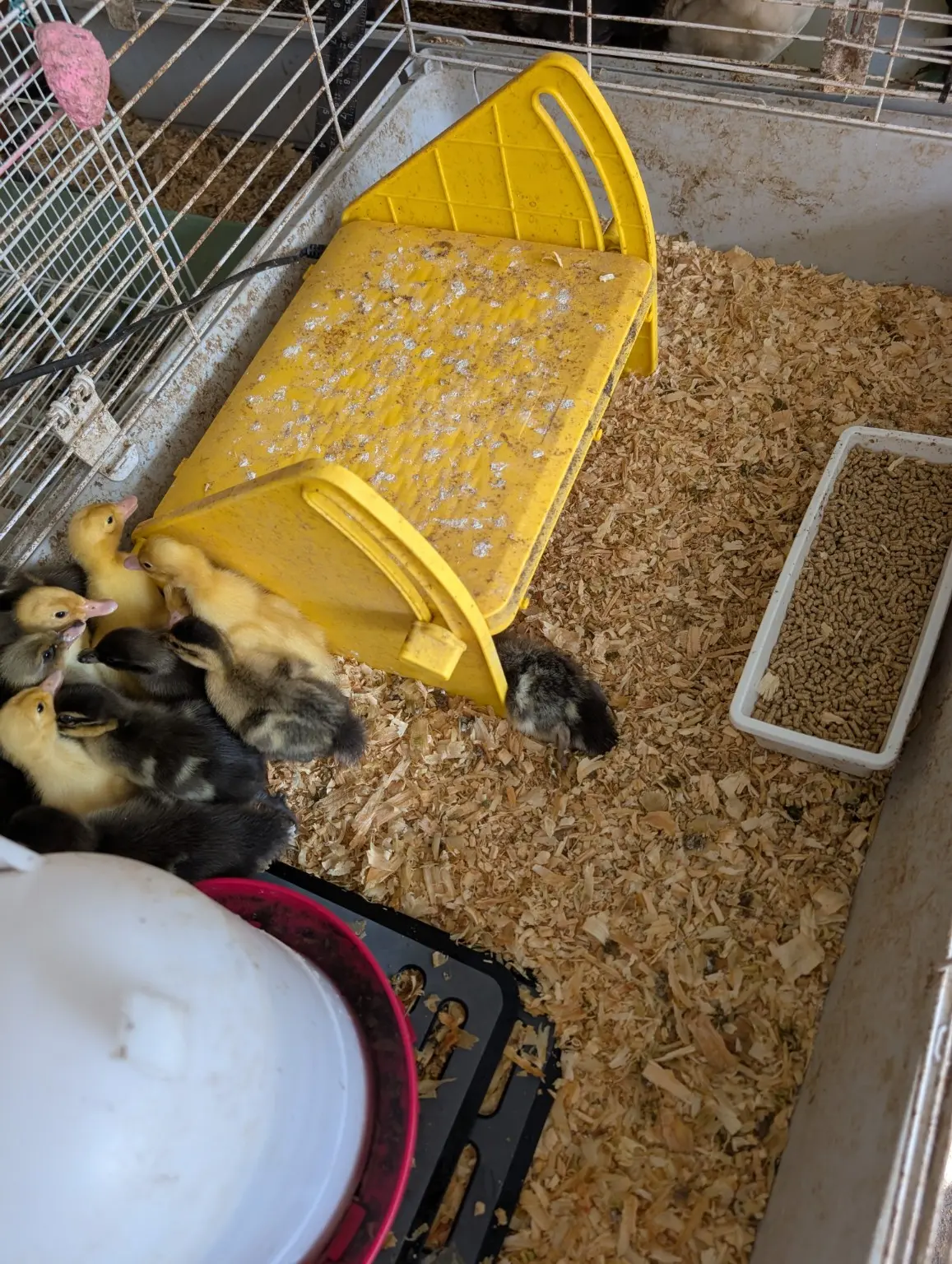
Build for adult birds before bringing home ducklings. Allow for wet feet, full-grown bodies and the possibility that part of the flock will need separation. Avoid placing drinking or bathing water where every splash lands in sleeping bedding. Simple construction can work very well when strong materials, safe openings, drainage and easy cleaning receive more attention than decoration.
Ducks Have Incredible Personalities
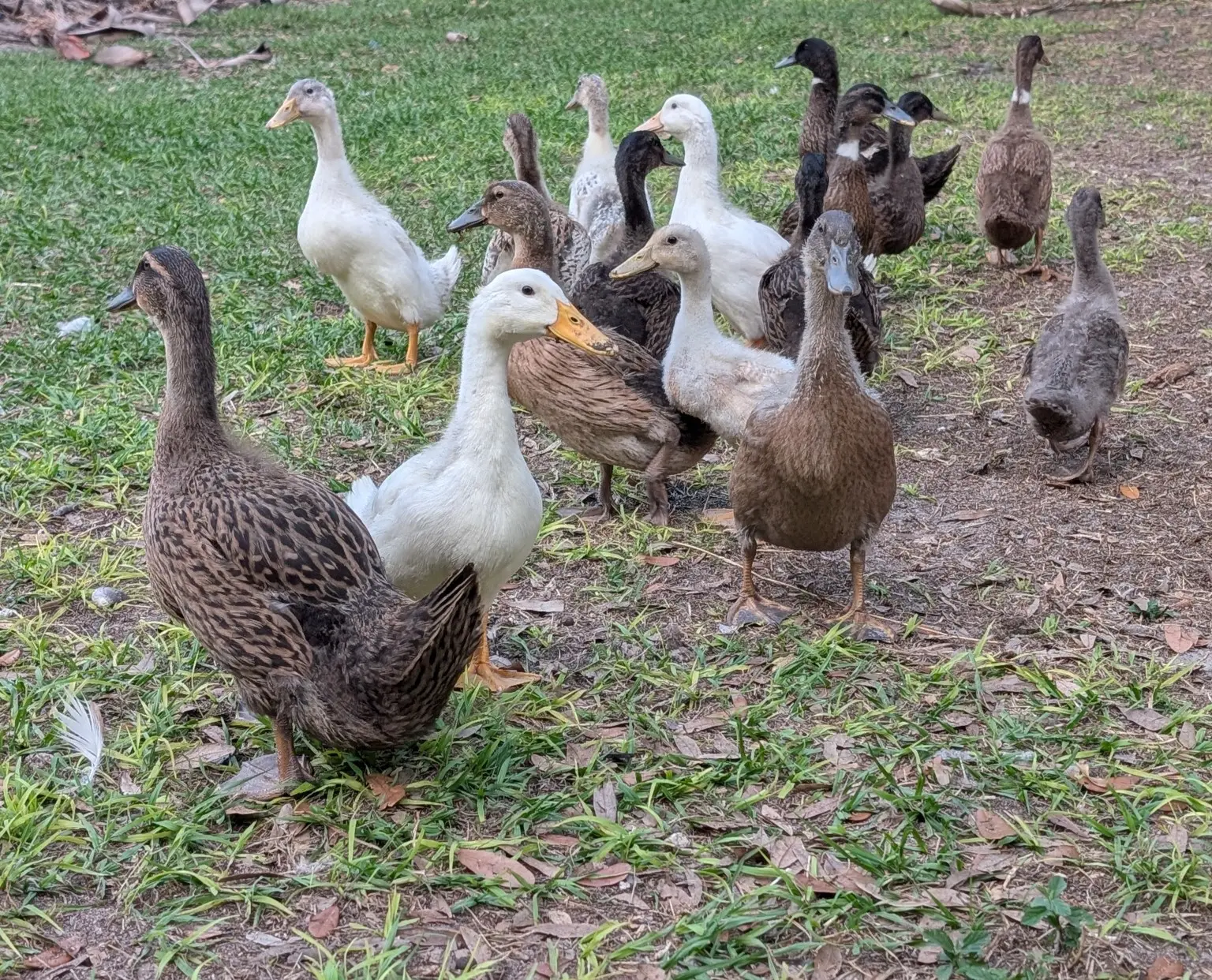
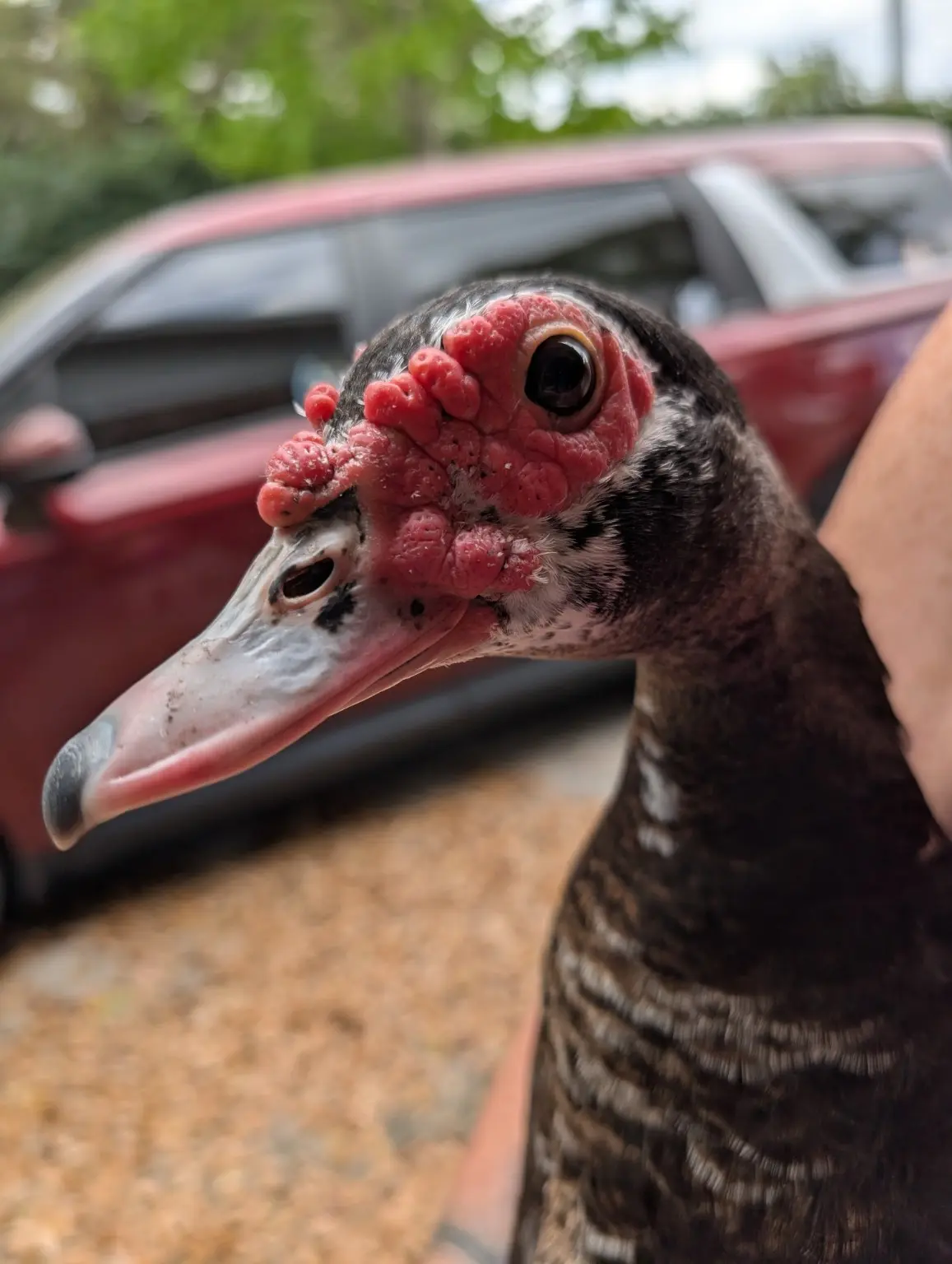
A flock is not a row of identical feathered machines. Ducks develop routines, preferences and reactions that make them easy to recognize even before you are consciously trying. Some approach chores boldly. Others hang back and watch. The flock can be calm one minute and deeply offended by a harmless object the next.
They are also hilarious. The determined walk toward fresh water, the group decision to investigate one patch of ground and the complete lack of concern for the clean area you hoped would remain clean are part of the experience. Personality is not a substitute for sound care, but it is a major reason the chores do not feel like nothing more than maintenance.
Living With Ducks Gets Easier Every Month
The chores do not disappear, but repetition makes them lighter. You learn which container empties cleanly, which gate needs both hands, where the hose catches and what the flock looks like when everything is normal. Refilling, feeding, counting birds and closing them in become part of the rhythm of the property.
That rhythm is valuable because it makes small changes easier to notice. A bird standing apart, an unusual drop in water use or a damaged edge of the enclosure is more obvious when you know the ordinary pattern. We do not rush the check just because it is familiar. Familiarity should make observation sharper, not replace it.
Things We Wish We Had Bought Earlier
The most useful purchases were not decorative. We value a stiff cleaning brush reserved for animal containers, durable water tubs that can actually be moved, extra hose fittings and washers, secure feed storage, a cart for moving heavy supplies and reliable latches that are simple to inspect. A second usable water container is often more valuable than one elaborate container with no backup.
We also wish we had planned spare capacity earlier. Containers crack, hoses fail and storms arrive when stores are busy. The backup does not need to be expensive, but it should be clean, labeled and ready. Buying the correct boring item before it becomes urgent usually costs less than improvising during a hot afternoon.
| Item | Why it earns its space |
|---|---|
| Movable water containers | They can be emptied, scrubbed and replaced without dismantling the pen. |
| Dedicated scrub brush | It keeps animal-water cleaning separate from household tools. |
| Secure feed storage | It protects feed from moisture, pests and avoidable waste. |
| Cart or safe carrier | Water and feed become heavy long before the property feels large. |
| Spare fittings and latches | Small failures should not stop a critical chore. |
Most Beginner Mistakes Are Easy to Avoid
The common mistakes are rarely mysterious: choosing a waterer without planning how to dump it, placing water beside bedding, building for ducklings instead of adults, trusting a weak latch, allowing feed to get wet and bringing birds home before there is a separation space. None of those require a luxury setup to fix. They require thinking through the whole chore before the flock arrives.
Another mistake is treating all online advice as local advice. Florida humidity, heat, heavy rain and wildlife pressure expose weaknesses that may not appear in a dry or cool climate. Species and local rules matter too. Florida's captive-waterfowl guidance can differ depending on the bird and activity, so identify what you have and verify current requirements before buying, breeding, selling, exhibiting or releasing waterfowl.
- Watch a full-grown flock before deciding how much space and water access you need.
- Practice emptying and refilling the water setup before the ducks use it.
- Keep feed dry and away from the splash zone.
- Check every nighttime opening from a predator's point of view.
- Create a safe separation area before a bird needs it.
- Confirm local and species-specific rules from official sources.
Would We Raise Ducks Again?
Yes. We would raise ducks again, with clearer eyes about the water and mud. The eggs are excellent, the flock adds personality to the property and the birds are genuinely enjoyable to watch. Their care also taught us lessons that improved other systems: place water where it can drain, make routine jobs easy to repeat and never confuse a calm week with a predator-proof enclosure.
We would not add ducks simply because a few ducklings were available. We would first look at the adult shelter, wet-season ground, feed budget, daily water route and backup care. Ducks fit our homestead because we built their needs into the routine. They would not be the right addition if their water, security or daily observation had to compete with chores we were already struggling to complete.
Final Advice Before You Bring Ducks Home
Walk the property with an adult duck in mind. Where will the bird sleep tonight? Where will clean water come from if the hose fails? Where will the dirty water go after heavy rain? Can the feed stay dry? Can another responsible adult complete the routine? What happens if one bird must be separated? Those answers matter more than the color of the brooder or the cuteness of the duckling.
Start with a social group rather than one lonely bird, choose birds you can legally and responsibly keep, and resist adding more until the first routine is truly easy. Leave room to adjust. Ducks will show you what your plan missed, usually by splashing directly on it. That is not failure. It is part of learning to build a homestead around real animals instead of a perfect picture.