How to Collect, Clean and Store Fresh Eggs in Florida
Collect eggs often, discard cracked shells, follow current food-safety cleaning guidance, refrigerate promptly and stay consistent in Florida heat.
Amanda Grimes-ShokesOwner of DiamondTrail Ranch · Florida homesteader
Published Updated 10 minute read
The immediate answer
Fresh Egg Handling
In Florida heat, collect eggs often, use only clean uncracked eggs for food, remove dirt carefully, refrigerate promptly and keep refrigerated eggs cold. Do not depend on the shell’s bloom as permission to ignore time, temperature or official food-safety guidance.
Key takeaways
What matters most
Frequent collection reduces breakage, dirt and time in heat.
Discard cracked eggs for household shell-egg use.
USDA and CDC guidance supports prompt refrigeration.
Once eggs are refrigerated, keep them refrigerated.
Selling eggs adds Florida permit, handling, packaging and labeling requirements.
01
Collect often and start with clean nests
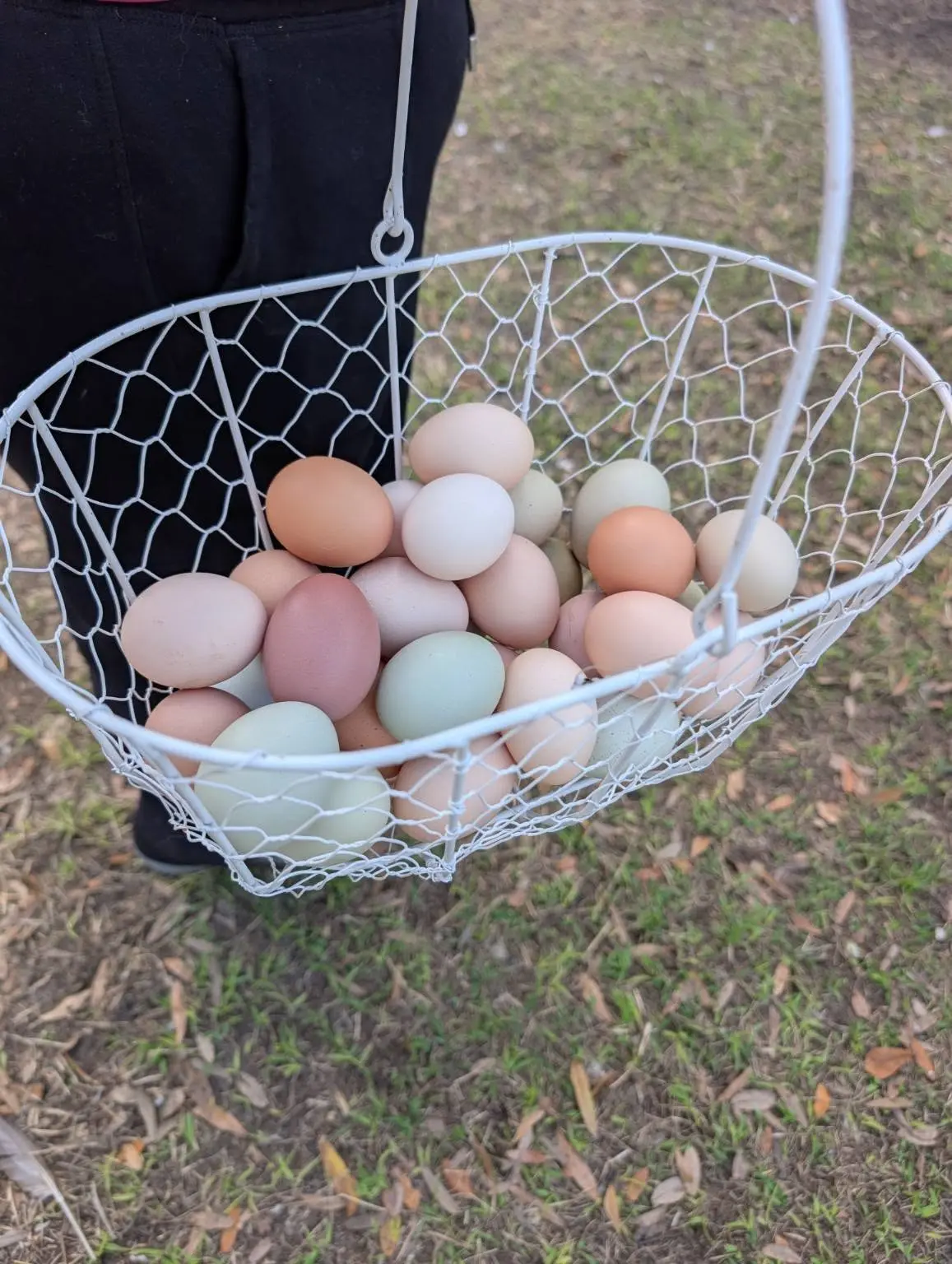
Clean, dry nest material is the first egg-handling tool. Eggs left in a busy nest are more likely to be stepped on, cracked or soiled. Florida heat also makes long waits less forgiving.
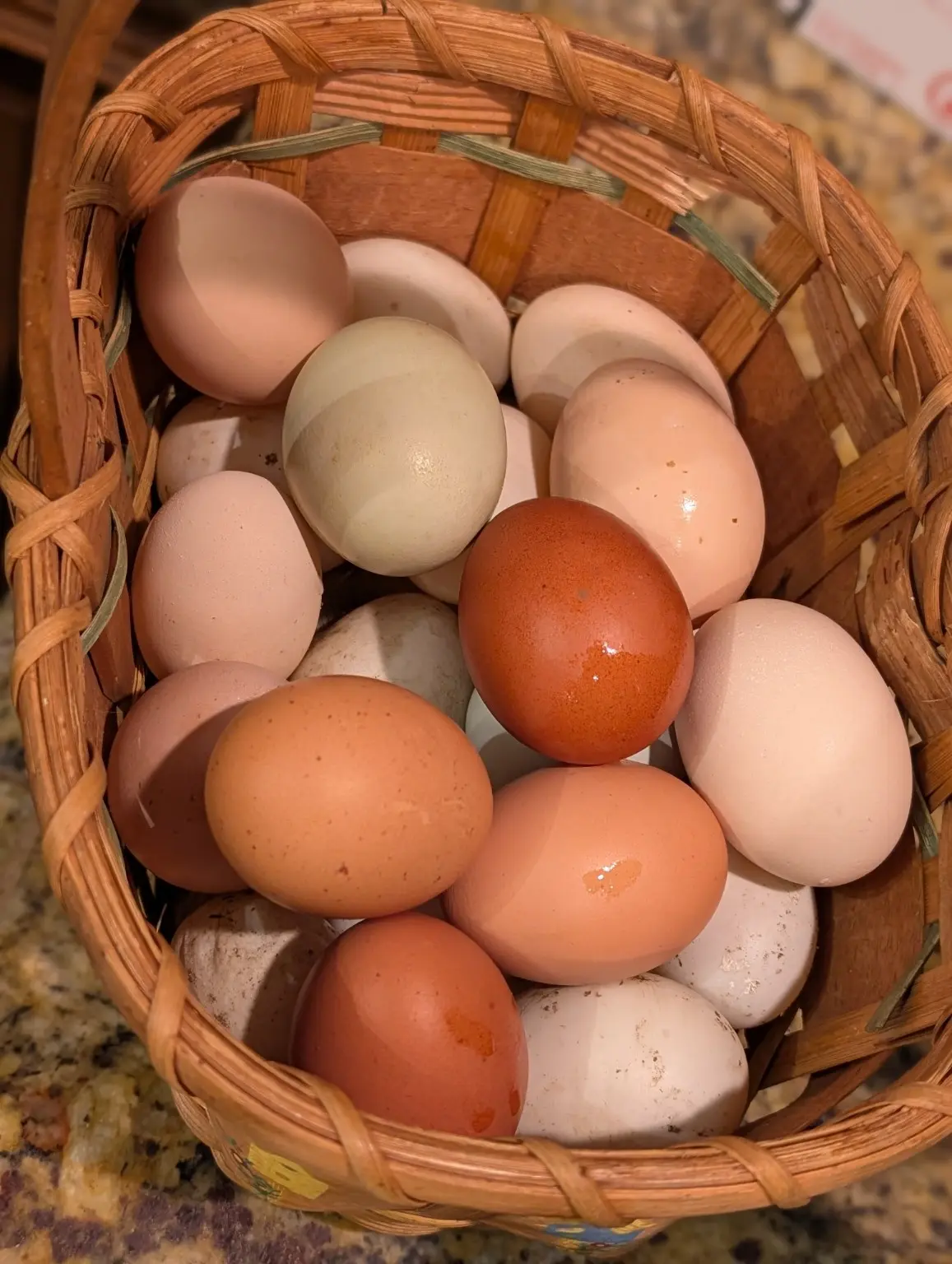
Use a clean container, wash hands after collection and separate questionable eggs from the clean basket immediately.
02
Understand the bloom without turning it into a guarantee
A fresh egg has a natural cuticle often called the bloom. Handling and washing can affect that protective layer, but an intact bloom does not make an egg sterile or remove the need for clean nests and safe storage.
CDC advises carefully removing light dirt with a brush, cloth or fine sandpaper and refrigerating after collection. USDA guidance for consumers says home washing can increase contamination risk when water is drawn through shell pores. Commercial and permitted farm washing follows controlled requirements that are different from casual sink washing.
Fresh egg decisions at collection
Egg condition
Household action
Reason
Clean and uncracked
Refrigerate promptly
Protect quality and slow bacterial growth
Light surface dirt
Follow current dry-clean guidance
Avoid unnecessary wet handling
Cracked or leaking
Discard for shell-egg use
Shell barrier is compromised
Unknown age or storage
Do not guess
Time and temperature history matter
03
Use a consistent cold chain
USDA advises storing shell eggs in their carton in the coldest part of a refrigerator at 40°F or below, not in the door. Refrigerated eggs should not sit out for more than two hours.
A cold egg moved into humid Florida air can sweat. That condensation is another reason to take out only what you plan to use and return the carton promptly.
04
Use official storage windows, not a float-test promise
USDA’s household chart lists raw shell eggs at three to five weeks under refrigeration. Date the carton with the collection or pack date and rotate older eggs first.
A float test reflects changes in the air cell; it does not prove an egg is free from pathogens. When storage history is uncertain, discard rather than turning a novelty test into a safety decision.
Frequently asked questions
Questions readers ask next
Should backyard eggs be refrigerated in Florida?
CDC and USDA food-safety guidance supports prompt refrigeration. Selling eggs also requires following current Florida rules for the operation.
Should I wash fresh eggs?
CDC recommends careful dry cleaning for dirt, while USDA warns consumers against unnecessary home washing. Permitted sale operations may have specific controlled requirements; follow current official guidance.
How long do refrigerated shell eggs last?
USDA’s household storage chart lists raw shell eggs at three to five weeks under refrigeration. Use the current chart and your actual storage history.
Does the float test prove an egg is safe?
No. It can indicate air-cell size and age-related change, but it cannot prove microbiological safety.
Supporting references
Where the outside information came from
We separate our family’s experience from outside guidance. These sources support the general information used on this page.