Duck Eggs vs. Chicken Eggs: A Practical Florida Homestead Comparison
Compare duck and chicken eggs by size, yolk-to-white balance, shell, flavor, baking behavior, availability and the very different birds that produce them.
Amanda Grimes-ShokesOwner of DiamondTrail Ranch · Florida homesteader
Published Updated 9 minute read
The immediate answer
Duck Eggs vs. Chicken Eggs
Duck eggs are often larger with a different yolk-to-white balance and can behave differently in baking, but breed, bird, season and individual egg size vary. Choose by the recipe and weigh or measure when consistency matters rather than assuming one duck egg equals one chicken egg.
Key takeaways
What matters most
Duck eggs are commonly larger, but there is no universal substitution ratio.
More egg mass can change moisture, richness and structure in a recipe.
Nutrition comparisons must use equal weights or clearly stated serving sizes.
Egg handling and refrigeration principles still apply.
Choosing ducks means accepting duck water, mud, noise and housing needs.
01
Compare the actual egg, not only the species name
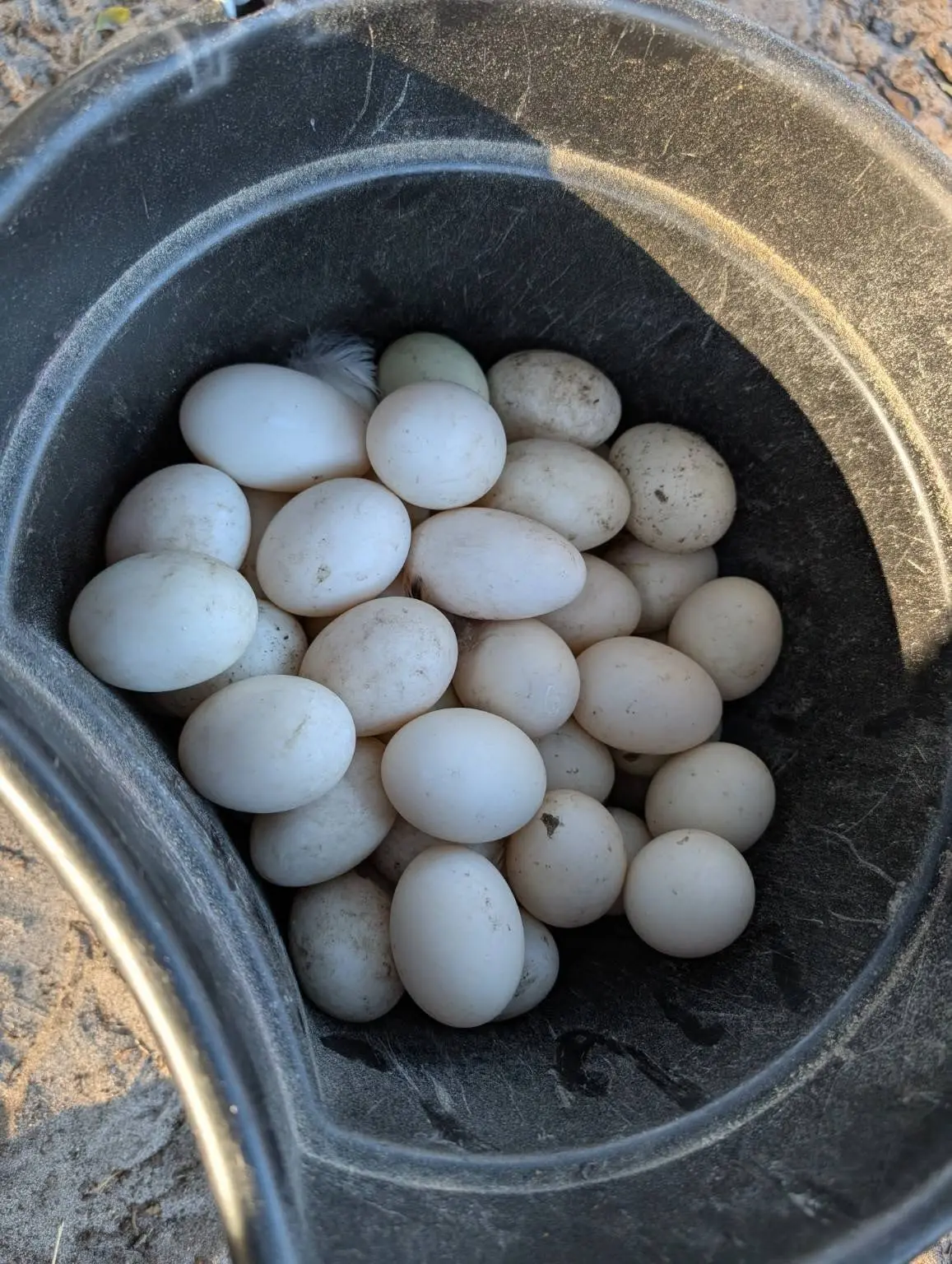
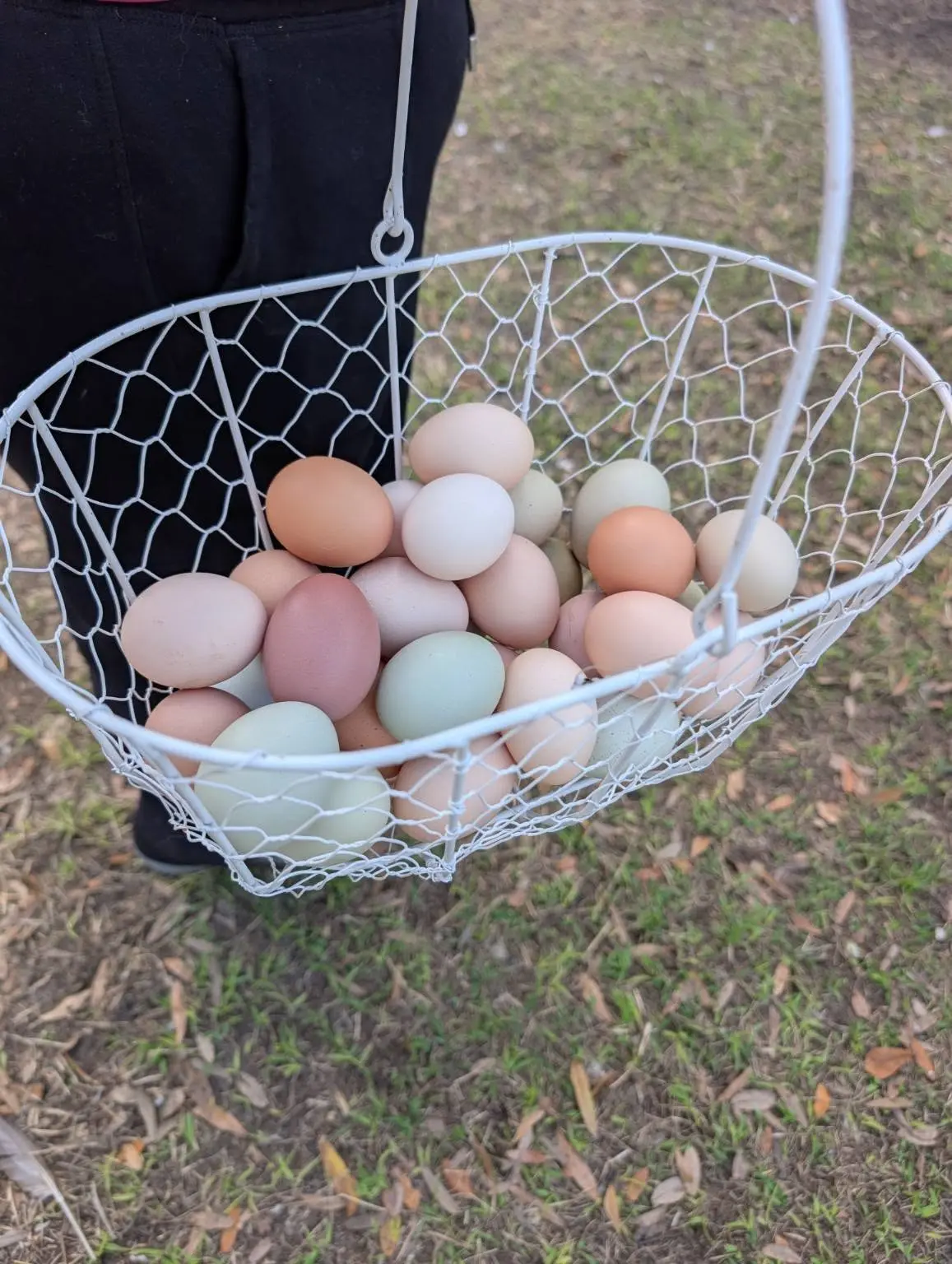
Chicken and duck egg size varies by breed, age and individual bird. A large duck egg may add noticeably more liquid and yolk than the chicken egg used to develop a recipe.
Crack the egg into a separate bowl, inspect it and measure or weigh it for repeatable baking. That is more reliable than a fixed social-media substitution rule.
Practical differences in a home kitchen
Feature
Chicken egg
Duck egg
Typical size
Varies by hen and grade
Often larger, but variable
Recipe substitution
Common recipe baseline
Measure or weigh for consistency
Shell
Variable by hen and age
Often feels thicker, not a safety guarantee
Flavor
Familiar baseline
Often described as richer; preference varies
Availability
Usually steadier commercially
Often seasonal or local
02
Adjust baking by function
Eggs add structure, moisture, emulsification and richness. Changing the amount can alter cakes, custards, enriched doughs and batters differently.
For a forgiving recipe, one whole egg swap may work. For a precise cake or a large batch, weigh the beaten egg and match the amount the recipe expects.
03
Compare nutrition by equal weight
A larger egg naturally provides more calories and nutrients per egg because it contains more food. That does not automatically make one species nutritionally better for every person.
Use USDA FoodData Central and compare the same edible weight and preparation. Anyone managing allergies, cholesterol, medical diets or child feeding should use an appropriate clinician rather than a homestead blog as individualized nutrition advice.
04
Handle both as perishable shell eggs
Collect often, discard cracked eggs, keep hands and equipment clean and refrigerate promptly. A thicker-feeling shell does not prove an egg is clean or pathogen-free.
Cook eggs and egg dishes according to current USDA guidance, especially for children, older adults, pregnant people and anyone with a weakened immune system.
Frequently asked questions
Questions readers ask next
Can I replace one chicken egg with one duck egg?
Sometimes in a forgiving recipe, but size varies. Weigh or measure for recipes where egg quantity affects structure or moisture.
Are duck eggs better for baking?
They can produce excellent baked goods, but results depend on the recipe and amount used. “Better” is a preference, not a guarantee.
Are duck eggs more nutritious?
They often contain more food per egg because they are larger. Compare equal weights in USDA FoodData Central and consider individual dietary needs.
Do duck eggs need refrigeration?
Use the same conservative food-safety approach: collect clean eggs often, refrigerate promptly and follow current official guidance.
Supporting references
Where the outside information came from
We separate our family’s experience from outside guidance. These sources support the general information used on this page.