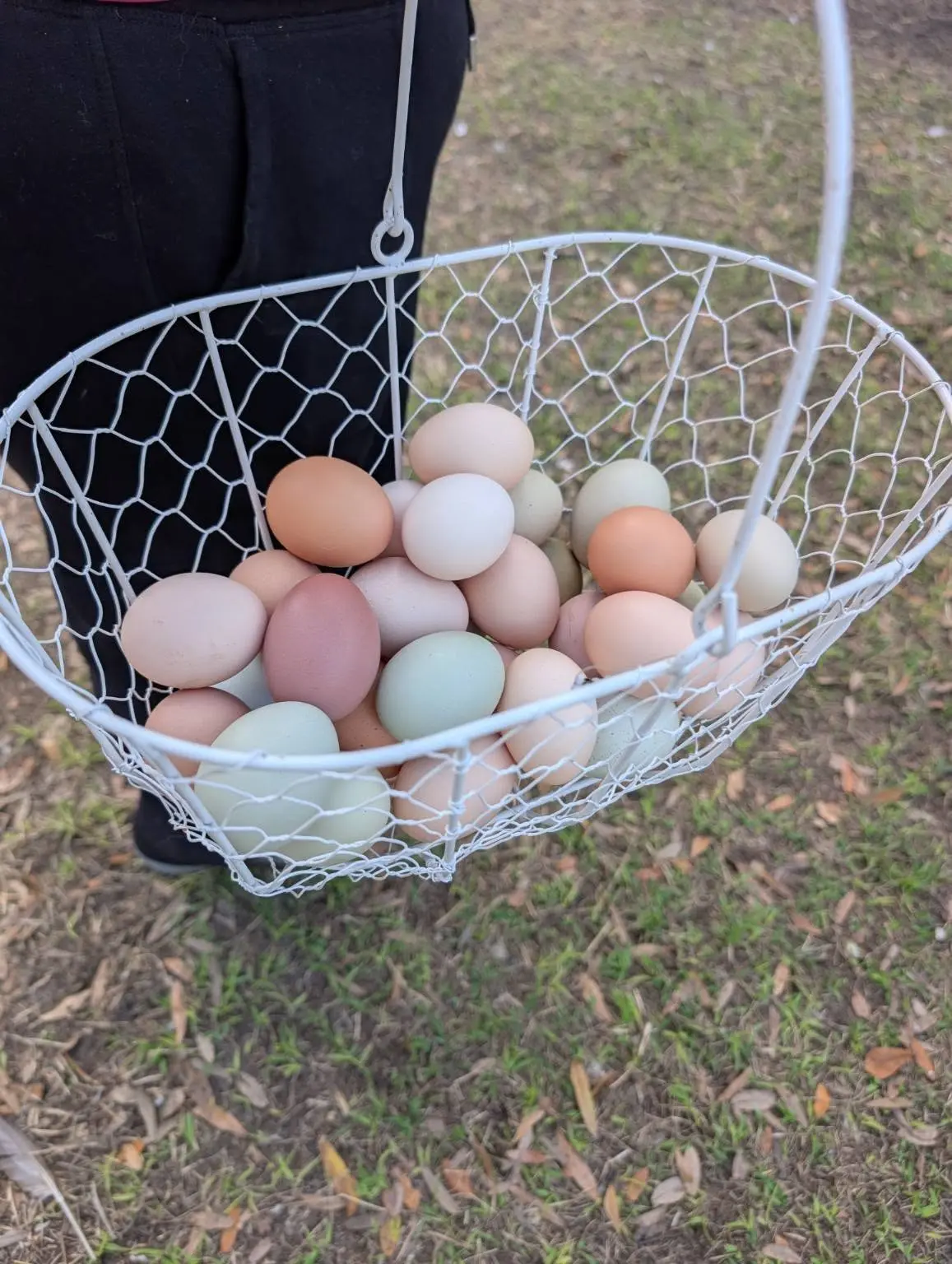
Food-safety cornerstone
Collect, Clean and Store Fresh Eggs
Build one consistent path from a clean nest box to a dated refrigerator carton.
Read the Guide → DiamondTrail Ranch
Chicken eggs, duck eggs and the whole path after the nest
Fresh eggs are not just an egg basket. Florida heat, clean nests, collection timing, shell condition, refrigeration, cooking, flock nutrition and state sales rules all matter. This hub connects chicken and duck eggs to one practical, source-backed system.
Browse Florida EggsFrom this property and current sources
Fresh eggs are not just an egg basket. Florida heat, clean nests, collection timing, shell condition, refrigeration, cooking, flock nutrition and state sales rules all matter. This hub connects chicken and duck eggs to one practical, source-backed system.
This section is for: Florida flock owners, families buying local eggs and home cooks who want clear answers about collection, bloom, washing, refrigeration, storage, duck eggs, shell problems, production and legal sales.
Our ranch record comes from two acres in Central Florida. Conditions vary by property, region, animal, plant, and situation.
Ranch records and focused guides
Choose the page that matches the animal, plant, measurement, or chore in front of you.
Build one consistent path from a clean nest box to a dated refrigerator carton.
Read the Guide →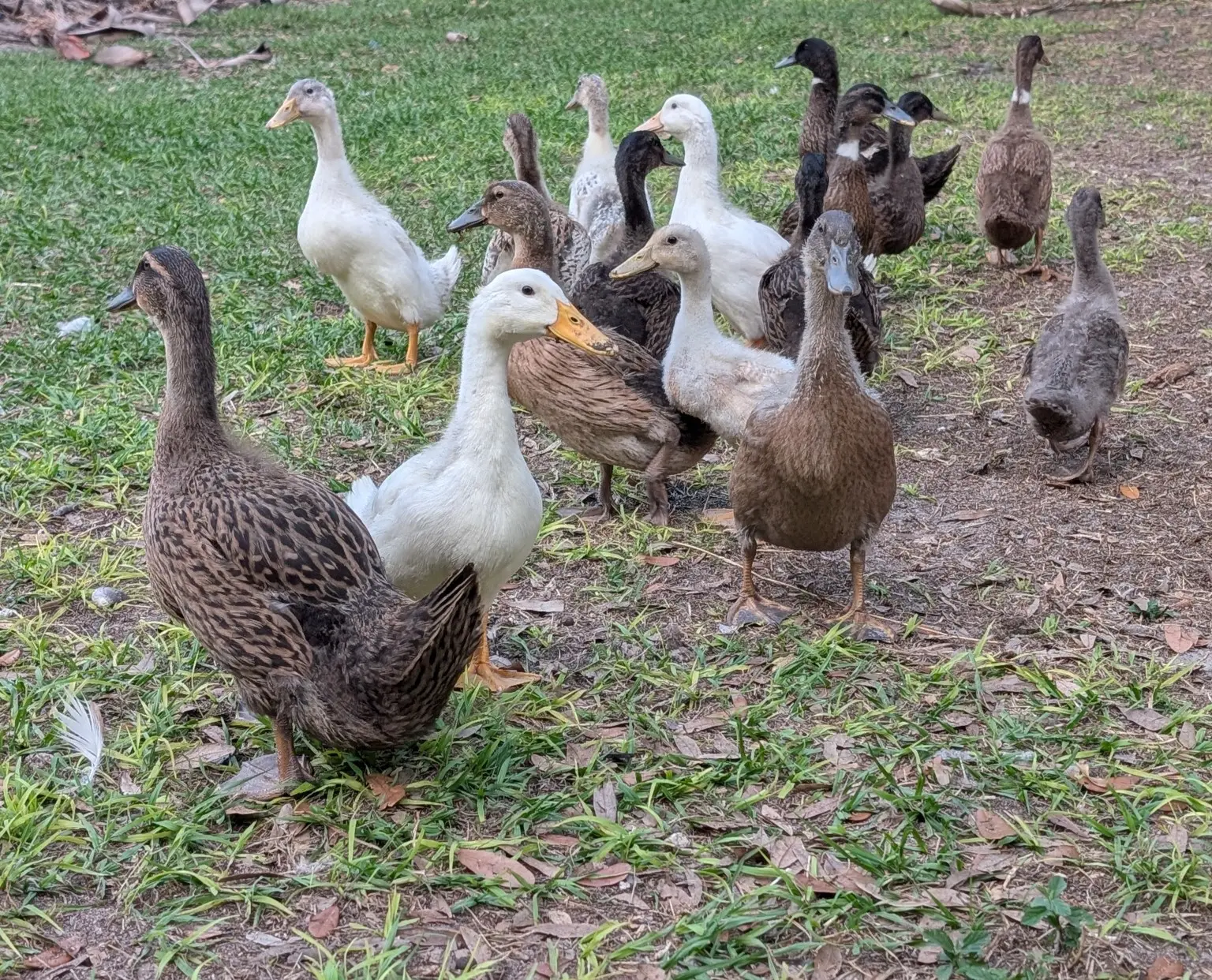
Compare actual egg size, cooking, baking, nutrition and the different birds behind the basket.
Read the Guide →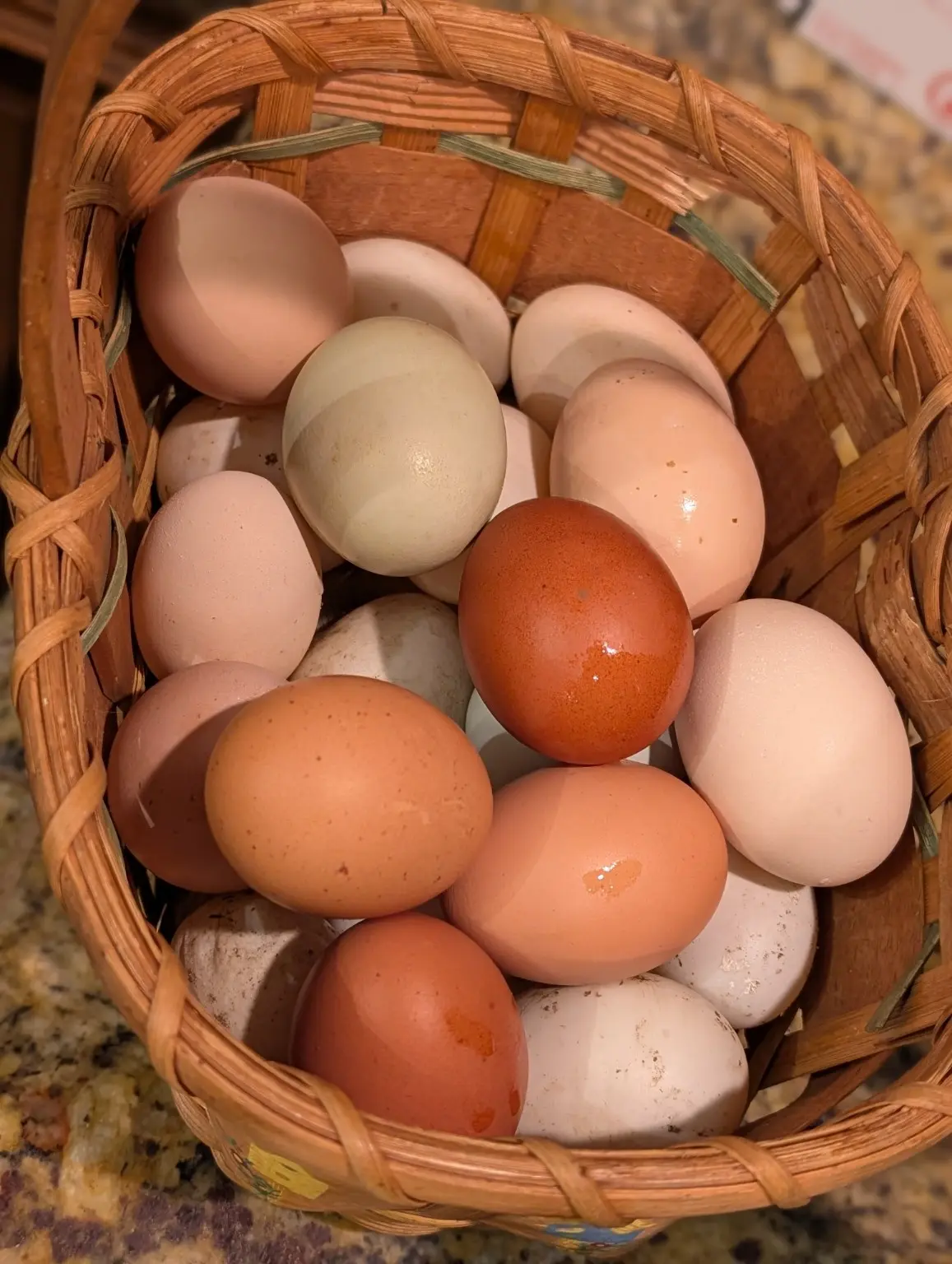
Start with FDACS permits, handling, refrigeration, packaging and labels before advertising.
Read the Guide →Questions in this section
Protect the egg before it reaches the pan.
Compare the birds, egg size and kitchen use without making universal promises.
An egg count is useful when connected to weather, age, molt, feed, water and health.
A local sale is still a regulated food transaction.
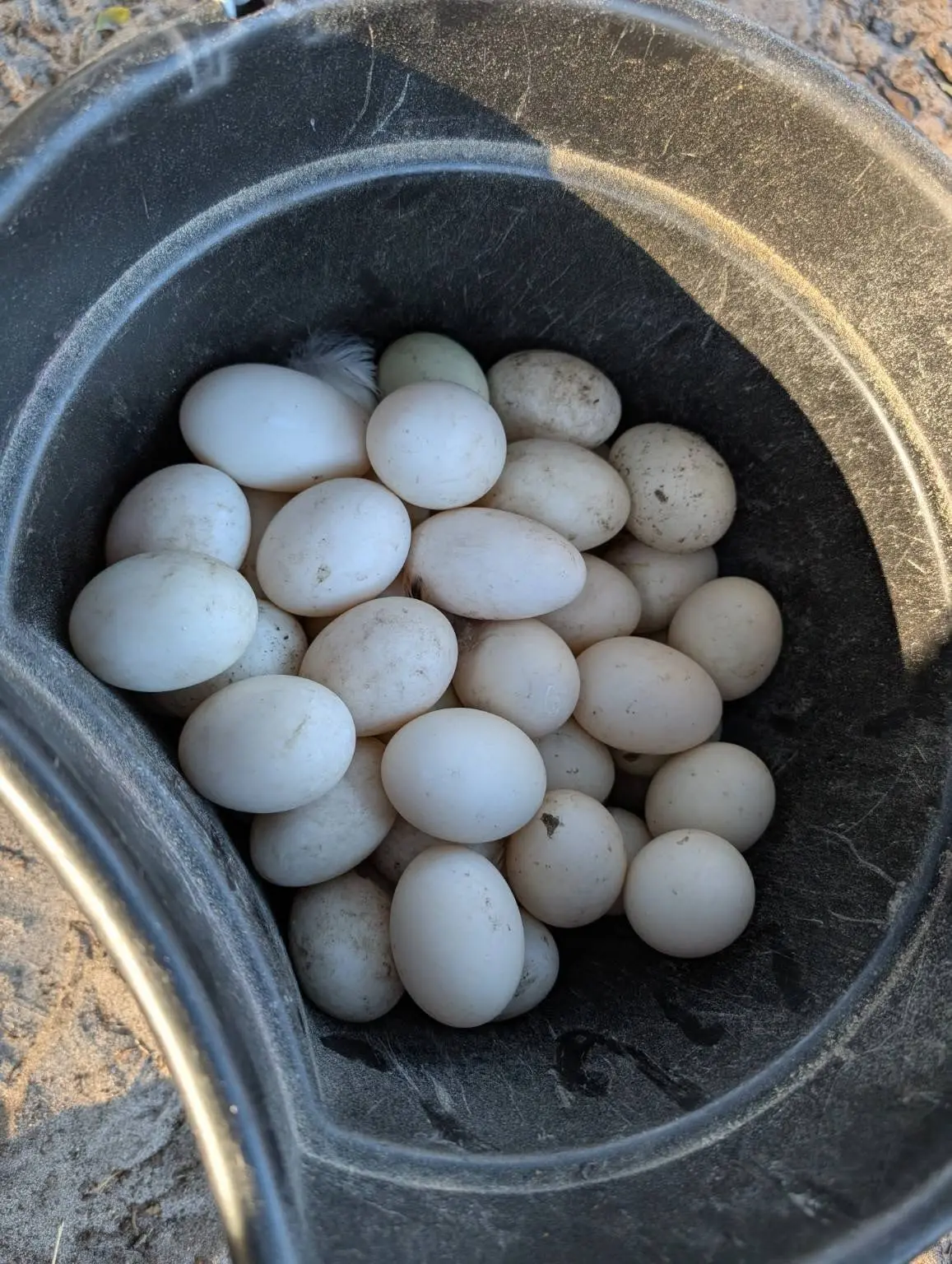
What we do at DiamondTrail Ranch
Our family raises chickens and several kinds of ducks in Florida, so chicken and duck eggs are both part of the homestead. We see the practical differences in the basket and the much larger differences in the animals’ water, mud, housing and daily work.
We share those firsthand observations without turning one family’s routine into a food-safety rule. Collection, cooking and sales guidance is linked to CDC, USDA and FDACS so readers can verify the current official source.
Related videos from our ranch
See our real Florida poultry, egg baskets, coops and everyday flock routines, then use the written knowledge base for the complete step-by-step guidance.
The written guides provide the full practical information. Video adds the real birds, spaces and chores without replacing the text.
Watch on YouTube ↗Frequently asked questions
CDC and USDA guidance supports prompt refrigeration. Florida sellers must also follow current FDACS handling requirements.
CDC describes careful dry cleaning for backyard eggs, while USDA cautions consumers against unnecessary home washing. Permitted sales operations may have controlled requirements; follow the current source for your situation.
They are different, often larger and useful in cooking and baking. “Better” depends on taste, recipe, serving size, availability and dietary needs.
USDA’s household chart lists raw shell eggs at three to five weeks under refrigeration. Actual time-temperature history still matters.
No blanket assumption is safe. FDACS regulates limited poultry and egg farms, and local requirements may also apply.
Trusted Florida and federal resources
Our experience stays separate from rules, disease guidance and scientific recommendations. Use these official sources for the current version.