How Far Apart Should Banana Plants Be for a Privacy Wall?
Banana privacy-wall spacing should reflect mature cultivar size, expanding mats and maintenance access, not only how quickly you want the fence hidden.
Amanda Grimes-ShokesOwner of DiamondTrail Ranch · Florida homesteader
Published Updated 6 minute read
The immediate answer
Banana Privacy-Wall Spacing
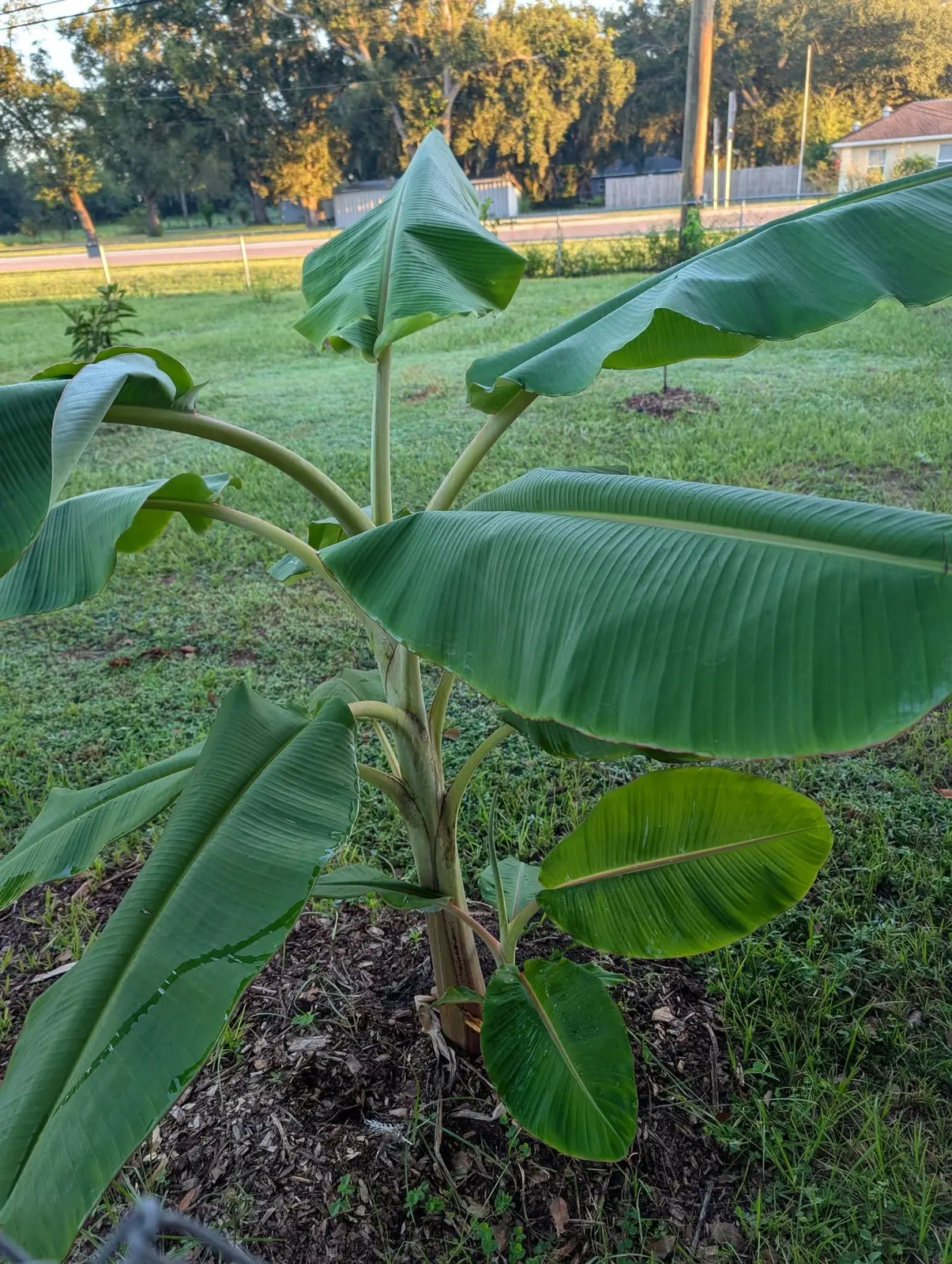
For a banana privacy wall, start with the mature spread of the known cultivar and leave room to walk, thin pups and service the fence. Because our dwarf cultivar is unconfirmed, we are using conservative spacing and treating each expanding mat, not each temporary pseudostem, as the long-term unit.
Key takeaways
What matters most
Confirm cultivar size when possible.
Plan around the expanding mat.
Leave a maintenance lane between plants and the fence.
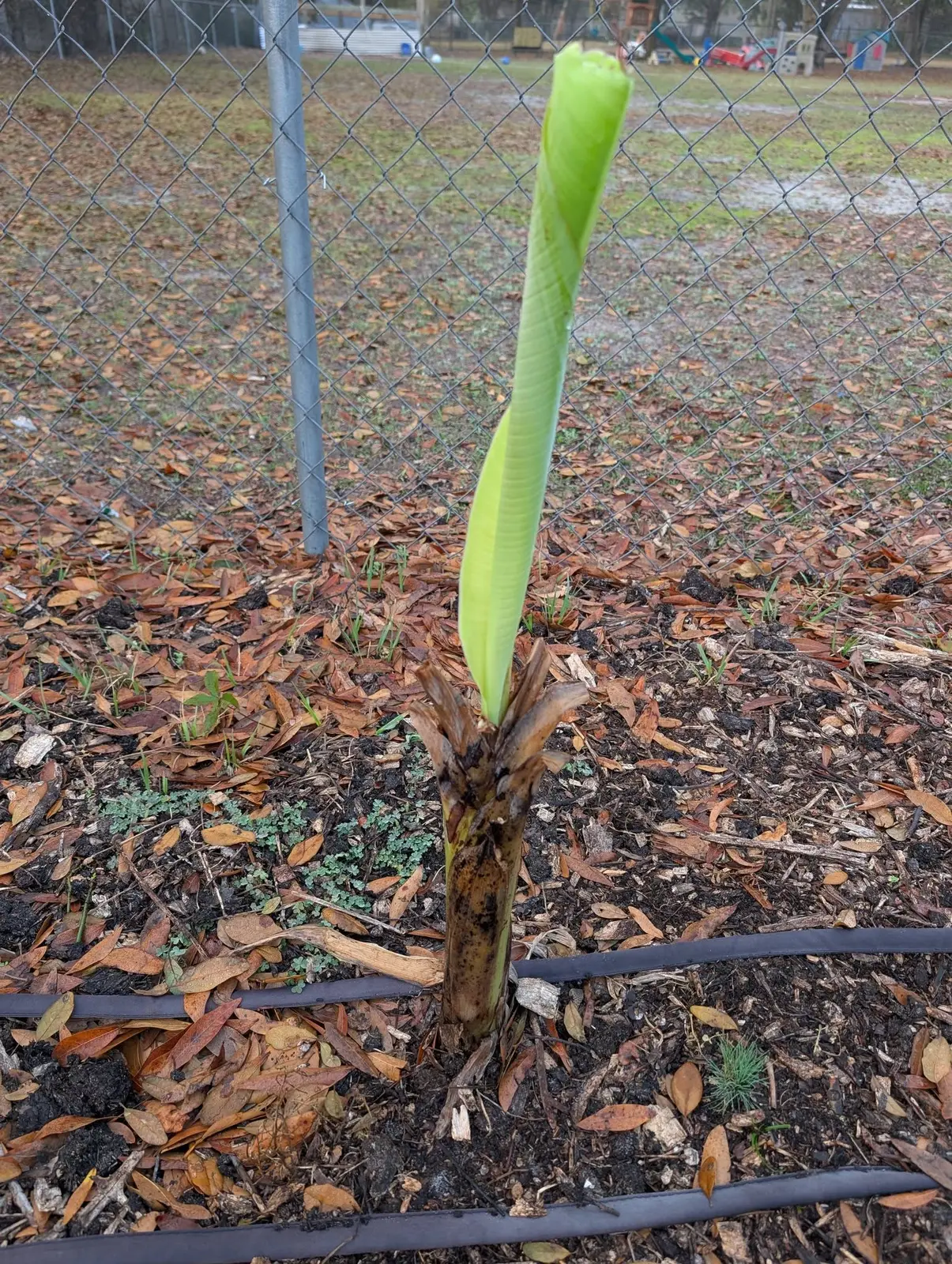
Expect winter damage to change screening density.
01
Space the mat, not one temporary stem
A banana planting expands through pups. A neat row of single stems can become overlapping mats if every sucker remains. The long-term spacing plan must include thinning and access.
Our fence-line plan uses pups from one recovered mat. Because the exact dwarf cultivar is unknown, we are not assigning a pretend mature width. We will adjust the row as its actual growth becomes clear.
02
Leave room to service the fence
A privacy wall that blocks access to posts, wire, gates or utilities creates a new problem. Leave a working lane wide enough for the tools and repairs your fence actually needs.
Keep trunks and leaves clear of electric components, gate swing, neighbor property and sight lines needed for animals or driveways.
03
Build density through managed pups
Instead of planting new starts almost touching, allow each mat to establish and retain selected pups that fill the visual gaps. Remove extras that crowd the center or make maintenance impossible.
UF/IFAS describes the mat as a managed population of pseudostems. That is a more durable way to think about privacy than counting every current leaf.
04
A Florida banana screen is seasonal insurance, not a wall
Cold, wind and torn leaves can reduce privacy quickly. A banana row should not be the only barrier where permanent screening, animal containment or security is required.
Our goal is a living green layer along an existing fence. The fence remains the boundary; the bananas are landscaping.
Frequently asked questions
Questions readers ask next
Can I plant banana pups three feet apart?
Some small cultivars and aggressively managed ornamental rows may tolerate close spacing, but the correct distance depends on cultivar, mat management and access. Do not choose a number without mature-size information.
Will bananas damage a fence?
Crowded mats and heavy leaning pseudostems can obstruct or press on a fence. Maintain separation and thin growth.
Are bananas a permanent privacy screen?
Not reliably in freeze-prone Florida. Cold and wind can remove much of the foliage.
Supporting references
Where the outside information came from
We separate our family’s experience from outside guidance. These sources support the general information used on this page.