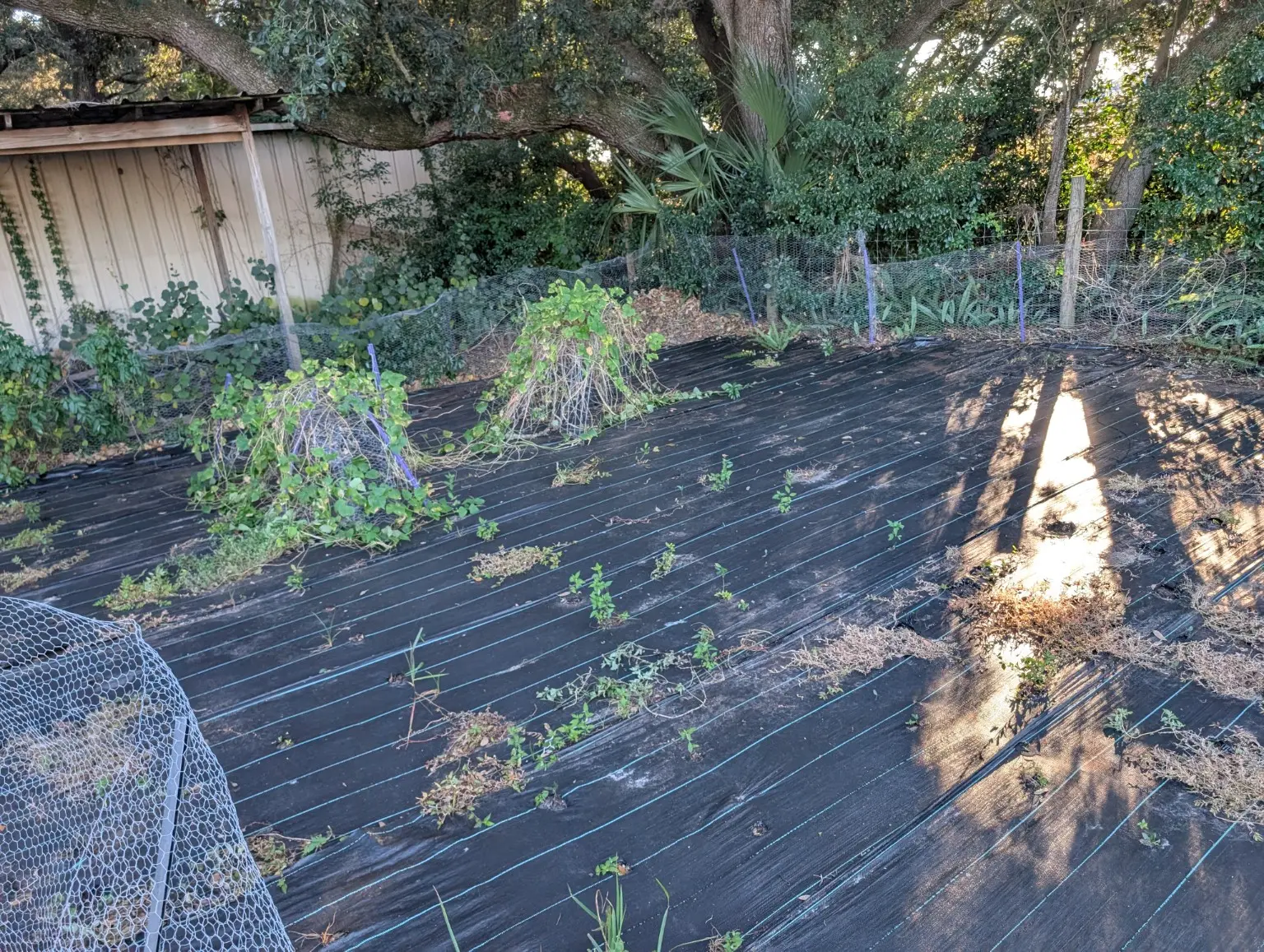
What is planted here now
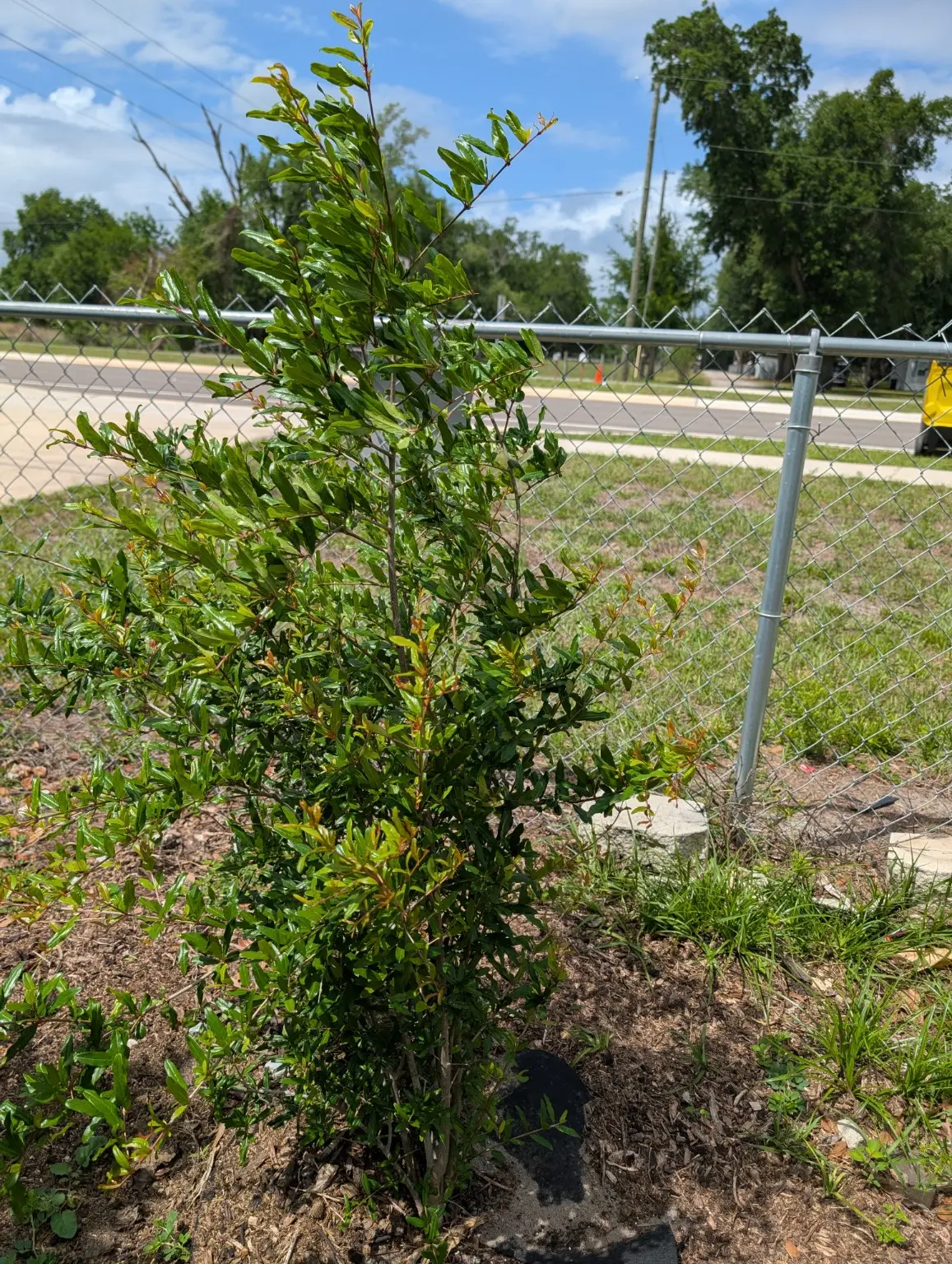
Our orchard and edible landscape include three peach trees, Meyer lemon, tangerine, loquat, pomegranates, dwarf everbearing mulberries, Barbados cherry, Jamaican cherry, fig and bananas. We also grow berries, passionfruit and elderberry, but those are not all trees.
This list describes what we are growing. It does not mean every plant has reached mature production.
The trees that keep teaching us
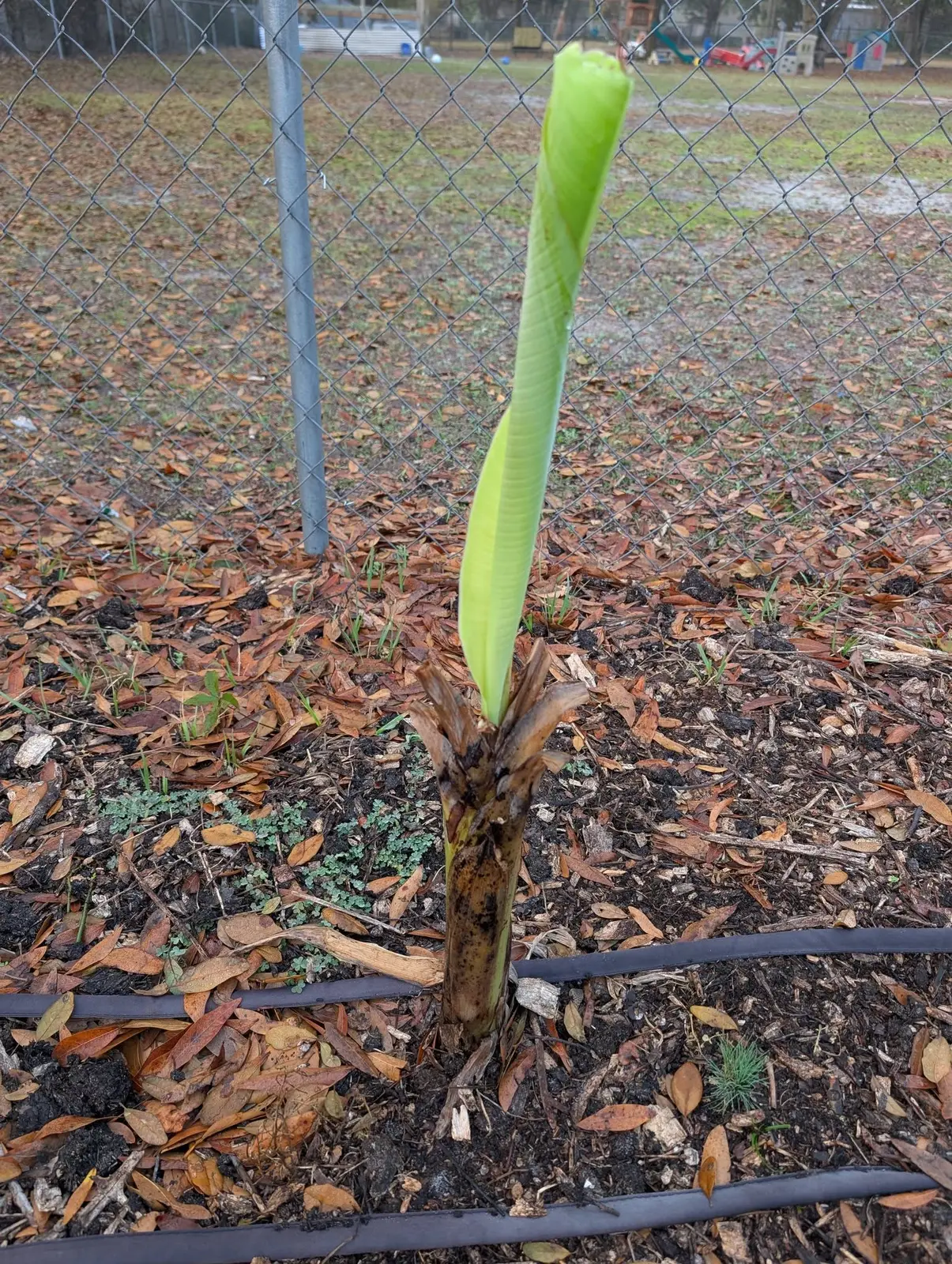
Mulberries have been useful for propagation practice. Bananas taught us not to dig out a dead-looking mat too early. Pomegranate and loquat have shown how differently trees respond to our sandy soil, rain and winter weather.
Peaches add chill-hour and cultivar questions that do not apply to tropical fruit. Citrus brings its own disease and care realities in Florida.
What survived the freeze
The banana top growth was the most dramatic loss, but the underground mat returned. Several established woody fruit plants retained or resumed growth, while the event reminded us that microclimate and exposure can matter across the same nearly two acres.
We do not call a plant freeze-proof because it survived one event. Duration, wind, moisture, health and exact temperature change the outcome.
Water access beats a longer wish list
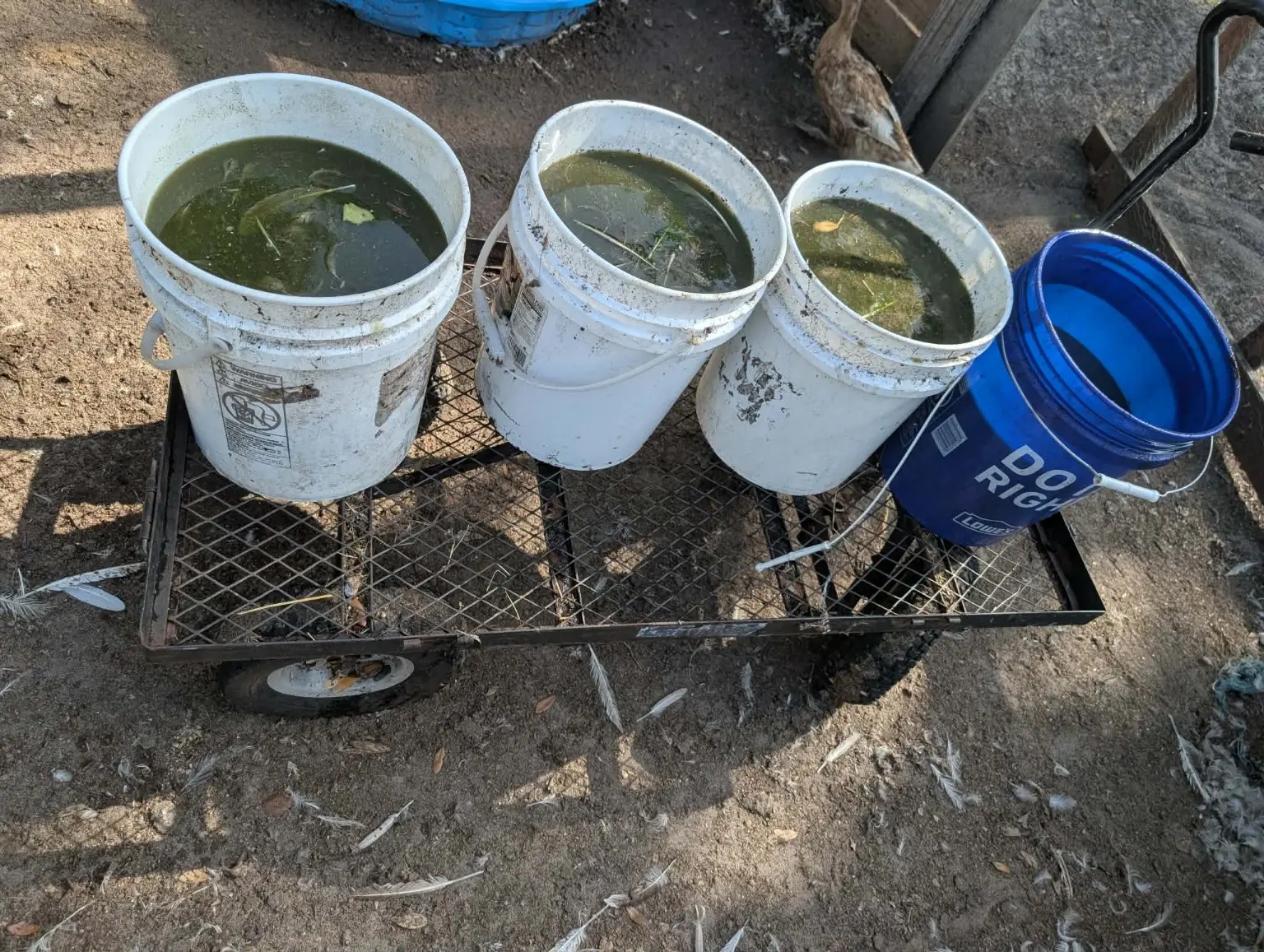
A tree at the far edge of the property still needs dependable establishment water. We now include hose reach, stored water, cart access and drainage in the planting decision.
Planting smaller groups makes it easier to learn the site before every open space becomes a permanent maintenance promise.
How we would choose the next tree
We would confirm cultivar, rootstock, mature size, chill hours, pollination needs and disease considerations before buying. We would also choose the exact planting site before the nursery trip.
Local UF/IFAS and reputable nursery guidance matters more than a generic national list.