Complete beginner guide
Starting Backyard Chickens in Florida
Confirm the rules and build adult housing, shade, water, feed storage and a secure routine before buying birds.
Read the Guide → DiamondTrail Ranch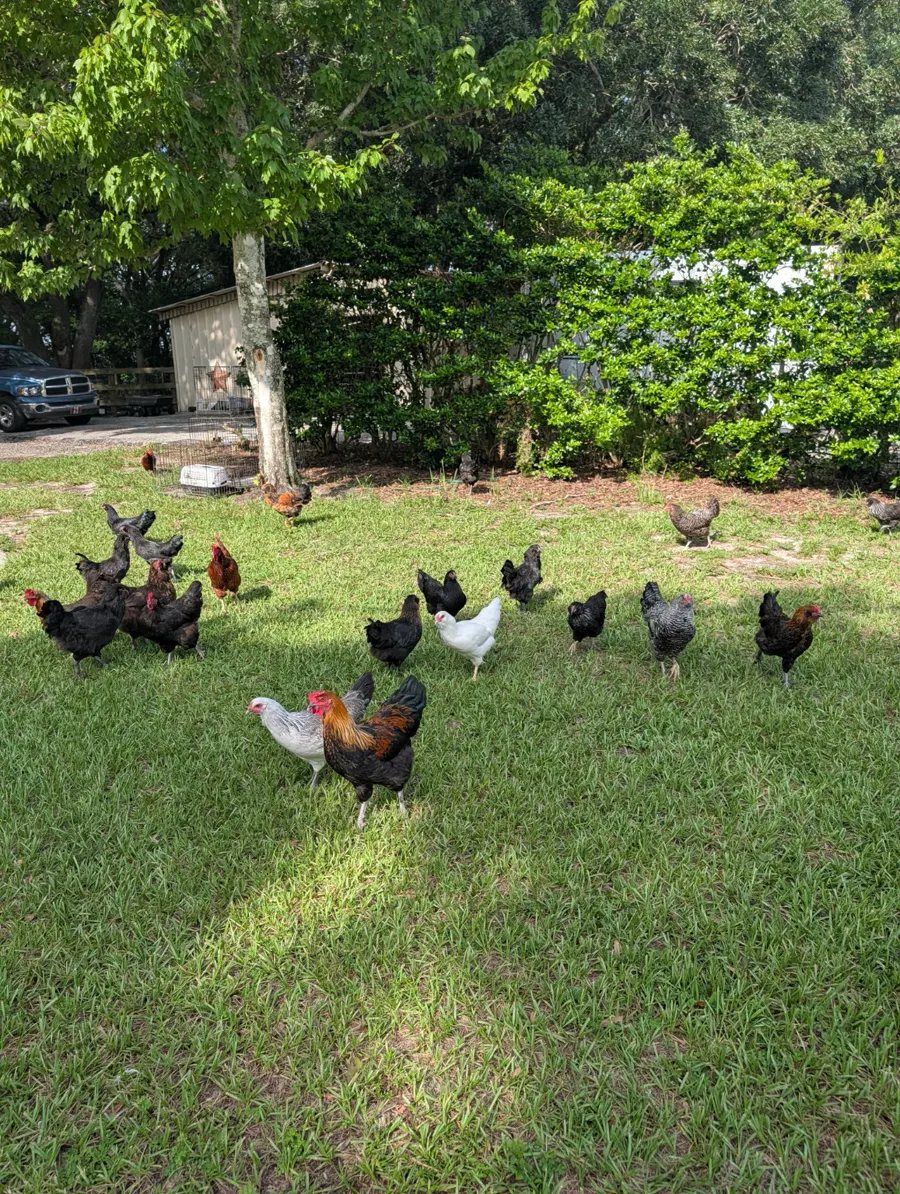
A complete backyard flock knowledge base
Raising chickens in Florida starts with a dry, predator-resistant coop, dependable shade and water, strong airflow and a plan for rain and hurricanes. This guide connects our real mixed-flock experience with current UF/IFAS, USDA, FDACS and CDC resources.
Browse Florida ChickensFrom this property and current sources
Raising chickens in Florida starts with a dry, predator-resistant coop, dependable shade and water, strong airflow and a plan for rain and hurricanes. This guide connects our real mixed-flock experience with current UF/IFAS, USDA, FDACS and CDC resources.
This section is for: Florida families planning their first flock, improving an existing coop or trying to understand how weather, housing, nutrition, eggs and biosecurity fit together.
Our ranch record comes from two acres in Central Florida. Conditions vary by property, region, animal, plant, and situation.
Ranch records and focused guides
Choose the page that matches the animal, plant, measurement, or chore in front of you.
Confirm the rules and build adult housing, shade, water, feed storage and a secure routine before buying birds.
Read the Guide →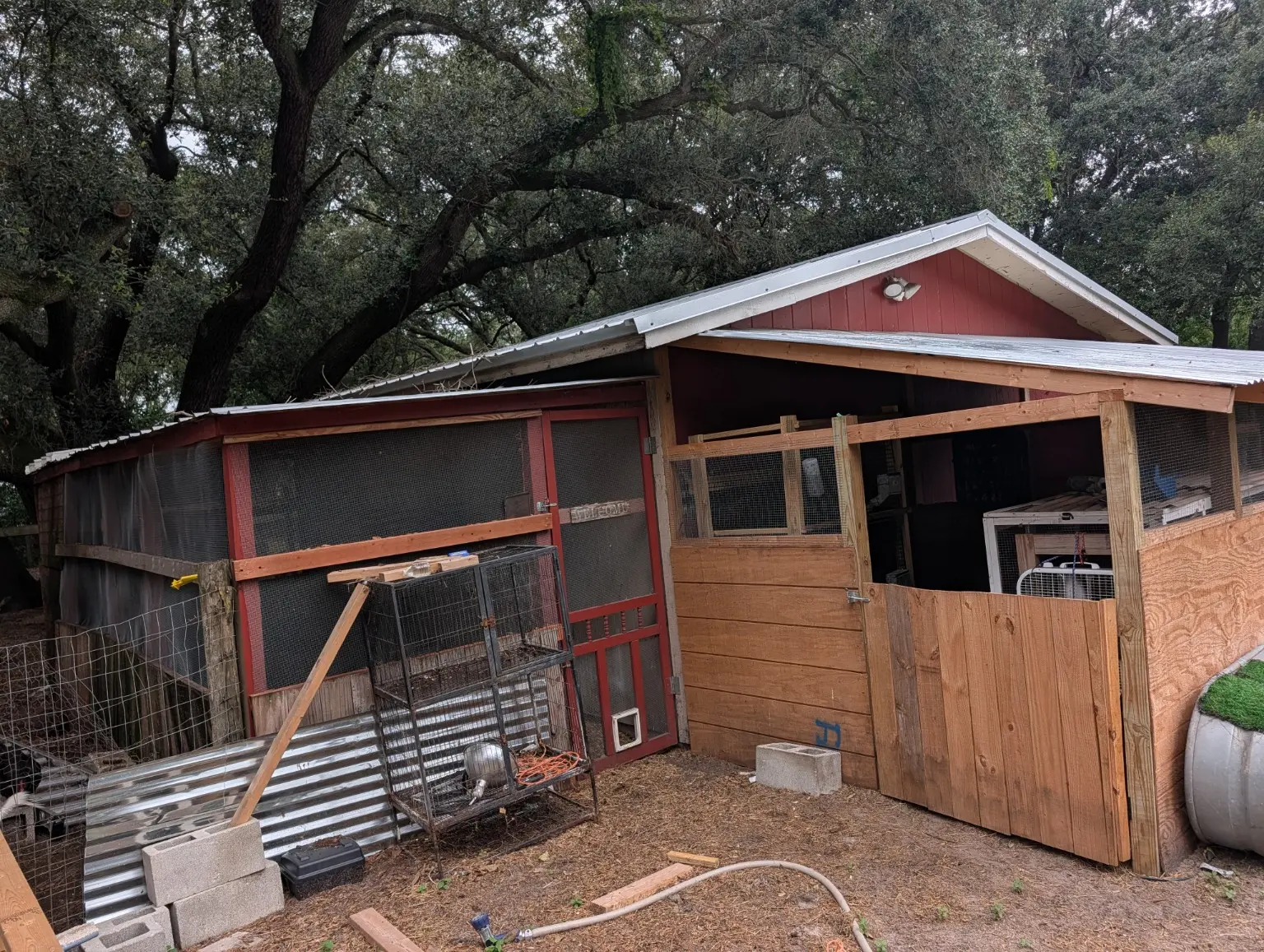
Plan shade, ventilation, drainage, roosts, nest boxes, cleaning access and predator protection as one system.
Read the Guide →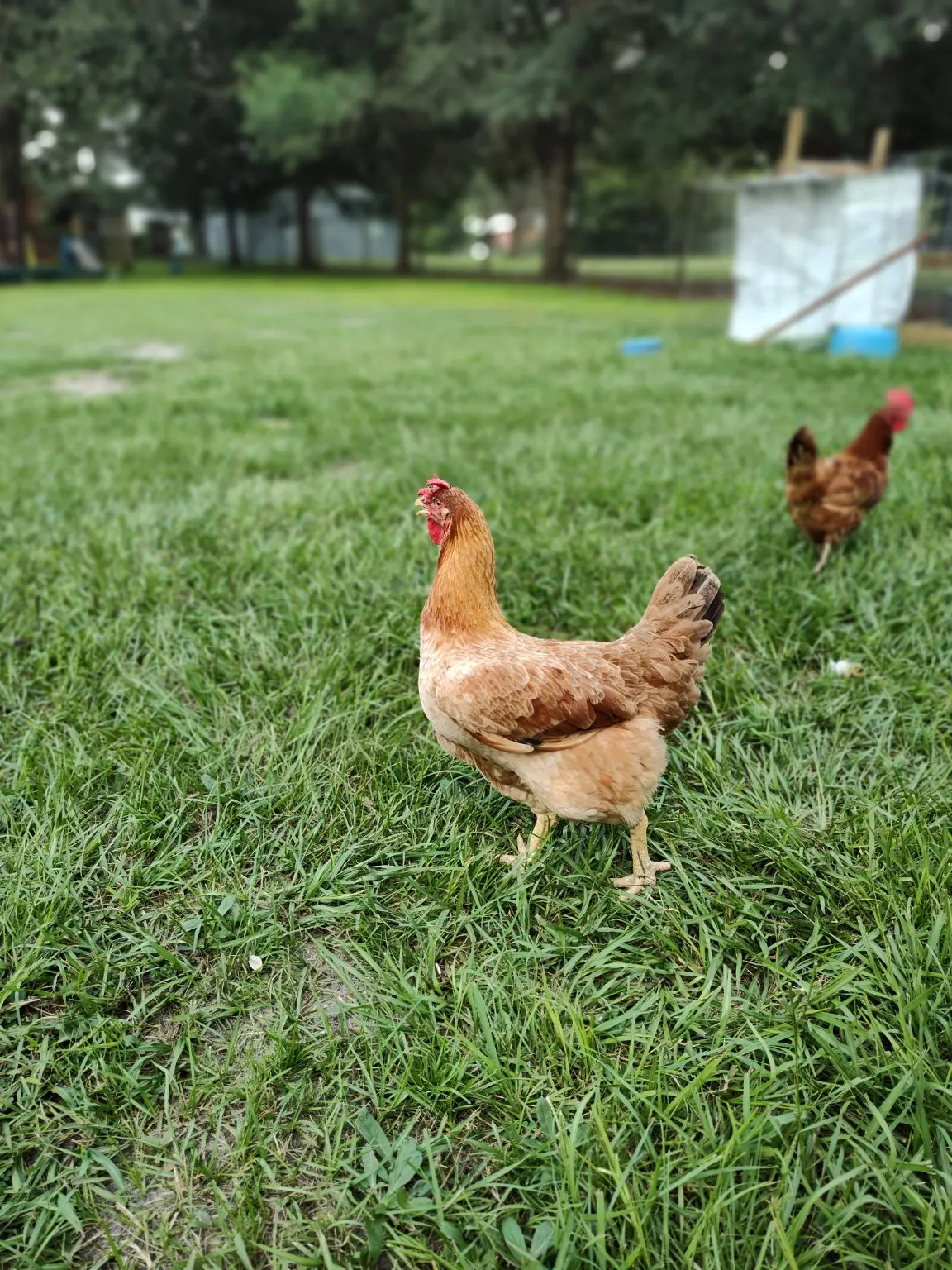
Build overlapping shade, airflow, water and observation systems that continue working when one part fails.
Read the Guide →How the parts connect
The bird is only one part of the decision. Confirm local rules for the exact property, then walk the future chicken area during afternoon sun and after a hard rain. A convenient corner can become an oven, a puddle or a daily chore bottleneck.
Plan the adult flock before buying chicks: secure housing, usable shade, drainage, water access, feed storage, a cleaning route and a safe place to separate a bird. Starting smaller leaves room to correct what the first season teaches you.
Start a Florida backyard flock →Choose heat-aware breed traits →
A Florida coop has to release heat and moisture while remaining dry enough for rest and secure enough for night. The run has to survive roof runoff, digging feet and weeks of humid weather. Roosts, nest boxes, doors and feeders should be placed for both the birds and the person cleaning them.
A small prefab coop may advertise a bird capacity that does not match comfortable adult space, Florida airflow or the room needed around water and feed. Measure usable floor, roost and run space instead of relying on a product name.
Build a Florida chicken coop →Plan ventilation →Control run mud →
Florida heat is not solved by one frozen treat. Birds need deep shade during the hottest part of the day, airflow at bird level, clean water in more than one location and a caretaker who notices when normal summer panting becomes worsening distress.
On our homestead, the shade line moves and flock behavior changes through the day. We check the actual water and the birds rather than assuming a full reservoir, one fan or a shady morning location is enough.
A complete life-stage ration should do most of the nutritional work. Florida humidity raises the importance of dry storage, rotation and inspecting feed before it reaches the feeder. Scratch and kitchen treats are additions, not a substitute for the balanced diet.
Egg care begins with clean nest boxes and frequent collection. Heat, molt, age, water, nutrition and illness can all change production, so an egg count is most useful when it is connected to notes about the whole flock.
Feed laying hens →Collect and store fresh eggs →Understand production drops →
Counts and ordinary chores create the best baseline. Notice posture, movement, breathing, appetite, droppings and whether a bird is being excluded. One sign rarely identifies one disease, but a spreading change, sudden deaths or severe distress should move quickly to qualified help.
Biosecurity is everyday work: control unnecessary traffic, use dedicated footwear, clean shared equipment, keep wild birds away from feed and water where practical and separate new or questionable birds safely.
A hurricane plan needs more than extra feed. Decide whether the structure is safe from wind, trees and flooding; prepare carriers or crates; protect records; store water safely; identify backup care and know what happens if local officials order evacuation.
No article can decide that shelter choice from a distance. Forecast, structure, flood zone, evacuation order and available destination all matter. Human safety comes first, and poultry should be included in the family plan early enough that they do not force dangerous last-minute decisions.
Plan livestock care for a hurricane →Open the Florida Preparedness Center →
Questions in this section
Choose the property, birds and brooder only after the adult system makes sense.
Florida housing has to breathe, stay dry and resist pressure from every direction.
Use complete feed, careful observation and qualified help instead of confident online diagnosis.
Follow laying changes into safe collection, storage, cooking and Florida sales rules.
What we do at DiamondTrail Ranch
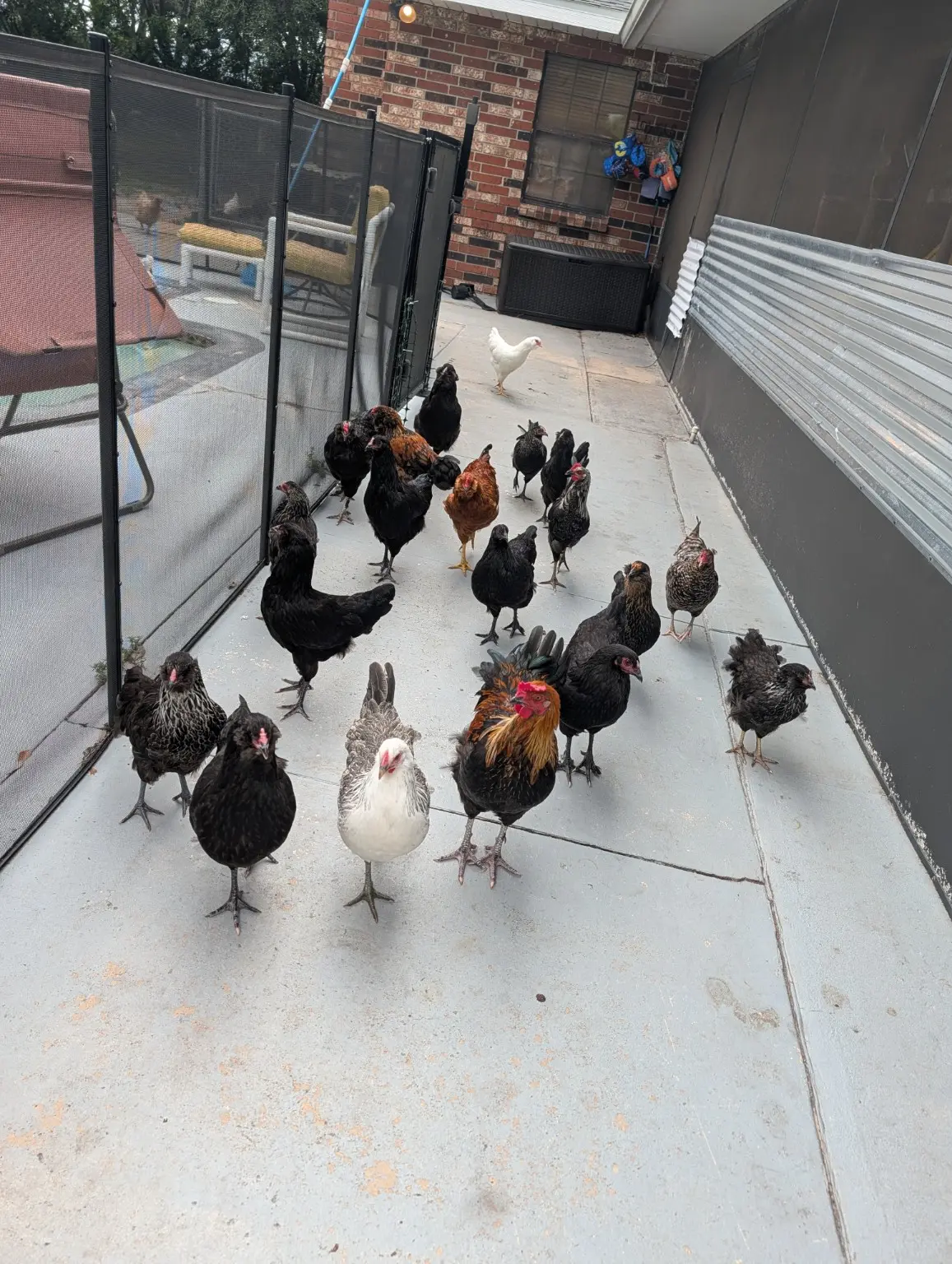
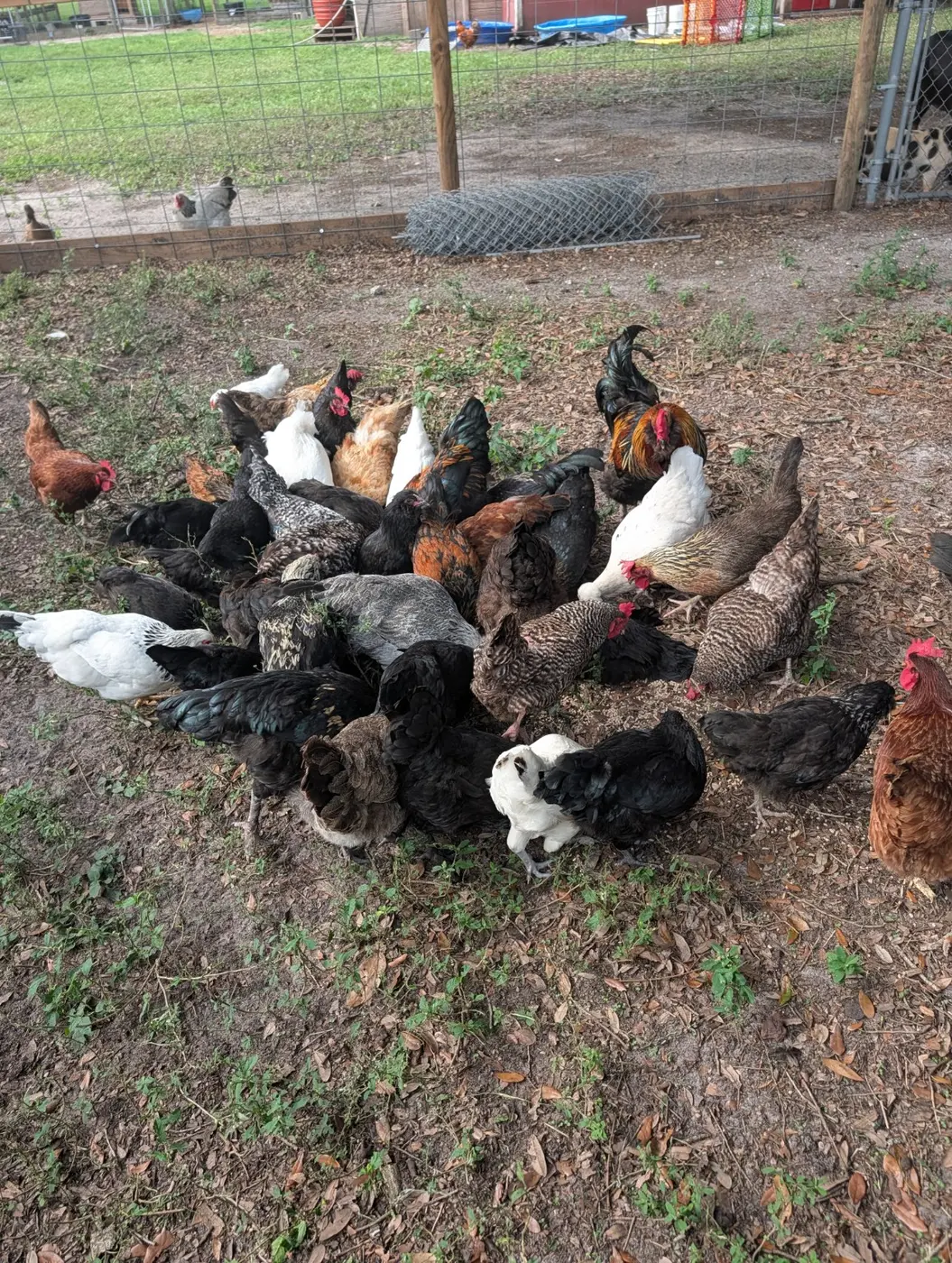
DiamondTrail Ranch is a veteran-owned, nearly two-acre family homestead in Florida. Our mixed flock moves between grassy areas, shaded trees, the coop and shared chore spaces while ducks, goats, rabbits, equines, pigs, cattle and dogs use other parts of the property.
The birds make abstract advice very concrete. Afternoon shade can move away from the waterer. A feeding area can become crowded. Sandy ground can still turn muddy where feet and roof runoff meet. We photograph those real spaces and use them to explain the system, not to claim our setup is the only correct one.
Related videos from our ranch
See our real Florida poultry, egg baskets, coops and everyday flock routines, then use the written knowledge base for the complete step-by-step guidance.
The written guides provide the full practical information. Video adds the real birds, spaces and chores without replacing the text.
Watch on YouTube ↗Frequently asked questions
Many chickens can live successfully in Florida, but breed traits do not replace deep shade, ventilation, clean water and frequent observation.
There is no universal winner. Compare warm-climate traits, body and feather type, temperament, laying goals and the management your property can provide.
Rules vary by municipality, county, zoning district, HOA and deed restrictions. Verify the exact property before buying birds.
Florida regulates shell-egg sales. Check the current FDACS Limited Poultry and Egg Farm requirements and local rules before selling.
No. The guides are educational and combine our family’s experience with linked official sources. Individual illness and treatment decisions belong with qualified professionals.
Trusted Florida and federal resources
Our experience stays separate from rules, disease guidance and scientific recommendations. Use these official sources for the current version.