
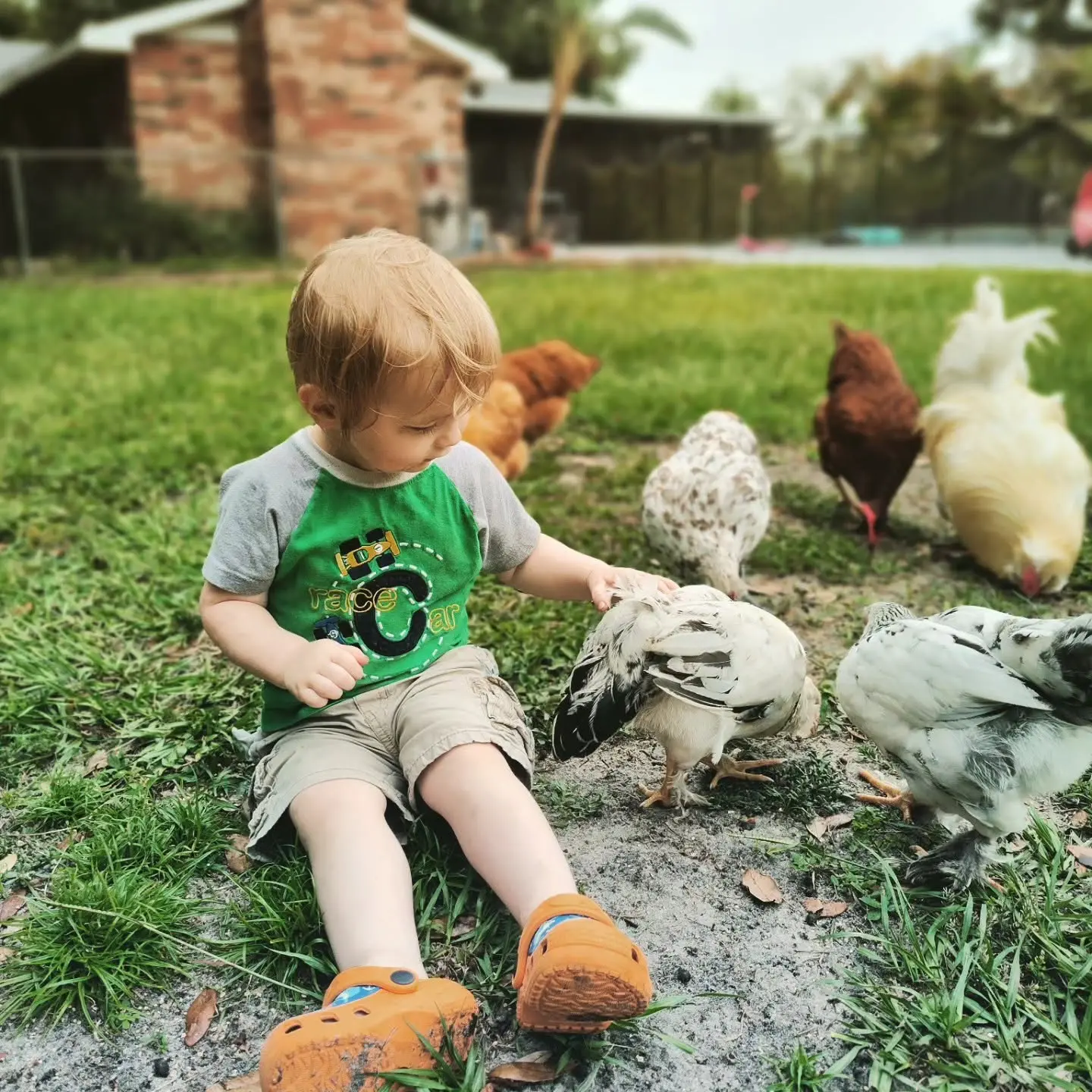
Homestead Economics
Are Backyard Eggs Really Cheaper? The Costs New Chicken Keepers Often Miss
Backyard eggs can be fresh, educational and resilient, but a complete flock cost usually includes far more than a bag of layer feed.
Immediate answer
What readers need to know first
Backyard eggs are not automatically cheaper than store eggs. Housing, predator protection, birds, feed, storage, waterers, bedding, repairs and the months before laying can make the cash cost per dozen surprisingly high. Their value may still be worthwhile when freshness, education, enjoyment and household resilience are included honestly.
The startup costs arrive before the eggs
Chicks or started birds are only the first line. A secure coop and run, hardware cloth, latches, nest space, feeders, waterers, brooder equipment and protected feed storage can exceed the cost of the birds many times over.
A low initial price is not a savings if a predator enters the first pen or a wet feed bin spoils repeated bags.
- Birds and transport
- Brooder heat used safely, bedding and starter feed
- Coop, run, roof, ventilation and nest areas
- Predator-resistant wire, apron, latches and repairs
- Feeders, waterers and dry feed storage
- Shade, airflow and backup water
The ongoing cost is more than feed
Feed is usually the most visible recurring input, but it is not alone. Bedding, oyster shell or other appropriate calcium access, pest control, cleaning tools, repairs, water, replacement equipment and veterinary decisions can enter the year.
Time also matters. A household may enjoy the chore, but economic honesty still records the minutes spent feeding, watering, collecting, cleaning, observing and maintaining the area.
| Cost group | What to record | Commonly missed item |
|---|---|---|
| Startup | Coop, run, wire, tools, birds | Rebuilds after a weak first setup |
| Feed | Bags, price, dates, flock size | Spillage and wildlife access |
| Water & bedding | Containers, fittings, litter | Wet-season replacement |
| Health & losses | Supplies, qualified care, mortality | Replacement birds |
| Labor | Minutes per day and projects | Time before first egg |
Time before laying and seasonal changes
Chicks eat and require care for months before the first egg. Pullets may begin at different ages, and production can change with age, daylight, molt, stress, nutrition and health.
Florida does not eliminate seasonality. Heat stress and weather disruptions can reduce production even when winter cold is less severe than in northern states.
Value beyond the grocery-store price
A flock can provide very fresh eggs, manure for a managed compost system, insect activity, family education and a closer understanding of food. Those benefits are real even when they do not appear on a receipt.
Resilience also has limits. Birds depend on feed, water, secure housing and daily care. A backyard flock is not a zero-input food source.
- Freshness and known collection routine
- Family learning and observation
- Enjoyment of keeping the flock
- Some household food redundancy
- A reason to improve water, storage and predator systems
Calculate your own cost per dozen
Add annualized startup cost, yearly operating cost and any confirmed replacement or care cost. Divide by the dozens actually collected during that same period. Keep gifts and broken or unusable eggs in the record rather than assuming every laid egg became household food.
Then make two decisions: whether the cash cost is acceptable, and whether the noncash value is worth the daily responsibility. The answer can be yes even when the eggs are not cheaper.
- Do not compare a mature flock’s best month with a store’s annual price
- Do not exclude the coop because it was paid for last year
- Do not assign a fake dollar value to enjoyment just to force a result
- Do record avoided purchases only when they actually occurred
About the author
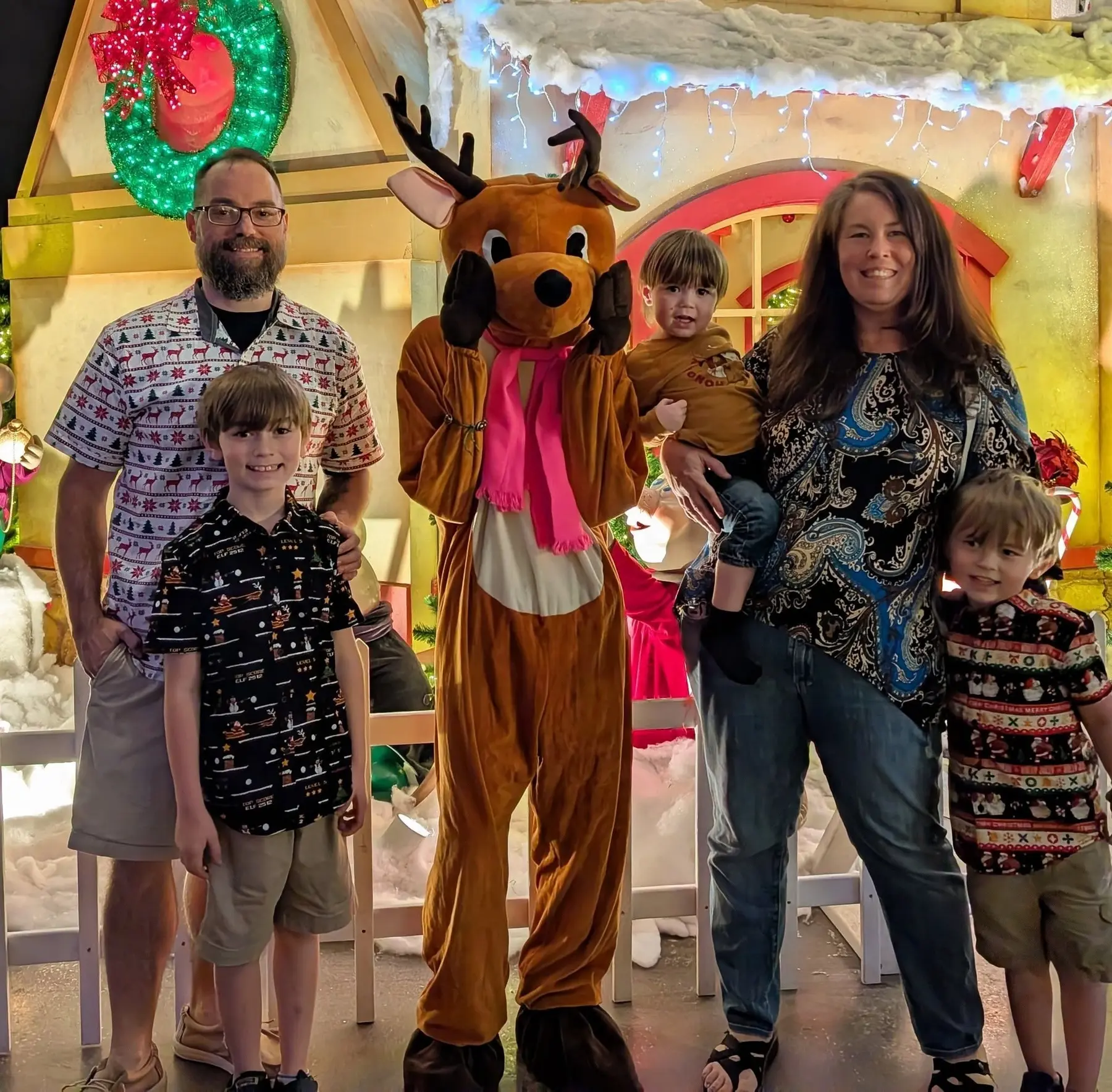
Amanda Grimes-Shokes
Owner of DiamondTrail Ranch and News & Views editorAmanda owns and operates DiamondTrail Ranch and reviews News & Views through the practical lens of a real Florida family homestead. For recalls, food safety, health, regulations and other high-stakes topics, she checks the article against the responsible agency's primary notice, separates confirmed facts from ranch perspective and directs readers to the current official source for decisions.
Her byline identifies editorial responsibility and homestead perspective; it is not a claim of medical, veterinary, legal or professional food-safety credentials.
Meet Amanda and the DiamondTrail Ranch family →Sources and further reading
Verify the important facts
Primary sources are labeled. Open the current official notice when product, disease, weather or legal details may change.
If you see a factual error or a primary source has changed, email Diamondtrailranch@gmail.com or read our Corrections and Updates Policy. Dates change only after a meaningful review.
Community discussion
Join the Conversation
Have you experienced this on your Florida homestead? Share what you are seeing in your area. Comments are moderated to keep the discussion useful, respectful and family-friendly.
0 approved comments