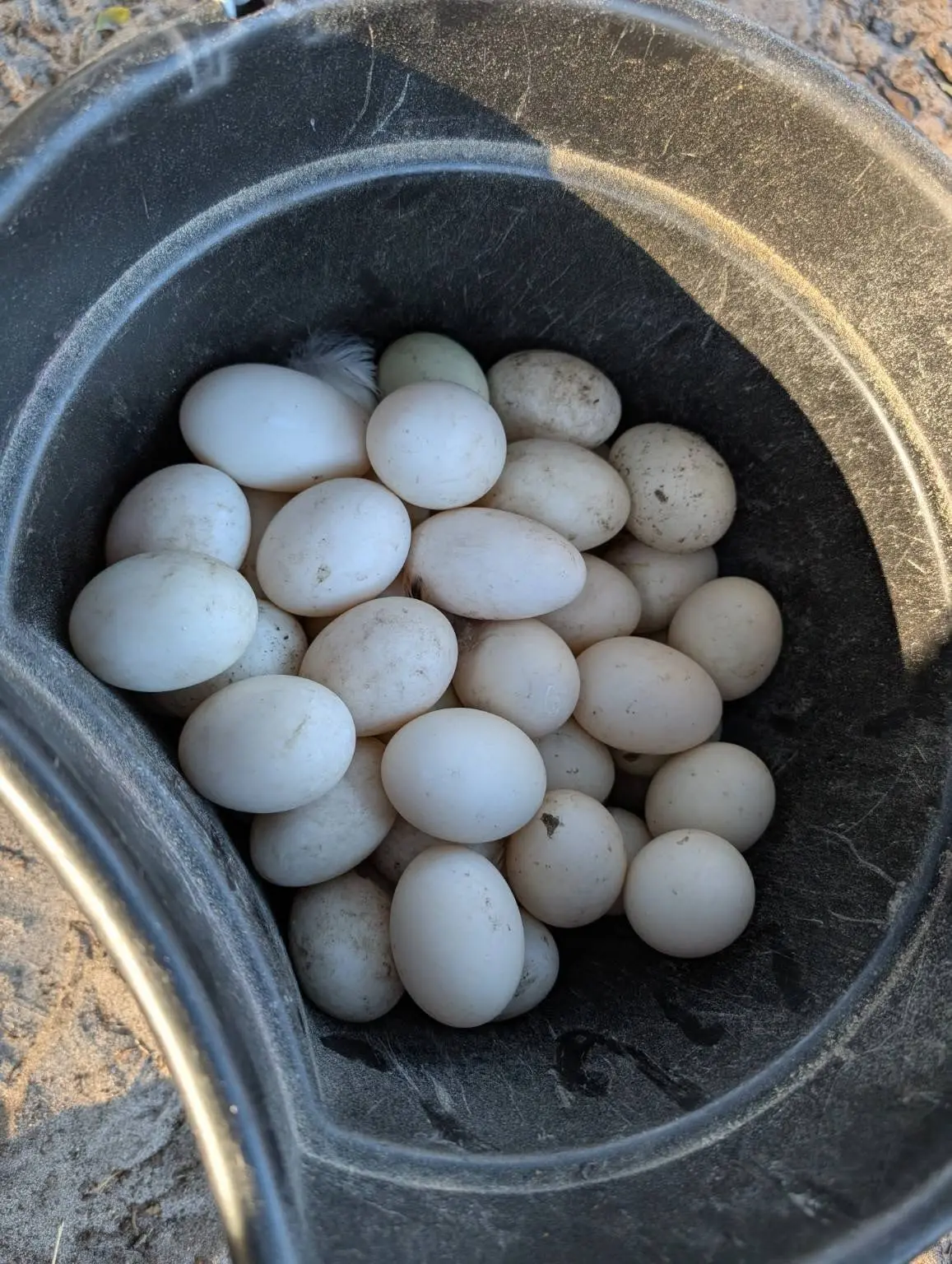
Water close to the animals
Running an extra line from our well toward the animal areas changed the amount of time and effort chores required. Long hose runs and carried buckets get old fast.
 DiamondTrail Ranch
Start with the systems
Before bringing home an animal, build dependable water, shelter, fencing, feed storage and a Florida weather plan. This family-first guide shows the questions we wish every beginner would answer first.
Before the cute animal comes home
The short answer: start smaller than your enthusiasm, finish the essential systems first and test them in real weather. Homesteading is not one shopping list. It is water that reaches the pen, gates that latch while your hands are full, feed that stays dry and shelter that still works after a hard Florida rain.
From our family’s experience on a Central Florida homestead, the quiet systems determine whether ordinary chores stay manageable. These pages are a starting point for better questions—not a substitute for local research, experienced mentors or qualified professional help.
Our before-your-first-animal list
Things that made our chores better
Running an extra line from our well toward the animal areas changed the amount of time and effort chores required. Long hose runs and carried buckets get old fast.
A trough, hose, float valve or pump can fail. We like backup containers and a stored-water plan so one broken part does not become an emergency.
Sealed storage, covered feeders and a clear reorder routine help protect feed from Florida humidity, rain, insects and rodents.
Shade, airflow, a dry resting area and storm security should be tested before an animal is standing at the gate.
We use hay holders to keep forage off the ground and have used half-cut barrels below them to catch what falls instead of losing it underfoot.
Simple solar lights around pens and chore paths help us see gates, troughs and animals when a storm or outage leaves the property dark.
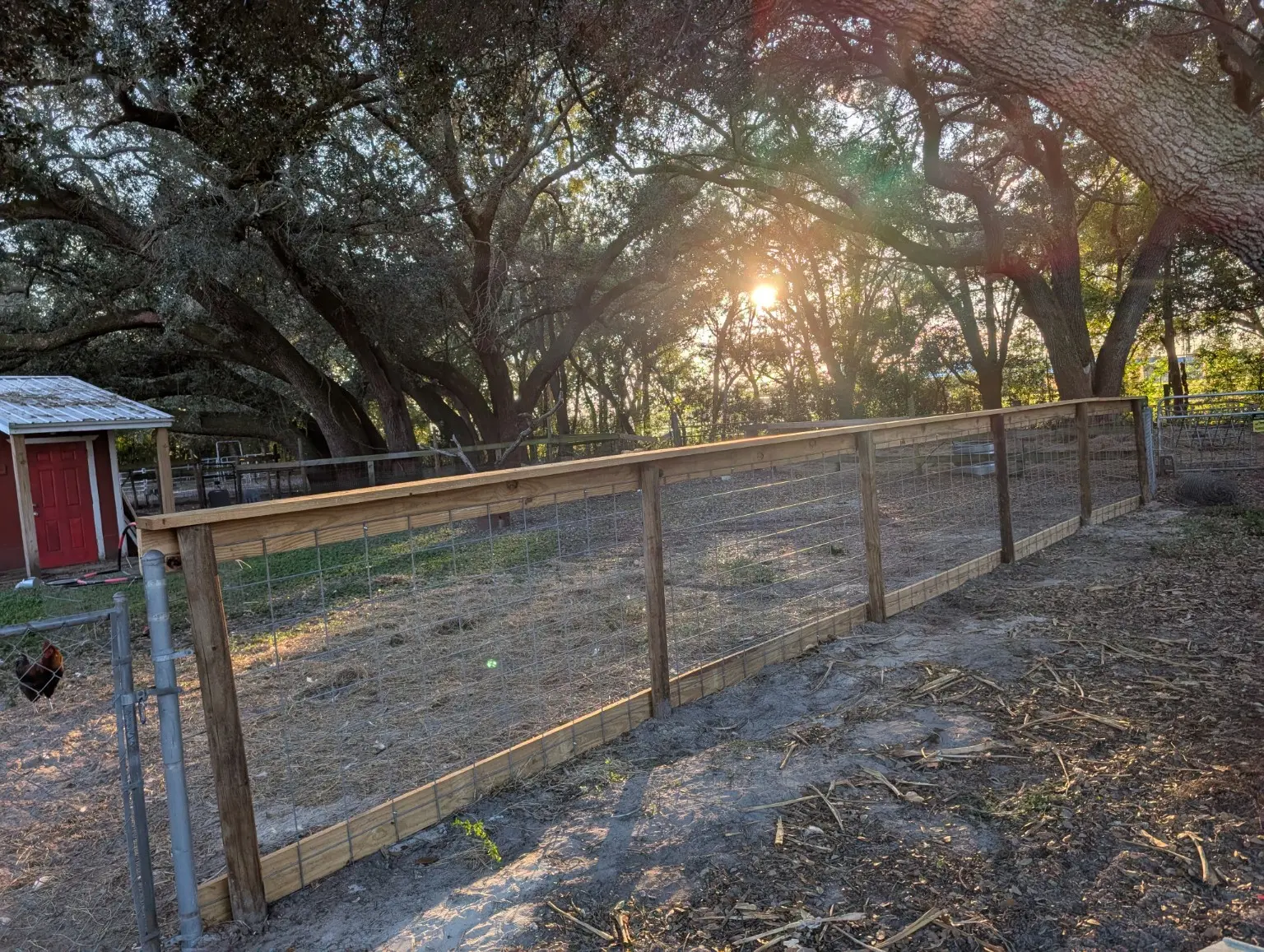
The unglamorous foundation
Fencing is rarely the photograph that inspires someone to start homesteading, but it shapes almost everything that follows. This is one of our real fence lines: sturdy posts, livestock panels, a lower board and gates placed where daily work can actually happen.
Every species and property creates different questions. Our biggest lesson has been to finish and walk the boundary before the animal arrives, then keep checking it as weather, roots and determined animals test the weak spots.
Choose an animal
Each starter page includes housing, fencing, feed storage, water redundancy, Florida considerations and a related DiamondTrail Ranch video.
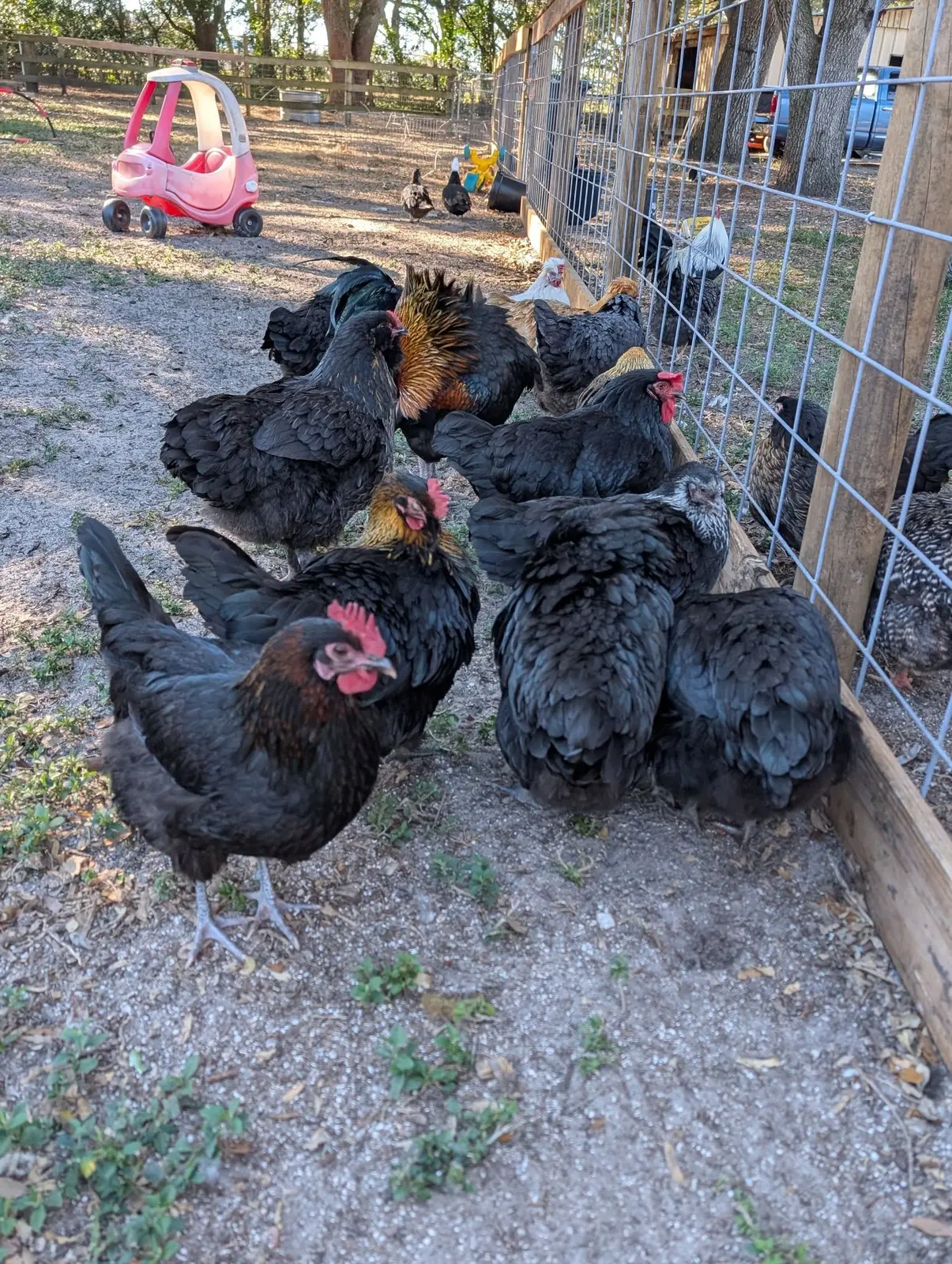
What we would want ready before bringing home a backyard flock: a dry coop, secure run, dependable water, shade and a chore routine the whole family understands.
Open the starter guide →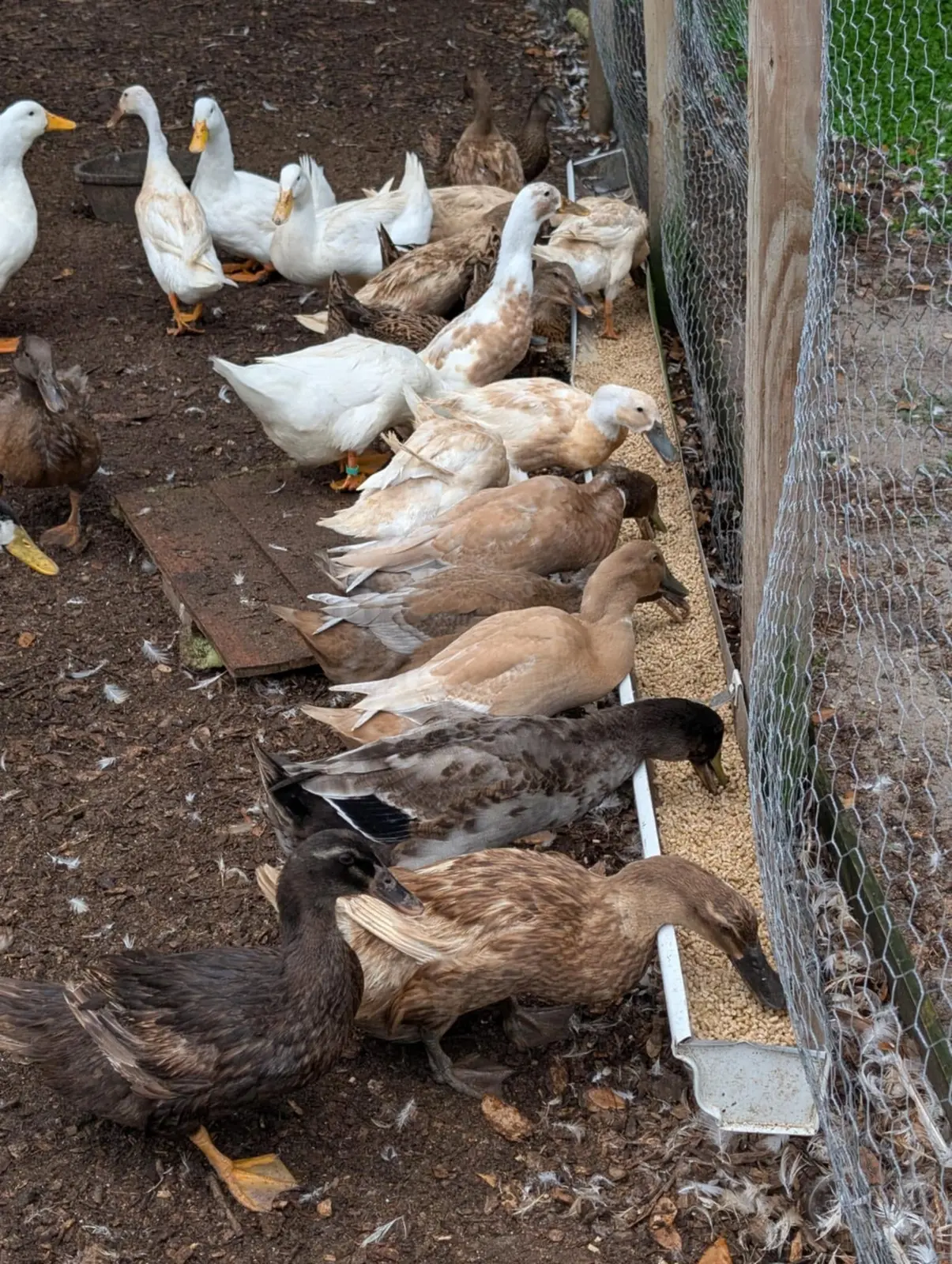
Ducks are cheerful, messy and deeply connected to water. A beginner setup works best when drainage, cleaning and nighttime security are designed before the first ducks arrive.
Open the starter guide →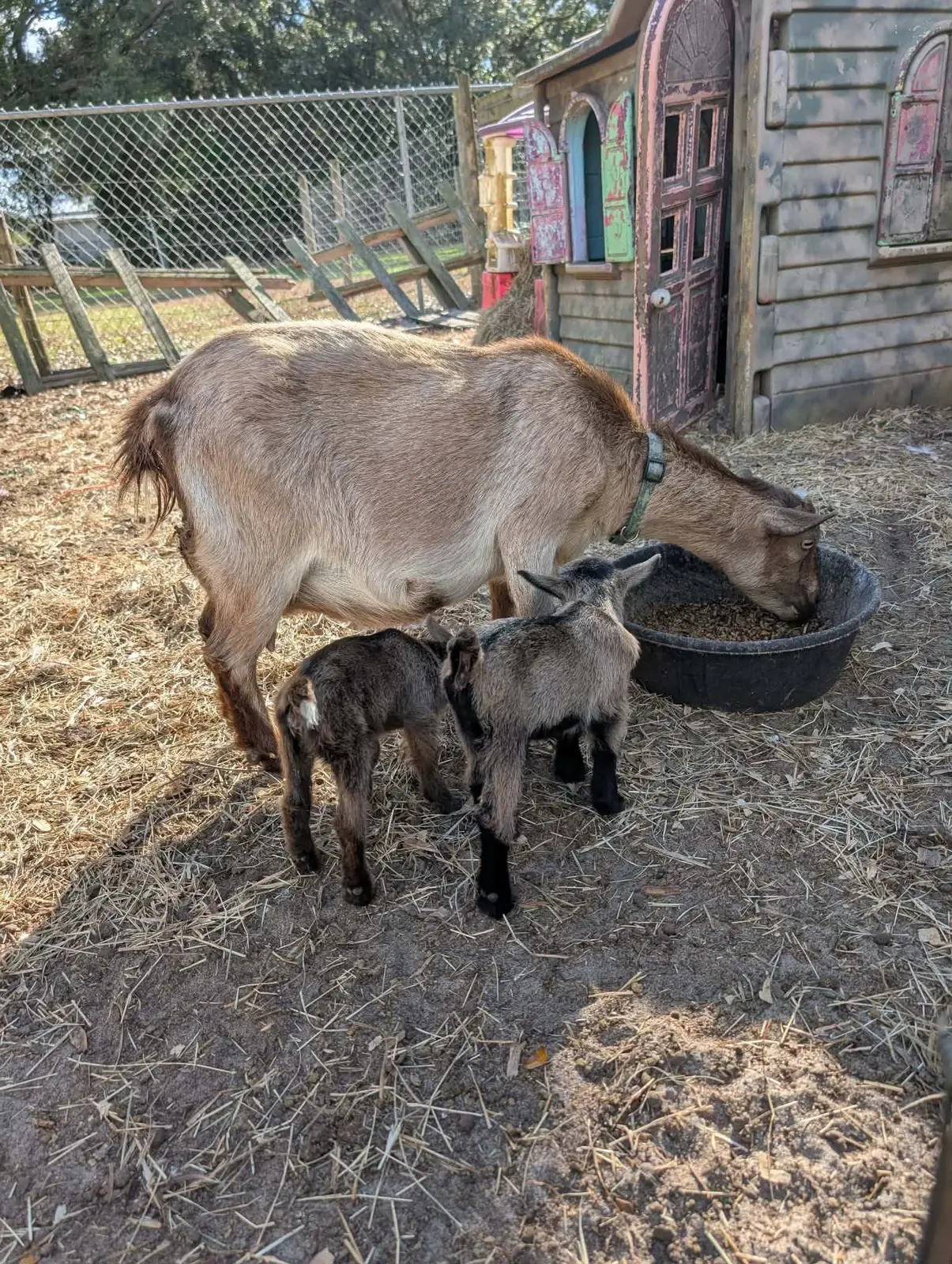
Goats taught us to think about fencing, hay waste, dry shelter and backup water as one connected system—not as separate purchases made after they arrive.
Open the starter guide →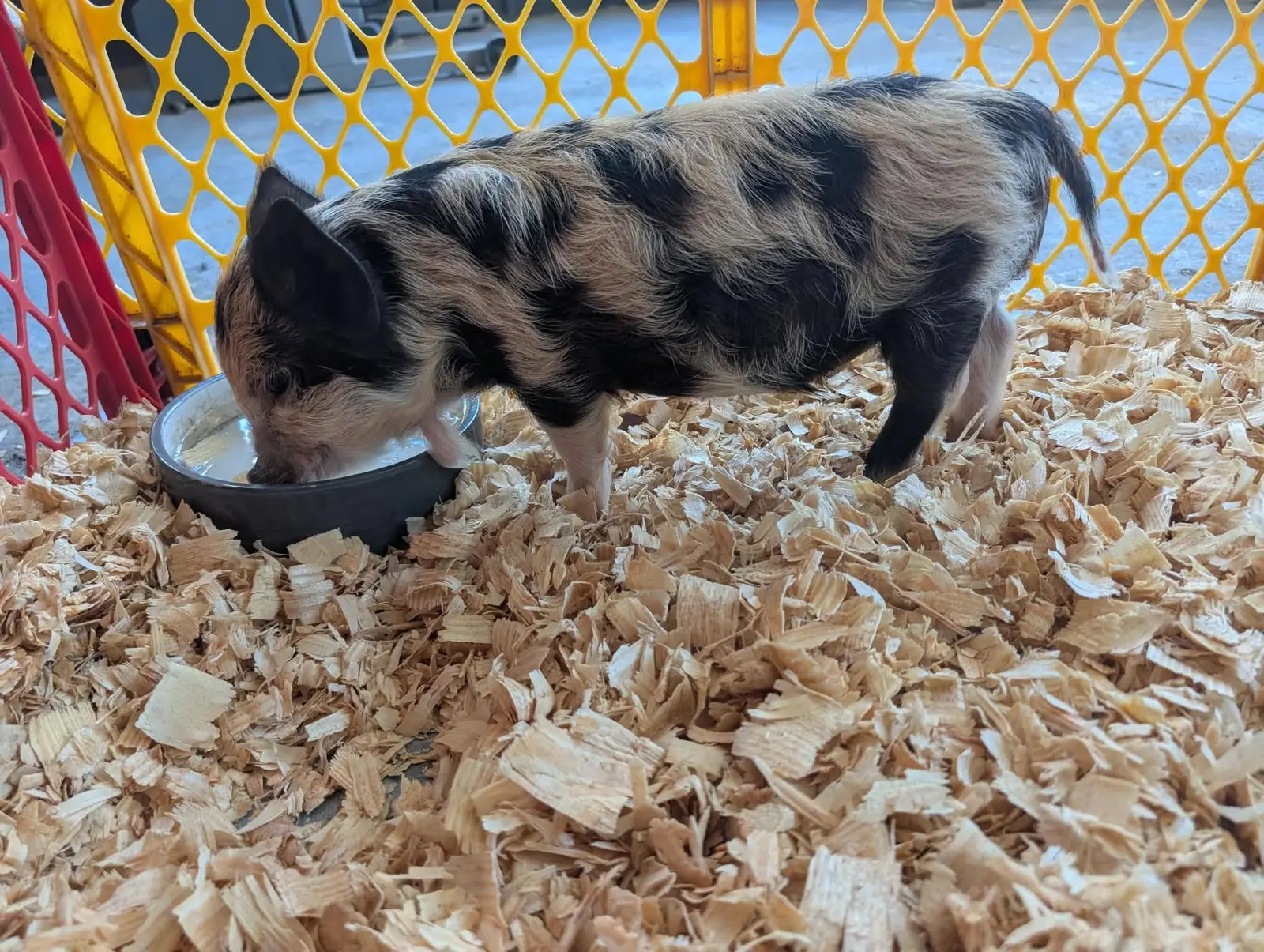
Arnold was tiny once. A good pig setup plans for an adult animal from the beginning: strong boundaries, shade, a dry bed, water that cannot disappear and a realistic feeding routine.
Open the starter guide →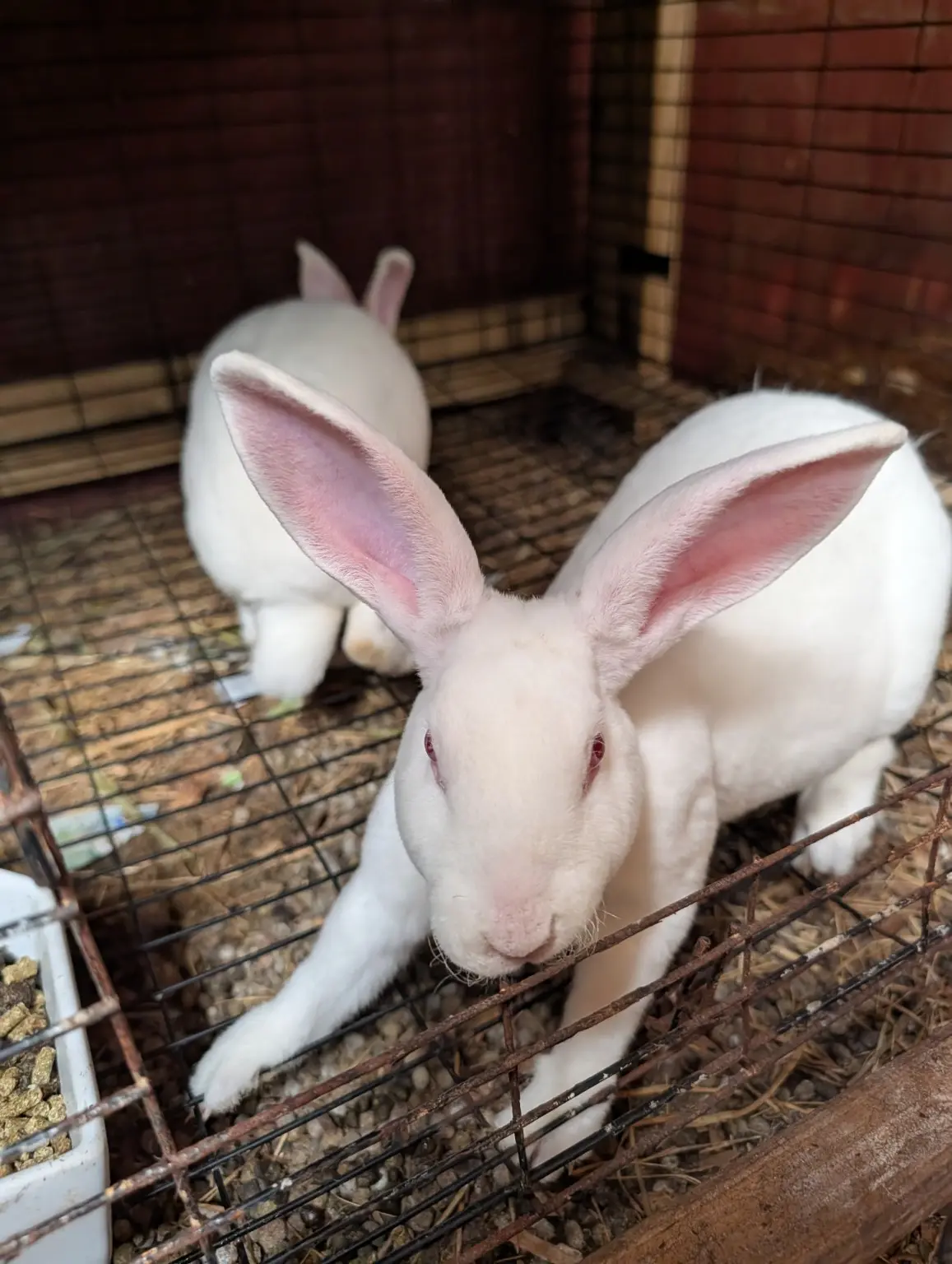
For rabbits in Florida, the location of the housing matters immediately. Shade, airflow, clean water and a calm emergency plan come before choosing colors or breeds.
Open the starter guide →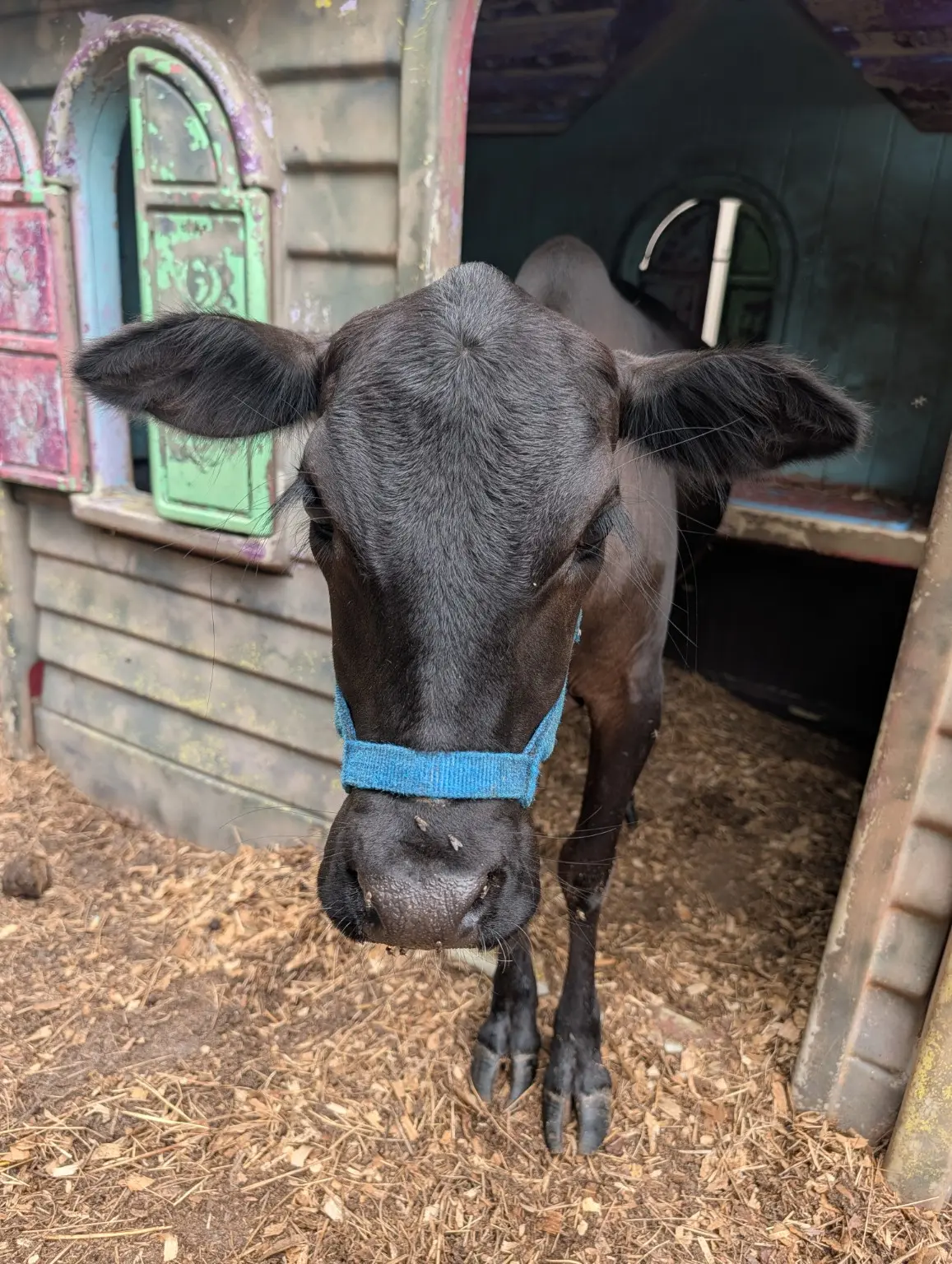
Our Mini Zebu cow is named Mini. Living with her reminds us that miniature does not mean maintenance-free: cattle-strength fencing, shade, water volume, forage storage, handling and appropriate professional support still matter.
Open the starter guide →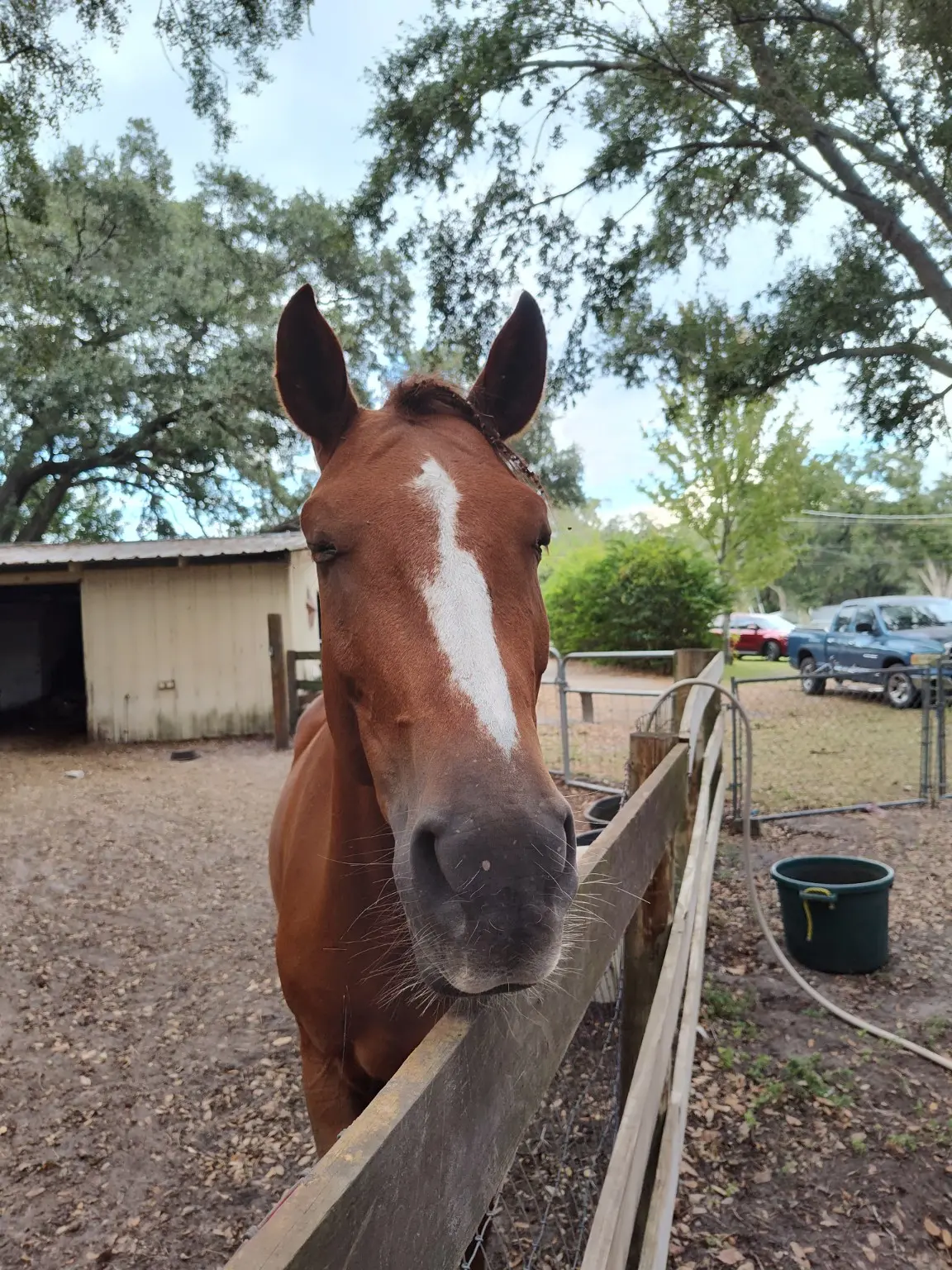
Equines affect fencing, hay storage, water, gates, manure, farrier access and the family calendar. The daily system needs to make sense before the animal arrives.
Open the starter guide →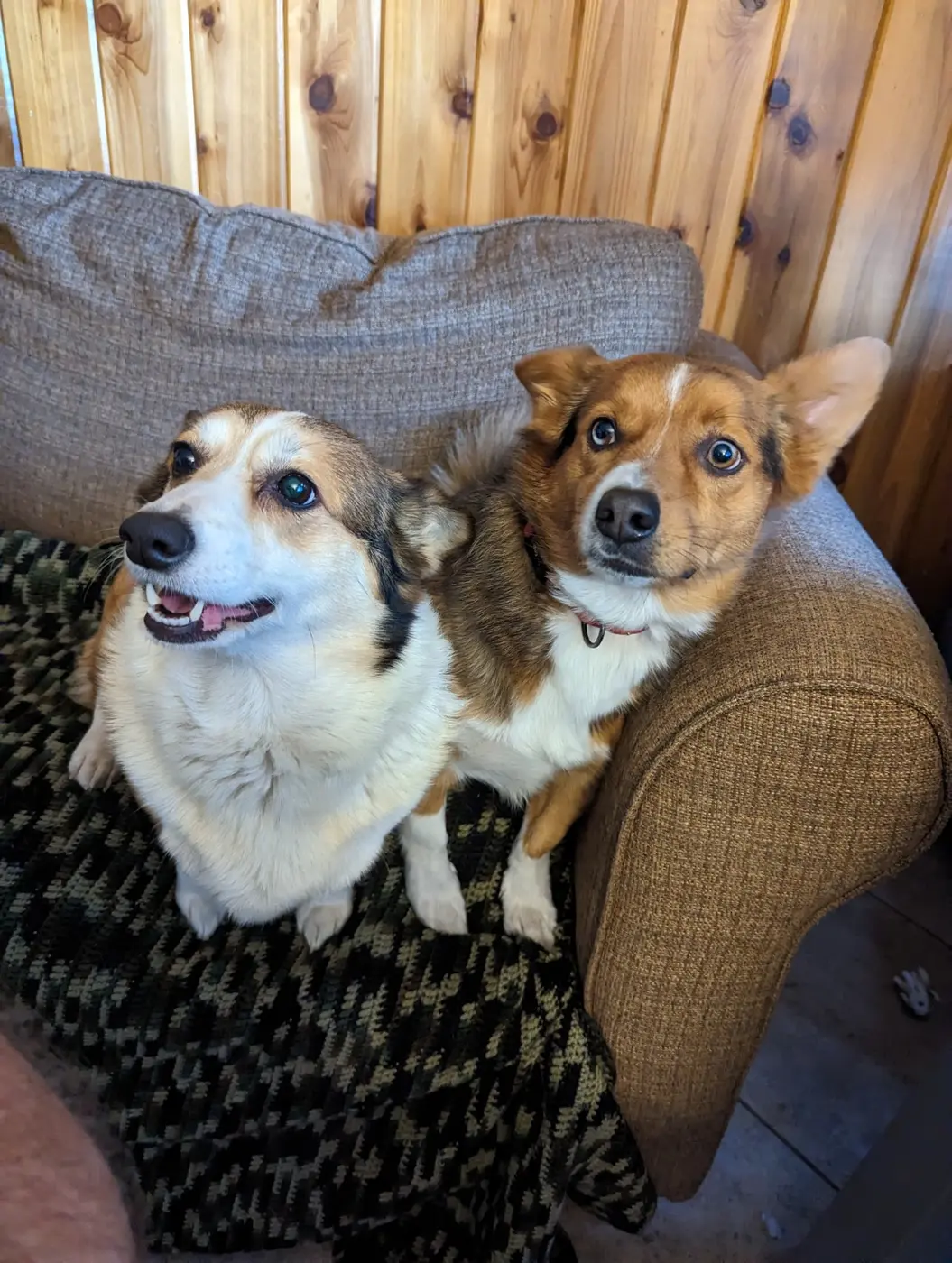
A homestead dog needs training, boundaries, shade, water and daily family involvement. Breed labels alone do not create a safe or reliable guardian.
Open the starter guide →Watch the real homestead
Our channel follows the projects, systems, animals and family routines behind these pages. The videos show the parts that a checklist cannot.
The text on this page provides the practical information behind the video. The YouTube player provides caption controls when captions are available.
Watch on YouTube ↗We share our own experience for education and entertainment. Every property, animal and family is different. Confirm important animal, building, health and emergency decisions with the appropriate local or qualified source.