How We Divide a Small Florida Homestead Among Multiple Species
We divide nearly two Florida acres by animal compatibility, fencing strength, shade, water, gates, drainage and chore flow, not by equal-sized squares.
Amanda Grimes-ShokesOwner of DiamondTrail Ranch · Florida homesteader
Published Updated 8 minute read
The immediate answer
Dividing a Small Homestead
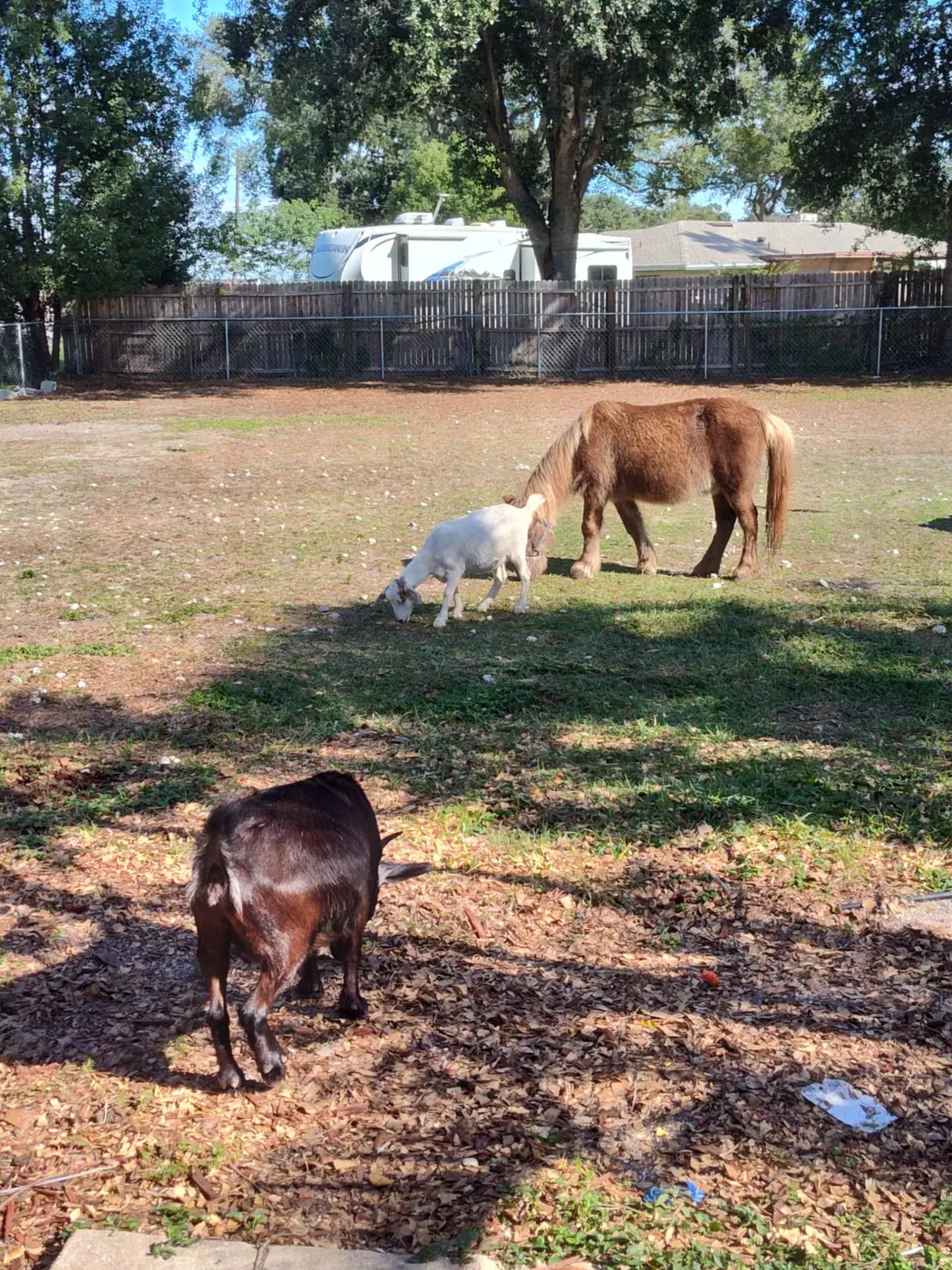
We divide our nearly two-acre homestead into working zones: roughly one acre serves the horses and donkey, while the other supports goats, poultry and smaller-animal systems. The exact boundaries change with fencing, shade, water, safety and the need to separate species.
Key takeaways
What matters most
Equal acreage is not equal usefulness.
Water and gates define daily labor.
Every species needs a separation option.
Shade and drainage can matter more than a property-line measurement.
01
Our broad property split
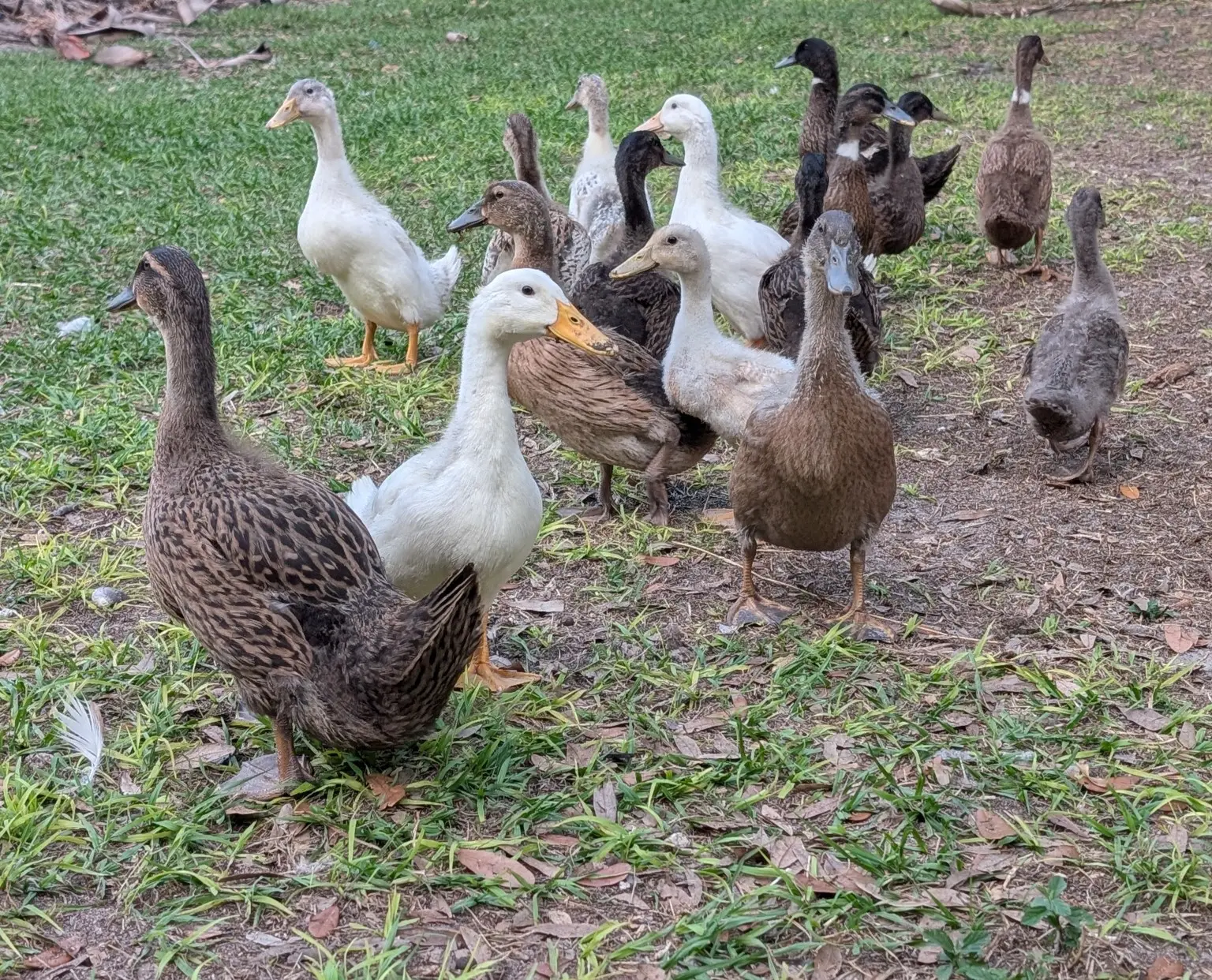
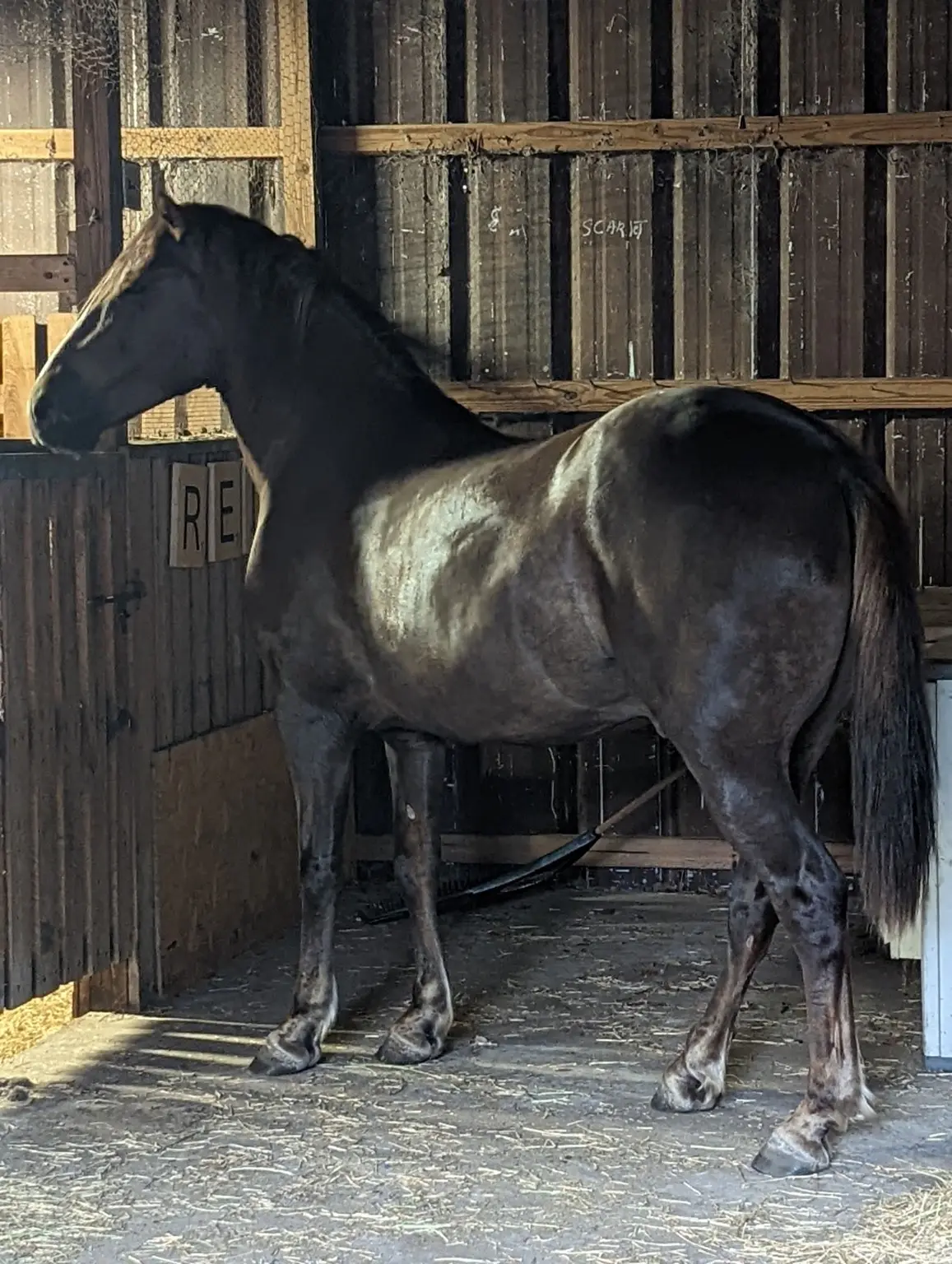
Our homestead is nearly two acres. About one acre is used for horses and our donkey, while the other acre carries the more divided systems for goats, chickens, ducks, rabbits and other animals.
That description is a working picture, not a stocking-rate recommendation. Animal numbers, pasture quality, supplemental feed, manure, drainage and local rules all change what land can support.
02
We build chore zones, not isolated pens
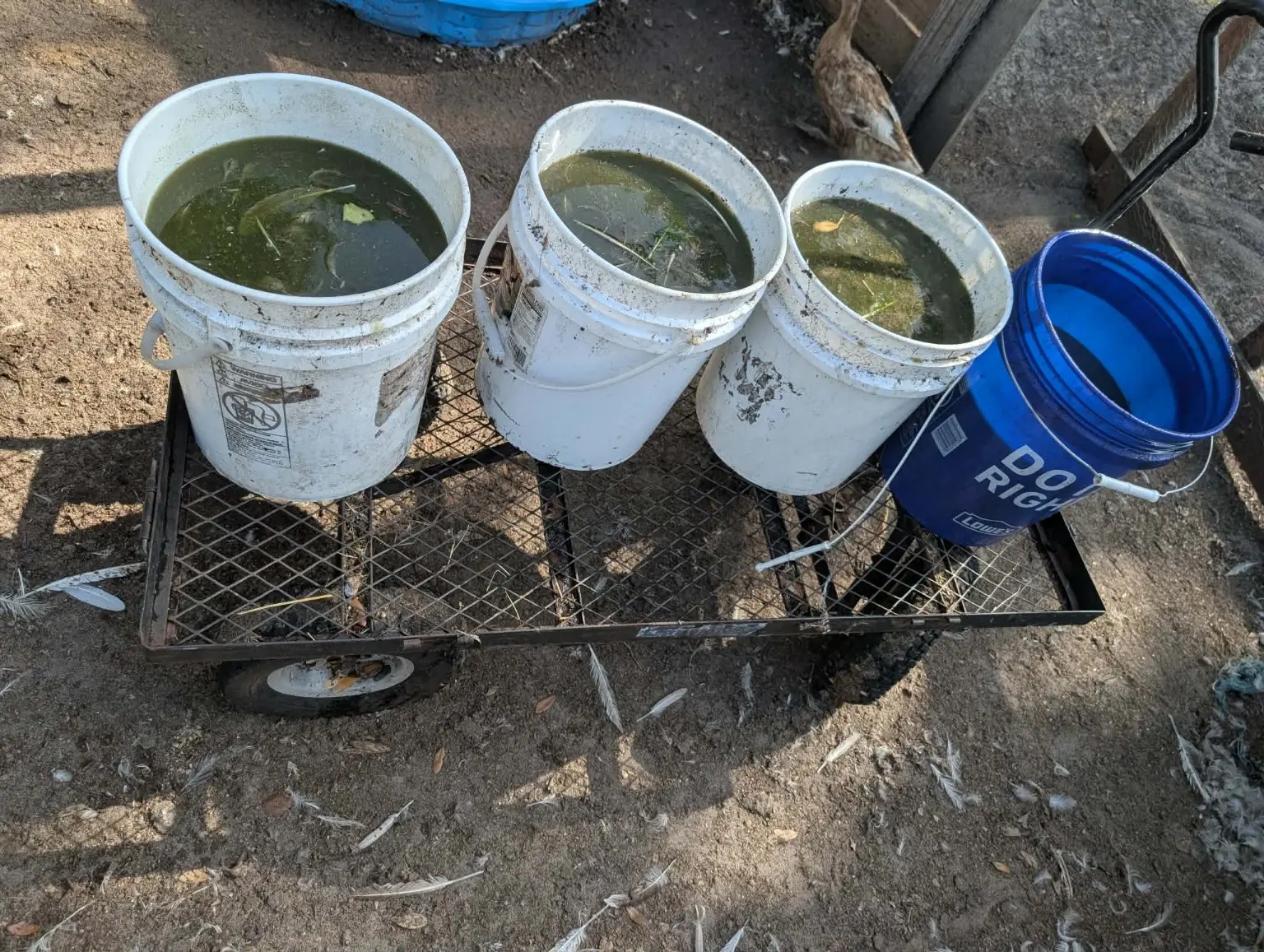
The chicken coop and rabbitry sit together under oaks, keeping shade-dependent checks on one route. Duck water belongs where dumping and drainage are manageable. Feed storage belongs near enough to use but protected from animals and weather.
A good zone reduces repeated carrying without concentrating every risk in one place.
03
Gates decide whether a layout works
A line on a sketch can look efficient until a wheelbarrow, hay bale, trailer or nervous animal needs to pass through. Gate width, latch behavior and approach angle matter.
We plan a way to move an animal without crossing every other pen.
04
Separation space is not wasted space
New arrivals, illness, breeding behavior, feed competition and storm damage can make normal group housing inappropriate. A spare pen or flexible panel area protects options.
We do not assume that species seen together in one calm photograph can share every resource unsupervised.
05
Florida weather redraws the map
A dry spring can make a path look permanent. Rainy season can turn the same low route into mud. Afternoon shade moves, and storm debris can block a gate.
We observe the property through heat, hard rain and cold before making every boundary permanent.
Frequently asked questions
Questions readers ask next
How many animals can two acres hold?
There is no responsible universal number. Species, size, forage, soil, drainage, feed, manure management, local rules and care capacity all matter.
Can different species share pasture?
Sometimes under a carefully managed plan, but fencing, feed, parasites, behavior and injury risks differ. Keep a separation option.
What should be closest to the house?
Prioritize frequent checks, vulnerable animals, water access, emergencies and the routes your family can safely manage.
What happened next
Design the chore route before filling the map.
The most useful acre is the one your family can water, secure, clean, reach and repair in real Florida weather.