A tipped water bowl, weak latch, missing carrier, wet feed or blocked gate can become urgent when heat, storms or an injured animal remove your extra time.
Amanda Grimes-ShokesOwner of DiamondTrail Ranch · Florida homesteader
Published Updated 8 minute read
The immediate answer
Homestead Emergency Mistakes
The homestead mistakes most likely to become emergencies are single points of failure: one water source, one weak latch, no separation pen, no transport plan, inaccessible tools, wet feed, unsafe shade, blocked gates, missing records and no written backup chore routine.
Key takeaways
What matters most
Redundancy buys response time.
A visual daily check beats assumption.
Access and transport belong in the original layout.
Another responsible adult should be able to run essential chores.
01
1 to 2. One water source and no flow check
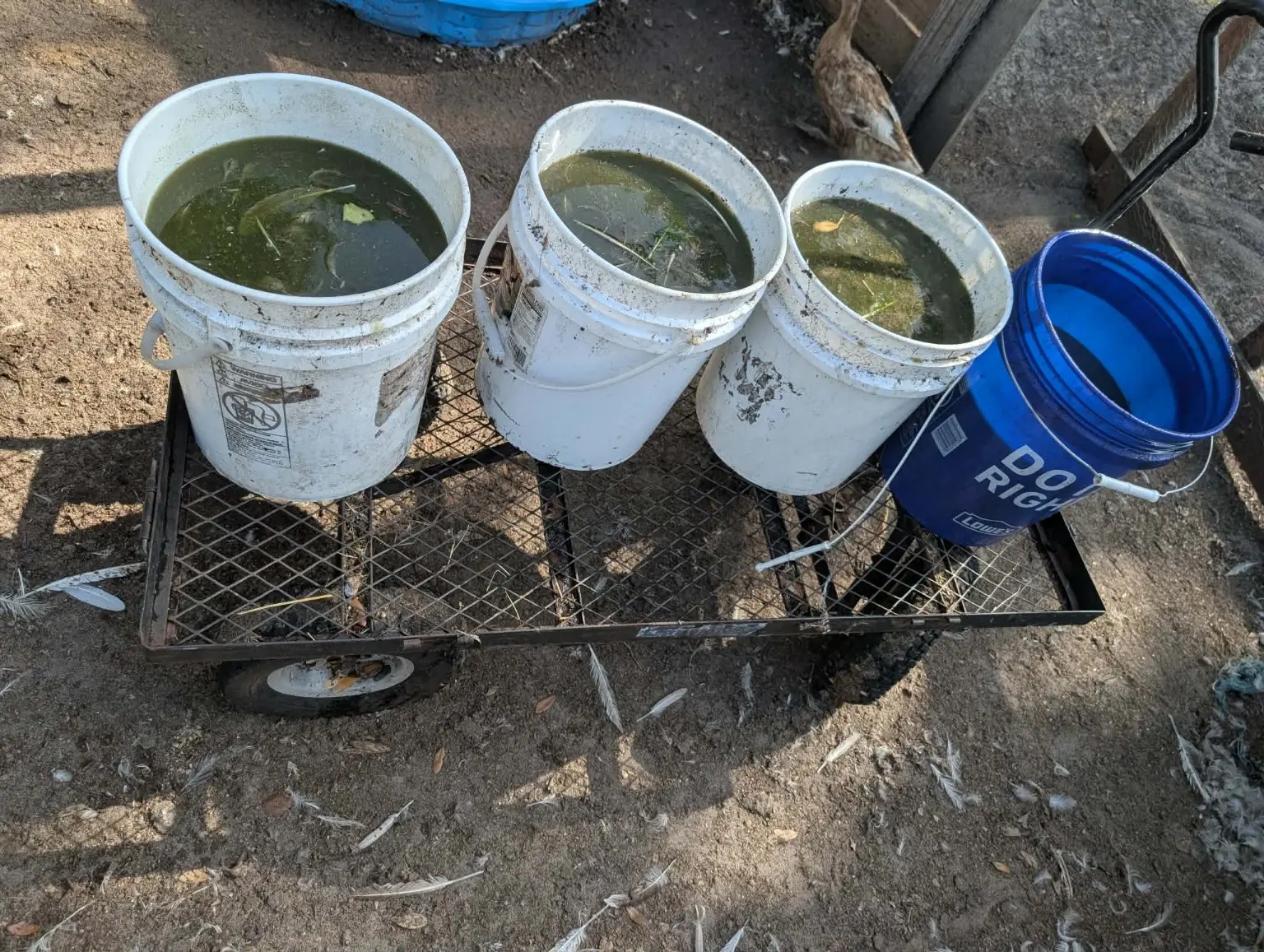
A full-looking bottle, automatic valve or trough can fail. We physically confirm water and keep a second path around pump, power, hose or container failure.
Heat makes the time window smaller, so backup water belongs in place before the forecast.
02
3 to 4. A weak latch and no separation space
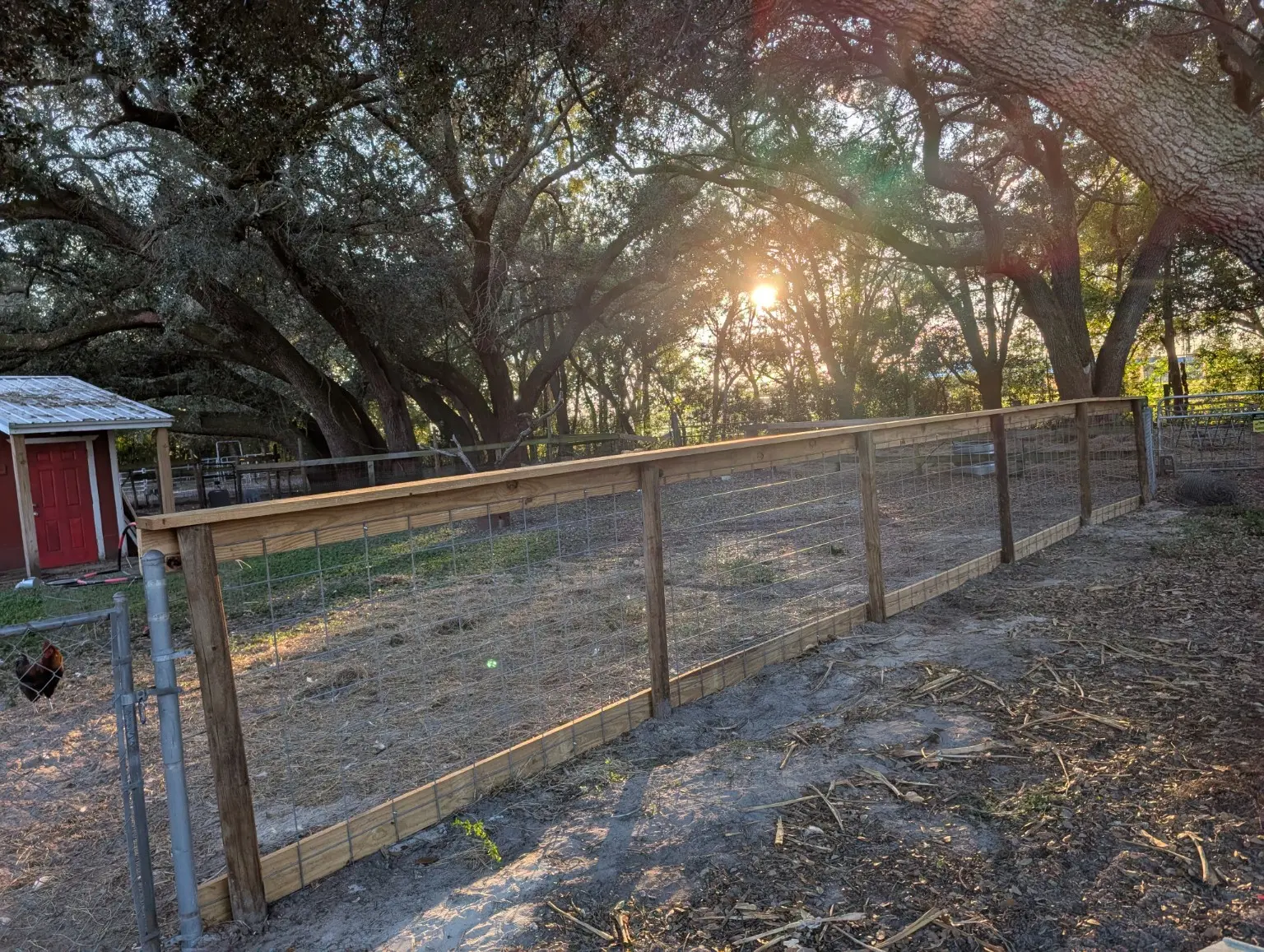
Animals test gates differently than people. We use closures that can be checked quickly and add a backup where the risk warrants it.
A spare pen or panels let us separate an injury, new arrival, breeding conflict or feed problem without improvising in the same enclosure.
03
5 to 6. Blocked gates and missing transport
A trailer, veterinarian or helper cannot solve a problem if the route is too narrow, muddy or blocked. We keep service access in the map.
Carriers, halters and animal records stay findable and usable.
04
7 to 8. Wet feed and tools without a home
Florida humidity can spoil feed quietly. We inspect storage after rain and rotate supplies.
Repair tools, flashlights and shutoff equipment have permanent locations so an outage does not become a scavenger hunt.
05
9 to 10. Heat exposure and a chore system only one person knows
The person doing the work can become the emergency. We schedule heavy chores around heat, keep water nearby and stop when symptoms or conditions become unsafe.
Written feed, water, latch, shutoff and emergency notes let another adult cover the essentials.
Frequently asked questions
Questions readers ask next
What is the first system to back up?
Water is a strong first choice because every species depends on it and Florida heat can shorten the response window.
Do I need a separate pen?
A flexible separation option is valuable for illness, injury, new arrivals, feeding and severe weather, even when it is not occupied daily.
What belongs in a ranch-sitter note?
Animal counts, feed and water routines, latches, shutoffs, restricted areas, veterinary contacts, transport, medications and authority for emergencies.
Supporting references
Where the outside information came from
We separate our family’s experience from outside guidance. These sources support the general information used on this page.