What Is New World Screwworm?
New World screwworm is the larval stage of the fly Cochliomyia hominivorax. Unlike the fly larvae people commonly associate with dead tissue, New World screwworm larvae feed on the living flesh of warm-blooded animals. Livestock, pets and wildlife can be affected; USDA also notes that birds can occasionally be affected and people are rarely affected.
An adult female fly lays eggs along the edge of a wound or another opening. The larvae hatch, burrow into living tissue and can enlarge and deepen the injury as they feed. The name comes from the screw-like way the larvae enter tissue, not from a special kind of wound.
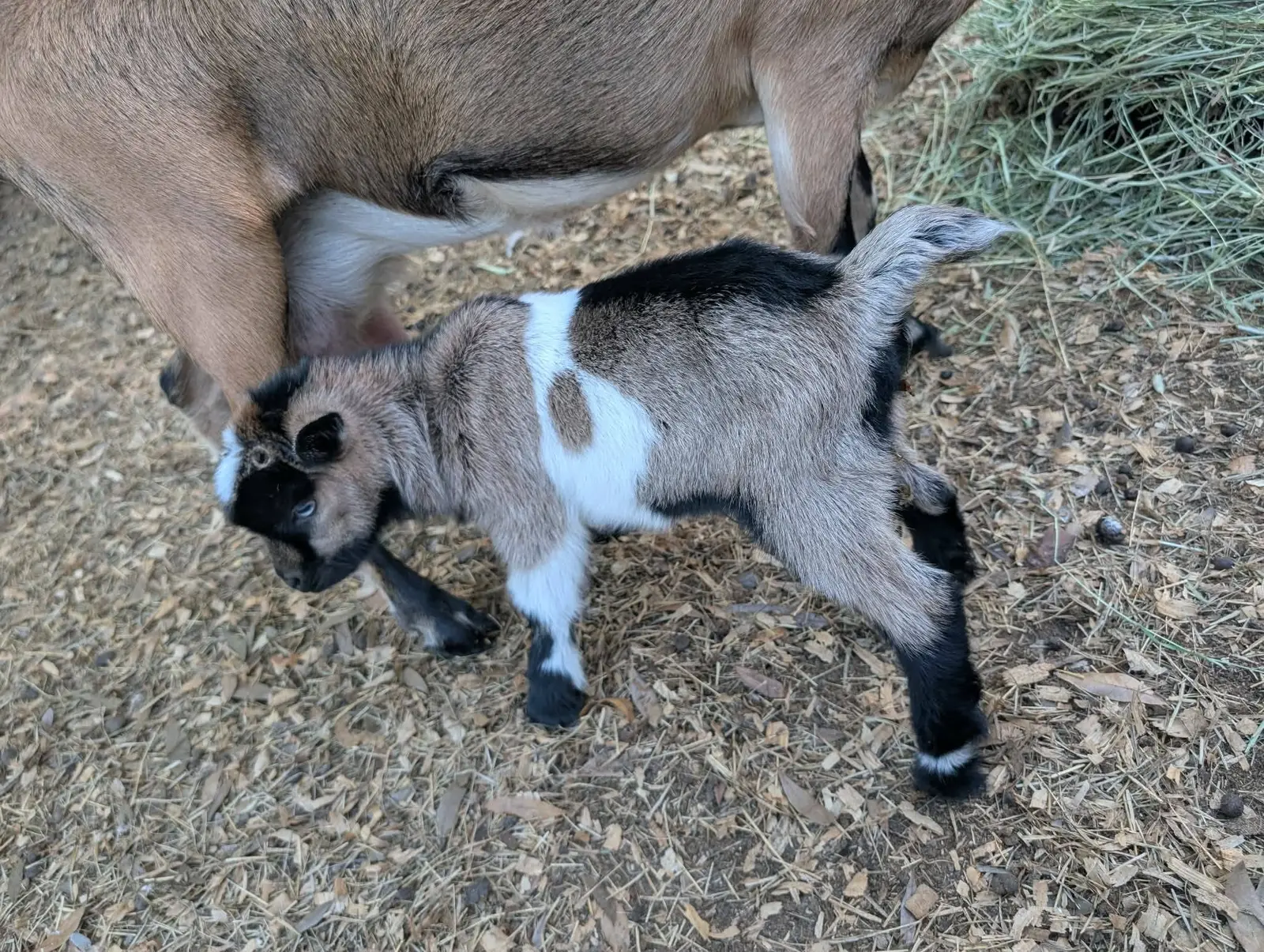
This is why a tiny opening can matter. FDACS identifies tick bites, newborn navels, castration, dehorning, branding, shearing injuries and barbed-wire cuts among the possible entry points. A fresh surgical or husbandry wound is not automatically infested, but it deserves deliberate observation and protection from contamination and flies.
- The parasite attacks living tissue rather than simply appearing in decaying material.
- Almost any open wound can attract an egg-laying fly.
- The species cannot be reliably confirmed from a casual glance at a wound.
- Fast veterinary and regulatory confirmation matters because other larvae can look similar to an untrained observer.
Why Livestock Owners Are Hearing About It Again
The United States eliminated endemic New World screwworm in the 1960s through surveillance, animal treatment and the sterile insect technique. The pest has been moving north through Central America and Mexico again, and official U.S. detections in Texas and New Mexico in June 2026 changed the domestic conversation.
USDA/APHIS maintains a current-status dashboard for confirmed detections and movement restrictions. FDACS responded with an emergency rule for warm-blooded animals entering Florida from high-risk areas and designated infested zones. Those rules are a biosecurity response to risk outside Florida; they are not an announcement that the parasite is established here.
USDA's August 7 unified-response update described the current risk to animals and people in the United States as very low. Low risk does not mean no responsibility. It means the sensible response is awareness, wound observation, careful movement and immediate reporting of a genuine suspicion, not panic buying, improvised treatment or frightening headlines.
What the FDA Authorized in August 2026
On August 7, FDA issued an Emergency Use Authorization for CLiK Extra, a dicyclanil topical suspension supplied as a wound spray. The authorization permits application on or around wounds to help prevent New World screwworm myiasis in sheep, cattle, goats, swine, camelids, captive or captured cervids, American bison, bighorn sheep and Sonoran pronghorn.
The authorized situations include wounds associated with birth and specified surgical or husbandry procedures such as dehorning, ear tagging, castration, tail docking and shearing. FDA says the product should be applied when the wound appears or is created, according to the current fact sheet. This article intentionally does not reproduce dosing directions; the authorization and fact sheet are the controlling sources.
An Emergency Use Authorization is not the same as ordinary FDA approval. FDA states that CLiK Extra is not approved or conditionally approved for any indication. Under the emergency declaration, FDA determined that it is reasonable to believe the product may be effective for the authorized preventive use and that the known and potential benefits outweigh known and potential risks when used as authorized.
FDA describes dicyclanil as an insect growth regulator that disrupts larval development. It does not kill existing larvae. If a wound is already infested, or becomes infested after preventive application, FDA directs the owner to contact a veterinarian for treatment options.
| Question | What the official authorization says |
|---|---|
| Can it help prevent infestation? | Yes, when used on or around qualifying wounds in the species and circumstances listed in the current FDA fact sheet. |
| Does it cure an active infestation? | No. FDA states that it does not kill existing larvae; an infested animal needs prompt veterinary attention. |
| Is it fully FDA approved? | No. It is an unapproved drug authorized for a specific emergency use while the authorization remains in effect. |
| Is it an automatic routine for every animal? | No. Species, wound, food-animal status, label directions and professional guidance all matter. |
What This Means for Goat Owners
Goats are explicitly included in the FDA authorization because their wounds can be susceptible. On a small homestead, the moments that deserve extra attention include kidding injuries, a newborn's navel, disbudding or castration performed under an appropriate care plan, horn damage, tick bites and cuts from fencing or equipment.
The useful change is that veterinarians and owners now have an emergency-authorized preventive option for specified circumstances. It does not mean every Florida goat should be sprayed on a schedule. A goat with no qualifying wound is not the use case described by the authorization, and an animal with larvae in a wound is already beyond prevention.
Food-producing owners need to read the current FDA fact sheet carefully. It contains specific slaughter restrictions and says a milk discard time has not been established, so the product should not be used in animals producing milk for human consumption. Those limits are especially important on a dairy-goat homestead and are a strong reason to involve a veterinarian rather than relying on a social-media summary.
At DiamondTrail Ranch, ordinary observation is already part of feeding and water chores. The screwworm news does not turn us into diagnosticians; it reinforces the value of knowing what each animal normally looks like, noticing a wound early and having a veterinarian contact before an urgent problem appears.
Why Wounds Matter, and What an Infestation May Look Like
FDACS says an affected wound may drain, enlarge or deepen. Creamy white eggs can appear in a shingle-like mass near the wound edge. Cylindrical larvae may be visible deeper in the tissue, and the wound can develop a foul odor or bloody discharge. The animal may show discomfort, become depressed, stop eating normally, produce less milk or separate from the group.
USDA also lists irritated behavior, head shaking and the smell of decay among possible signs. The exact behavior depends on where the wound is located and how advanced the problem is. A head shake could have many causes; a bad-smelling, worsening wound with moving larvae is a different level of concern.
Not every maggot in an animal wound is New World screwworm. That distinction is important, but it is not a reason to wait. Species identification and confirmation belong with a veterinarian and animal-health officials. Treat any actively infested living-tissue wound as urgent even before the species is known.
- A wound that is getting larger or deeper instead of healing
- Unusual drainage, blood or a strong decaying odor
- Egg masses along a wound edge or larvae moving in living tissue
- Pain, restlessness, head shaking or repeated attention to one body area
- Depression, reduced appetite, lower milk production or isolation from the herd
What to Do If You Suspect Screwworm
Call your veterinarian immediately. FDACS says animal owners who suspect New World screwworm should consult a veterinarian, who can remove and preserve larvae for identification and report the case to the FDACS State Veterinarian. USDA likewise directs suspected cases to state animal-health officials and APHIS.
Keep the animal from unnecessary movement and separate it safely when that can be done without delaying care or causing additional injury. Tell the veterinarian what you saw, when the wound appeared, where the animal came from, recent travel and whether other animals have wounds. Have identification and movement records ready.
Do not use CLiK Extra as a substitute for treating an active infestation. Do not assume an ordinary fly product is authorized for this purpose, and do not destroy the material a veterinarian may need for identification. Follow the veterinarian's instructions and current state or federal reporting direction.
Florida Livestock Movement and Import Precautions
Florida's emergency rule adds requirements for warm-blooded animals entering the state from locations FDACS classifies as high-risk areas or designated infested zones. The requirements can include a recent Official Certificate of Veterinary Inspection, a statement that listed animals were inspected and found free of screwworm larval infestation, treatment documentation and, when an animal comes from an infested zone, prior permission through an FDACS Certificate of Animal Movement.
The list of affected areas and the conditions for entry can change as detections change. That makes a static county list in a homestead article a liability rather than a convenience. Before arranging a purchase, sale, breeding trip, show, rescue transfer or permanent move, open the current FDACS screwworm page and emergency rule, then confirm the requirements with the veterinarian preparing the movement documents.
Source-herd questions still matter even when paperwork is in order. Ask where the animal has been housed, where it traveled, whether it has open wounds and whether the inspection occurred within the required window. Keep copies of the records after arrival and use the separate-space biosecurity plan you would use for any new goat.
Practical Screwworm Prevention on a Small Homestead
The best small-homestead plan is not complicated, but it has to be repeatable. Look at animals while they are already moving through feed and water chores. A checklist is most useful when it fits the work instead of becoming another document nobody opens.
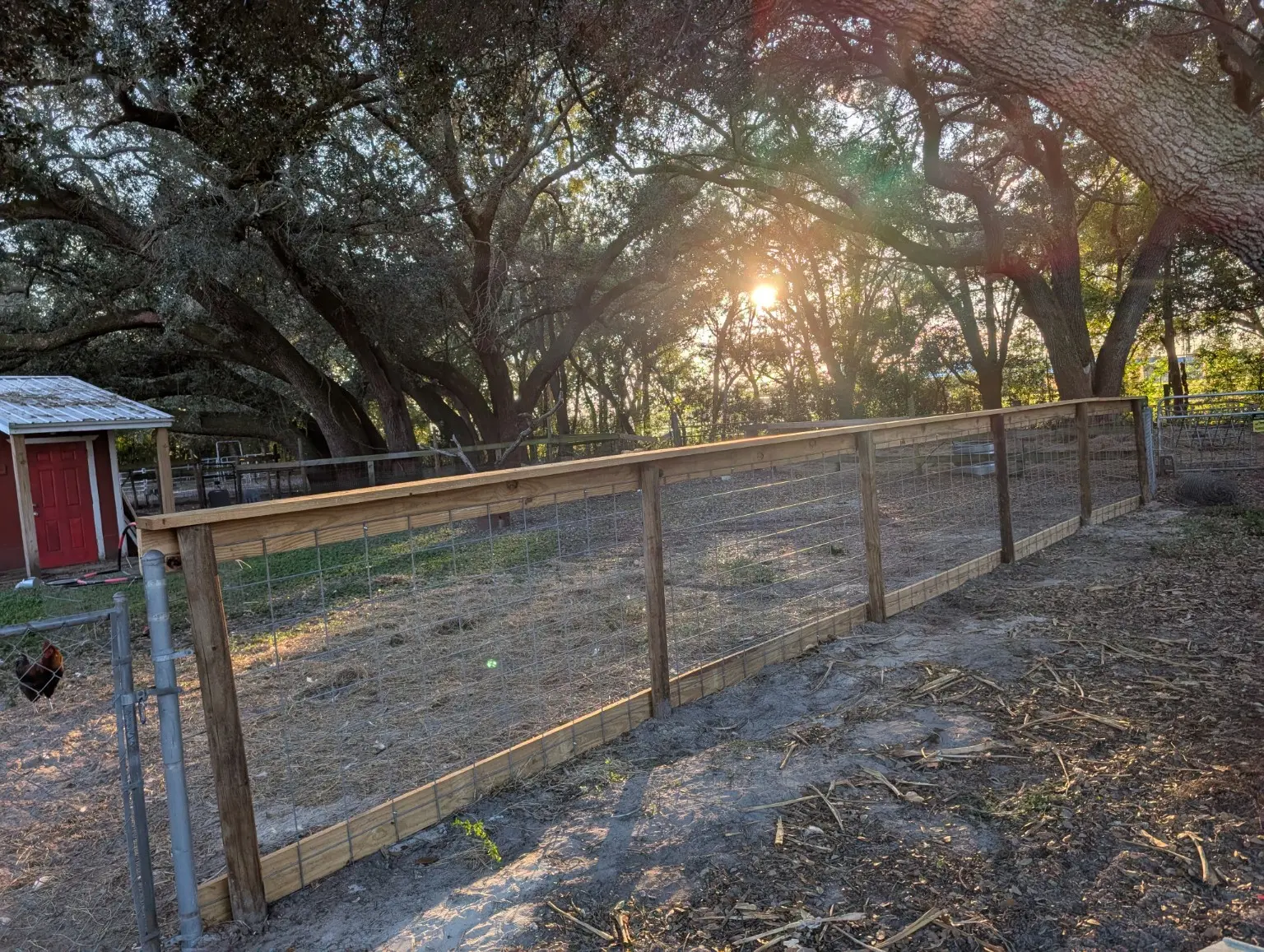
Start by reducing avoidable wounds. Walk fences for exposed wire, sharp panel ends and broken fasteners. Check shelters, feeders, gates and trailers for edges that can scrape skin. Keep tick and other wound-causing parasite control in the herd-health plan developed with your veterinarian.
When a wound occurs, record the date, location and cause; follow appropriate wound-care guidance; and recheck healing rather than relying on memory. Pay closer attention after kidding, disbudding, castration, shearing, tagging, horn injuries, tick bites or fence injuries where applicable. Procedures that create wounds deserve qualified planning and timing, especially if official authorities identify local risk.
Keep the veterinarian's number, current FDACS screwworm page and animal identification records where another responsible adult can find them. Quarantine new arrivals in a workable separate space, use dedicated equipment and confirm movement documents before the trailer leaves, not when it reaches the Florida line.
- Count and observe each animal during ordinary chores.
- Inspect fresh wounds and healing areas without turning a quick glance into a diagnosis.
- Remove or repair sharp fencing, hardware and equipment that cause preventable cuts.
- Keep wound, procedure, treatment and animal-movement records together.
- Use only products and directions that apply to the species and situation.
- Escalate a suspicious wound promptly instead of testing home remedies first.
Is This a Reason for Florida Livestock Owners to Panic?
No. It is a reason to prepare carefully and keep official information close. On August 10, the FDA, FDACS and USDA materials reviewed for this article did not report New World screwworm as established in Florida. USDA characterized the current U.S. risk as very low, while confirmed detections in Texas and New Mexico explain why surveillance and movement safeguards have tightened.
Panic can create its own problems: unnecessary drug use, missed food-animal restrictions, rushed purchases and claims that outrun the evidence. Calm preparation looks different. It means checking wounds, knowing the warning signs, verifying current movement rules and calling the right professional quickly when an animal actually needs help.
This article is dated for a reason. New detections, state rules and federal authorizations can change. Use it to understand the system, then use the official links below for the current status before making a medical, transport or purchasing decision.
The Bottom Line for Florida Homesteaders
The August FDA action adds a preventive tool for specified livestock wounds during the New World screwworm emergency. It does not turn an unapproved product into an ordinary approved drug, and it does not convert a prevention spray into treatment for larvae already feeding in a wound.
For a goat owner, the practical work remains familiar: know the herd, reduce avoidable injuries, inspect wounds, keep new arrivals separate, verify movement rules and involve a veterinarian early. The difference now is that those habits sit inside a wider state and federal response that every person moving livestock into Florida should understand.