Bringing Home a New Goat: Quarantine and Biosecurity in Florida
Plan a separate pen, equipment, records, testing conversation and gradual introduction before a new goat reaches the resident herd.
Amanda Grimes-ShokesOwner of DiamondTrail Ranch · Florida goat keeper
Published Updated 9 minute read
The immediate answer
New Goat Quarantine
Before bringing home a goat, prepare a physically separate quarantine area with its own water, feed equipment and cleaning routine. Record the animal’s origin and health history, observe it daily, discuss testing and parasite evaluation with a veterinarian, and delay shared equipment and nose-to-nose contact until the arrival plan is complete.
Key takeaways
What matters most
Quarantine needs a real separate space
Shared buckets and boots can defeat separation
Arrival testing depends on herd goals and veterinary guidance
A companion plan must not expose the resident herd
01
Build quarantine before pickup day
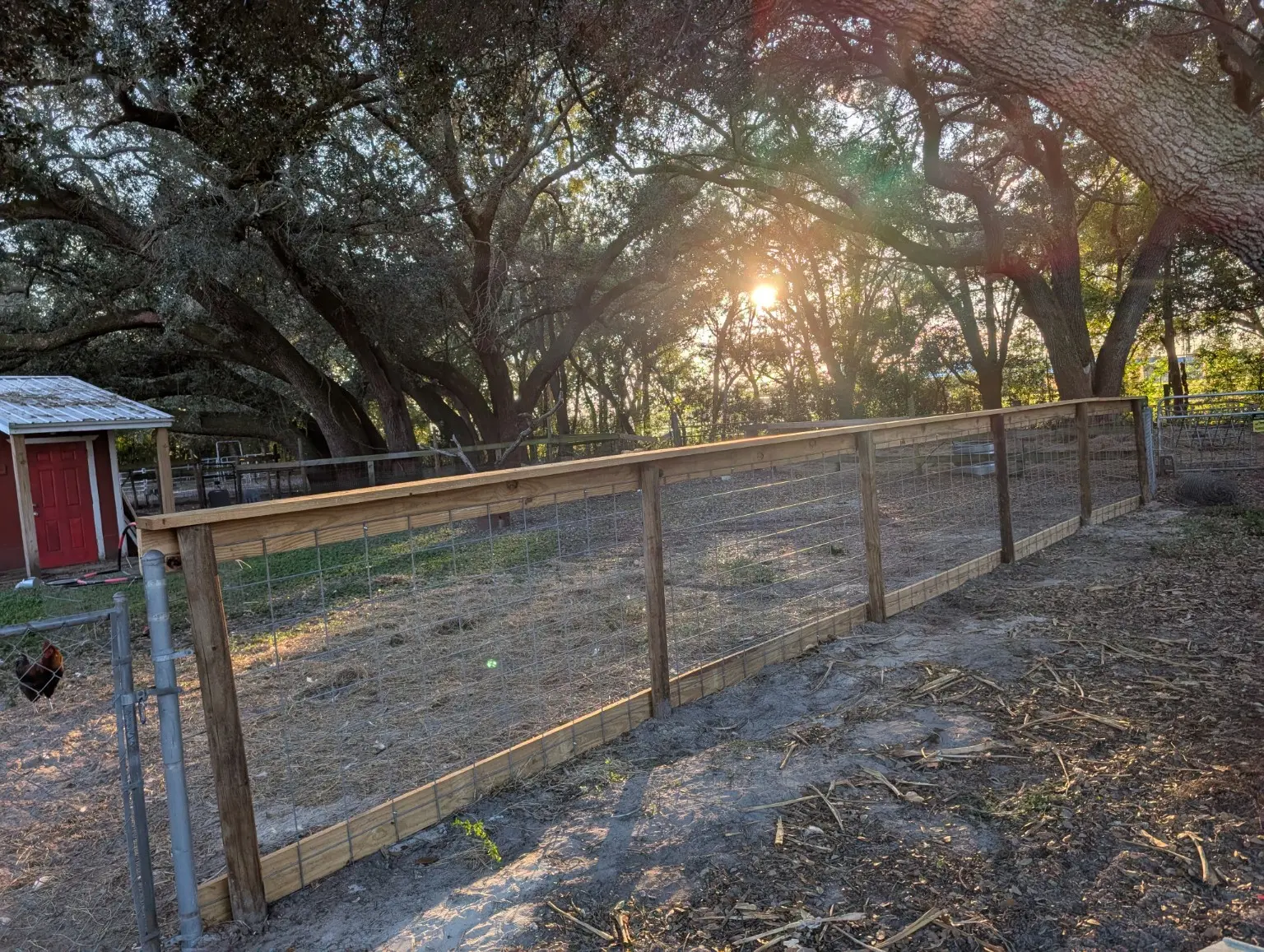
Choose a pen that prevents direct contact and runoff into resident areas. It needs shade, dry shelter, secure fencing and a handling plan, not a temporary corner improvised after unloading.
Decide who will provide compatible companionship without sacrificing biosecurity. Ask a veterinarian how the specific herd goals and source should shape the plan.
02
Collect records and establish a baseline
Record source, dates, identification, diet, vaccines and known health history. Photograph the goat and note body condition, behavior, appetite, manure and any visible concerns.
A normal-looking arrival can still carry disease or resistant parasites. Appearance is part of observation, not clearance.
03
Make testing a veterinarian conversation
Testing priorities vary with region, source herd, breeding goals and resident-herd status. Discuss fecal testing and diseases relevant to the herd rather than ordering a random panel without knowing how results will change management.
Plan in advance for a positive or uncertain result. Testing has little value if the new goat has already shared a fence, feeder and waterer with everyone else.
04
Control people and equipment movement
Care for resident animals before quarantined arrivals when practical, and use separate tools, buckets and footwear or a documented cleaning process. Prevent visitors from moving casually between groups.
Keep feed labels and treatment records with the correct animal. Do not send private animal or owner information into public analytics or page URLs.
05
Introduce gradually after the plan is satisfied
A completed health plan does not guarantee instant social harmony. Use secure adjacent space when appropriate, supervise introductions and provide enough resources that one goat cannot guard every feeder or shelter entrance.
Continue observing after groups combine. Stress can reveal problems that were not obvious during quiet quarantine.
Frequently asked questions
Questions readers ask next
How long should a new goat be quarantined?
There is no universal duration that fits every disease, source and testing plan. Establish the period and exit criteria with a veterinarian before the goat arrives.
Can quarantine pens share a fence?
Shared fencing can allow nose contact and contamination. Use the separation appropriate to the risks your veterinarian has identified.
Should I deworm every new goat immediately?
Automatic treatment can undermine resistance management. Use fecal information and veterinarian guidance rather than a blanket arrival dose.
Supporting references
Where the outside information came from
We separate our family’s experience from outside guidance. These sources support the general information used on this page.