Find the water source while it is raining
Inspect from a safe sheltered location during rain or immediately afterward. Roof runoff often creates a narrow trench or splash zone. Yard water may enter from one higher edge. A leaking hose, overflowing automatic waterer or pan that birds tip can keep a small area wet long after the storm ends.
Mark the places where water enters, stands and exits. Also mark the routes birds and people must use. A puddle in an unused corner is different from a wet doorway that every foot crosses twice a day.
Do not dig blindly. Confirm buried utilities, septic components and local drainage rules before trenching or redirecting water. Avoid sending runoff toward another property or animal enclosure.
| Pattern | Likely source to check | First correction |
|---|---|---|
| Wet strip below roof | Eave runoff or splash | Overhang, gutter or protected edge |
| Puddle at door | Traffic plus low grade | Redirect water and stabilize entrance |
| Wet ring around drinker | Spill, leak or crowding | Repair, level or relocate waterer |
| Whole run saturated | Site flow, flood or prolonged rain | Dry refuge and qualified drainage plan |
| Damp coop litter | Leak, spill or weak ventilation | Remove source, litter and improve air exchange |
Control roof runoff before rebuilding the run surface
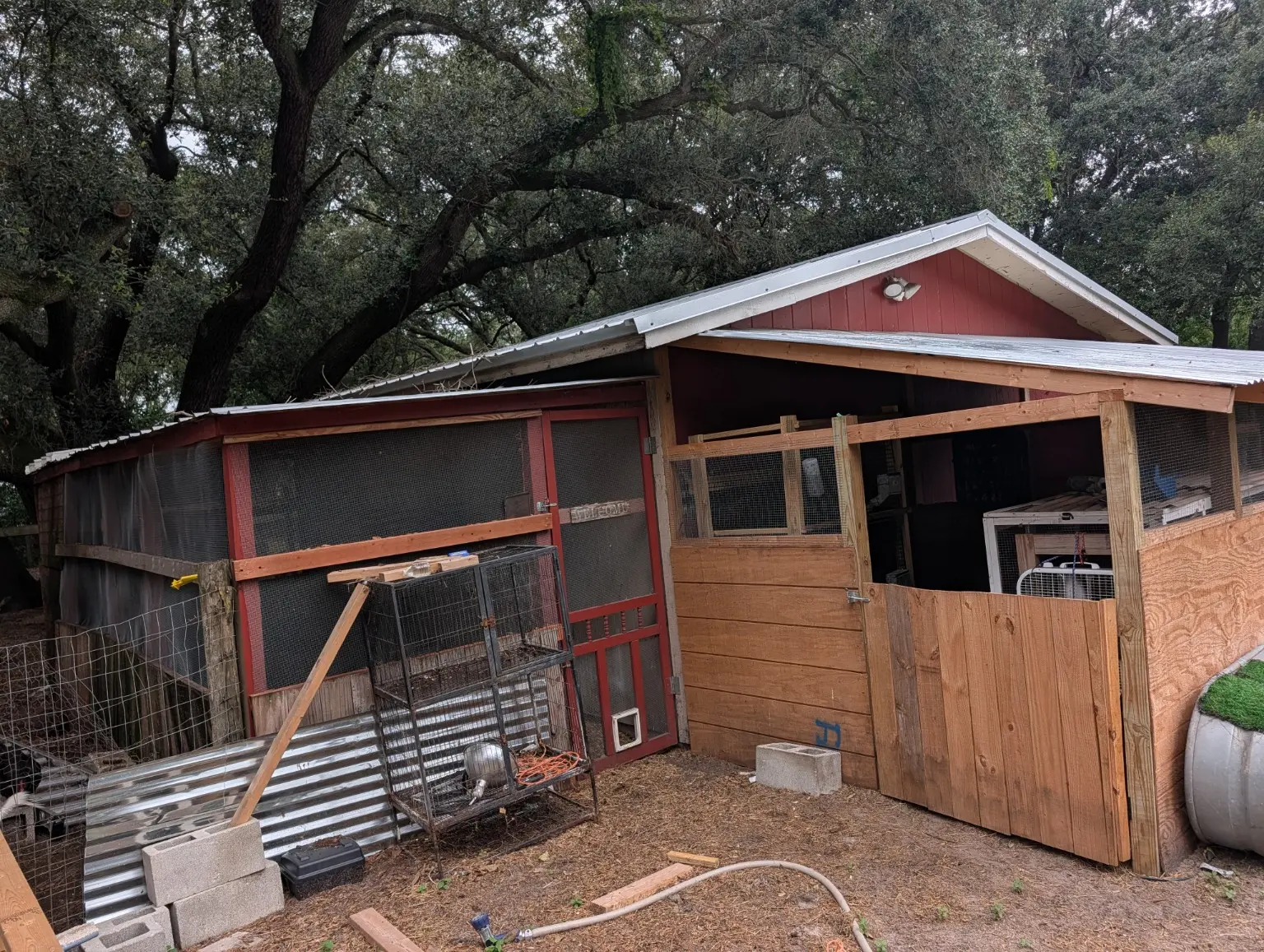
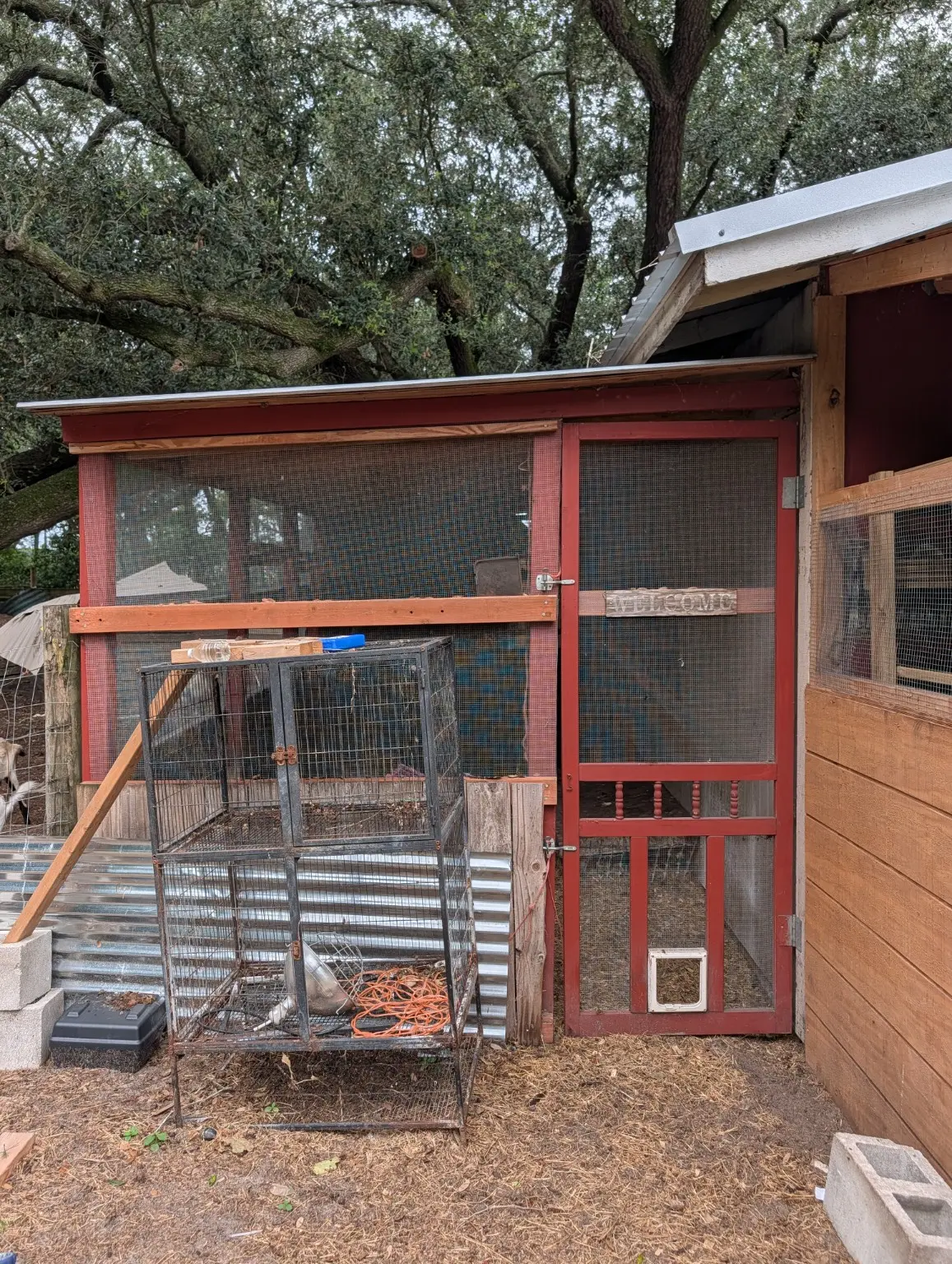
A small roof can collect surprising water and release it along one edge. A wider overhang, correctly installed gutter, downspout extension or splash control may keep that concentrated water out of the run. The endpoint has to remain safe and legal.
Keep leaves and debris from blocking the chosen path, especially before tropical weather. Where wind-driven rain enters through necessary ventilation, use planned hoods or protected openings instead of closing the coop airtight.
If water crosses the property toward the run, a shallow swale, drain or grade change may be appropriate, but those changes should be designed for the actual site. Large grading projects are not a guess-and-shovel task near buildings or utilities.
Guarantee one dry refuge even when the open run is wet
The entire outdoor area may not stay dry through every Florida downpour. Prioritize a roof-protected or elevated zone where birds can stand, rest, reach resources and avoid constant mud. Keep the coop itself dry and ventilated.
A covered section also protects feed and reduces the amount of wet manure around high-use areas. It should still receive airflow and remain secure from predators. Watch whether all birds can use it without one dominant group blocking the entrance.
Place water where spills will not run into bedding or the only dry refuge. A level base and more than one drinking point can reduce crowding and repeated saturation.
Choose surface material only after the water path is controlled
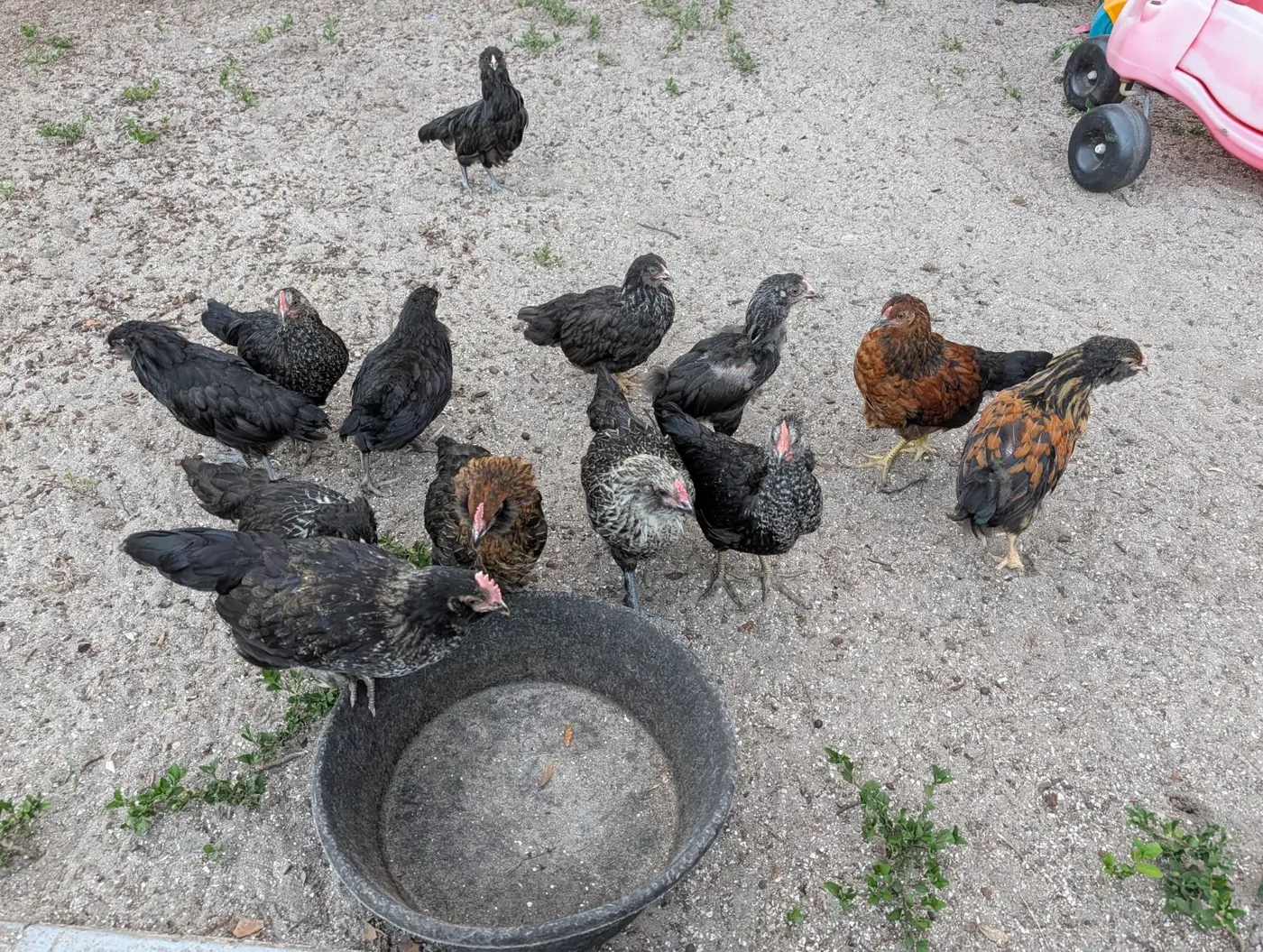
Coarse untreated wood chips can create a replaceable carbon-rich surface in some outdoor runs, while clean sand may work in other well-drained areas. Neither material fixes active runoff. Fine organic material can mat, and chips eventually break down and need removal or replenishment.
Gravel can stabilize selected human walkways or drainage features, but loose, sharp or incorrectly sized stone can create foot and cleaning problems. It can also disappear into soft soil. Use a properly prepared base where needed rather than dumping random rock across the flock area.
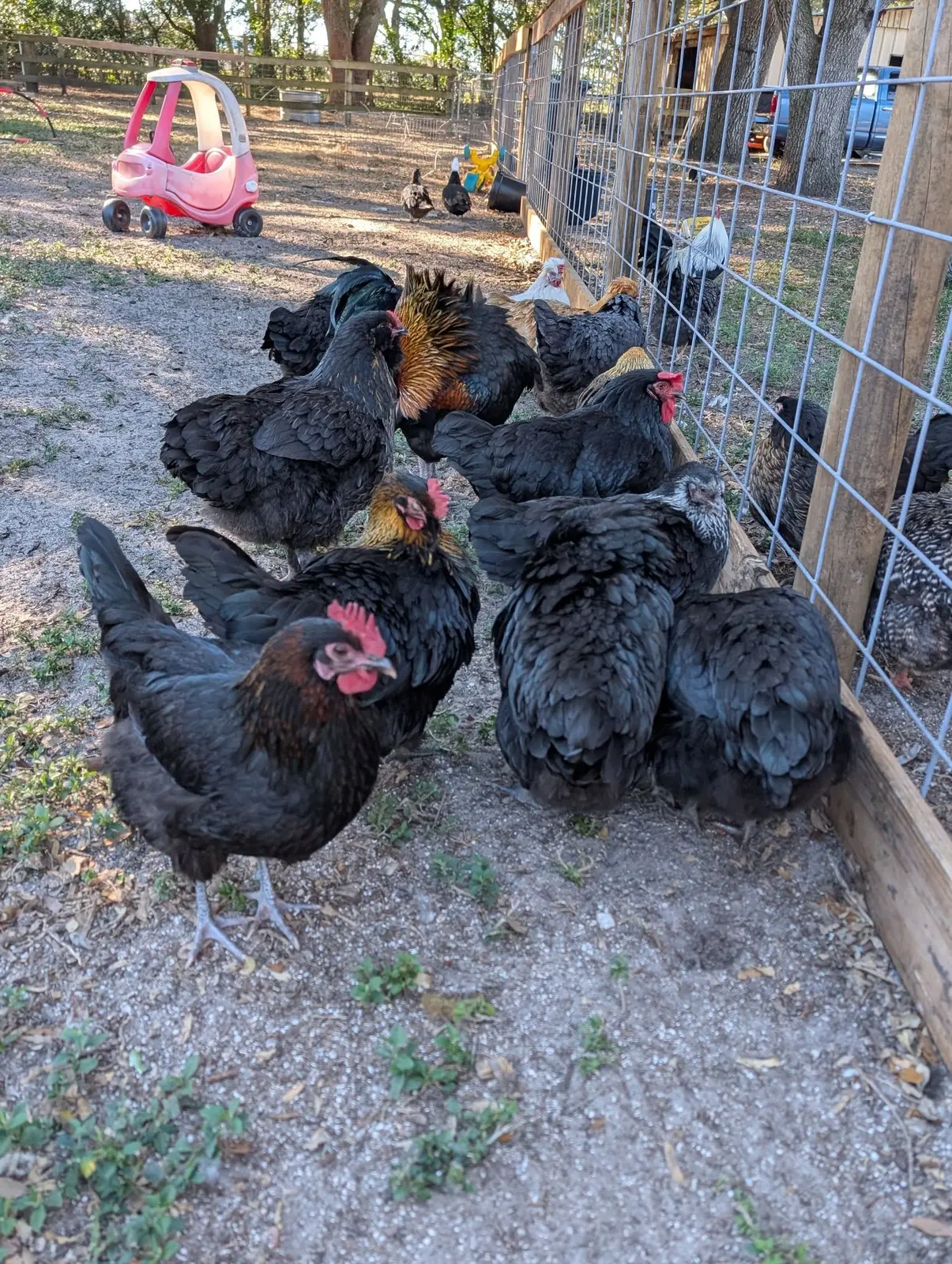
Avoid treated, painted, moldy or contaminated wood. Do not use grass clippings in a thick wet layer. Whatever the surface, the birds should retain safe footing, dust-bathing opportunity and room to scratch without standing in manure-saturated material.
Remove wet buildup instead of endlessly burying it
University extension guidance connects wet litter with poorer air quality, caking, odor and flock-management problems. Ventilation helps remove moisture inside housing, but a leak or saturated layer still needs physical correction.
Rake or remove material that has become persistently wet, compacted or manure-heavy. Add clean dry material only after the moisture source is addressed. Keep the removed material away from wells, waterways and places where runoff can return it to the birds.
A strong ammonia odor is not something to cover with fragrance or another thin layer. Improve ventilation, remove wet manure and locate the water source. If birds show eye or respiratory irritation, move promptly toward qualified veterinary and extension help.
Treat mud control as part of biosecurity
Mud travels on boots, tools, tires and equipment. USDA biosecurity guidance emphasizes dedicated footwear, cleaning equipment and limiting unnecessary traffic. Create a place to change or clean boots without sending dirty runoff back into the poultry area.
Keep wild birds away from feed and water where practical, clean spilled feed and avoid moving wet tools directly between animal groups. A separate shovel or rake for the poultry area is easier to manage than disinfecting one tool between every pen.
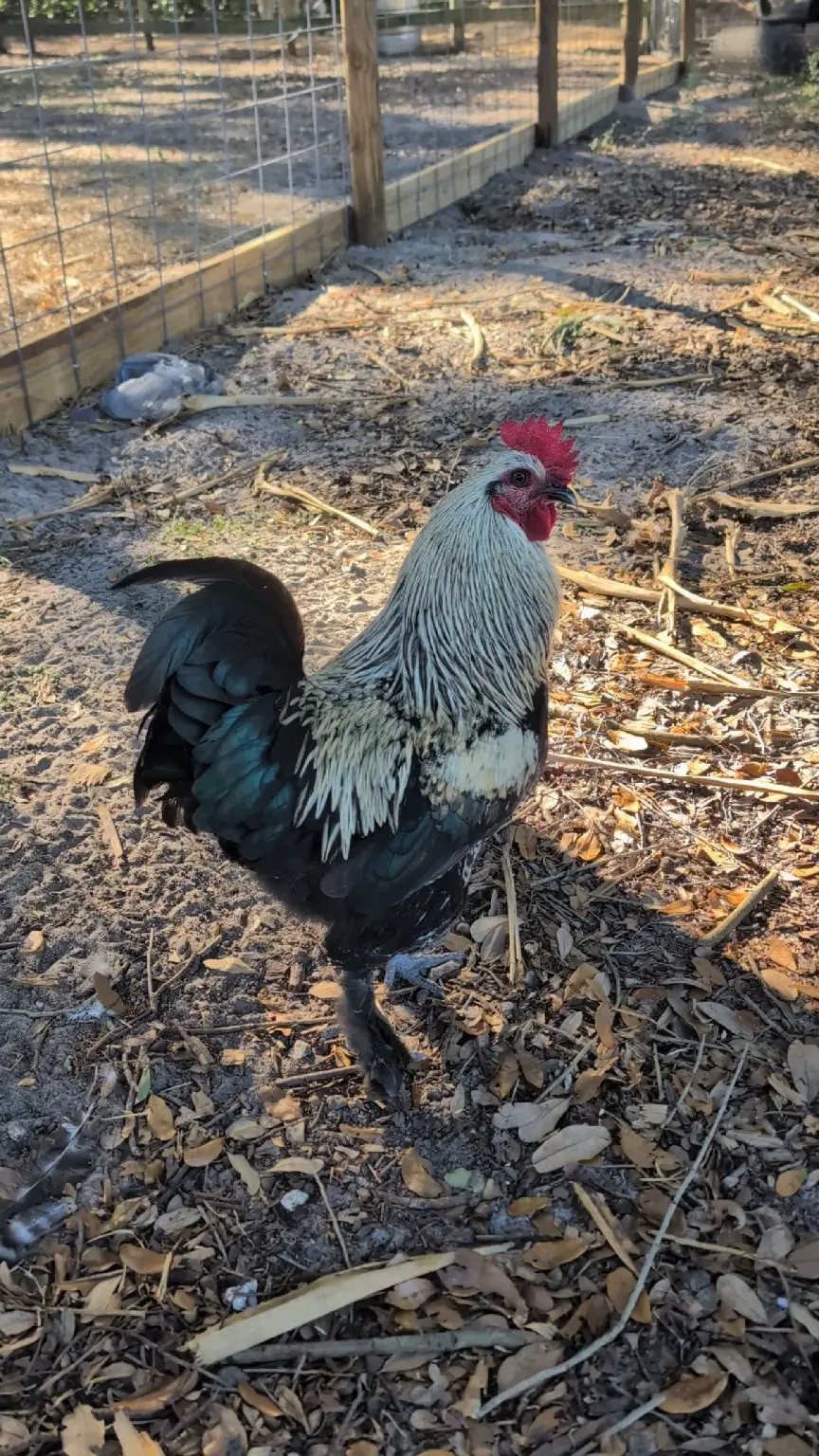
Our chickens share a wider homestead with ducks and other animals. Separating tools, routes and water problems is especially useful because duck mud should not automatically become chicken-run mud.
Maintain the dry route through every rainy season
Drainage is a maintained system. Chickens scratch material away from edges, roots lift borders, gutters clog and one heavy storm can expose a weak point that smaller rains missed. Put the inspection on the seasonal calendar.
- After heavy rain: mark new flow paths and remove hazards.
- Weekly in wet weather: check waterers, doorway footing, feed cover and wet litter.
- Monthly: clear gutters and drainage paths; rake compacted high-traffic areas.
- Before hurricane season: inspect roof runoff, covered refuge and safe access.
- When material breaks down: remove manure-heavy buildup before adding a fresh layer.
- When water persists: stop adding surface material and reassess grade or seek qualified help.