
Do the slow work before hurricane week
Update photographs, identification records, veterinarian contacts, destinations and trailer capacity before the season becomes busy. Practice loading and handling in calm weather.
Trim manageable hazards with qualified help, service the generator if used and store repair materials where storm damage will not trap them.
Calculate animal water and protect familiar feed
Animal water belongs in its own calculation. Heat, body size, lactation and diet change use, so measure normal high-demand days and add margin rather than trusting a single generic figure.
Store enough normal hay and feed for disruption, raised and protected from humidity, pests and wind-driven rain. Sudden diet changes during a stressful event add another avoidable problem.
Make the shelter or evacuation decision early
The correct choice depends on evacuation orders, flood and surge risk, structure, roads, trailer, destination and animal handling. Follow local emergency authorities; do not use a general website article as a real-time order.
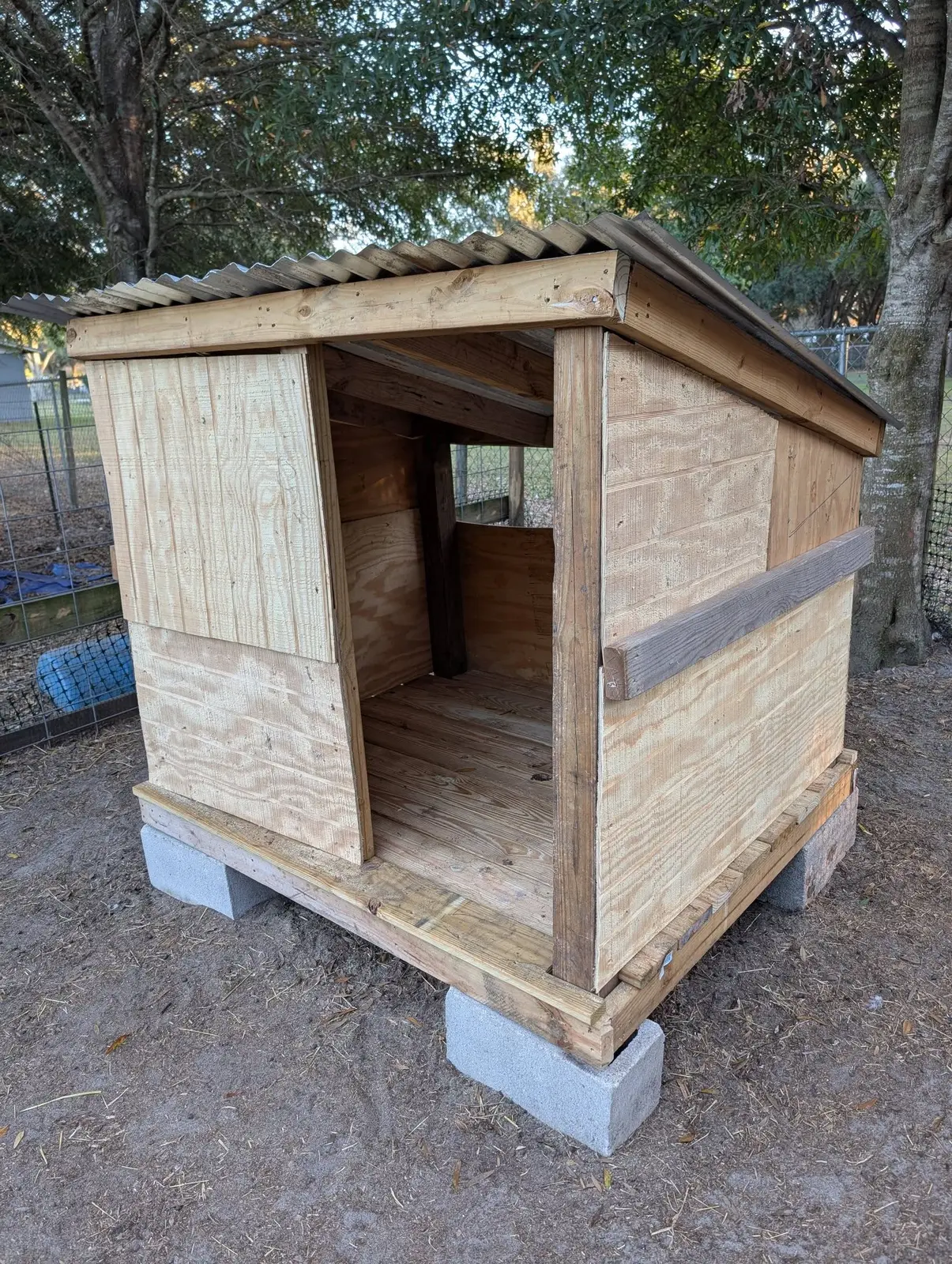
If evacuating, confirm the destination accepts the animals and that transport can move the full group safely. If sheltering, remove loose objects, preserve ventilation and avoid confining animals in a structure that could flood.
After the storm, check the boundary before turnout
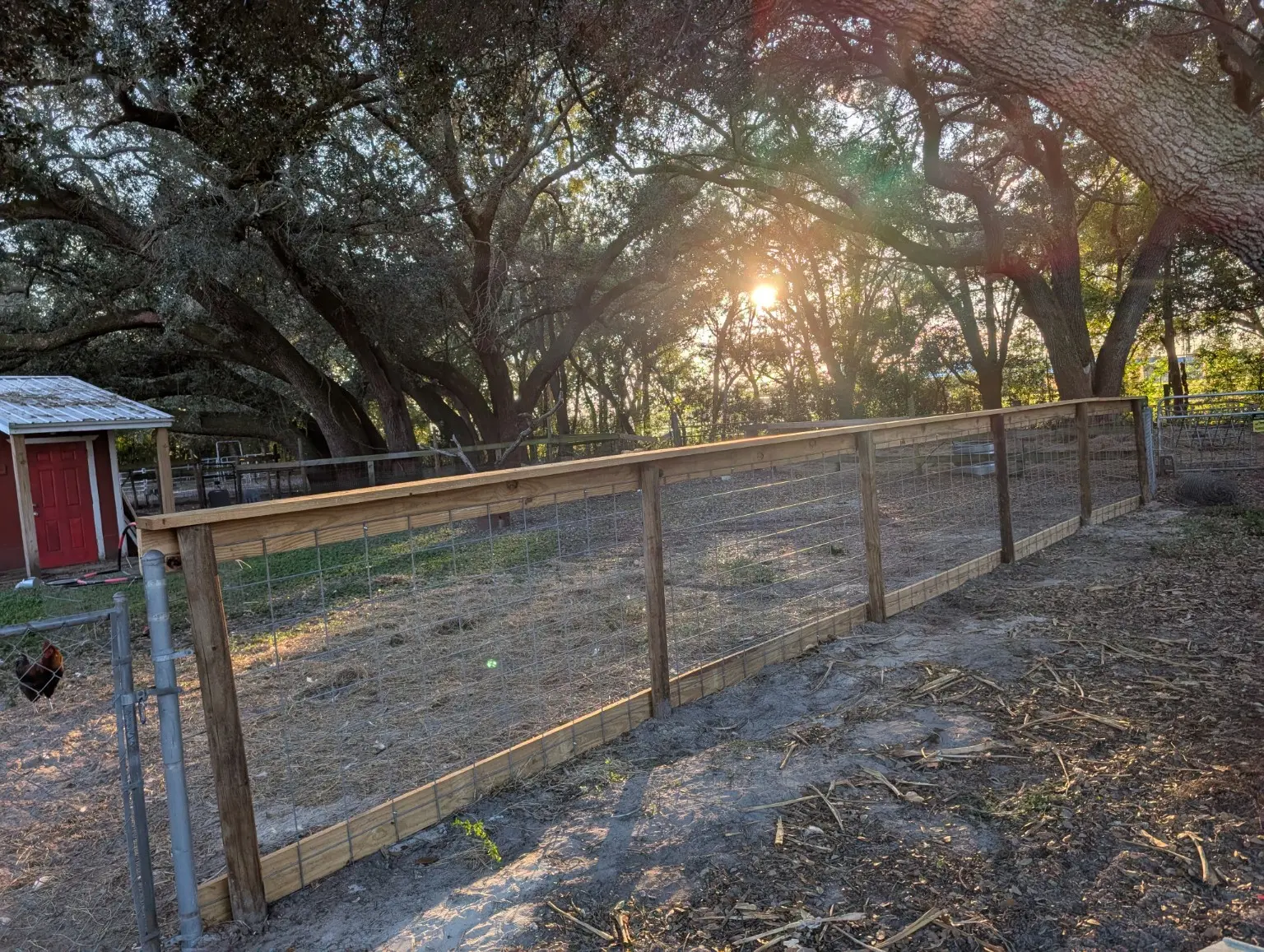
When Hurricane Milton crossed our ranch, post-storm priorities included checking fence lines and animal areas before returning to ordinary movement. Fallen limbs, displaced wire, sharp debris and contaminated water can remain after the wind is quiet.
Work methodically: account for animals, assess urgent injuries, inspect structures from a safe distance, verify water, photograph damage and create a temporary secure area before permanent repair.
Use a calm preparation timeline
At the start of the season, handle records, equipment service and destinations. When a storm enters the planning window, rotate water, top off normal feed and confirm transport. As local instructions become specific, execute the already-written plan.
Conditions change. Use the National Hurricane Center, local emergency management and official evacuation guidance for current decisions.
| When | Priority |
|---|---|
| Before the season | Identification, trailer practice, contacts, repairs and supply rotation |
| Storm in the planning window | Confirm destination, fuel, water, feed and animal count |
| Local action period | Follow authorities and execute shelter or evacuation plan |
| After passage | Account, inspect, isolate hazards, document and repair |