Best Chicken Breeds for Florida: Choose Traits, Not Hype
Choose Florida chickens by heat tolerance, comb and feather traits, egg goals, temperament and the management your property can actually provide.
Amanda Grimes-ShokesOwner of DiamondTrail Ranch · Florida homesteader
Published Updated 11 minute read
From our homestead
A breed name cannot compensate for a hot coop
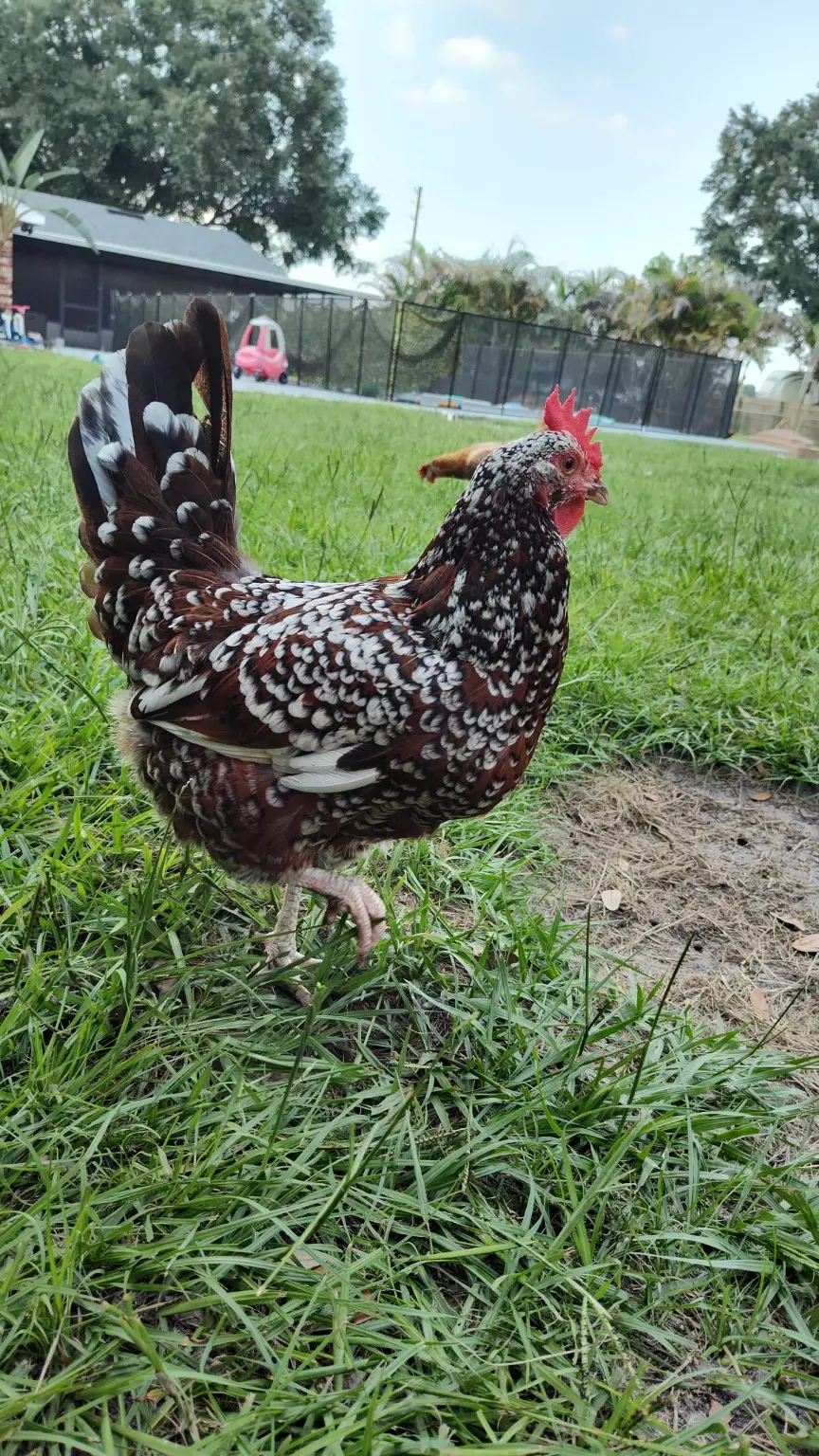
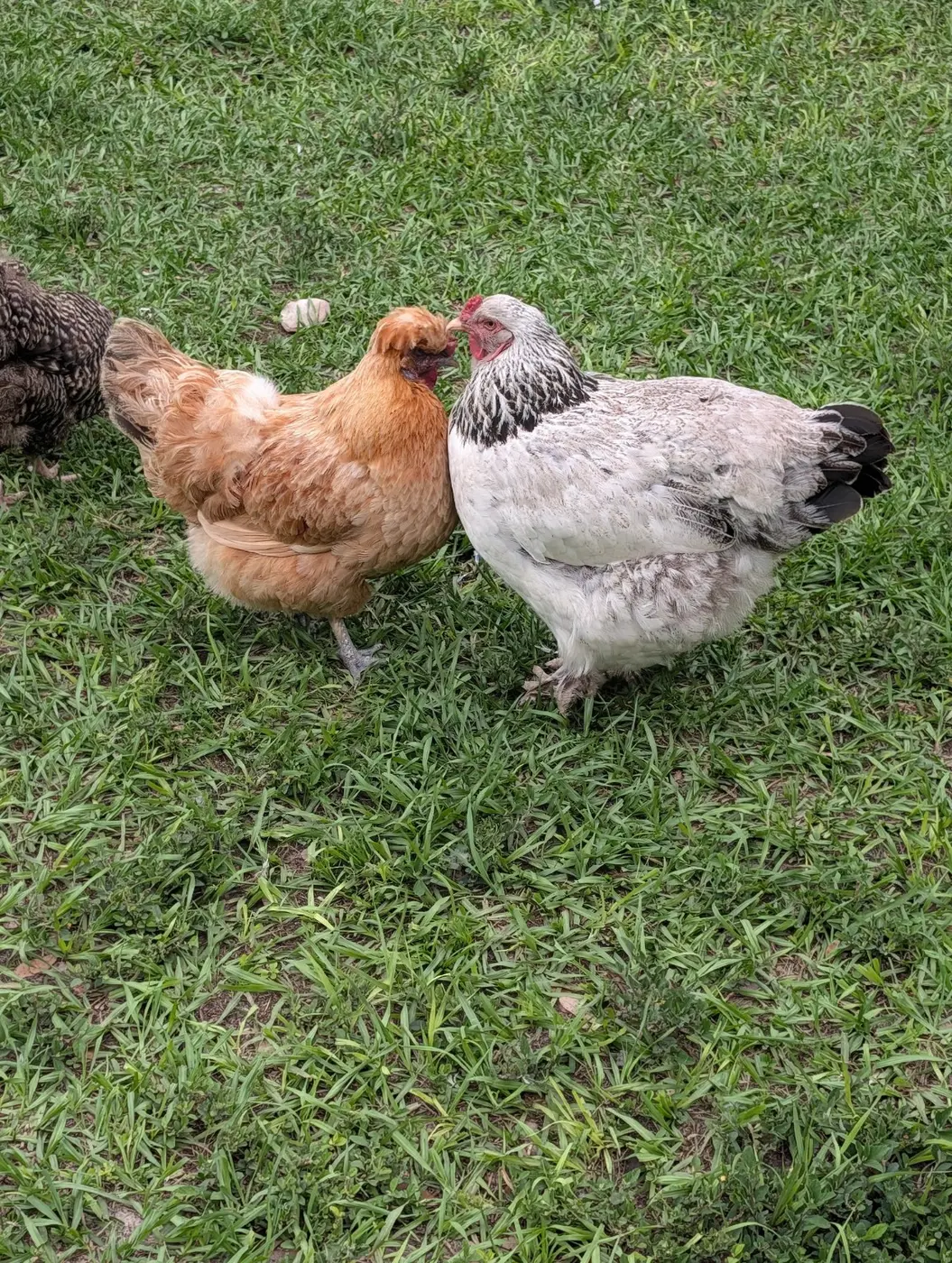
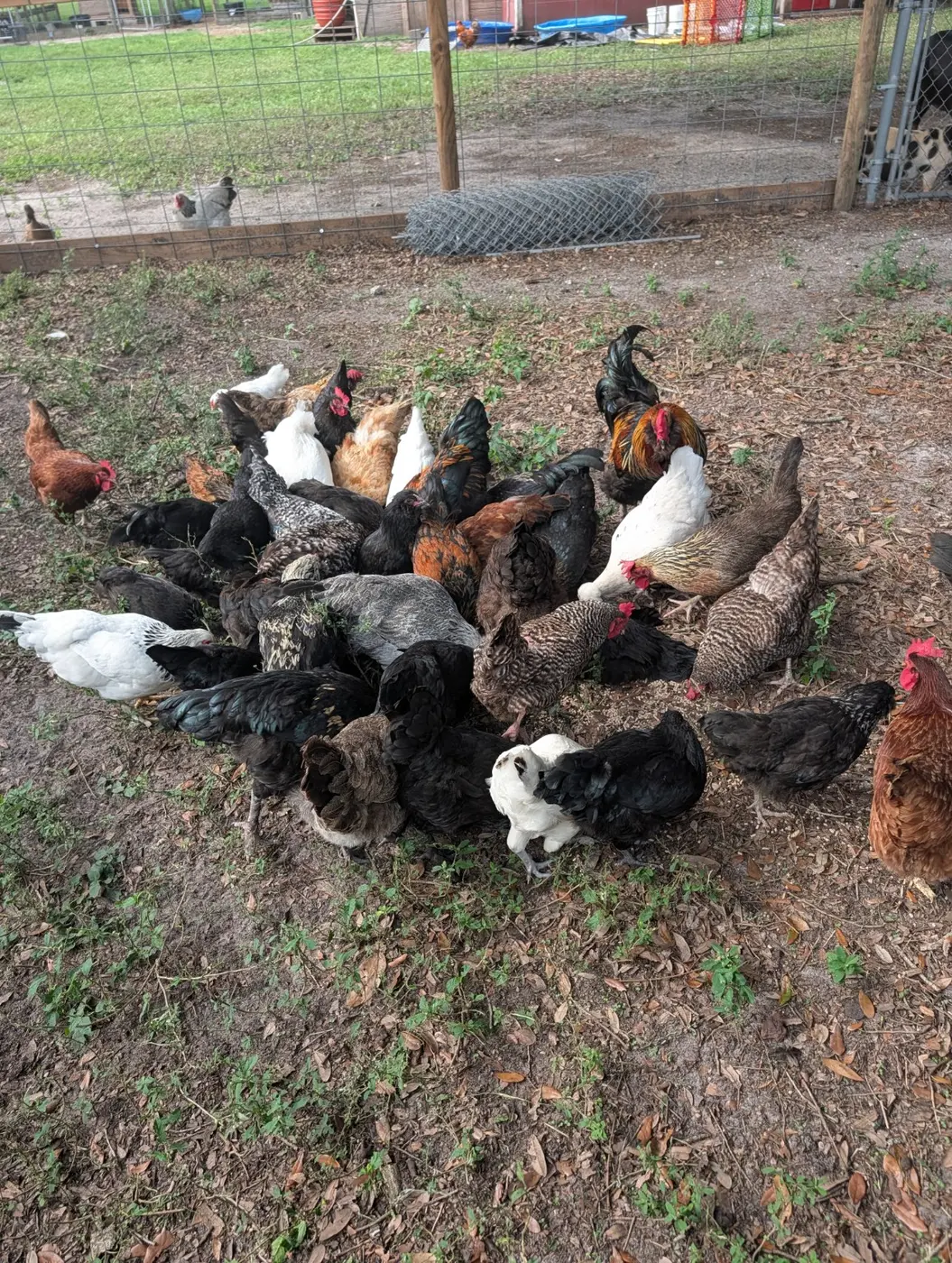
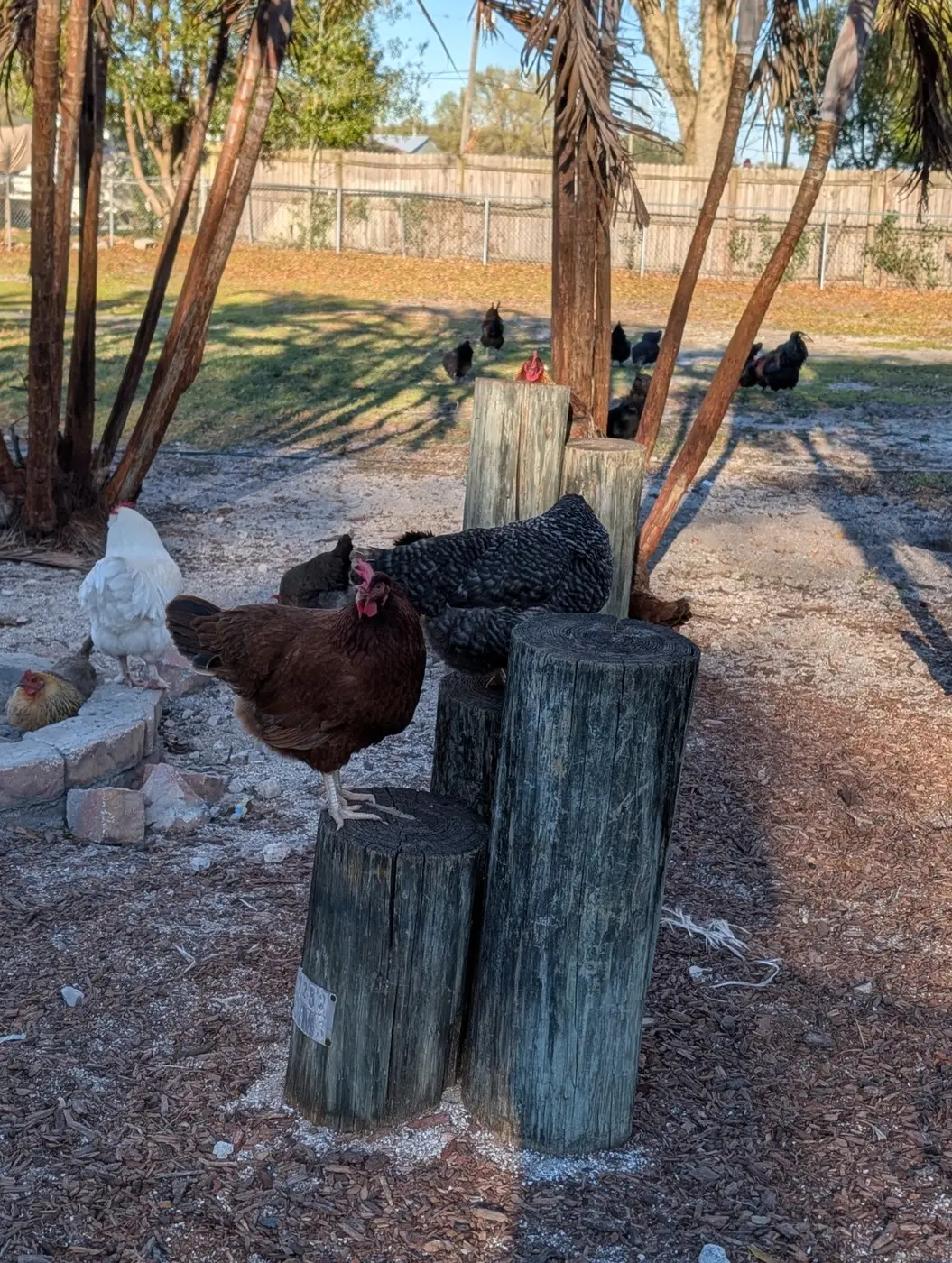
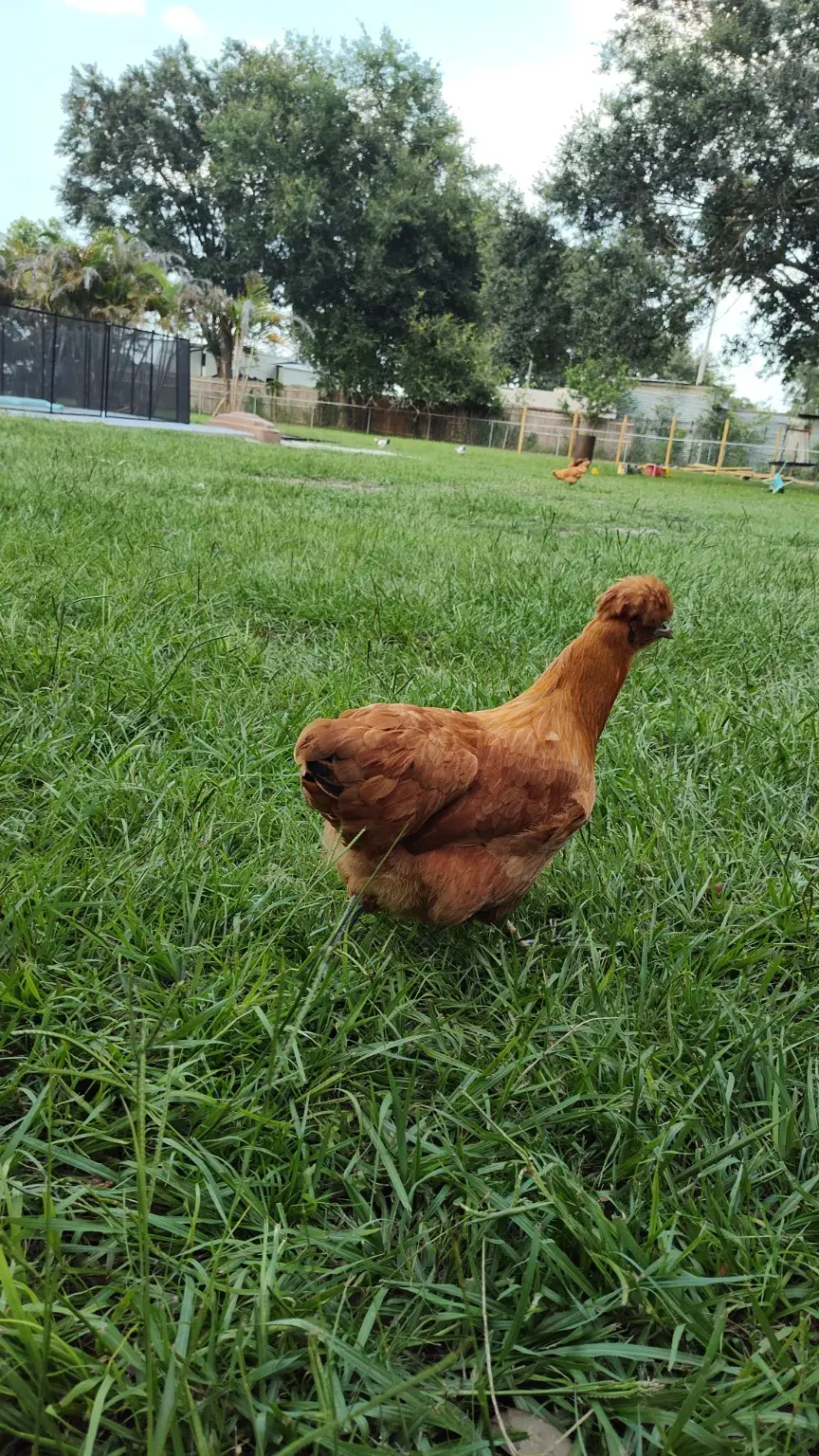
Our flock includes birds with different sizes, combs, feathering and personalities. They do not all use shade, food or open space in exactly the same way. That is why our Florida breed list starts with traits and the property instead of declaring one universal winner.
A heat-aware bird still needs water and airflow. A calm family bird still needs protection from flock bullying. A beautiful egg color does not tell you whether the adult bird fits the coop you built.
The immediate answer
Florida Chicken Breeds
There is no single best chicken breed for every Florida flock. Start with heat tolerance, active foraging, manageable body size, temperament and egg goals, then compare those traits with your shade, ventilation, predator pressure and willingness to provide extra summer care.
Key takeaways
What matters most
Florida housing and water management matter as much as breed.
Large combs can help release heat but still need winter observation during freezes.
Heavy bodies and dense feathering can narrow the margin for summer mistakes.
Productive hybrids may lay heavily but are not automatically the longest-lived choice.
Choose temperament and flock compatibility, not egg color alone.
01
Use a Florida trait checklist
A breed developed for cold winters, heavy feathering or very large body size may require more careful heat management in Florida. That does not make the bird impossible to keep; it changes the shelter, airflow and observation burden.
Look beyond a hatchery’s marketing sentence. Ask about mature size, feather density, comb type, activity level, broodiness, laying pattern, temperament and whether the strain is known to perform in warm climates.
Breed traits to compare for a Florida backyard flock
Trait
Potential Florida advantage
Management tradeoff
Lighter body
Often sheds heat more readily
May be flightier or more active
Larger single comb
More exposed surface for heat loss
Watch during unusual freezes
Clean legs
Less feather to hold mud
No automatic health advantage
Active forager
Uses a shaded run well
Needs secure space and enrichment
Dense feathering
Cold-weather protection
Requires closer summer observation
02
Build a shortlist around the job
For a family egg flock, commonly considered warm-climate or adaptable types include Leghorn-related layers, Australorps, Rhode Island Reds and other active standard breeds. Individual strains and birds vary, so a breed name is not a guarantee.
If children will help, calm handling and predictable temperament may matter more than maximum annual egg count. If the run is smaller, a highly active breed may need more enrichment and space than a quieter bird.
Egg-first flock: compare laying pattern, heat response and mature body size.
Family flock: prioritize temperament, safe handling and compatibility.
Free-range plan: compare foraging drive with predator exposure.
Broody flock: research maternal behavior and accept seasonal pauses in laying.
Breed traits matter, but individual behavior and flock compatibility remain visible only after the birds are living together.
03
What people mean by the “worst” Florida breeds
A responsible Florida guide should not label every bird of one breed a failure. The more useful warning is that very heavy, densely feathered, heavily foot-feathered or cold-oriented birds may leave less room for poor ventilation, weak shade or delayed water checks.
Likewise, small ornamental birds are not automatically easy just because they eat less. Feather type, limited flight, vision, broodiness and predator vulnerability can create different needs.
Avoid buying a cold-oriented breed without a specific summer plan.
Avoid choosing only by egg color, appearance or a viral video.
Avoid mixing large and very small birds without monitoring access to resources.
Avoid assuming a heat-tolerant breed can compensate for a hot closed coop.
04
Choose the source as carefully as the breed
Healthy, appropriately aged birds from a source that can explain its health practices are a better start than an unknown bargain flock. CDC recommends buying baby poultry from hatcheries that participate in USDA’s National Poultry Improvement Plan.
Quarantine and introduction practices matter even when birds look normal. A breed decision and a biosecurity decision happen at the same time.
Frequently asked questions
Questions readers ask next
Are Silkies good chickens for Florida?
They can be kept in Florida, but their feather type, small size and limited weather protection require thoughtful dry housing, shade, ventilation and predator management.
Are Leghorns good in Florida heat?
Leghorn-type birds are often considered active, lighter-bodied warm-weather layers, but individual strain, housing, water and care still determine results.
What chicken lays best in Florida?
No breed lays at a fixed rate in every Florida flock. Genetics, age, daylight, nutrition, stress, molt, health and heat all affect production.
Should beginners buy mixed breeds?
A compatible mixed flock can help a family learn different traits, but size, temperament, resource access and introduction method still need attention.
Supporting references
Where the outside information came from
We separate our family’s experience from outside guidance. These sources support the general information used on this page.