Prepare a dry, draft-protected brooder with a safe heat gradient, clean water, chick feed, traction, room to escape warmth and a completed adult coop.
Amanda Grimes-ShokesOwner of DiamondTrail Ranch · Florida homesteader
Published Updated 11 minute read
From our homestead
Florida warmth does not make a brooder self-regulating
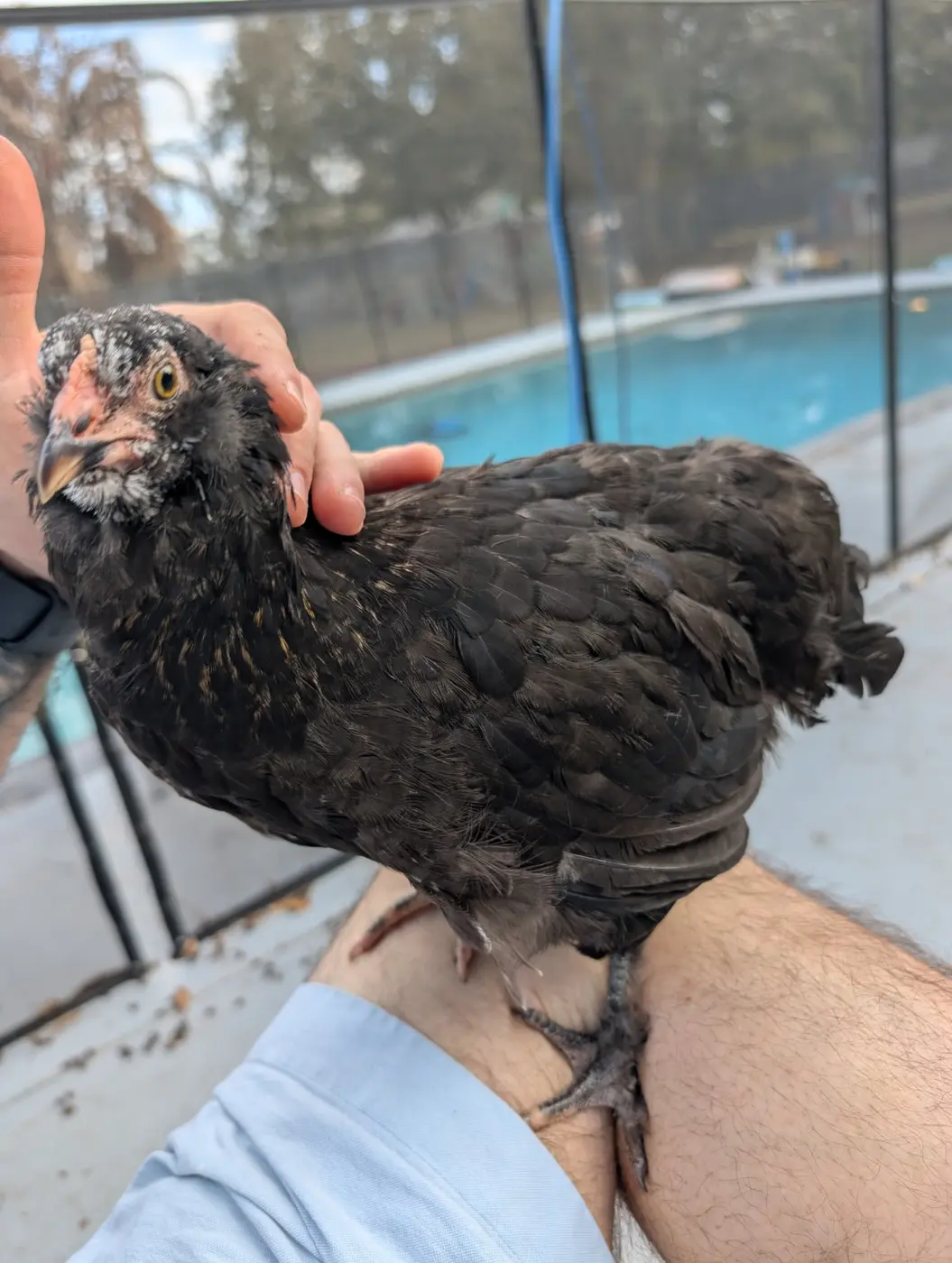
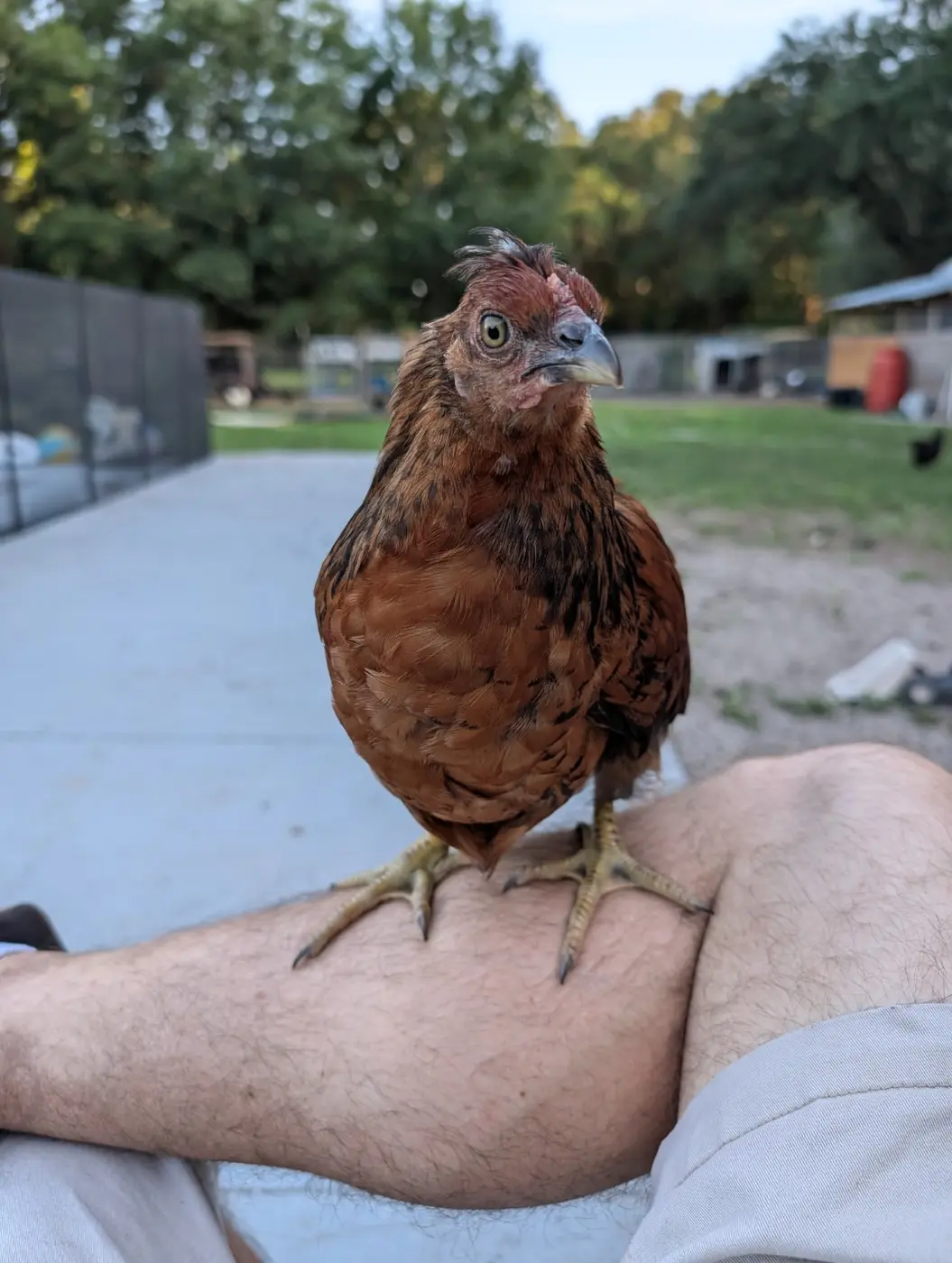
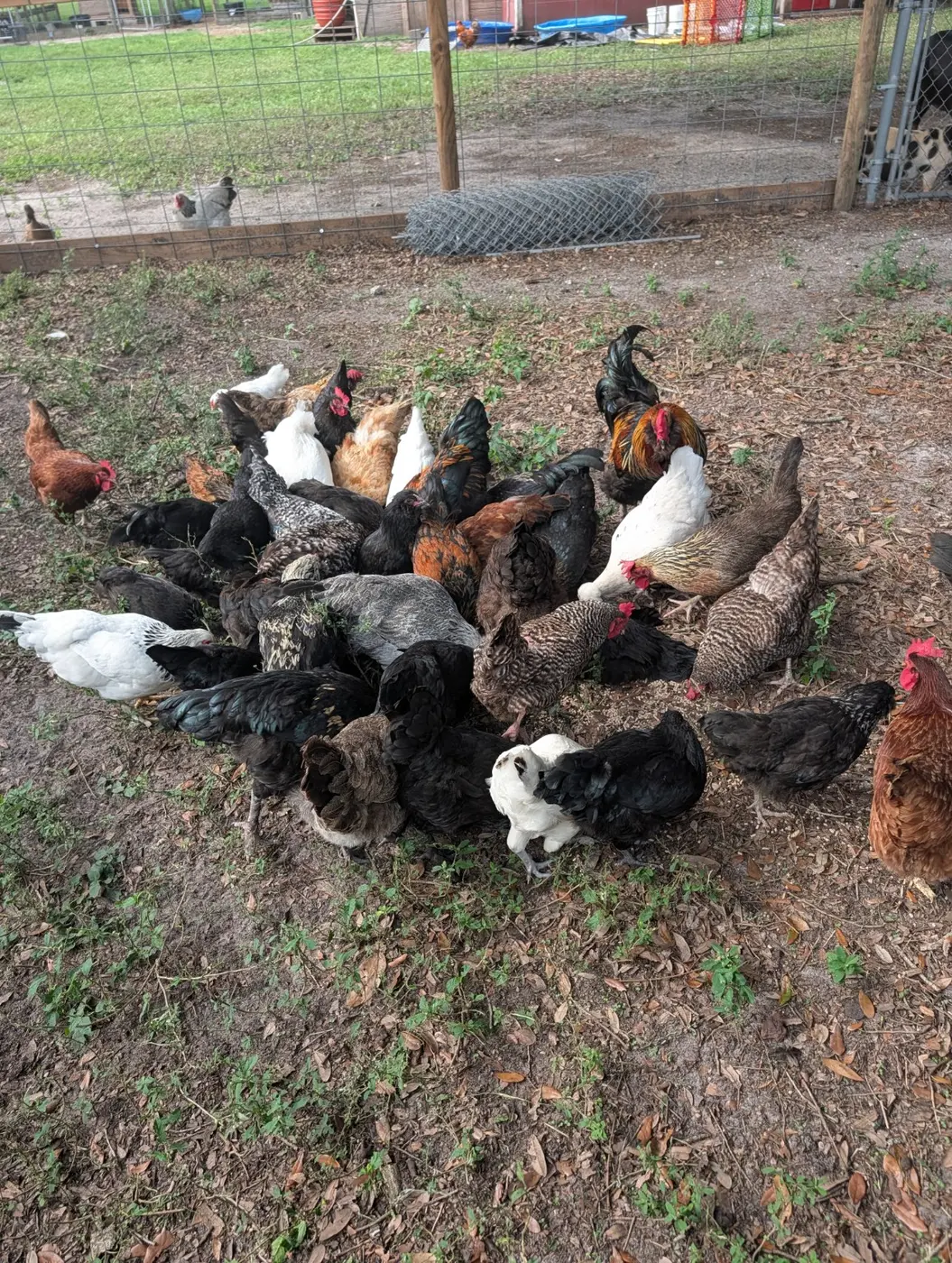
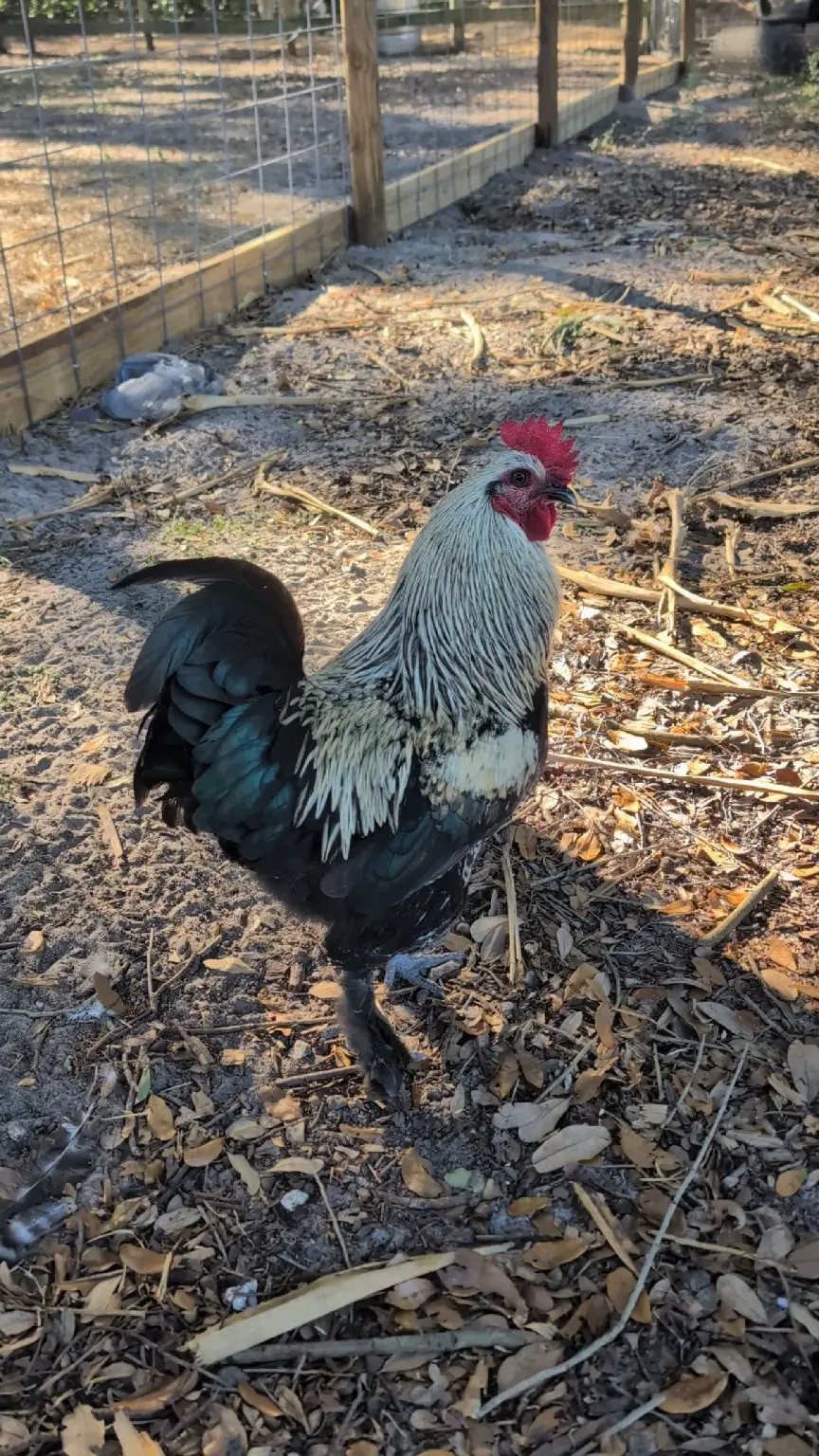
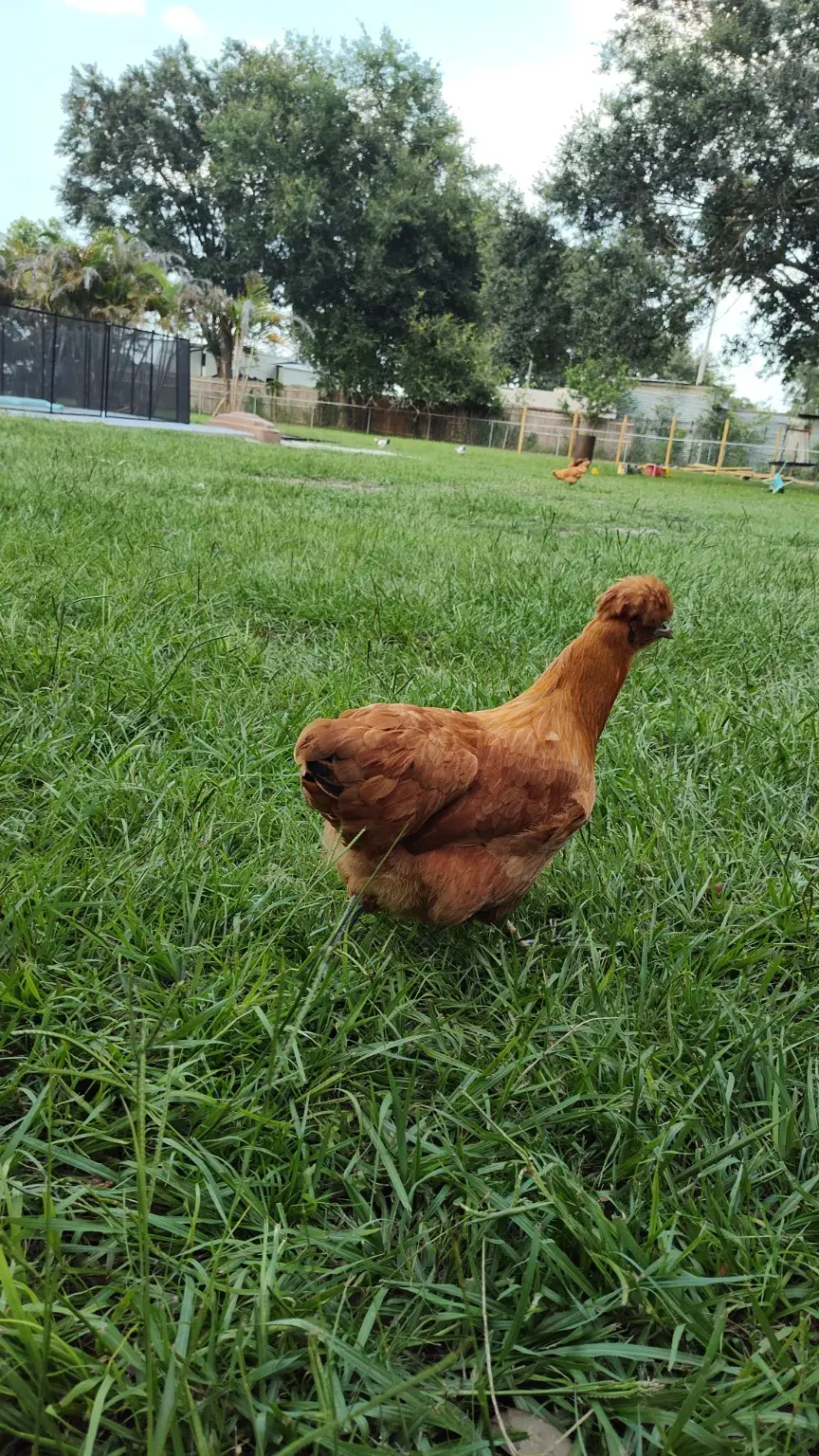
The young chickens in these photographs were already feathering out and exploring the property. They did not begin that way. Newly arrived chicks still need a controlled warm zone, a cooler escape, dry footing and equipment sized so they can eat and drink safely.
The most useful brooder observation is the whole group. Chicks piled tightly under heat, pressed against the cool edge or evenly spread and active are giving different information. A thermometer supports that observation; it does not replace it.
The immediate answer
Baby Chicks in Florida
Florida weather does not remove a chick’s need for controlled warmth. Use a safe brooder with a warm zone and a cooler escape area, watch chick behavior, keep bedding dry, prevent drowning and fire hazards and reduce supplemental heat gradually as birds feather and conditions allow.
Key takeaways
What matters most
Outdoor Florida temperature is not the same as stable brooder temperature.
Chicks must be able to move away from the heat source.
Behavior across the brooder is more useful than one thermometer reading.
Wet bedding chills chicks and grows problems quickly.
The secure adult coop should be finished before brooder crowding forces a move.
01
Prepare the brooder before pickup day
The brooder needs dry absorbent litter, solid draft protection, secure sides, ventilation, chick-appropriate feed and water and enough room for birds to choose their comfort zone. Pets and young children should not have unsupervised access.
UF/IFAS guidance commonly begins around 90 to 95°F for newly hatched chicks and reduces heat as they mature. Treat that as a monitored starting range, not permission to heat the entire box without an escape zone.
Read chick distribution before changing the brooder
Chick pattern
Possible meaning
Check first
Tight pile under heat
Too cool or a draft
Temperature, airflow, power
Crowded far from heat
Too hot
Heat height and escape space
Evenly spread and active
Comfortable conditions
Continue normal checks
One chick isolated
Individual problem possible
Observe closely and seek guidance
Young chickens outgrow the first brooder quickly. Finish the next secure enclosure before growth forces the move.
02
Make feed and water safe to reach
Use equipment designed to reduce drowning, tipping and contamination. Place it so chicks can reach it without crowding directly under the heat source.
Provide a complete chick starter appropriate to the birds and follow the label. Keep the feeder dry and clean rather than topping fresh feed onto damp or manure-contaminated material.
03
Protect the family as well as the chicks
CDC warns that chicks and other backyard poultry can carry Salmonella while appearing healthy. Wash hands after contact, keep poultry out of the house’s food areas and clean equipment outdoors.
Young children require close supervision. The CDC advises that children younger than five should not handle chicks, ducklings or other poultry because they have a higher risk of serious illness.
04
Move by feathering, weather and completed housing
Age alone does not answer whether birds are ready for the coop. Consider feathering, overnight conditions, rain exposure, the heat source reduction and whether the adult enclosure is secure and dry.
Introduce growing birds to established adults carefully. Size difference, pecking order and competition can make a sudden release unsafe.
Frequently asked questions
Questions readers ask next
Do baby chicks need a heat lamp in Florida?
New chicks need controlled warmth even in Florida. The safest heat source and setup depend on location and equipment; provide a gradient and follow manufacturer and extension guidance.
When can chicks move outside in Florida?
Use feathering, current weather, overnight conditions and housing readiness rather than one universal age.
Can chicks stay in the house?
CDC recommends keeping poultry and poultry equipment outside food-preparation and living areas because healthy-looking birds can carry germs.
Why are chicks piling together?
They may be cold, exposed to a draft or frightened. Check the environment immediately and observe whether all chicks are responsive.
Supporting references
Where the outside information came from
We separate our family’s experience from outside guidance. These sources support the general information used on this page.